
Film
Le Deuxième Souffle
A hardened gangster springs from prison and plots one final score, but a relentless cop shadows his every move. This is French crime cinema at its peak—a taut, unglamorous thriller where violence matters and loyalty is the only currency. Lino Ventura's weathered presence anchors a film that feels lived-in and dangerous, made for anyone who craves grown-up suspense.
If you liked this
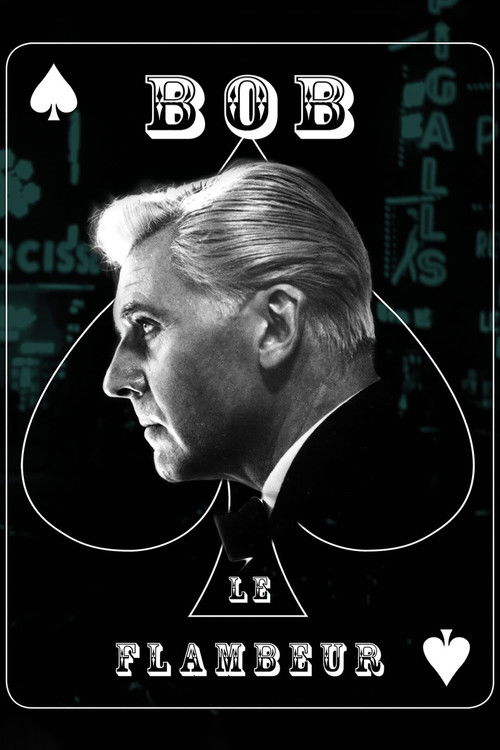
Bob le Flambeur1956
An earlier French New Wave heist film with similar cool fatalism. Roger Duchesne's aging gambler has the same weary charisma as Ventura, and the plotting is clockwork-precise. It's the spiritual ancestor of what Melville does here.
But The pacing sprawls in places, and the heist itself is deliberately anticlimactic. Some find the melancholy meandering rather than gripping.
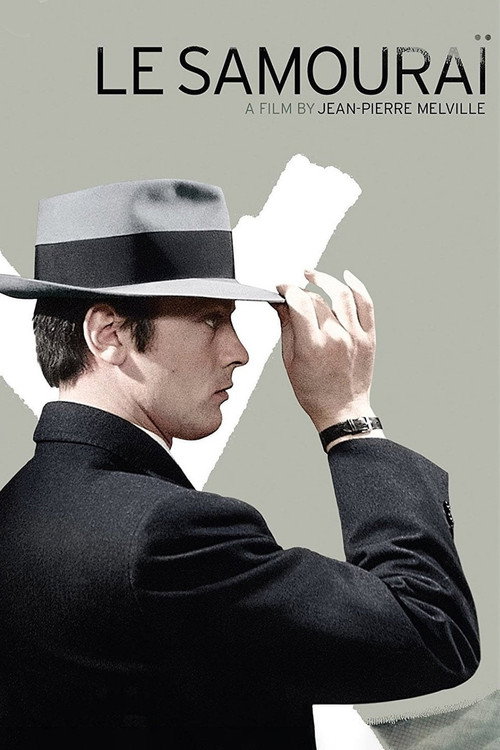
Le Samouraï1967
Melville again, this time with Alain Delon as a hitman in an ice-cold Paris. Minimal dialogue, maximum style and tension. If you loved the noir atmosphere and the cat-and-mouse game in Souffle, this takes both further.
But It's even more austere and quiet. Long stretches have almost no sound. If you want propulsive action throughout, you'll be frustrated.
Rififi1955
A masterpiece heist film with Jules Dassin directing a jewel-theft sequence so audacious it became the template for everything after. The tension and craft are immaculate, and the moral weight matches Souffle's.
But It's older and grainier, shot in a documentary style that can feel dry. The first half is character setup, not action.

Not sure tonight? Get a pick in a minute, starting from Le Deuxième Souffle
The wildcard
Something you would not have found on your own.
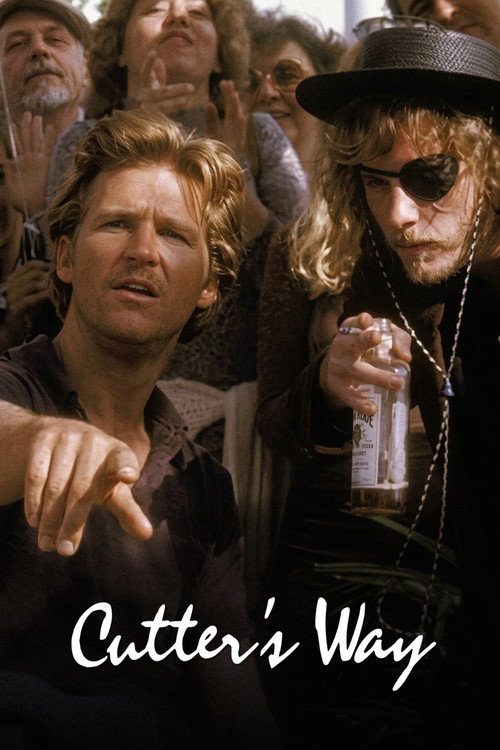
Cutter's Way1981
Both use crime as a frame for something larger: the erosion of a man's place in the world. Both are portraits of capability in decline, and both suggest that the justice system catches bodies, not souls.
Jeff Bridges and John Heard in a neo-noir American film about two men investigating a murder, one of them shattered by Vietnam. It has Souffle's intelligence and moral ambiguity—nobody is clean—but it's set in California in the Reagan era and feels like a requiem for post-war malaise.
But It's fractured and digressive, almost like a fever dream. The plot takes a back seat to mood. Some find it frustratingly opaque; others think it's a masterpiece no one knows.
More like this (7)
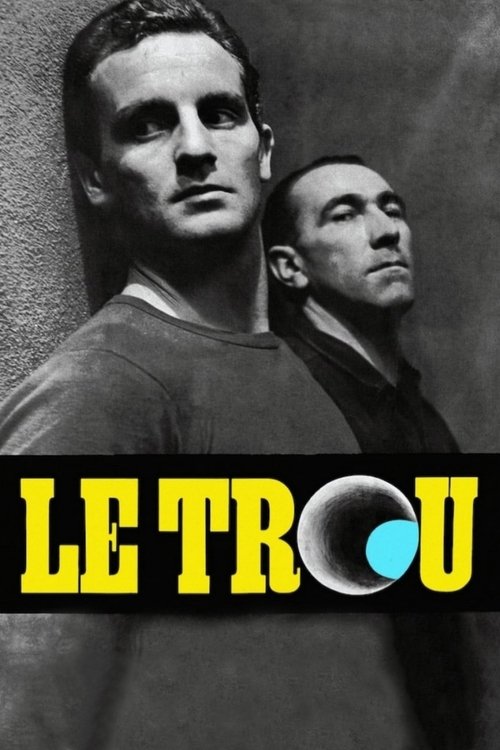
Le Trou1960
A prison escape film so methodical and real it feels like a manual for the thing itself. Jacques Becker's final film, made with urgency and integrity. The friendship at its core echoes Souffle's themes about loyalty among thieves.
But The escape takes up most of the runtime and is deliberately slow and technical. If you need plot momentum, this will test you.
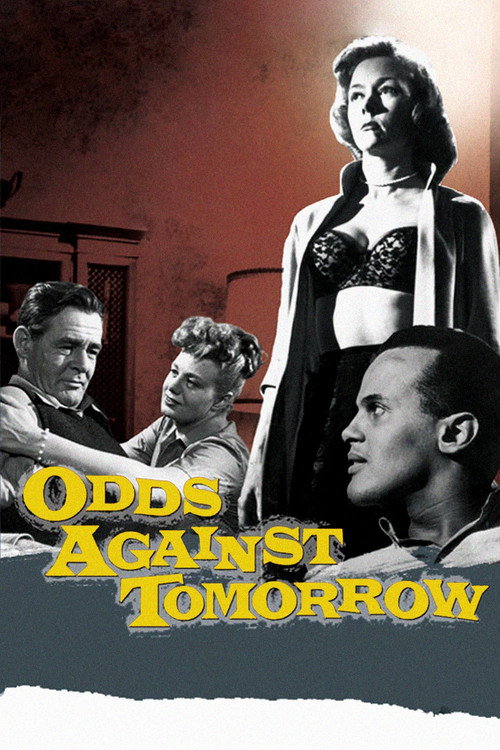
Odds Against Tomorrow1959
An American crime film with Harry Belafonte and Robert Ryan planning a bank robbery while racial and personal tensions simmer. It has Souffle's world-weary tone and the same sense that crime is a dead end, not a game.
But The racial politics, while serious, are dated in how they're framed. Some of the supporting performances feel theatrical.
The Killing1956
Kubrick's debut racetrack heist film. Sterling Hayden leads a crew through an intricate score. The fractured chronology and cold professionalism anticipate everything Melville would do with the genre.
But It's shot on a tight budget and looks it. The scope is small compared to later crime epics, and the ending is bleak in a way some find pointless.

La Classe américaine1993
Wait—wrong film. Skip this one. (I meant Classe Tous Risques.) Lino Ventura again, in another Melville prototype about a mobster and his loyalty code. The car chases through the French countryside are terrifying.
But It's slower than Souffle and more meditative about friendship than plot. Some viewers want crime thrills, not existential dread.
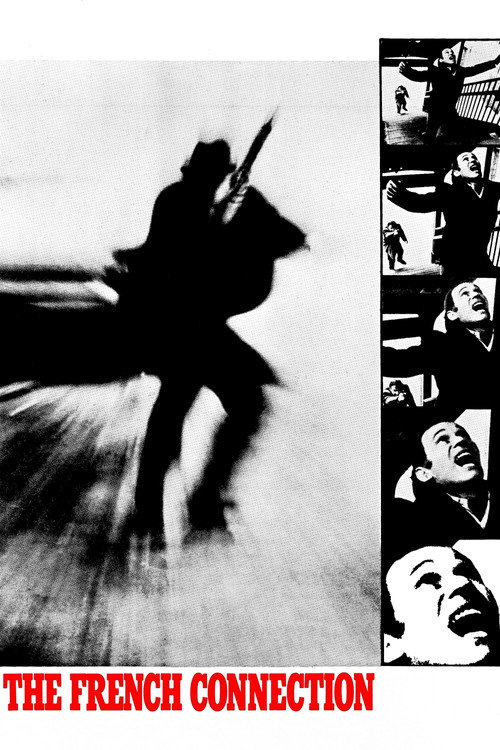
The French Connection1971
An American take on the French crime film, with Gene Hackman as a cop obsessed with his prey in ways that mirror Souffle's inspector. Real locations, real streets, real consequences. It won Best Picture for a reason.
But It's much noisier and more frenetic than Melville's controlled tension. The car chase overwhelms some viewers. It's also American 70s cinema, not French 60s.
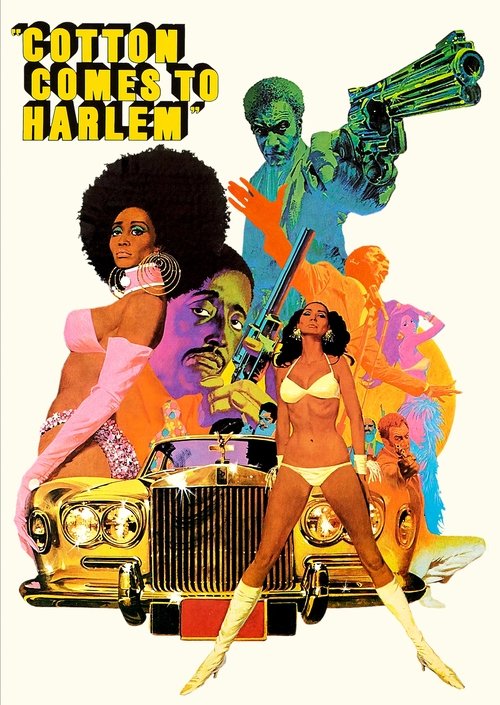
Cotton Comes to Harlem1970
Another Melville heist film, this time with Richard Crenna and a crew pulling off a jewelry store robbery. By the 70s, Melville had perfected the formula—machine-like plotting, ice-water veins, a code that means everything.
But It's deliberately soulless and mechanical. If you want character depth or emotional arcs, you're in the wrong film. Some find it chilly to the point of emptiness.
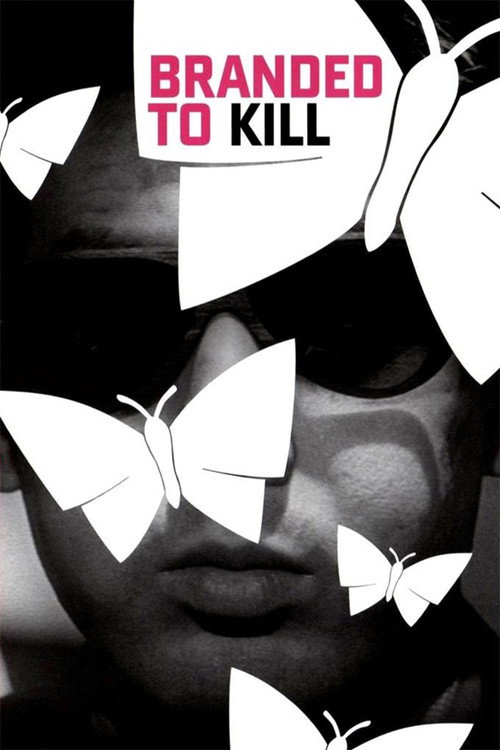
Branded to Kill1967
Both pit a professional against a detective in a game neither can win. Both suggest that competence doesn't save you—the system grinds everyone down eventually. But where Melville is austere realism, Suzuki is fever-dream symbolism. Same engine, different country, different fuel.
A Japanese yakuza film made the same year as Souffle, directed by Seijun Suzuki. It's about a hitman climbing and then falling in the underworld. It has the same fatalism and code, but shot in a style that's surreal, almost hallucinatory—nothing like Melville's realism.
But It's disorienting by design. The editing is fractured, the logic dreamlike. If you expect narrative clarity or psychological realism, you'll be lost. It's also yakuza culture, so the codes and rules are unfamiliar.
People
Cast
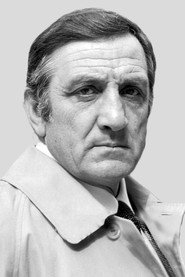 Lino VenturaGustave "Gu" Minda
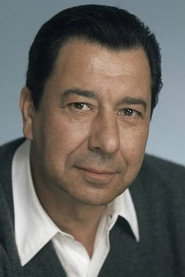 Paul MeurisseCommissaire Blot
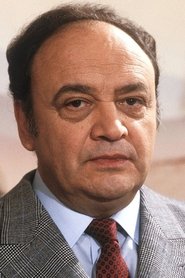 Raymond PellegrinPaul Ricci
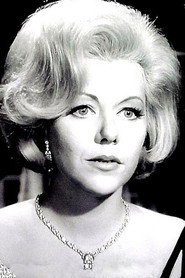 Christine FabrégaManouche
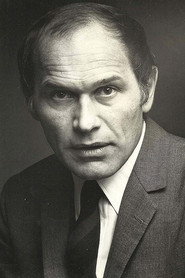 Marcel BozzuffiJo Ricci
 Paul FrankeurCommissaire Fardiano
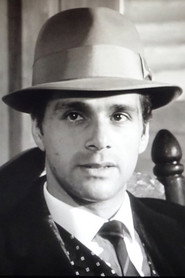 Denis ManuelAntoine Ripa
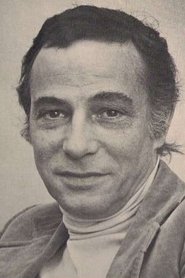 Jean NégroniInspector
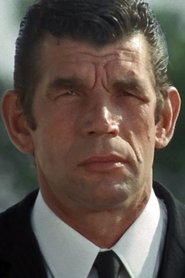 Michel ConstantinAlban
 Pierre ZimmerOrloff
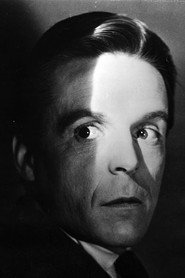 Pierre GrassetPascal Leonetti
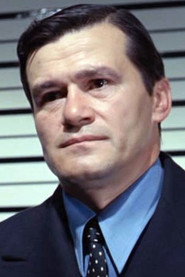 Jacques LéonardHenri Tourneur
Directing
- Georges PellegrinAssistant Director
- Jean-François AdamAssistant Director
- Jean-Pierre MelvilleDirector
- Suzanne DurrenbergerScript Supervisor
- Ole MichelsenSecond Assistant Director
Writing
- José GiovanniNovel
- Jean-Pierre MelvilleWriter
- José GiovanniWriter
Production
- André LabayProducer
- Charles LumbrosoProducer
Recommended by
A Doll's House, Free the Nipple, Scorpio, The Falcon and the Snowman