
Film
Scorpio
A 1973 spy thriller where a veteran CIA operative and his freelance partner become hunter and hunted after the agency orders an assassination. Taut, paranoid, and elegantly paced, it trades spectacle for psychological tension and moral ambiguity. Made for viewers who prefer espionage as a game of wits over action heroics.
Should you watch it?
Watch it if you enjoy cold-war spy stories built on wary professional respect between two veterans, where old loyalties are tested with dry, unhurried wit.
Skip it if you want brisk, tightly plotted action from start to finish; this one is talky, moves at a measured pace, and its tension builds slowly rather than through set pieces.
What it asks of you: Stay alert: at 114 minutes it is unhurried, rewards close attention to who is working for whom, and fills its quieter stretches with conversation rather than explanation.
Not sure? Find tonight's pick in a minute.
If you liked this
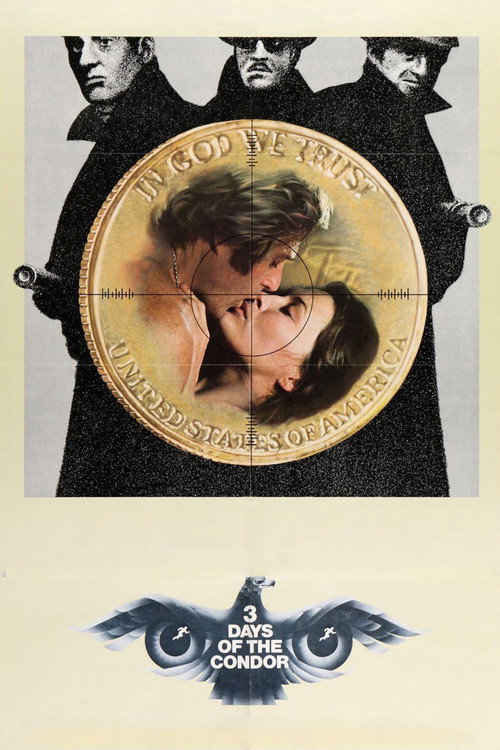
Three Days of the Condor1975
Robert Redford as a hunted analyst caught between agencies. Like Scorpio, it's a lean '70s thriller about trust dissolving and nowhere safe—the paranoia feels lived-in rather than manufactured.
But The plot has some slack in the middle act, and the political subtext won't surprise anyone versed in Cold War cinema.
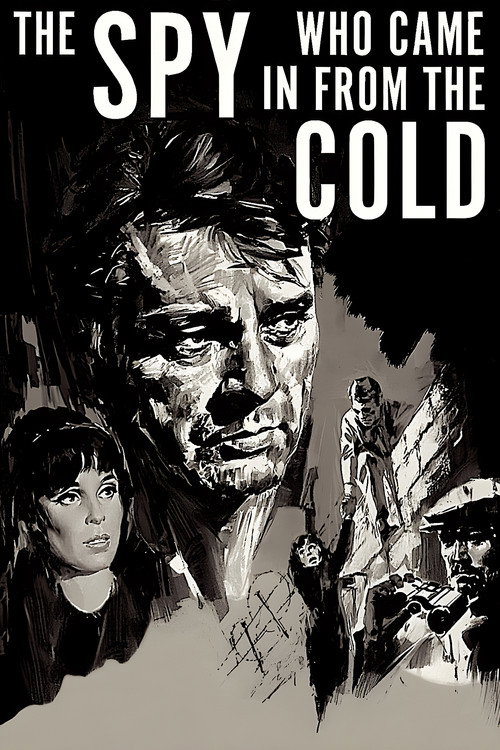
The Spy Who Came In from the Cold1965
Le Carré's bleak masterpiece: espionage as exhausting, morally corrosive work with no heroes, only damaged people following orders. Scorpio shares its refusal to glamorize the profession.
But It's deliberate and grey, almost austere. If you want excitement, this will feel like watching paint dry in East Berlin.
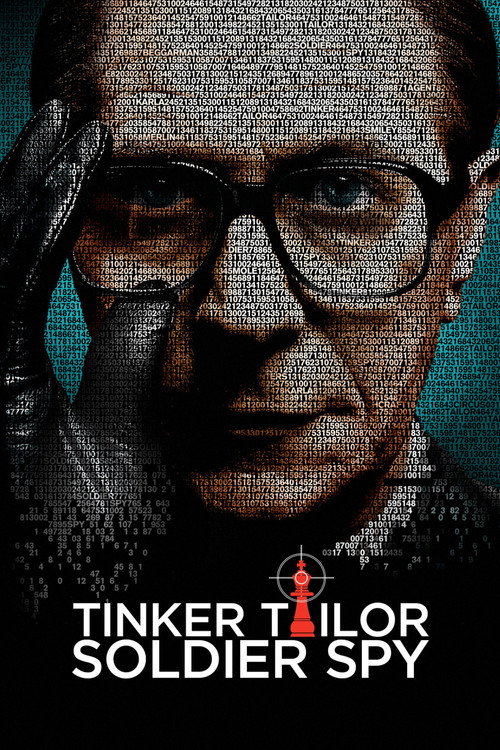
Tinker Tailor Soldier Spy2011
Gary Oldman hunts a mole in the Cold War establishment with the same quiet intensity Burt Lancaster brings to Scorpio. Both films trust you to follow moral ambiguity without signposting.
But Glacially paced and genuinely difficult to parse on first viewing. The plot witholds information in ways that frustrate as often as they intrigue.
Not sure tonight? Get a pick in a minute, starting from Scorpio
The wildcard
Something you would not have found on your own.
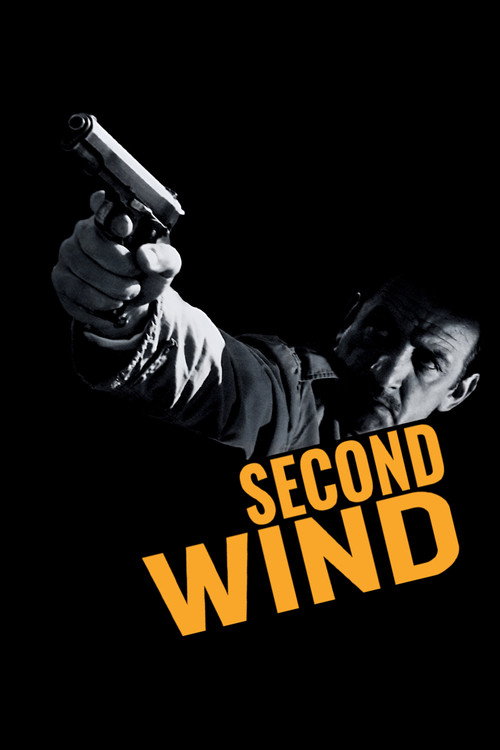
Le Deuxième Souffle1966
Melville directed the DNA that flows through Scorpio's veins; Delon learned his craft playing the pursued in films like this before Scorpio cast him as the pursuer turned pursued.
Melville's masterpiece about a career criminal and a cop circling each other. It's Scorpio's emotional and structural ancestor—the template for stylish, morally neutral cat-and-mouse between professional adversaries. Alain Delon appears here too, in the role that taught him how to be hunted.
But It's a French crime film from 1966, which means subtitles, a slow burn, and a tone so cool it borders on detachment. Some find that indifference to character motive alienating.
More like this (8)
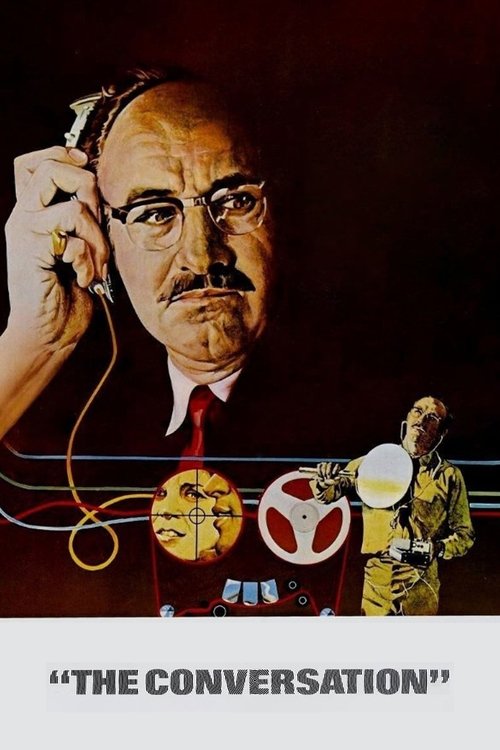
The Conversation1974
Coppola's paranoia masterpiece about surveillance and complicity. It shares Scorpio's DNA: intimate scale, a protagonist's slow realization that obedience may destroy him, and the Cold War's moral quicksand.
But Gene Hackman's nervousness works for the material, but his performance can read as mannered. The ending divides viewers sharply.
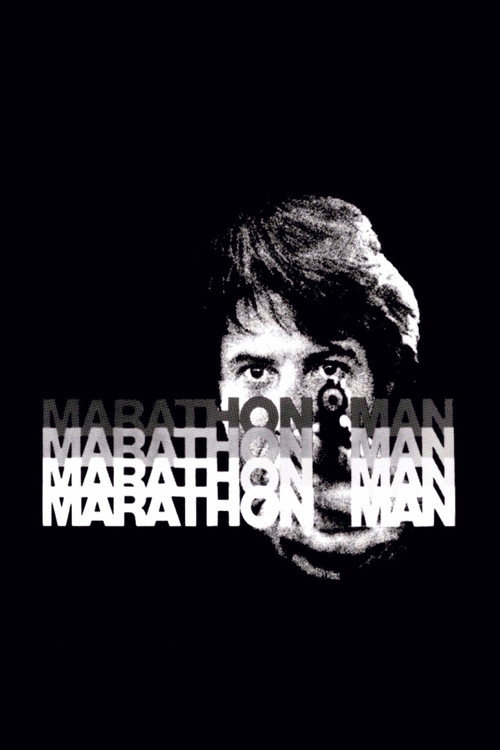
Marathon Man1976
Another '70s thriller about being pursued by a superior force. Laurence Olivier and Dustin Hoffman's cat-and-mouse has more visceral intensity than Scorpio, but the same sense of impossible odds.
But The torture sequence is genuinely upsetting and plays as exploitative to some. The plot's logic occasionally strains under scrutiny.
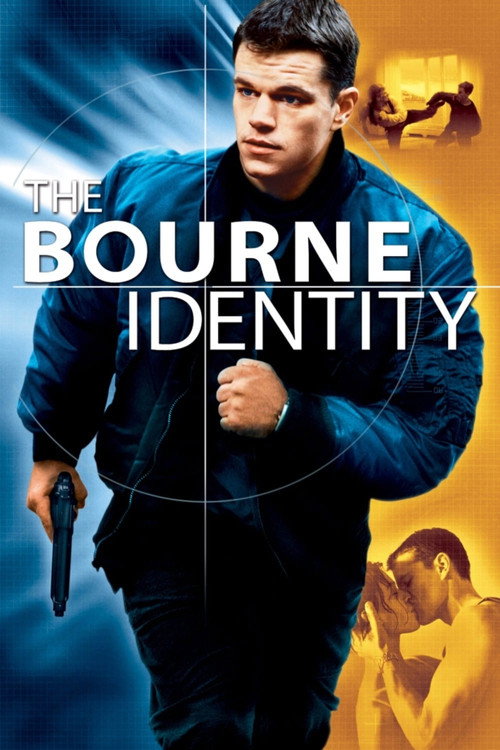
The Bourne Identity2002
Matt Damon as an operative erased and hunted by his own agency. It updates Scorpio's template with kinetic action, but the bones are identical: betrayal, survival, and nowhere to defect.
But The shaky-cam fight choreography feels dated now, and it spawned a dozen inferior imitators that overshadow the original.
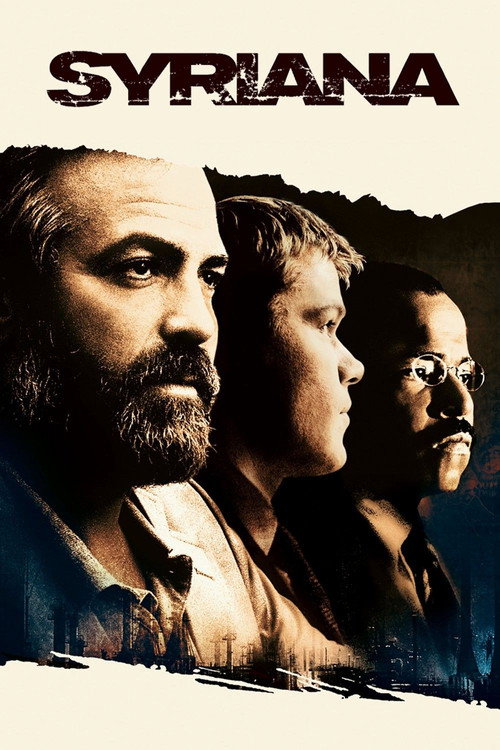
Syriana2005
George Clooney in an intricate geopolitical thriller about oil, CIA betrayal, and men caught between loyalty and survival. Scorpio's paranoia amplified across a global canvas.
But The overlapping narratives confuse many viewers, and the tone lurches between thriller and political essay. It requires active attention.
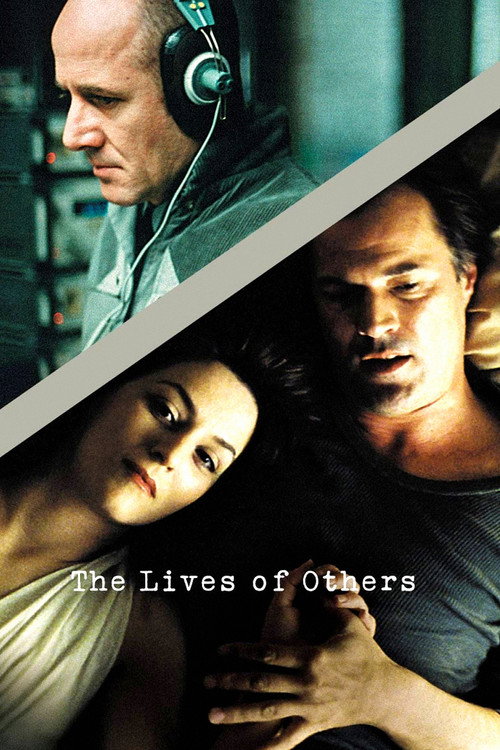
The Lives of Others2006
A Stasi agent monitoring a playwright becomes complicit in his own moral collapse. Like Scorpio, it's about obedience eating away at the person who practices it, with a denouement that lingers.
But It's heavy with symbolism and occasionally didactic about totalitarianism. The pacing is deliberate to the point of stillness.
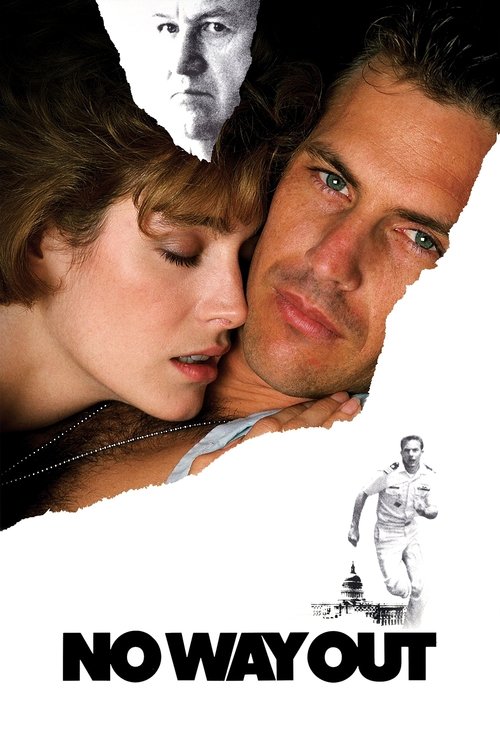
No Way Out1987
Kevin Costner and Gene Hackman in a Cold War cat-and-mouse with a genuinely clever twist. It has Scorpio's moral quicksand but wraps it in a more propulsive, entertaining package.
But The twist feels a bit gimmicky on reflection, and the Cold War setup is already dated-feeling despite the period setting.
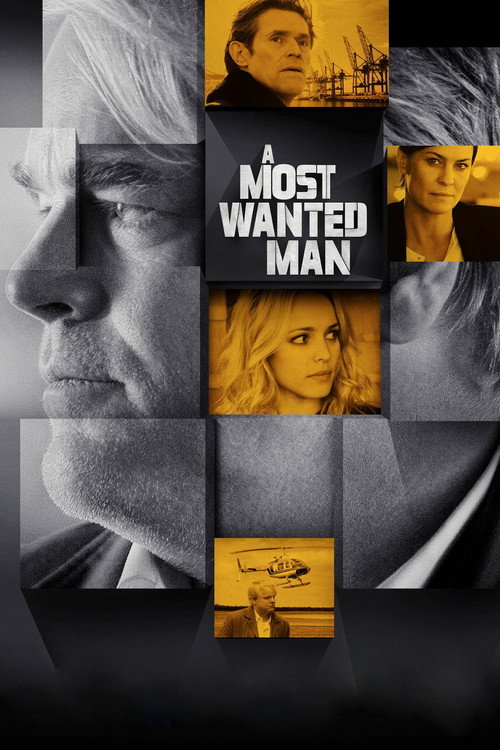
A Most Wanted Man2014
Both are about the machinery of espionage grinding human beings into instruments, with no redemption available. Scorpio is the predecessor; this is its haunted echo in a different era.
Le Carré again, this time adapted with Gary Oldman and Tom Hardy. A Chechen refugee becomes a pawn in a game between intelligence agencies. It's Scorpio's existential dread—obedience and loyalty reveal themselves as illusions—but set in a post-9/11 world where the moral ground has shifted entirely.
But It's one of the last films Philip Seymour Hoffman appeared in, and his illness shows. The ending is brutal and offers no catharsis or resolution.
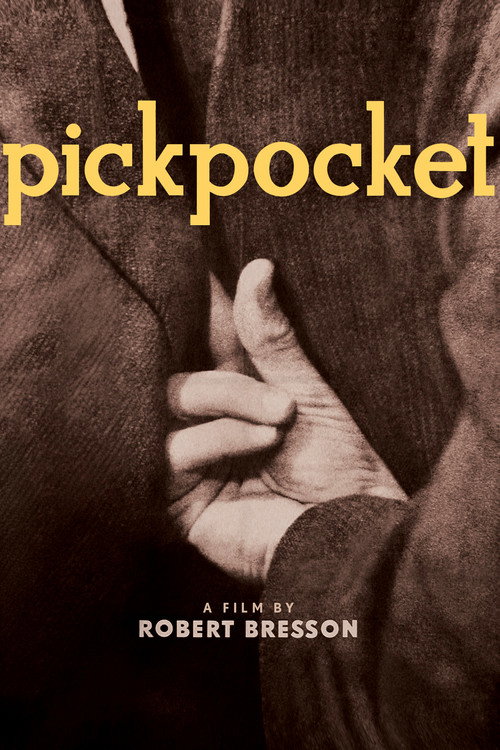
Pickpocket1959
Both are about men trapped in systems of compulsion they cannot articulate or escape. Scorpio operates in the world of Cold War espionage; Pickpocket operates in the realm of criminal pathology and grace. The machinery is different; the paralysis is identical.
Bresson's almost supernatural study of a man compelled by forces he doesn't understand to commit theft, then apprehended and undone. It's not a spy film, but it shares Scorpio's obsession: why do capable people obey orders that destroy them? The answer Bresson suggests—and Scorpio implies—is that obedience itself is the addiction.
But Bresson makes cinema that requires you to sit with ambiguity and spiritual emptiness for 75 minutes. It's austere to the point of severity, and the 'plot' is almost invisible.
People
Cast
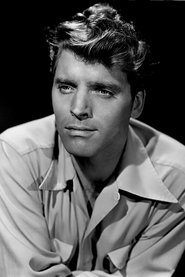 Burt LancasterCross
 Alain DelonJean 'Scorpio' Laurier
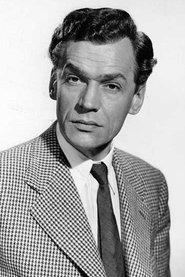 Paul ScofieldSergei Zharkov
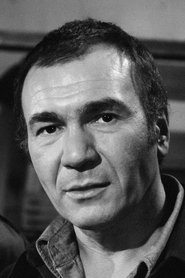 John ColicosMcLeod
 Gayle HunnicuttSusan
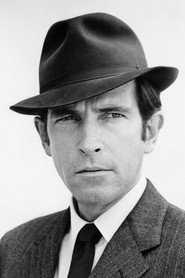 J.D. CannonFilchock
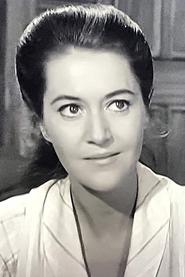 Joanne LinvilleSarah Cross
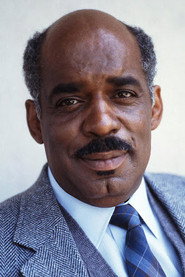 Mel StewartPick
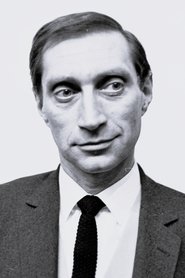 Vladek SheybalZemetkin
 Mary MaudeAnne Laurier
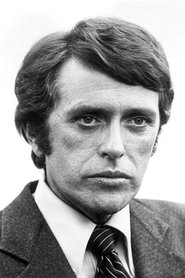 Jack ColvinPaul Milne
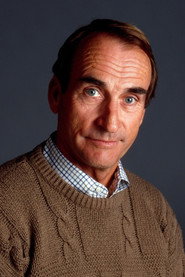 James B. SikkingHarris
Directing
- Joseph M. EllisAssistant Director
- Malcolm StampAssistant Director
- Michael DryhurstAssistant Director
- Wolfgang GlattesAssistant Director
- Pamela CarltonContinuity
- Michael WinnerDirector
Writing
- David W. RintelsScreenplay
- Gerald WilsonScreenplay
- David W. RintelsStory
Production
- Sue WallAssistant Accountant
- G. B. WalkerCasting
- Lynn StalmasterCasting
- Robert SimmondsLocation Manager
- Walter MirischProducer
- Ralph M. LeoProduction Accountant
- David SilverProduction Manager
- James CrawfordProduction Manager
- Laci von RonayProduction Manager