
Film
Innocent Bystanders
A scrappy 1972 spy thriller where a desperate, fading intelligence agent chases a defecting Russian scientist across Europe in a maze of betrayal and bureaucratic contempt. It's grimy and impulsive—more concerned with mood and character than plot elegance. For anyone who loves the seedier side of Cold War cinema.
Should you watch it?
Watch it if you enjoy cold-war espionage that feels grubby and weary rather than glamorous, where the spy game is sordid bureaucracy and a shrug, much like the moodier entries of the Harry Palmer films.
Skip it if you want sleek set pieces and a clear sense of who is betraying whom, since the plotting turns murky and the film seems more interested in its bleak mood than in tidy explanations.
What it asks of you: It runs about under two hours and moves at a deliberate, unhurried pace, asking you to sit with long stretches of talk and hard-edged cynicism before the tension tightens.
Not sure? Find tonight's pick in a minute.
If you liked this
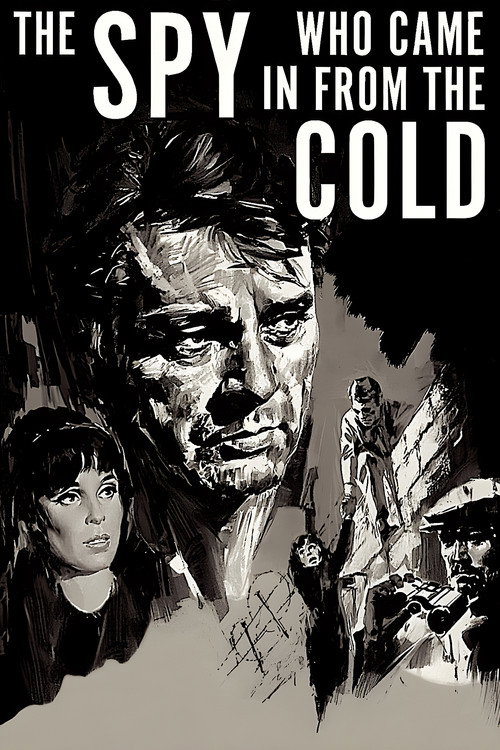
The Spy Who Came In from the Cold1965
A bleaker, more literary take on espionage that shares the same contempt for institutional loyalty and the disposable nature of fieldwork. John le Carré's adaptation has the same exhausted intelligence.
But Slower and far more cerebral than you might expect from a spy film—it's about moral rot, not action set pieces.
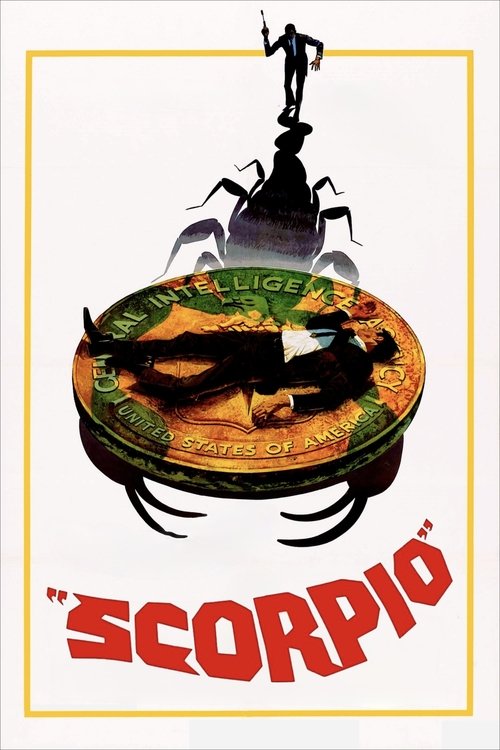
Scorpio1973
Released just a year later, this Burt Lancaster vehicle has the same paranoid energy and the same question at its core: when your own side turns on you, who do you trust? Similar mid-70s grittiness.
But The plotting can feel convoluted and the pacing stumbles in places. Some stretches feel like filler.
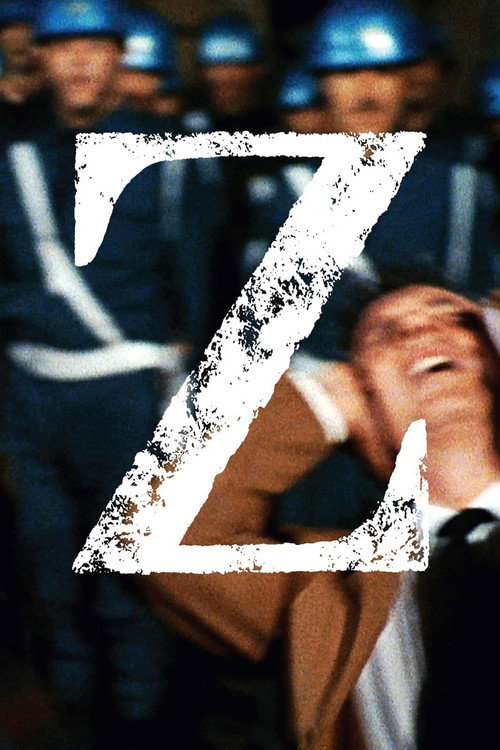
Z1969
Costa-Gavras's masterpiece about a political assassination and cover-up has the same galloping sense that the game is rigged from the start. Urgent, paranoid, superbly constructed.
But It's more overtly political polemic than thriller—some find the message-mongering heavy-handed.
Not sure tonight? Get a pick in a minute, starting from Innocent Bystanders
The wildcard
Something you would not have found on your own.
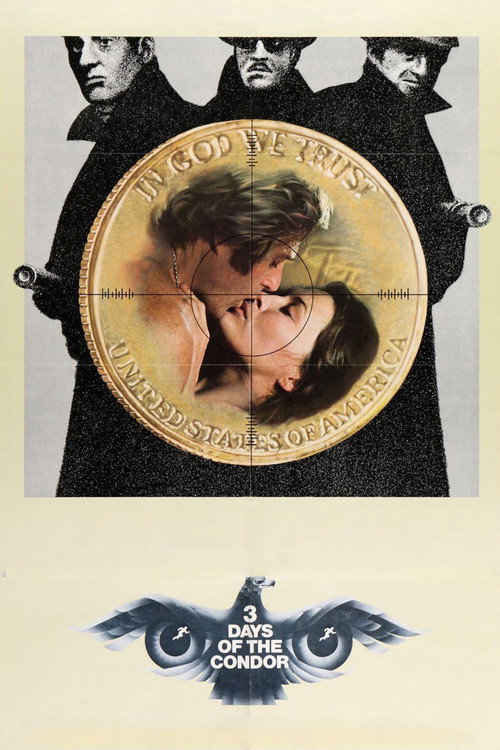
Three Days of the Condor1975
Both pivot on a protagonist abandoned by their own side and forced to think operationally about survival rather than ideology. Both are about what happens when the machinery decides you're expendable.
Robert Redford as an ordinary CIA analyst who stumbles into a conspiracy and must survive on the streets. It has Innocent Bystanders' DNA—the ordinary man pitched into extraordinary danger, institutional paranoia, and the same mood of grubby realism masquerading as glamour.
But Despite Redford's star power, it's more contemplative than visceral, and the love story subplot feels out of place with the darker edges.
More like this (8)
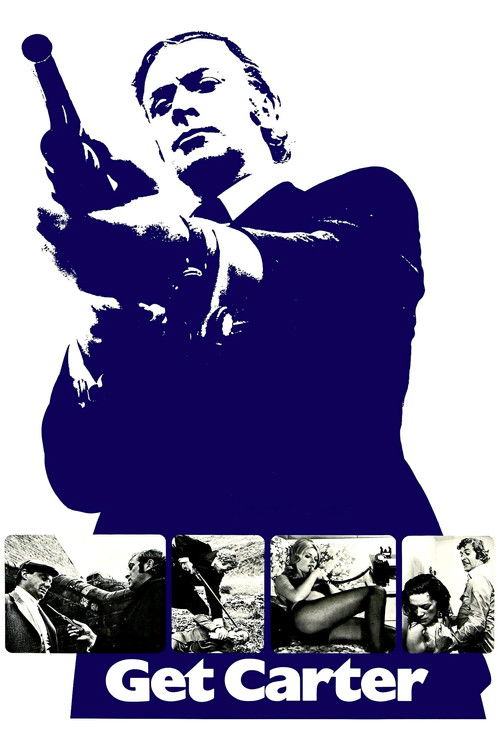
Get Carter1971
Another British thriller from the same era with the same amoral, unsentimental protagonist and the same willingness to let the hero be genuinely unheroic. Michael Caine's Newcastle is as cold as anything in Innocent Bystanders.
But Relentless brutality and a corrosive view of human nature—it's not trying to entertain you in the conventional sense.
The Killing1956
Kubrick's racetrack heist prototype has the same fractured, recursive storytelling and the same sense that everyone involved is fundamentally doomed. Less polished, more alive.
But The narrative technique can feel self-conscious now; some viewers find it distracting rather than inventive.

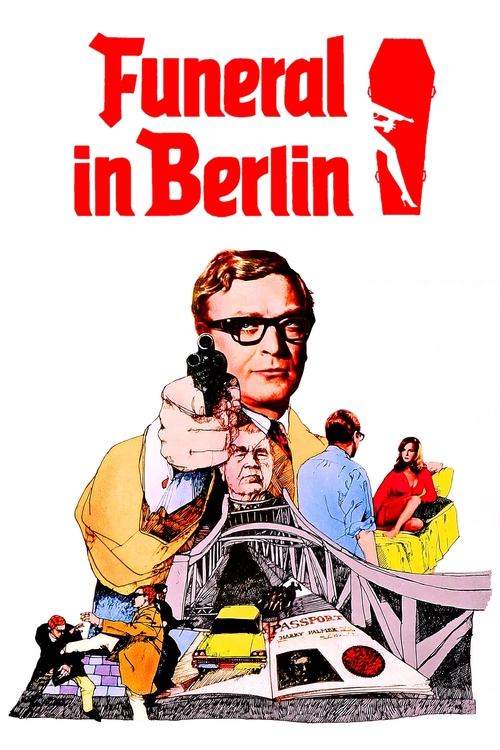
Funeral in Berlin1966
Michael Caine's second Deighton adaptation captures the same seedy, bureaucratic espionage world where nobody is quite what they seem and ideology is just cover for profit.
But It's a touch more frivolous than Innocent Bystanders—lighter on substance, heavier on style and gadgetry.
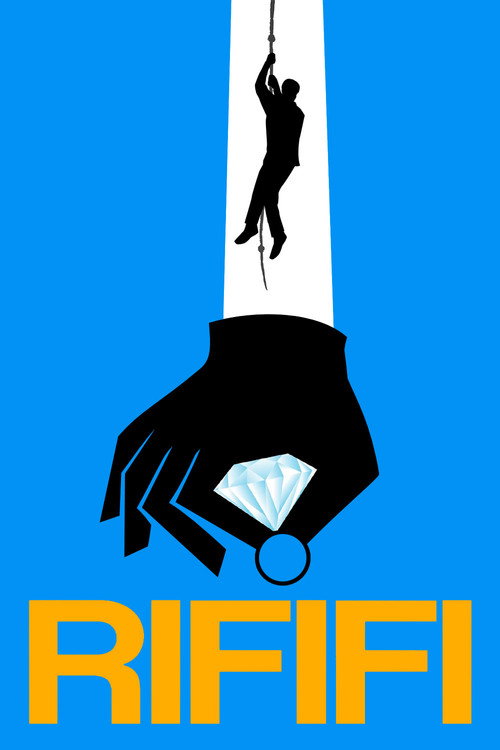
Rififi1955
Jules Dassin's heist noir has the same economical visual storytelling and the same unflinching view of professional criminals as compromised professionals. Stylish without showing off.
But The silent heist sequence, though brilliant, goes on longer than some patience allows. It's a cool-down moment in the middle when you might want momentum.
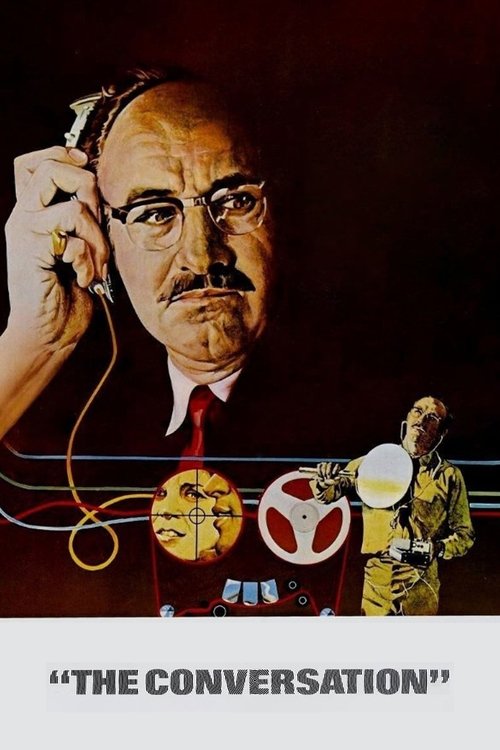
The Conversation1974
Coppola's paranoia masterpiece about surveillance and complicity asks similar questions about what you owe your employers and what you owe yourself. Gene Hackman as a man slowly unraveling.
But It's deliberately paced and inward-looking—if you're looking for thrills, you'll be disappointed by how quiet it becomes.
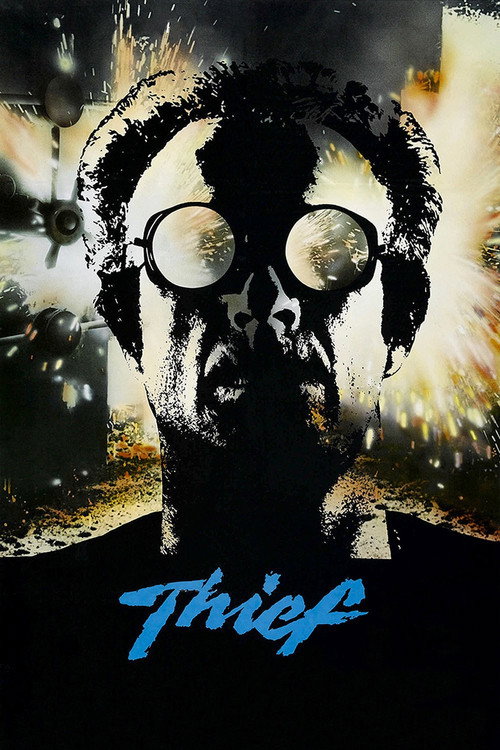
Thief1981
Michael Mann's jewel heist film has the same cold professionalism and the same exploration of a man discovering that loyalty to the job isn't reciprocated. Gorgeous and hard.
But James Caan is compelling but remote—some find him too closed off to really invest in emotionally.
Stalker1979
Both are about men pursuing a prize that recedes as they approach it, and both suggest that the real game is about the pursuit itself, not the goal. Both are hostile to easy answers.
Tarkovsky's three-hour meditation on desire, power, and the nature of pursuit. A man guides two passengers through a mysterious zone toward a room that grants wishes. It's about the journey into obsession—the same engine as a spy thriller, but stripped of plot and filled with philosophy and dread.
But Glacially paced, long takes, minimal dialogue, and no conventional drama. It's a test of patience; many find it impenetrable on first viewing.

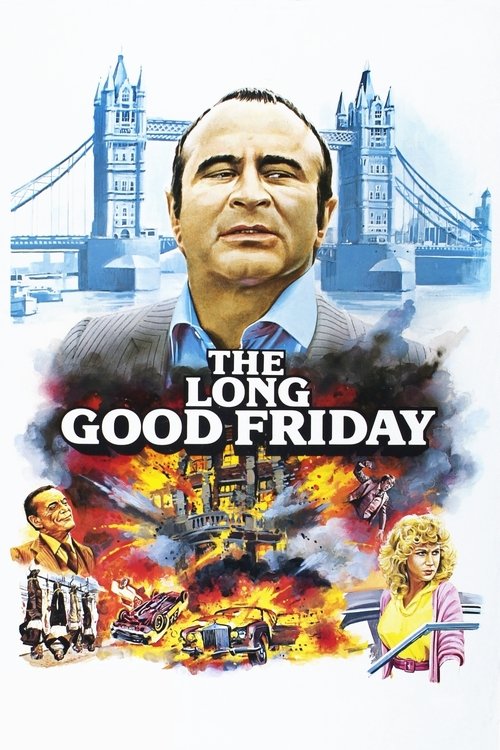
The Long Good Friday1980
Both are about men realizing that the world they thought they controlled has turned against them, and both suggest that in certain games, there is no winning move—only the choice of how you fall.
Bob Hoskins as a London gangster realizing over Easter weekend that someone has declared war on him. A masterclass in paranoia and performance—Hoskins alone carries the entire film through escalating betrayal. Raw, energetic, and uncomfortably intimate.
But The climactic scene is deliberately ambiguous and bleak in a way that leaves some viewers feeling cheated. You don't get resolution; you get dread.
People
Cast
 Stanley BakerJohn Craig
 Geraldine ChaplinMiriam Loman
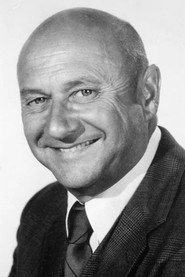 Donald PleasenceLoomis
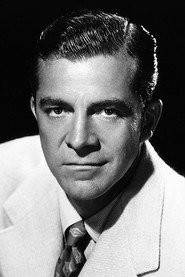 Dana AndrewsBlake
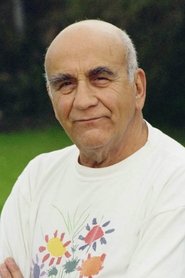 Warren MitchellOmar
 Sue LloydJoanna Benson
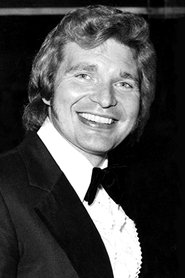 Derren NesbittAndrew Joyce
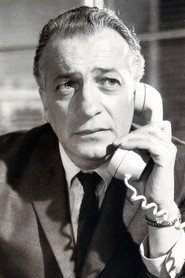 Cec LinderMankowitz
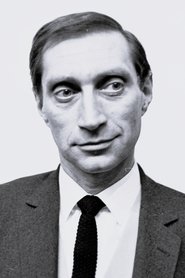 Vladek SheybalAaron Kaplan
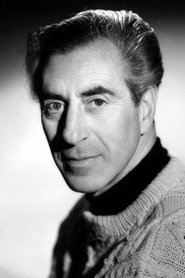 Ferdy MayneMarcus Kaplan
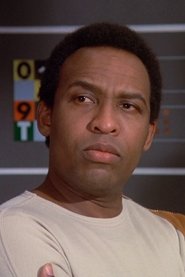 Clifton JonesHetherton
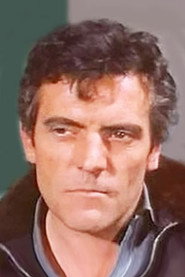 John CollinAsimov
Directing
- Clive ReedAssistant Director
- Peter CollinsonDirector
Writing
- James MitchellScreenplay
Production
- Weston Drury Jr.Casting
- George H. BrownProducer
- Denis JohnsonProduction Supervisor