
Film
Countdown to Looking Glass
- Political thriller
- Very dark
A 1984 TV movie that stages a fictional nuclear crisis between superpowers, told entirely through live news broadcasts as events spiral toward atomic exchange. It's a procedural thriller with real news anchors playing themselves, urgent and claustrophobic, made in the shadow of Cold War fear. For anyone fascinated by how institutions fail under pressure.
If you liked this
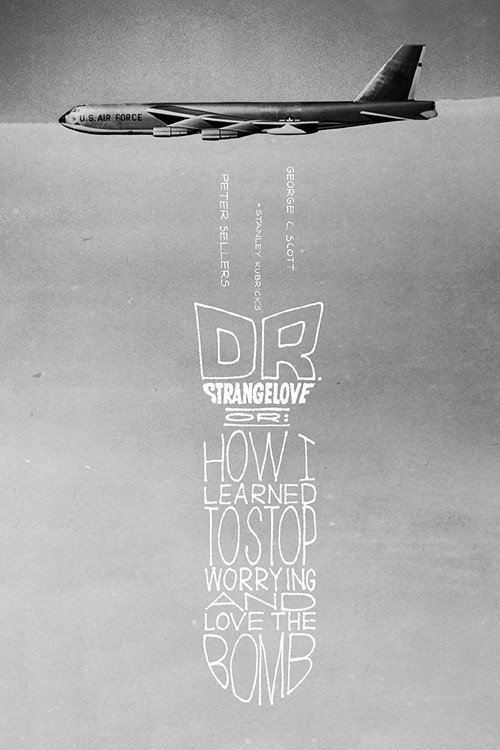
Dr. Strangelove or: How I Learned to Stop Worrying and Love the Bomb1964
Kubrick's savage masterpiece about nuclear annihilation told through military bunker chaos and dark absurdist comedy. The definitive film about how apocalypse actually happens: through procedure, miscommunication, and men in rooms.
But The comedy is pitch-black and glacial. If you want tension without laughs, this will frustrate you.
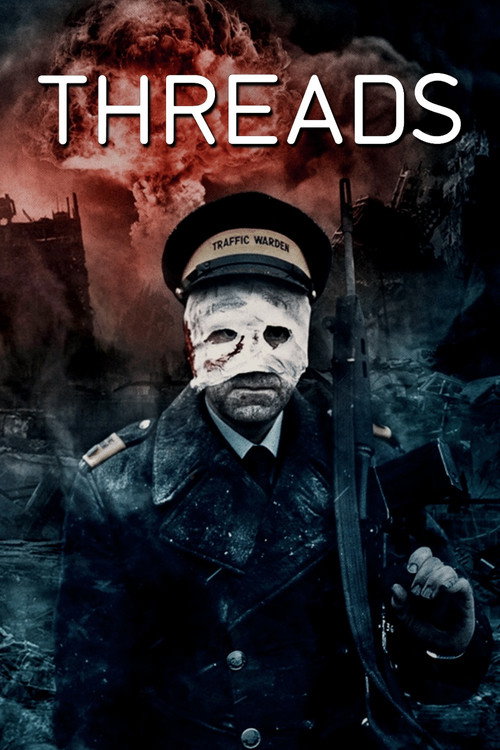
Threads1984
A British nuclear war film released the same year, brutally realistic about aftermath rather than the crisis itself. Documents the collapse of civilization with unflinching detail. Genuinely harrowing in ways that linger.
But It's relentlessly bleak and offers no catharsis. The last half-hour is almost unwatchable, which is the point.
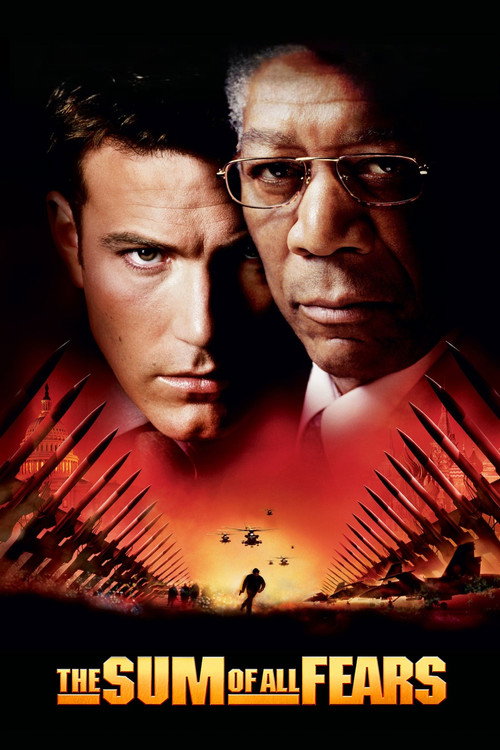
The Sum of All Fears2002
A techno-thriller about nuclear terrorism that escalates into superpower confrontation. Moves with propulsive speed and understands how miscommunication breeds catastrophe. Ben Affleck is surprisingly effective as the analyst caught in the machinery.
But It's more conventional thriller than procedural. The politics are tidier and less philosophically troubling.
Not sure tonight? Get a pick in a minute, starting from Countdown to Looking Glass
The wildcard
Something you would not have found on your own.
The Eleventh Hour1962
Both use real-time crisis narrative to explore how institutional decision-making breaks down under pressure. The Eleventh Hour invented the template; Countdown applies it to nuclear war specifically.
A neglected NBC series where each episode dramatizes a global crisis—nuclear standoff, plague, sabotage—as a real-time emergency. Procedural, urgent, and genuinely prescient about how modern catastrophe unfolds. Pure DNA of Countdown to Looking Glass.
But Only fragments survive. What exists is beautifully shot but sometimes slow, and the problems resolve too neatly.
More like this (8)
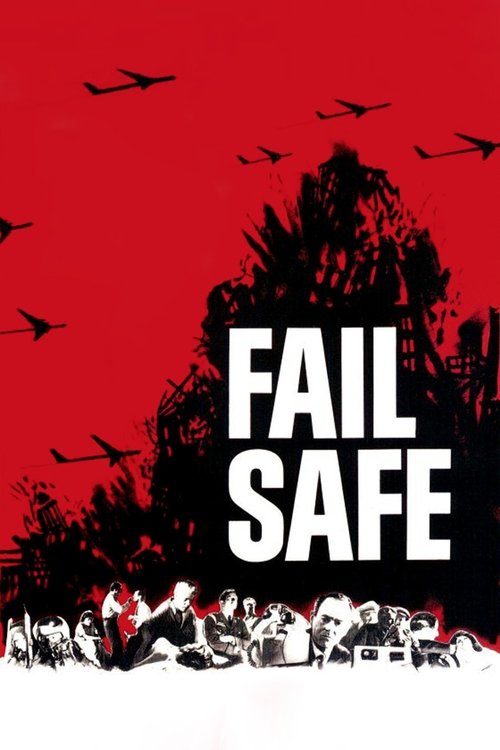
Fail Safe1964
A noir-toned nuclear thriller where an automated system fails and America must choose between cities. Tense, intelligent, and genuinely tragic. The inverse of Dr. Strangelove: comedy's cousin but far colder.
But The pacing is slow by modern standards. It trusts silence and builds dread rather than action beats.
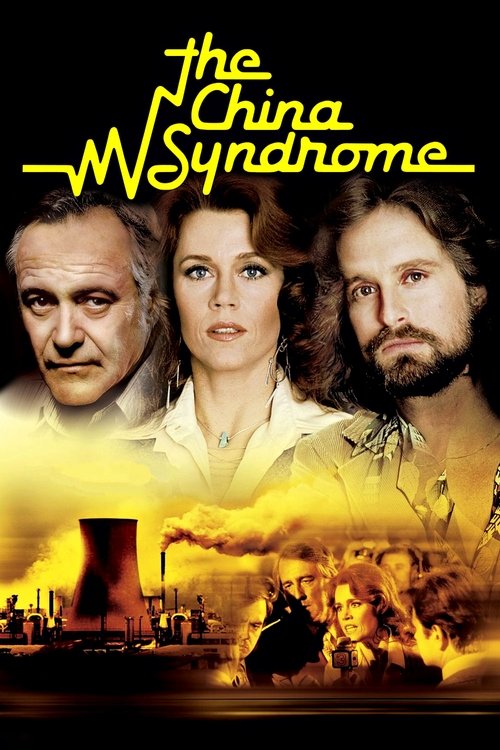
The China Syndrome1979
A procedural thriller about a near-meltdown at a nuclear plant, told through investigative journalism. Timely, smartly constructed, and Jane Fonda and Jack Lemmon are superb. About institutional deception and cover-up.
But It's domestic rather than geopolitical. If you want Cold War stakes specifically, this is too parochial.
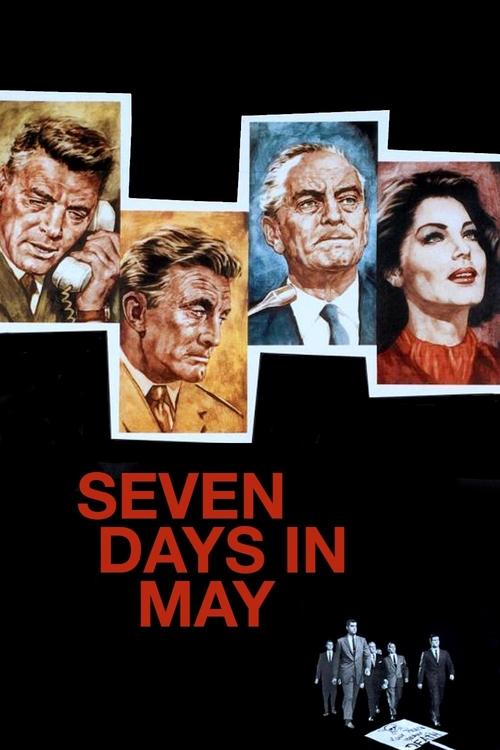
Seven Days in May1964
A coup thriller about a military general attempting to seize power during a nuclear crisis. Paranoid, well-plotted, and Kirk Douglas carries real weight. About how fragile civilian control actually is.
But The political philosophy is dated. It assumes institutions and honor matter more than they often do.
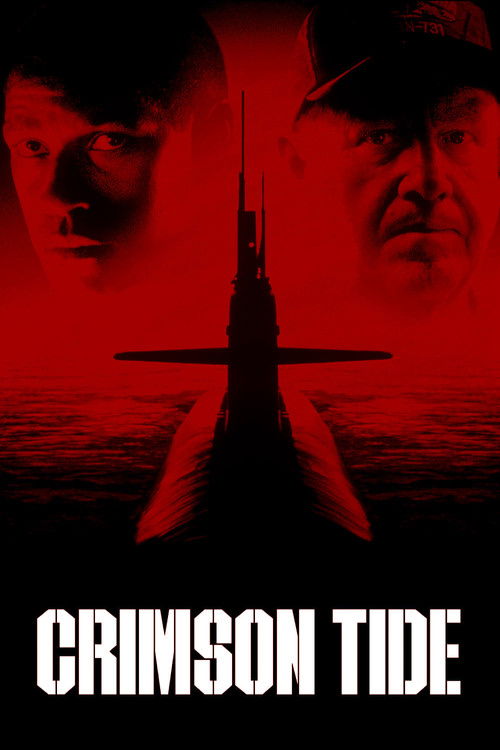
Crimson Tide1995
A submarine thriller where captain and first officer disagree about launch orders during a potential nuclear exchange. Tense cat-and-mouse in claustrophobic spaces, with real intellectual weight about duty versus conscience.
But The submarine procedural stuff can feel repetitive. Denzell Washington and Gene Hackman carry it, but the script has seams.
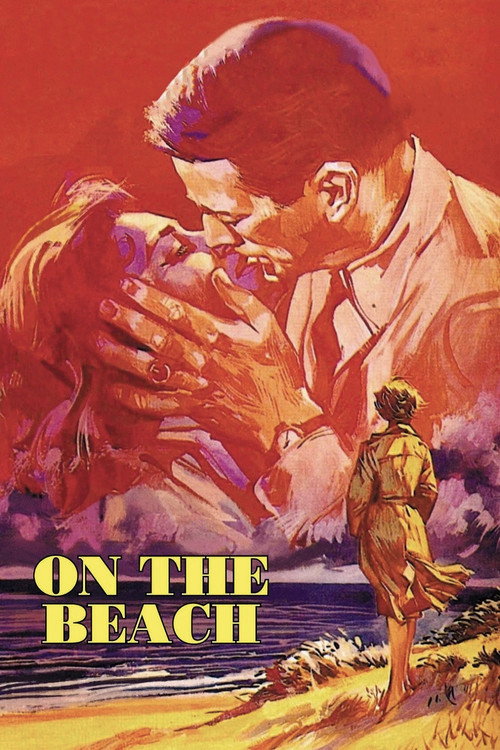
On the Beach1959
An end-of-world film where radiation drifts toward Australia after global nuclear war. Quiet, elegiac, focuses on how people face extinction rather than preventing it. Ava Gardner and Gregory Peck in a film about waiting to die.
But It's slow and melancholic. There's no action, no problem-solving—only acceptance of the inevitable.
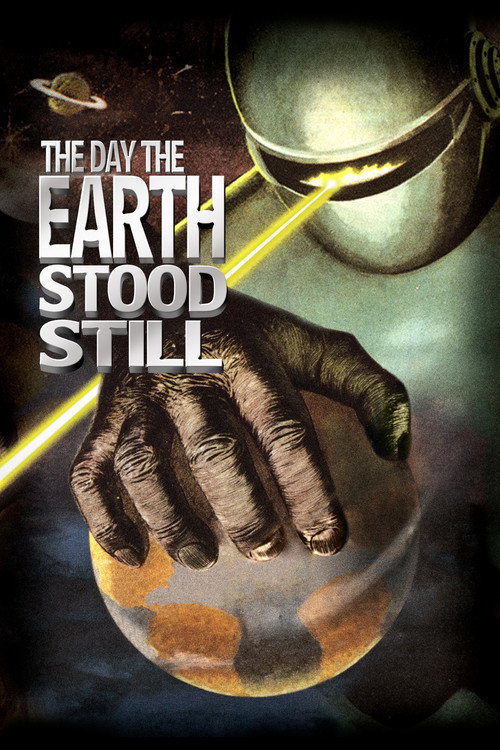
The Day the Earth Stood Still1951
An alien visits Earth with an ultimatum about nuclear weapons. It's sci-fi but functions as Cold War parable about what the rest of the world sees when superpowers threaten annihilation. Thoughtful and eerie.
But The acting is stiff by modern standards. It's more idea than character, which some find bloodless.
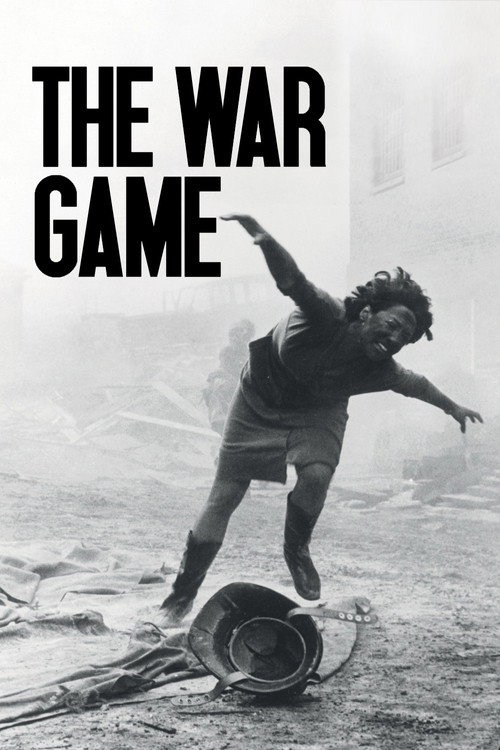
The War Game1966
Both use news broadcast format to collapse the distance between watching and experiencing catastrophe. But War Game is formal experiment while Countdown is narrative—opposite approaches to the same terror.
A banned British documentary that simulates nuclear attack on Kent with fake news footage and civil defence collapse. Technically a fake-doc, emotionally a horror film. So disturbing the BBC wouldn't air it for decades. Absolutely extraordinary.
But It's structured as documentary realism, which some find exploitative. The imagery of nuclear aftermath is genuinely nightmarish—not entertainment.
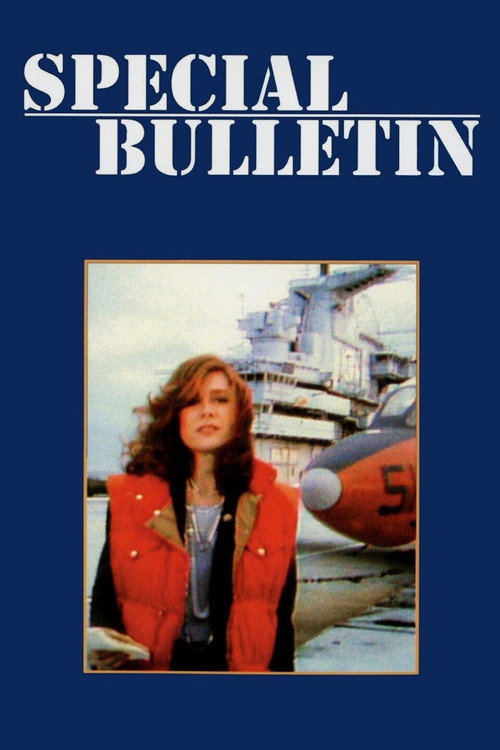
Special Bulletin1983
Both are 1980s TV movies using news broadcast structure to make nuclear crisis intimate and immediate. Special Bulletin is the missing sibling—slightly pulpier, more formally daring, made for the same audience at almost the same moment.
A TV movie told entirely as an interrupted news broadcast about a nuclear bomb in Charleston. Made for ABC and aired once then vanished. Tense, inventive, uses the news format as thriller constraint rather than realism device. Criminally obscure.
But It predates better special effects; some effects look cheap. The dialogue occasionally overdoes exposition for viewers unfamiliar with the format.
People
Cast
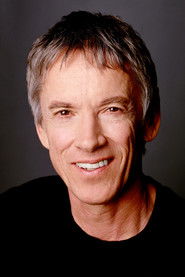 Scott GlennMichael Boyle
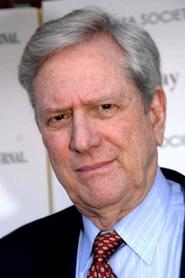 Michael MurphyBob Calhoun
 Helen ShaverDorian Waldorf
 Patrick WatsonDon Tobin
- Nancy DickersonSelf
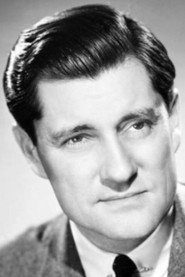 Eric SevareidSelf
- Matsu AndersonMatsu Yamada
- Barbara Barnes-HopkinsMrs. Langhorn
 Michael BeattieYouth #1
- Richard ComarPentagon Spokesman
- Murray CruchleyMurray Cruchley
- Faye DanceAnne Gailmore
Directing
- Fred BarzykDirector
Writing
- Albert RubenWriter
Production
- Liz RamosCasting
- W. Paterson FernsCo-Executive Producer
- Fred BarzykExecutive Producer
- David R. LoxtonProducer