
Film
Special Bulletin
A 1983 TV movie that interrupts its own broadcast with a fake newscast about nuclear terrorists in Charleston. It's a simmering thriller disguised as evening news—no music cues, no clear heroes, just the crawling dread of a situation spiraling beyond anyone's control. For viewers who love procedural tension and found-footage sensibilities before found-footage was a genre.
Should you watch it?
Watch it if you like tense hostage dramas where the pressure comes from talk, procedure and a newsroom full of people making hard calls against the clock.
Skip it if you need a fast, twisty nuclear thriller, since this is a deliberate, talky TV movie that makes you sit with its dread.
What it asks of you: At 103 minutes it builds slowly, keeping its eye on faces in rooms rather than on rushed set pieces, so settle in.
Not sure? Find tonight's pick in a minute.
If you liked this
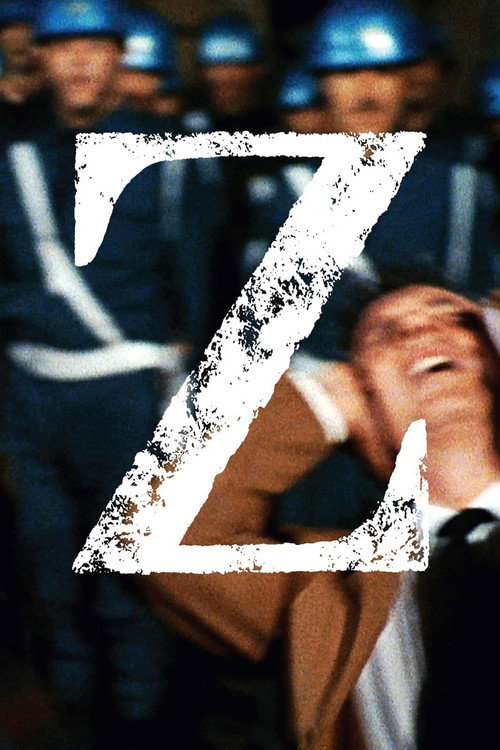
Z1969
A taut political thriller about a suspicious death that spirals into institutional corruption. Masterful editing creates unbearable momentum as the investigation uncovers a conspiracy implicating the highest levels of power.
But It's a 1969 French-Algerian film, subtitled, and the political specificity can feel dated if you're not anchored in the era.
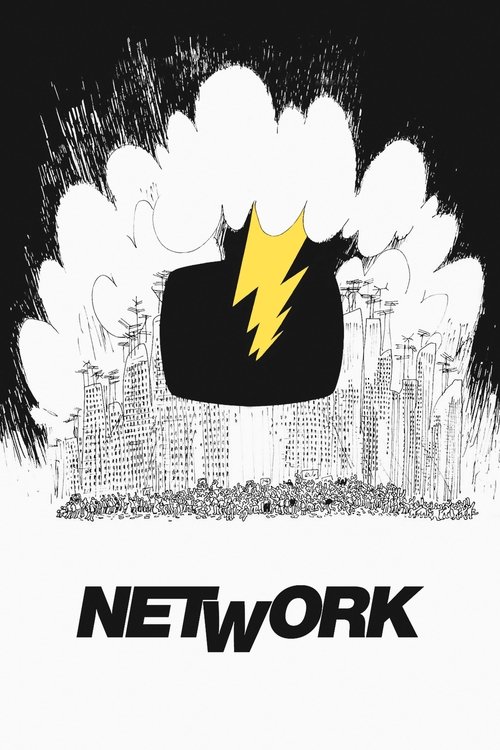
Network1976
A savage satire where TV news becomes the delivery system for chaos. It has the same 'watch the system fail in real time' energy, but asks whether the medium itself is the catastrophe.
But It's much broader and angrier—if you want intimacy and real dread, the comedy will pull you out.
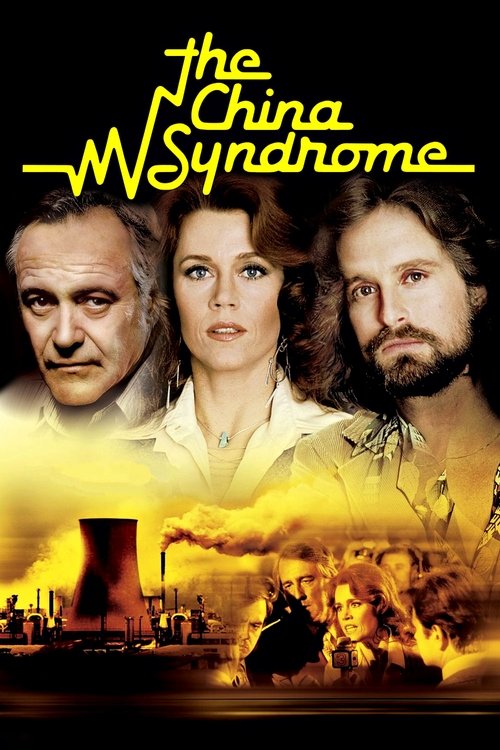
The China Syndrome1979
Nuclear plant whistleblowing thriller that trades newscast panic for on-the-ground investigation. Same year as Three Mile Island gives it uncomfortable relevance, and the cat-and-mouse game between truth and cover-up is electric.
But The middle section dips into standard thriller beats. It doesn't maintain Special Bulletin's formal pressure throughout.
Not sure tonight? Get a pick in a minute, starting from Special Bulletin
The wildcard
Something you would not have found on your own.
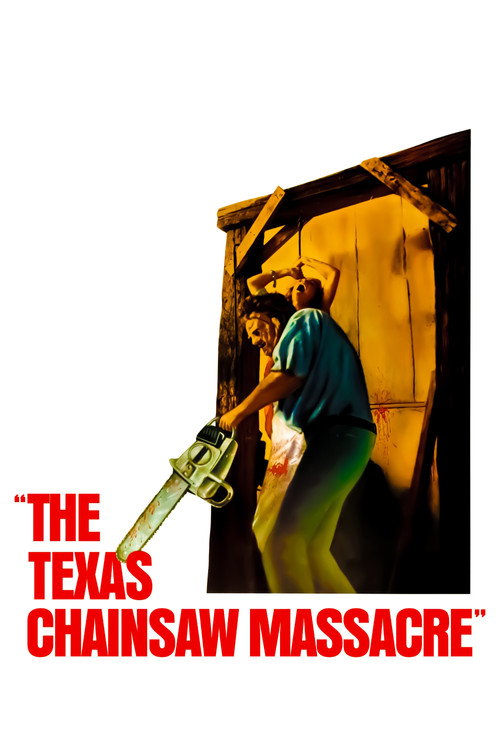
The Texas Chain Saw Massacre1974
Both use formal realism—newscast or documentary texture—to convince you that something terrible is actually happening. The medium is the persuasion.
The newscast framing and documentary-realist style—shaky, degraded, immediate—makes horror feel like found reality. It's essentially found-footage horror made in 1974, predating the internet, and that low-fi authenticity is what sells the dread.
But It's graphically violent and structured to traumatize. If you want intellectual thrills over visceral ones, this is the opposite direction.
More like this (8)
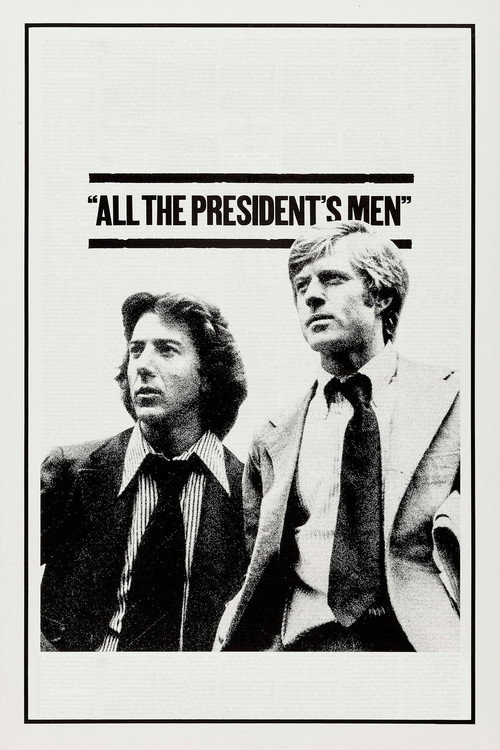
All the President's Men1976
Two journalists methodically uncover Watergate through phone calls, documents, and paranoia. The incremental dread of watching a conspiracy assemble in real time is exactly what makes Special Bulletin work.
But It's a procedural about process. If you want action or revelation, it moves at the pace of paperwork.
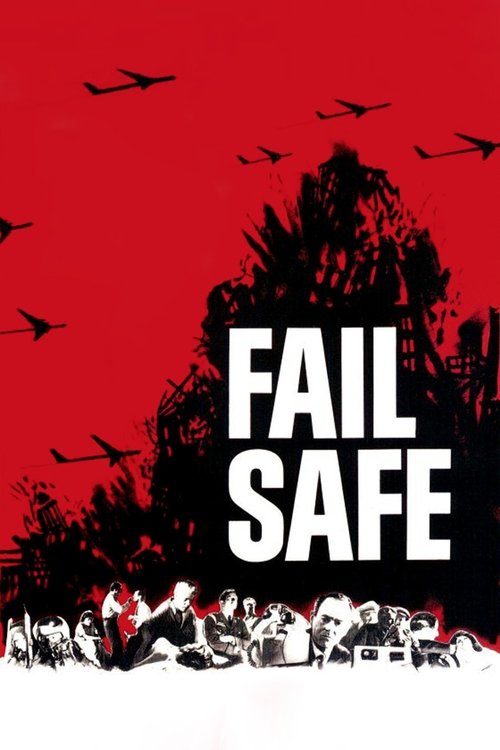
Fail Safe1964
A nuclear doomsday scenario where every failsafe mechanism works exactly as designed—and that's the problem. Black-and-white austerity makes the escalation feel inevitable and suffocating.
But It's glacial by design, and the ending is bleak to the point of nihilism. Some viewers find it more depressing than gripping.
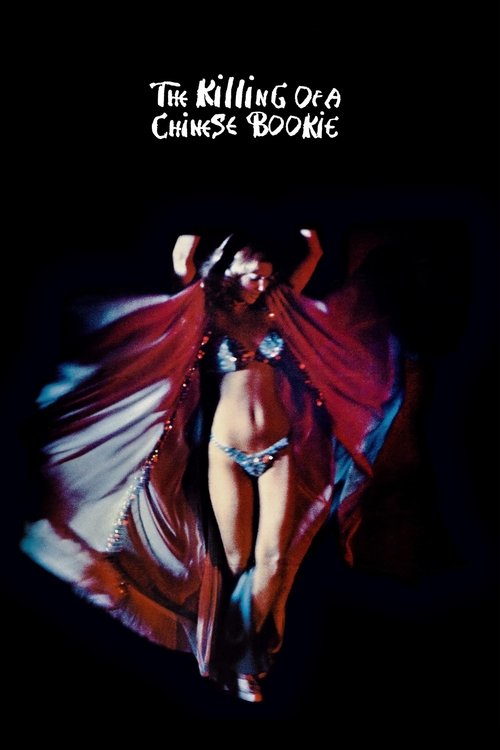
The Killing of a Chinese Bookie1976
Cassavetes's neon-lit thriller about a nightclub owner caught between criminals and his own desperation. The disorienting sound design and handheld chaos capture that same 'the world is closing in' feeling.
But It's deliberately chaotic and sometimes incoherent. If you need clarity and conventional narrative structure, this will frustrate you.
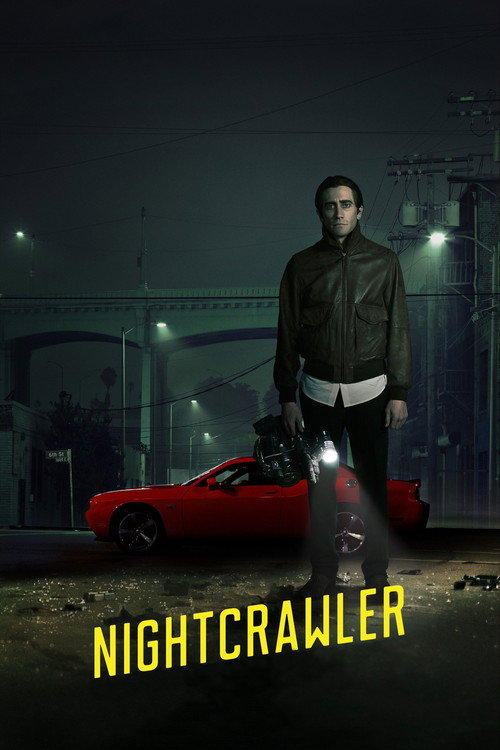
Nightcrawler2014
A predatory videographer exploits a news crisis for footage and profit. It has Special Bulletin's interest in how media manufactures or exploits urgency, but from the vulture's perspective.
But It's a character study of a sociopath, not a systems thriller. Much more interested in psychology than political mechanism.
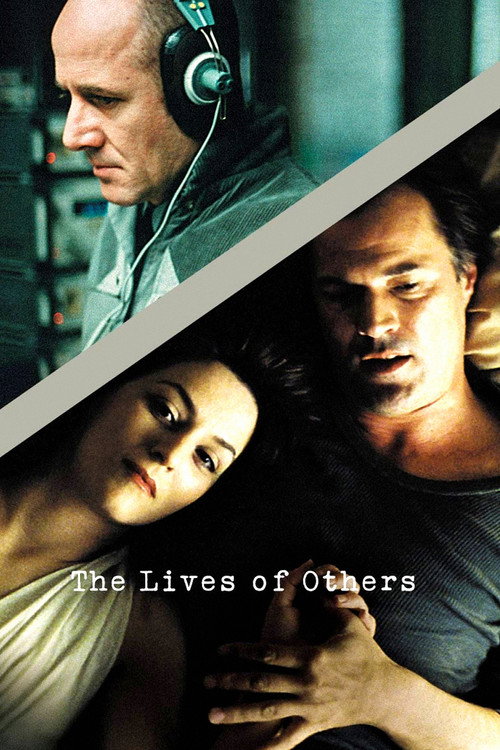
The Lives of Others2006
A Stasi surveillance expert becomes morally entangled by the people he's monitoring. The paranoia is intimate and crushing, and the bureaucratic machinery of repression feels as inescapable as a nuclear deadline.
But It's in German, and quite long. Also, the emotional arc might soften the political thriller in ways you didn't ask for.
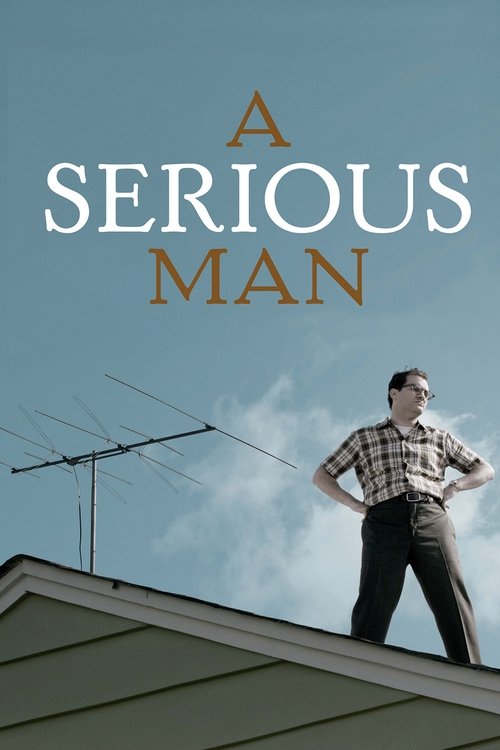
A Serious Man2009
Coen Brothers dark comedy where a man's world collapses one small humiliation at a time, and no one—not God, not institutions, not anyone—helps. It has that same dread of powerlessness.
But It's darkly funny when it could be tragic, and the meanness of the universe might just feel mean rather than illuminating.
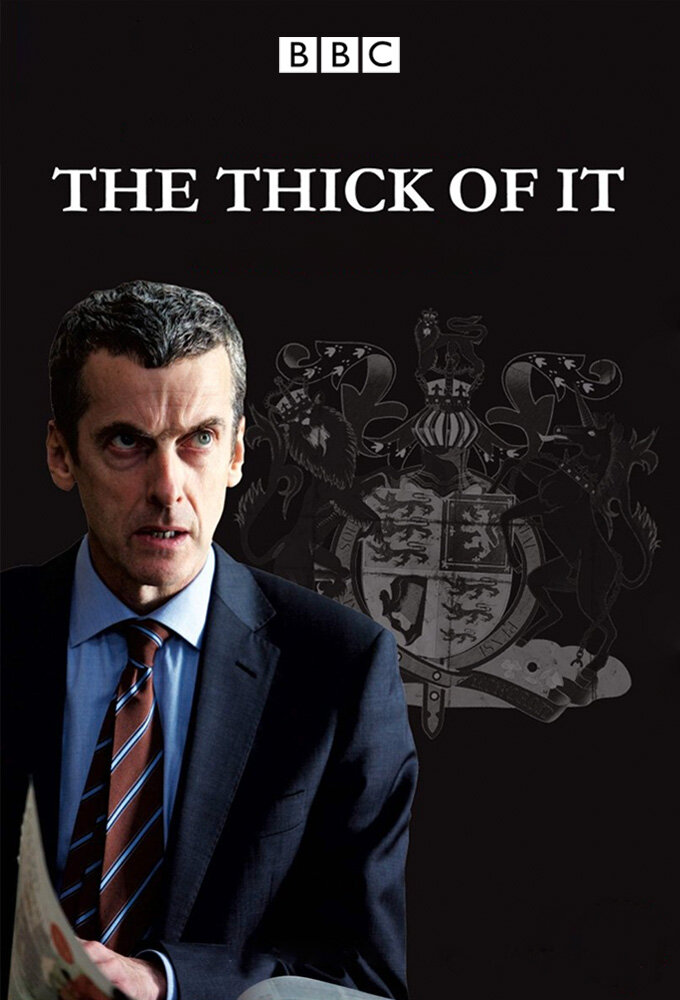
The Thick of It2005
Both are about watching institutions fail in real time. Special Bulletin is silent dread; this is screaming panic. Different registers, same engine.
A British political satire where crisis management and institutional chaos are the real plot. It uses rapid cutting, overlapping dialogue, and handheld camerawork to make bureaucratic panic feel as urgent as an action sequence.
But It's a comedy, and if you're coming for nuclear terrorism you might resent the laughs. Also, British politics and profanity—some find it shrill.
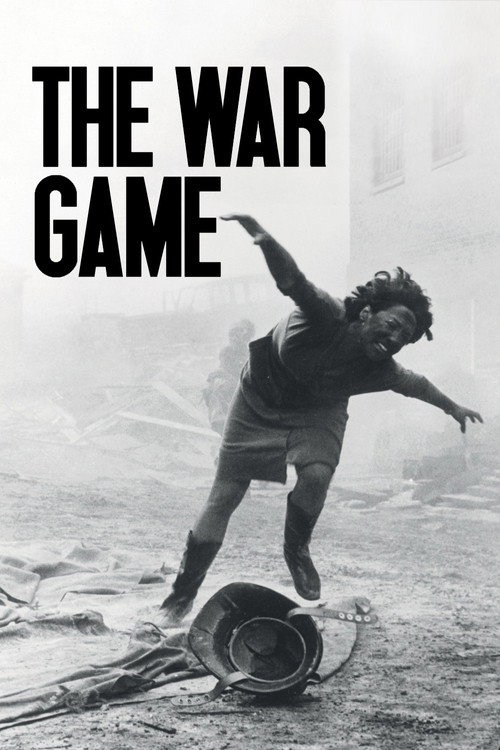
The War Game1966
Both use the authority of the newscast or documentary format to embed you in a nuclear catastrophe. But The War Game shows the aftermath; Special Bulletin shows the waiting. Both use form to collapse the distance between you and disaster.
A BBC mockumentary about nuclear war fallout in suburban England, shot as if it were an actual documentary. It's so convincingly horrifying that the BBC banned it for twenty years. The formal trick—making fiction look like reportage—is exactly what Special Bulletin does.
But It's unrelentingly grim and was suppressed for its psychological impact. Black-and-white 1960s British restraint is the opposite of reassurance, and some viewers find it genuinely traumatizing.
People
Cast
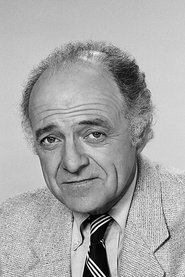 Ed FlandersJohn Woodley
 Kathryn WalkerSusan Myles
 Roxanne HartMegan Barclay
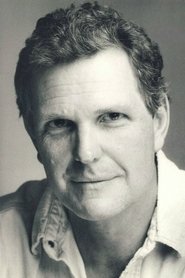 Christopher AllportSteven Levitt
 David ClennonBruce Lyman
 David RascheDavid McKeeson
 Rosalind CashFrieda Barton
 Ebbe Roe SmithJim Seaver
 Roberta MaxwellDiane Silverman
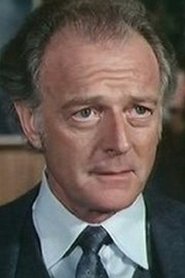 Bernard BehrensDr. Niels Johansson
Directing
- Edward ZwickDirector
- Robin J. SternScript Supervisor
Writing
- Edward ZwickStory
- Marshall HerskovitzStory
- Marshall HerskovitzTeleplay
Production
- Lynn D. BaltimoreAssociate Producer
- Mary GoldbergCasting
- David RubinCasting Associate
- Don OhlmeyerExecutive Producer
- Edward ZwickProducer
- Marshall HerskovitzProducer
- John W. RogersProduction Manager
Recommended by
Threads, The War Game, The Day Today, Countdown to Looking Glass