
Television series
The Eleventh Hour
- Medical drama
- Dip in and out
A pioneering psychiatric drama that follows doctors treating patients across hospitals, courts, and private practice. Early 1960s television's serious engagement with mental health as urgent, complex, and humanizing. For anyone drawn to character-driven medicine stories or curious about how drama tackled psychology before it became routine.
If you liked this
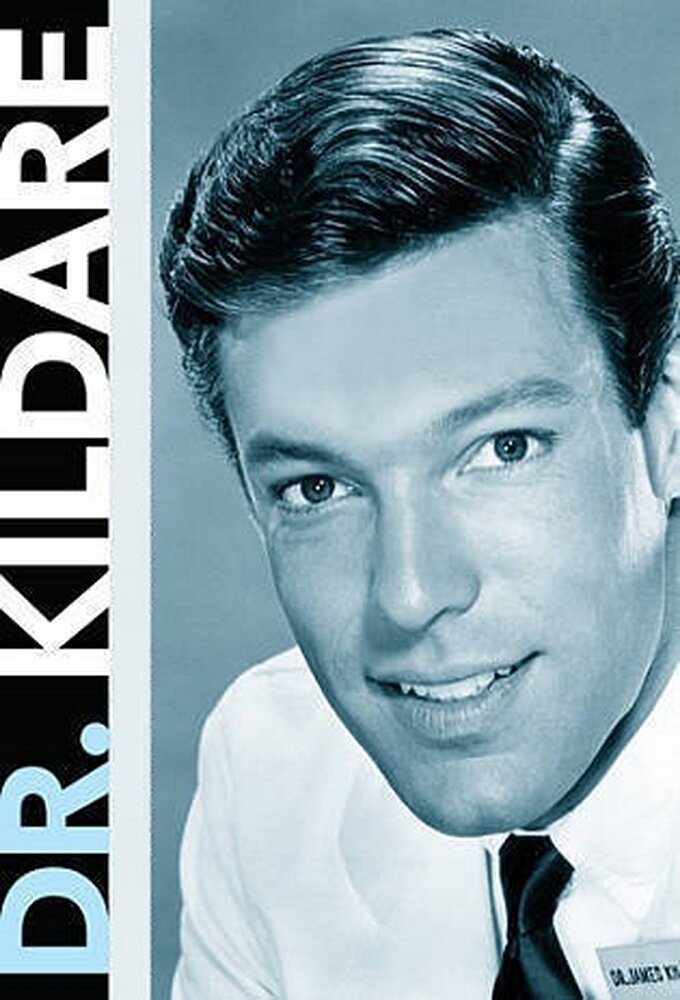
Dr. Kildare1961
The more famous NBC medical drama that inspired The Eleventh Hour's format. Follows a young doctor navigating cases, mentorship, and moral dilemmas with warmth and intelligence. Superb ensemble cast and genuinely moving episodes.
But Sixty-minute episodes demand patience; the pacing is deliberately unhurried compared to modern television. Some storylines feel dated in their social assumptions.
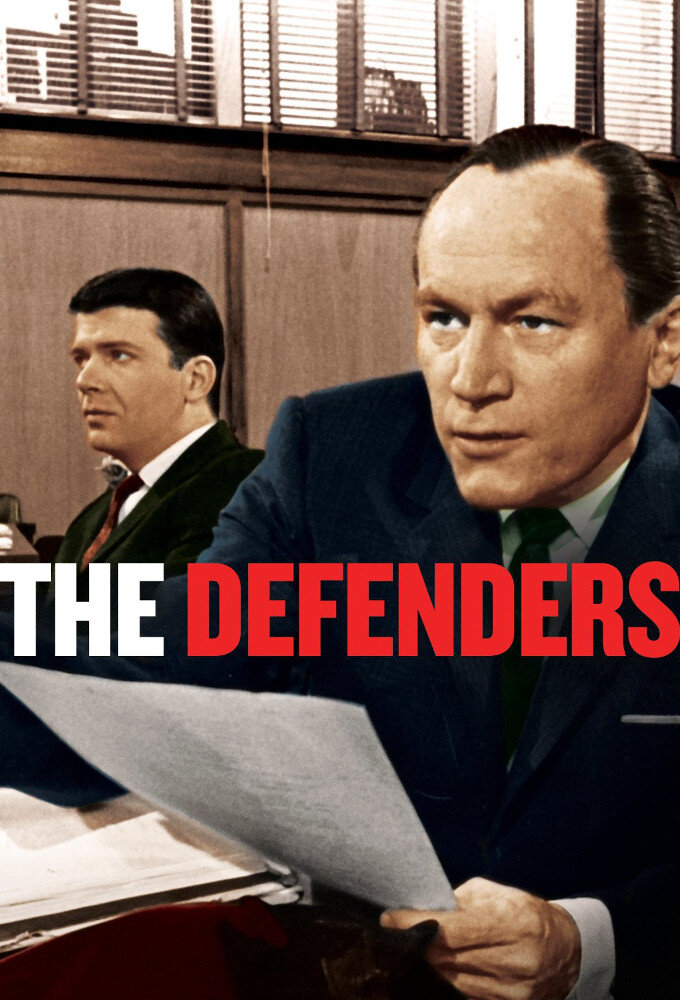
The Defenders1961
Courtroom drama with similar DNA: serious, character-focused, tackling social issues head-on. E.G. Marshall and Robert Reed as a father-and-son legal team facing cases that challenge their principles. Intelligent writing that respects the audience.
But Courtroom procedural rhythms won't grip you if you need mystery or plot propulsion. Very much a product of its era in tone and some of its arguments.
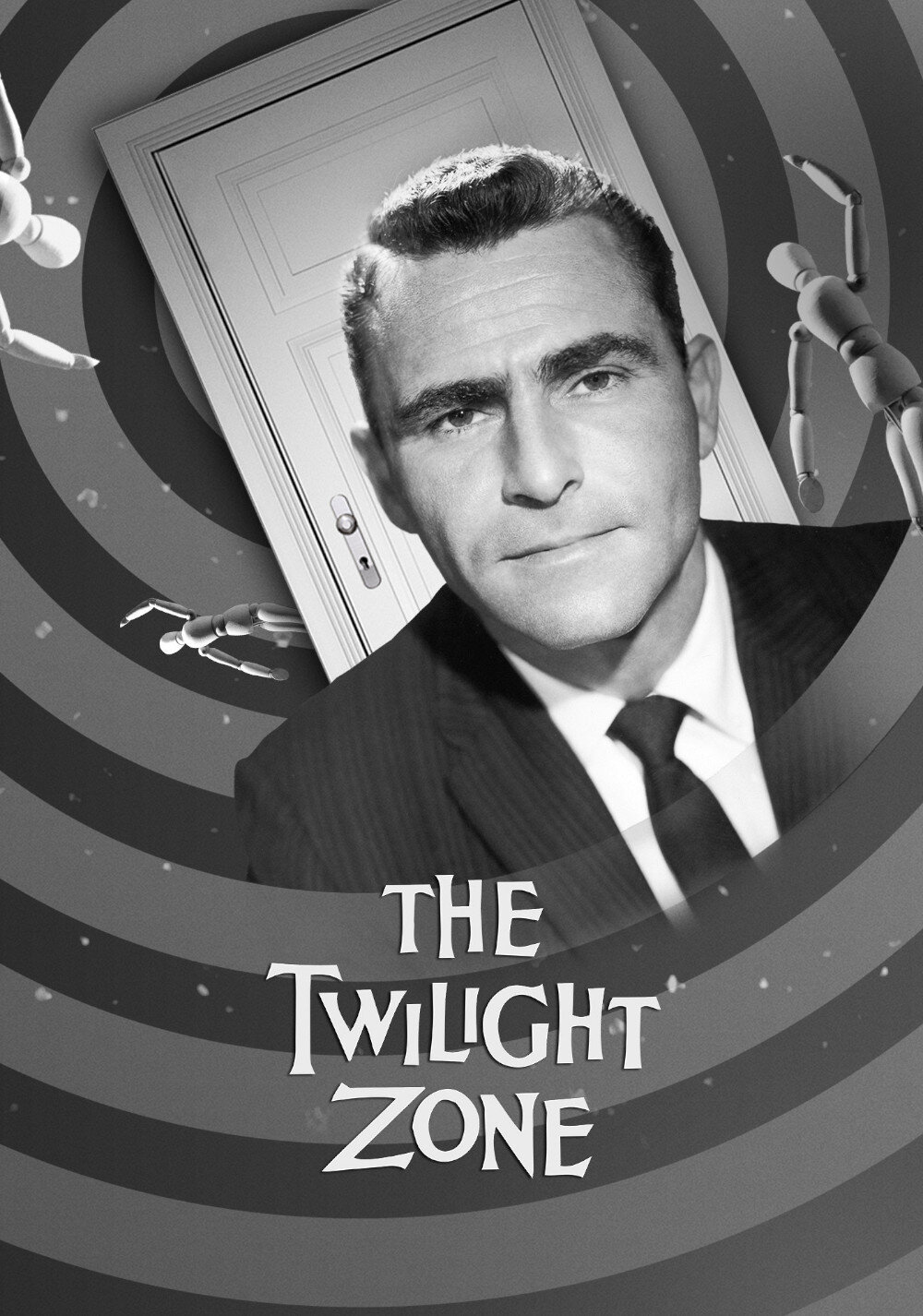
The Twilight Zone1959
Science fiction as vehicle for psychological and moral exploration. Rod Serling's narration and the show's willingness to interrogate human nature gives it kinship with Eleventh Hour's serious intent. Each episode is self-contained and brilliant.
But The fantastic premise means it's less grounded than psychiatric drama. Some episodes haven't aged as well as others; quality varies.
Not sure tonight? Get a pick in a minute, starting from The Eleventh Hour
The wildcard
Something you would not have found on your own.
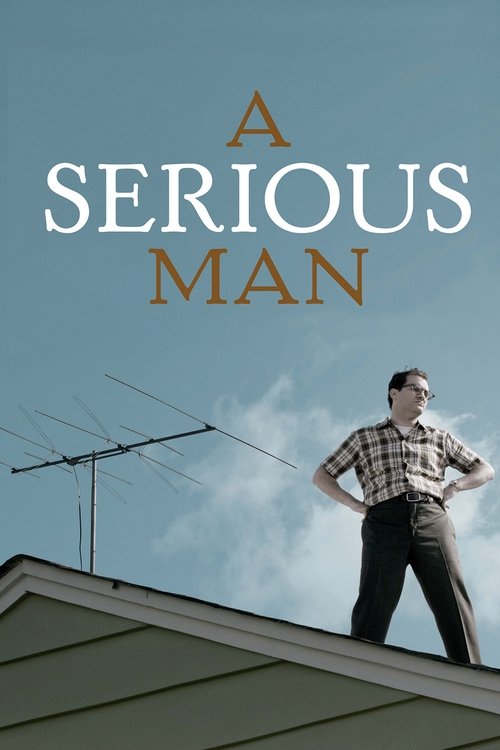
A Serious Man2009
Both use individual crisis as lens into larger questions about identity, sanity, and how we're supposed to know ourselves.
Coen Brothers' exploration of a man unraveling through psychological crisis, searching for meaning amid chaos. The film moves through his encounters with doctors and rabbis the way The Eleventh Hour moves through cases. Both are fundamentally about the impossibility of being certain about the self.
But Deliberately bleak and absurdist; no reassurance offered. Requires active interpretation and leaves questions unanswered.
More like this (8)
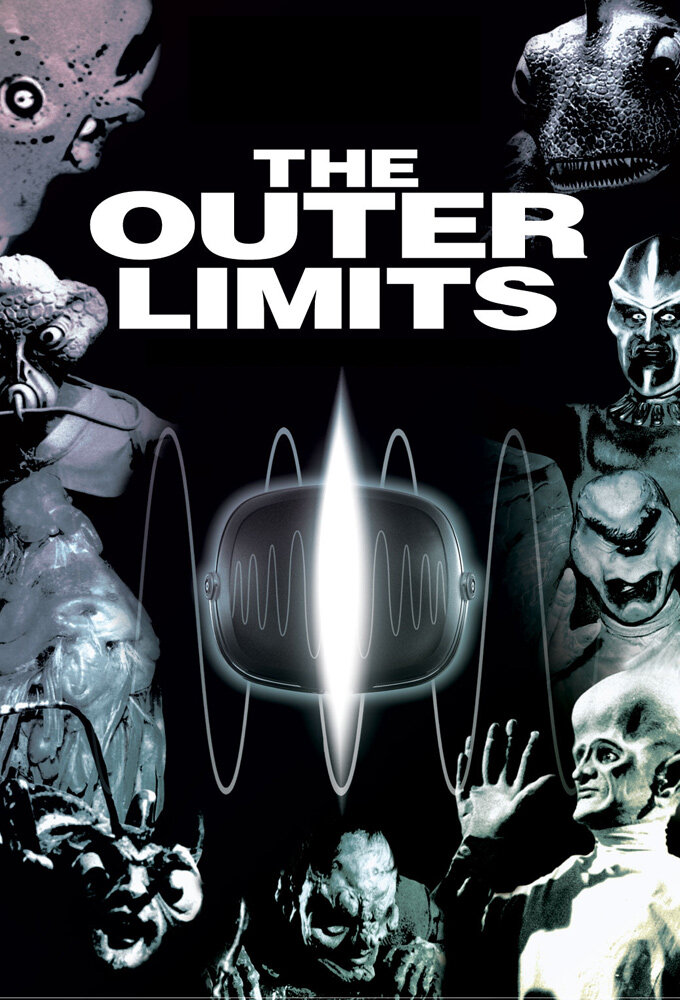
The Outer Limits1963
Another speculative drama exploring what it means to be human and sane. Thoughtful science fiction that often concerns itself with psychology and moral philosophy. Visually striking and conceptually ambitious.
But Sci-fi trappings will feel less immediate than clinical settings. Lower production values than you might expect; it shows its age technically.
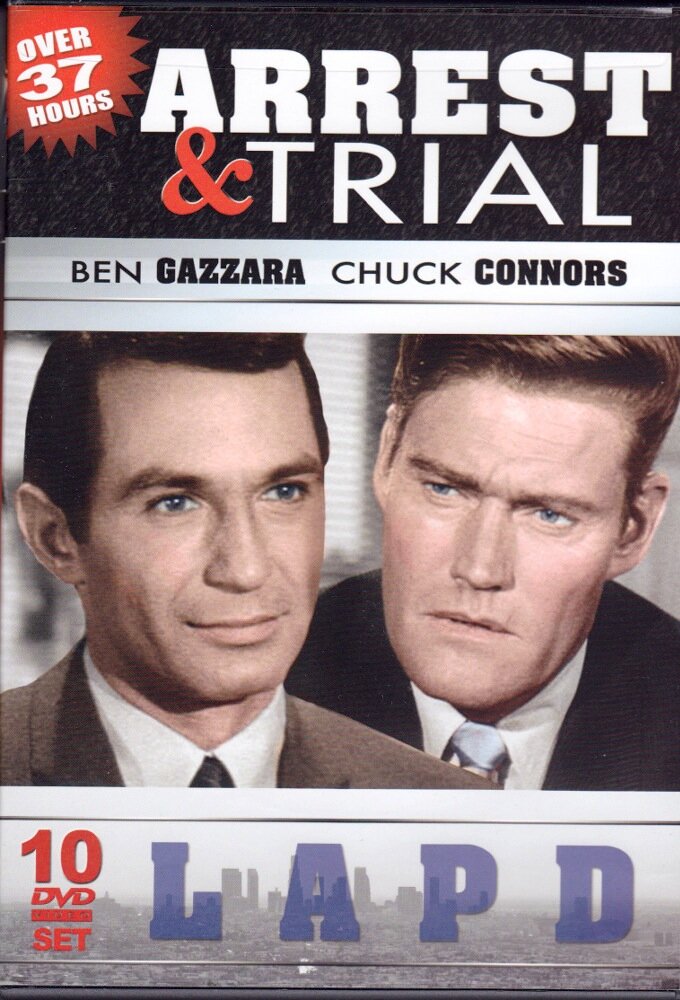
Arrest and Trial1963
Legal drama following a defense attorney through cases that often expose social fractures. Similarly serious tone to The Eleventh Hour, with strong writing and character work. Ben Gazzara is terrific.
But Structured around trials, which means it privileges procedure over the messier emotional truth. Episodic nature means stakes can feel reset each week.
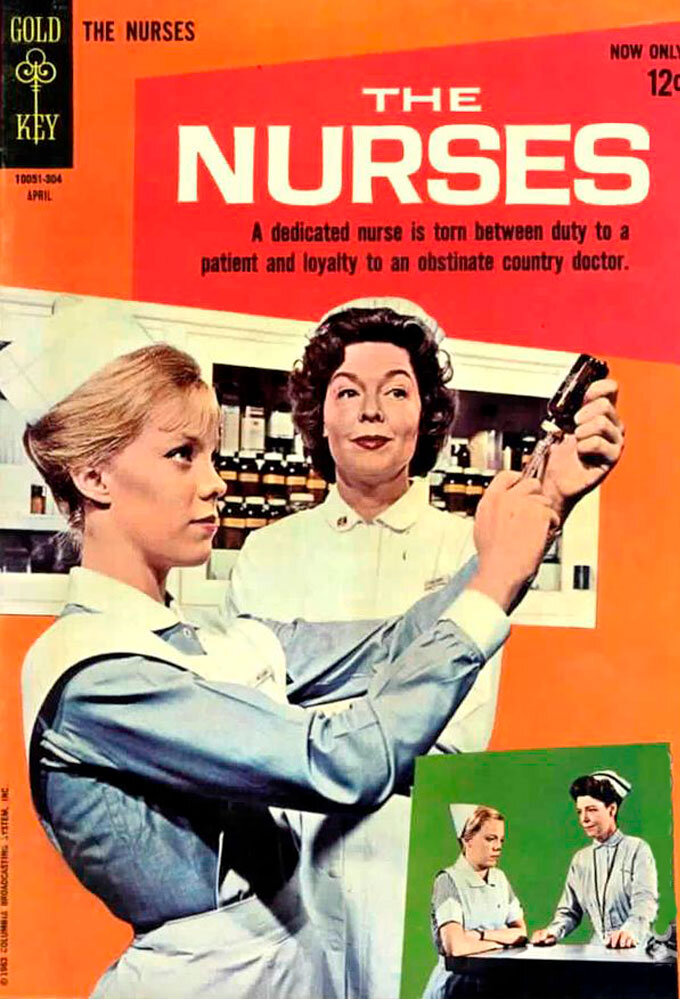
The Nurses1962
Hospital drama centred on the nursing staff rather than doctors—a fresh angle on the medical-world format The Eleventh Hour established. Strong ensemble, character-driven stories, and genuine emotion.
But Less star power and lower profile than The Eleventh Hour means it's harder to find. The focus on nurses rather than a single protagonist changes the dynamic.
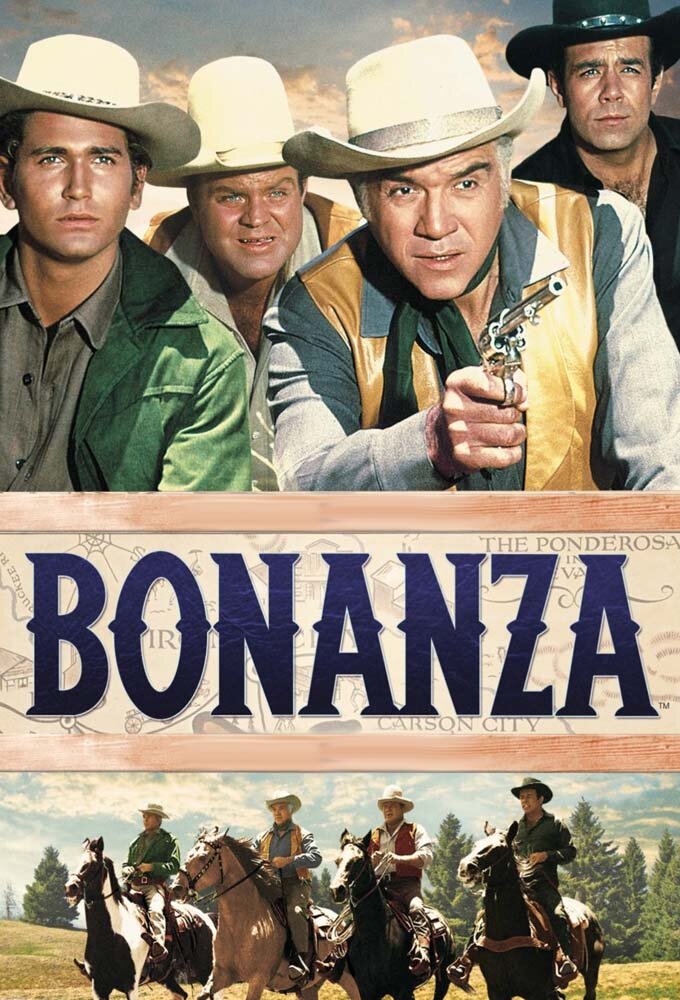
Bonanza1959
Sprawling family drama that, like The Eleventh Hour, treats each episode's situation seriously and with moral weight. Lorne Greene anchors an ensemble cast. Less known for its emotional depth than its popularity, but it's genuinely there.
But Western setting is a world away from psychiatry and hospitals. Episodic structure means character development is limited across seasons.
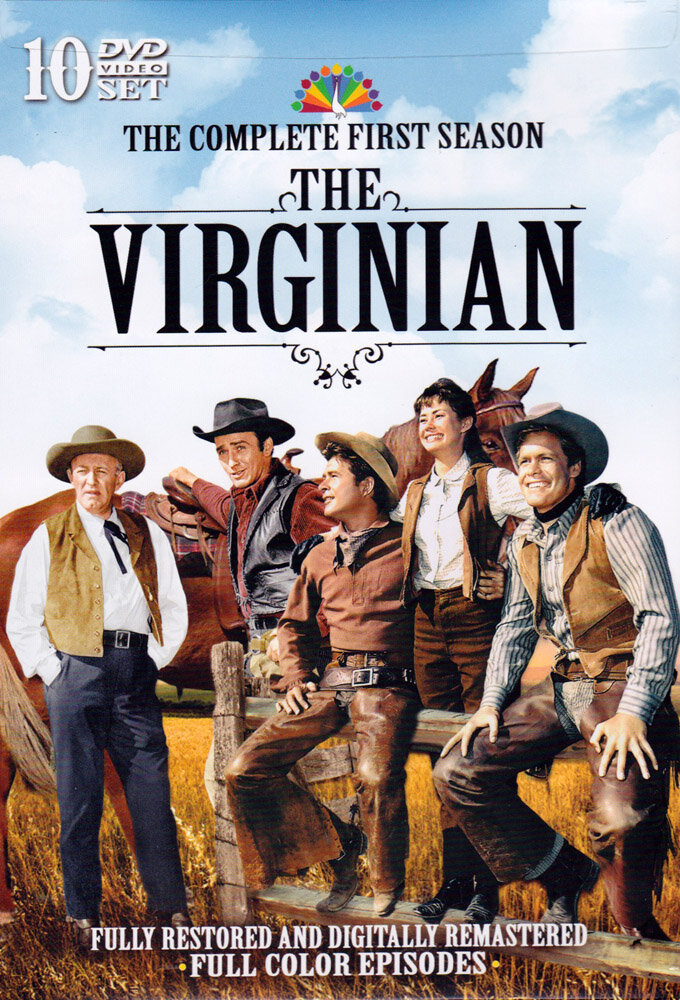
The Virginian1962
Prestige drama built around a strong central performance (James Drury) and character-driven storytelling. Ninety-minute episodes gave it room for real narrative complexity. Treats moral questions with genuine gravity.
But Western, not medical drama, so the context will feel remote. Long episodes are a bigger ask than The Eleventh Hour's hour format.
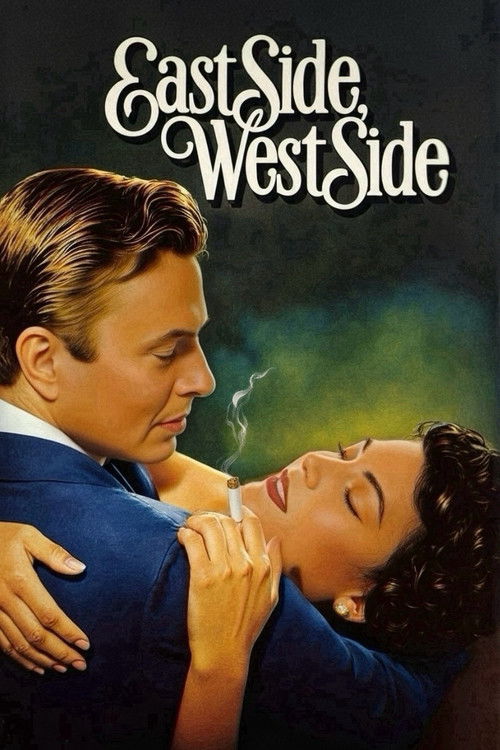
East Side, West Side1949
Social-issue drama about a social worker navigating urban poverty and human crisis. Ambitious, serious writing that tackles real problems. George C. Scott anchors it with force. If you want The Eleventh Hour's moral urgency in a different context, here it is.
But Cancelled after one season, so incompleteness might frustrate. Darker and grittier than most contemporaries; not comforting television.
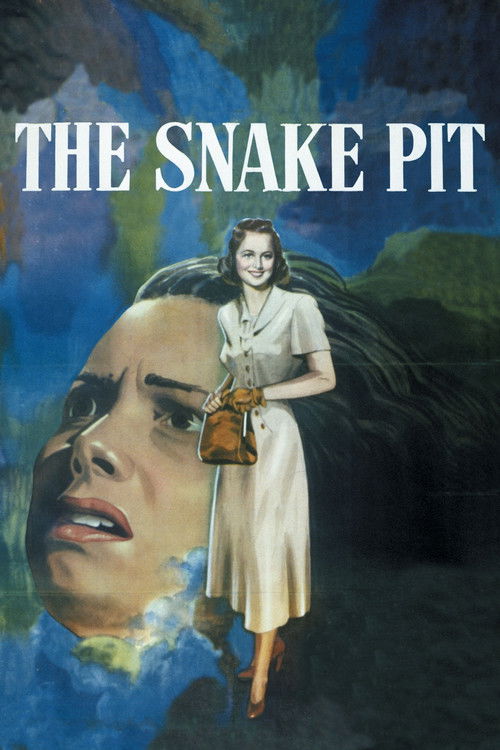
The Snake Pit1948
Both take psychiatry seriously as a human matter rather than drama or melodrama. Both centre the patient's inner experience rather than the doctor's heroism.
Olivia de Havilland in a brutal, unflinching portrait of psychiatric hospitalization and what it costs the mind and body. Pre-dates The Eleventh Hour by over a decade but shares its refusal to sentimentalize mental illness. Powerful and necessary.
But Genuinely harrowing; hospital conditions are shown as degrading. Not a comfortable viewing experience, which is precisely the point.
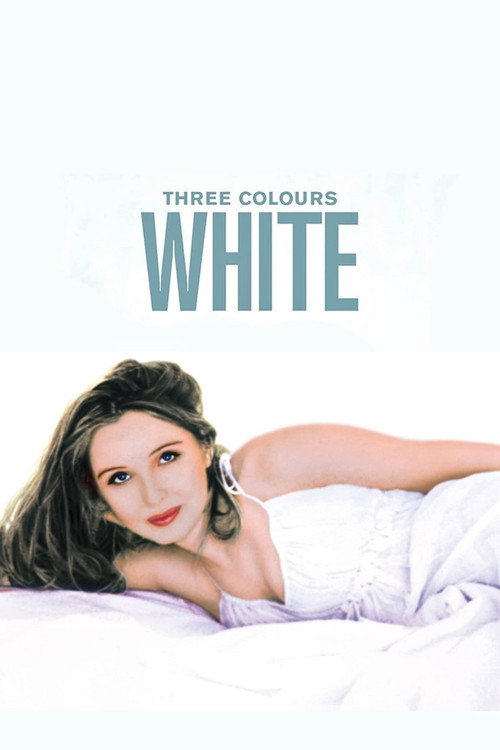
Three Colors: White1994
Both are fascinated by the fragility of self and how little we can be certain about in other people—or ourselves.
Kieslowski's meditation on identity and what we think we know about ourselves, told through the story of a man remaking himself after exile. Operates in mood and psychological subtlety rather than plot. Resembles The Eleventh Hour in its focus on the inner life as the real drama.
But European art film with deliberate pacing. Plot is minimal; if you need narrative momentum, this will frustrate you. Requires willingness to sit with ambiguity.
People
Cast
Writing
- Harry Jullian FinkCreator