
Film
Viva Knievel!
Evel Knievel plays himself in this 1977 action-adventure where the legendary stuntman plans an impossible motorcycle jump while entangled with mobsters. It's a thinly-plotted excuse to watch Knievel do what he does best, shot with the kinetic energy of someone still discovering what movies could be. For fans of practical stunt work and 70s excess.
If you liked this
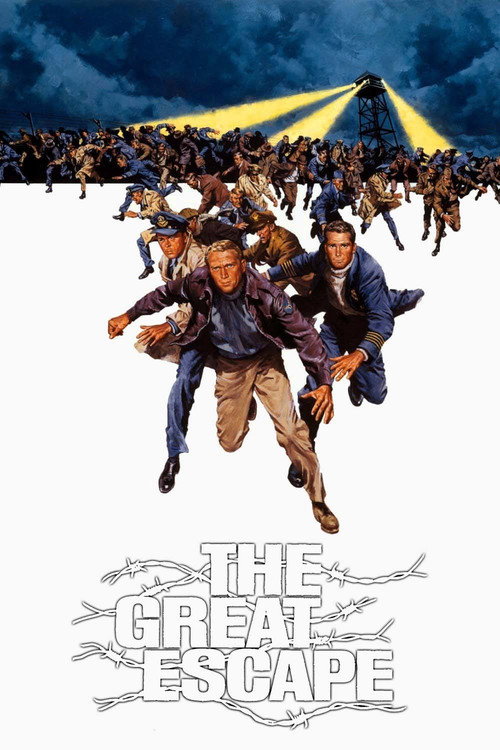
The Great Escape1963
Steve Reeves leads an all-star cast through an audacious prison break with the same blend of meticulous planning and showmanship that Knievel brings to stunting. Each sequence is a feat of practical ingenuity designed to make you lean forward.
But It's a war film first and a heist second, so expect extended character beats and moral weight rather than pure adrenaline.
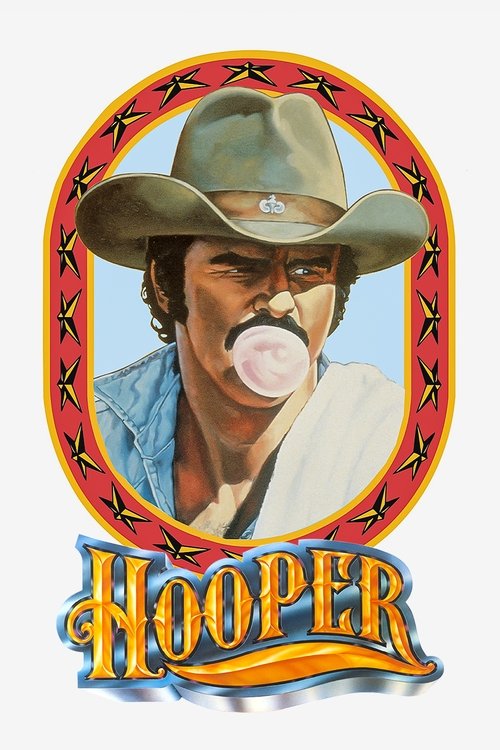
Hooper1978
Burt Reynolds as a stunt coordinator navigates Hollywood ego and increasingly dangerous sequences. It captures that same love of practical daring and the obsessive personality required to pull off the impossible on camera.
But The plot is thin and the pacing uneven. It's more interested in stunt-world authenticity than narrative momentum.
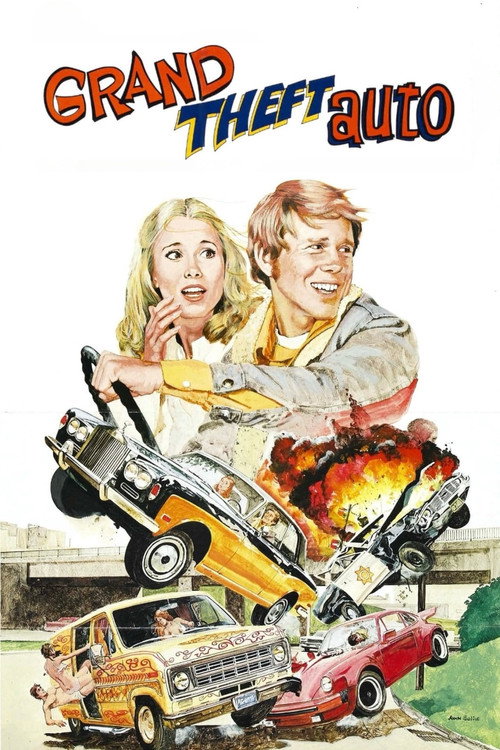
Grand Theft Auto1977
Ron Howard directs and stars in this scrappy, high-energy chase film made the same year as Knievel. It's got the same sense that stunts and vehicle work are the real entertainment, everything else just scaffolding.
But The comedy is dated and broad. The story exists mostly to string together set pieces, which works only if you're here for the driving.
Not sure tonight? Get a pick in a minute, starting from Viva Knievel!
The wildcard
Something you would not have found on your own.
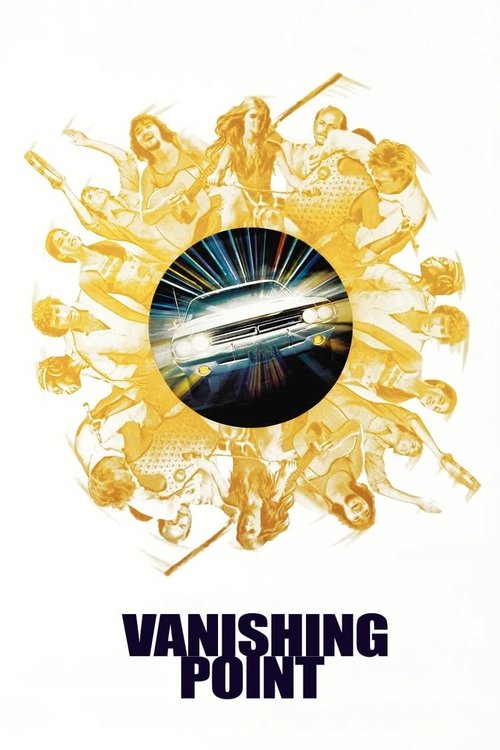
Vanishing Point1971
Both are films about a man with supreme skill at what he does, indifferent to consequences, doing it one more time. Both understand that sometimes the point isn't the reason—it's the doing.
A getaway driver with nothing to lose and everything to prove crosses America in a Dodge Challenger, stopping only for gasoline and philosophy. It's pure kinetic obsession—a man and a machine locked in a conversation with fate. Every frame moves.
But There's almost no plot. It's a mood and a momentum, which is exhilarating if you're with it and maddening if you're waiting for something to happen.
More like this (8)
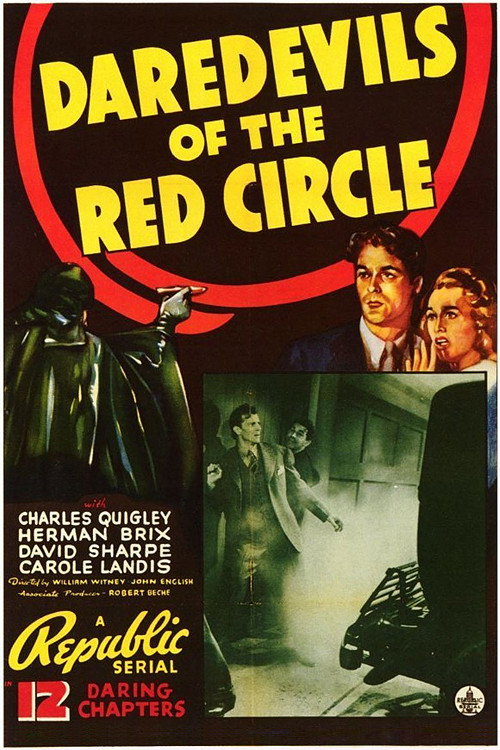
Daredevils of the Red Circle1939
A serial with escalating stunt sequences that influenced everything after. The whole point is watching people perform impossible things on screen; narrative is basically window dressing around the next big moment.
But It's a 1939 serial, so it moves like it's in no hurry. Patience required. Some sequences are brief and underdeveloped by modern standards.
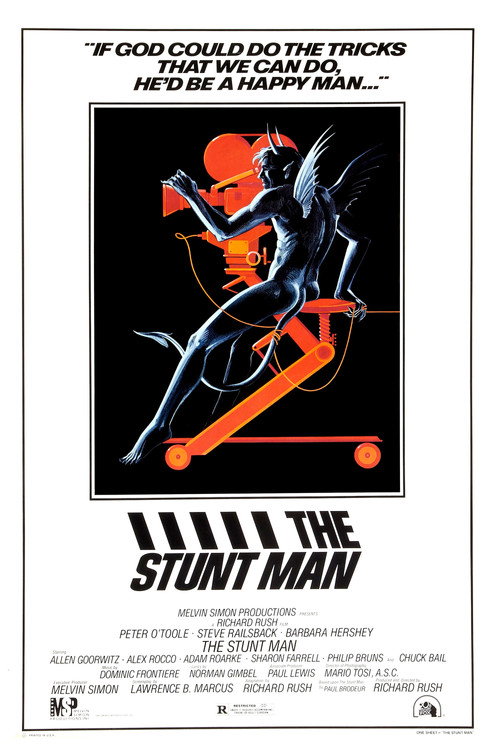
The Stunt Man1980
Peter O'Toole as a mercurial director who commands a universe of controlled danger. It's the thinking person's stunt movie—obsessed with the psychology and artistry of risk, how spectacle gets made.
But Deliberately cerebral and baroque. If you want stunts, not philosophy about stunts, this will frustrate you.
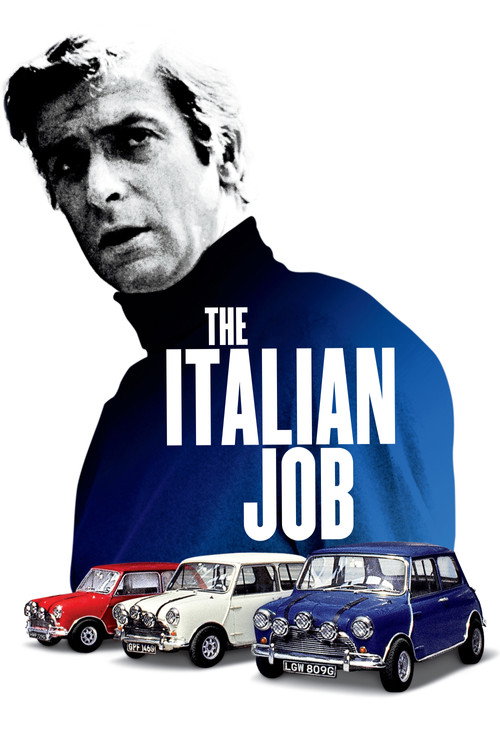
The Italian Job1969
Michael Caine leads a heist team through a chase that prioritizes practical vehicle work and genuine ingenuity. The famous Mini Cooper sequence was done without CGI; it's pure choreography and driving skill.
But It's a heist film dressed as action, so character work and planning get more focus than the thrills themselves.
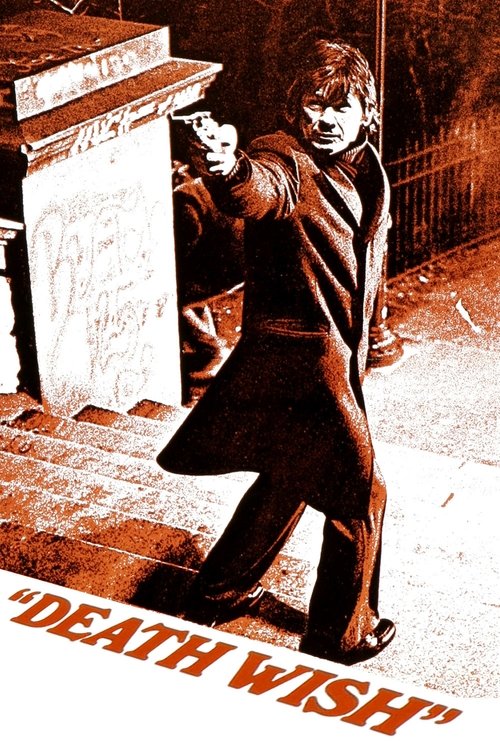
Death Wish1974
Charles Bronson in early-70s New York vigilantism that moves with propulsive energy. It's visceral and committed in a way that matches Knievel's willingness to just go for it, consequences be damned.
But It's genuinely brutal and bleak. This isn't fun; it's angry and cynical in ways that can feel dated or unpleasant.
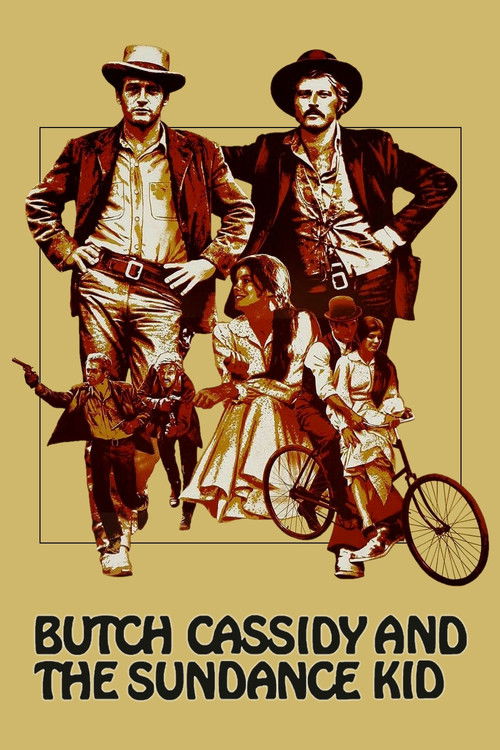
Butch Cassidy and the Sundance Kid1969
Newman and Redford in a film that knows when to stop plot and start showing off. The bicycle scene, the jump into the river—moments where the movie just watches two charismatic men do impossible things.
But It's a revisionist western first, an action film second. Long stretches of character and dialogue between the sequences.
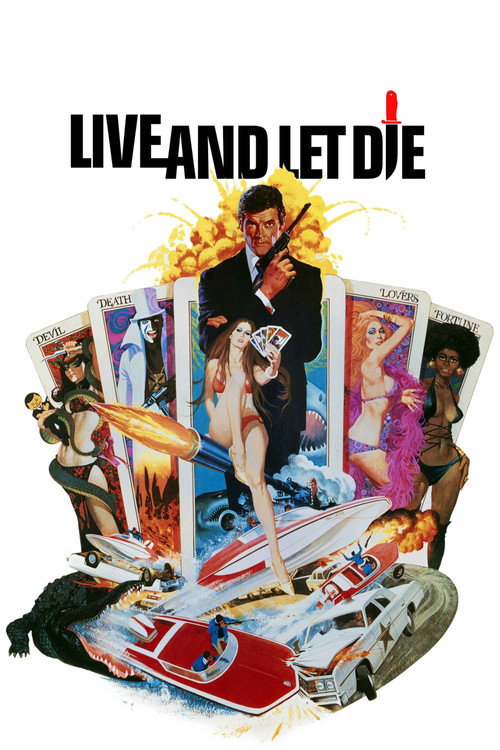
Live and Let Die1973
Roger Moore's first Bond film is packed with practical stunts and a willingness to let sequences breathe. The boat chase is a masterclass in stunt coordination from an era before digital shortcuts.
But It's a Bond film, so you're committing to spy plot mechanics. Some sequences are brief, others feel padded.
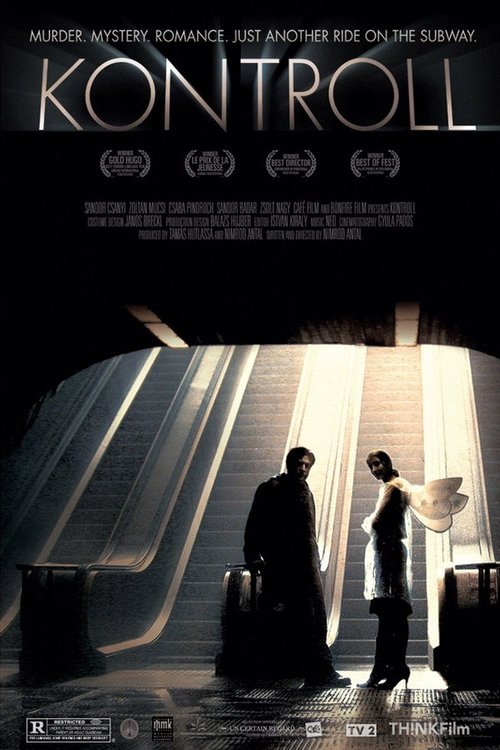
Kontroll2003
Both treat physical skill and daring as a form of self-expression. The stunts in Kontroll are smaller but no less committed—they're the language the film speaks.
A Hungarian film set in the Budapest metro, following ticket inspectors in an underground city with its own rules and logic. It's visually audacious, genuinely funny, and moves like a dance—practical stunts and movement used to build atmosphere rather than just excitement.
But It's in Hungarian and subtitled. The tone is deadpan and European; if you're expecting American action clarity, you'll be lost.
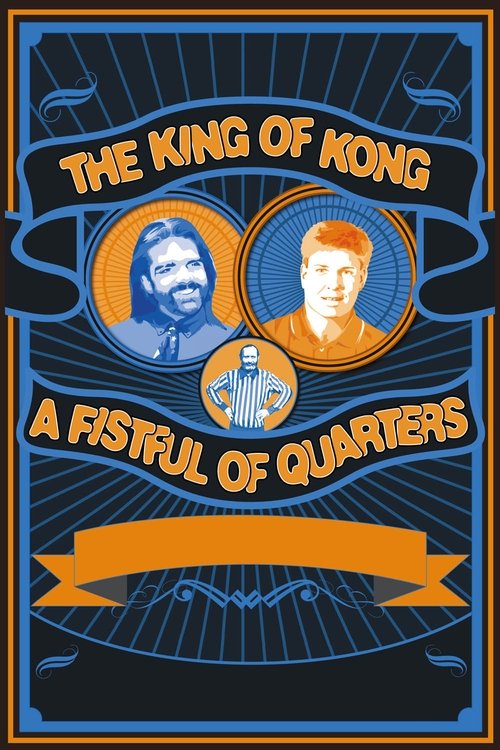
The King of Kong: A Fistful of Quarters2007
Both are about men driven to perfect an impossible skill at any cost, indifferent to whether the world cares. Both understand that for some people, the attempt itself is the whole point.
A documentary about competitive Donkey Kong players that becomes a portrait of obsession, ego, and the need to prove mastery. It captures the exact psychological architecture that makes a man want to jump a canyon—the need to be the best at something.
But It's about video game competition, not action. If you're looking for stunts or spectacle, this will feel quiet and internal.
People
Cast
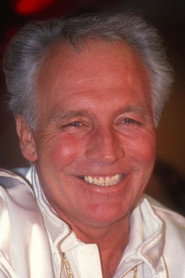 Evel KnievelHimself
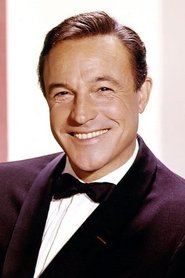 Gene KellyWill Atkins
 Lauren HuttonKate Morgan
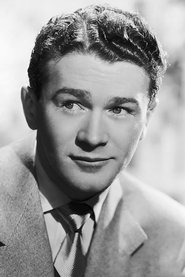 Red ButtonsBen Andrews
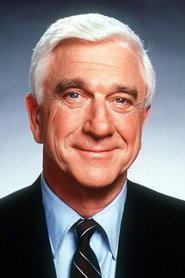 Leslie NielsenStanley Millard
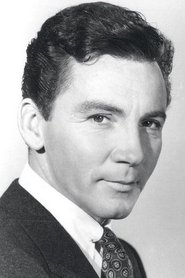 Cameron MitchellBarton
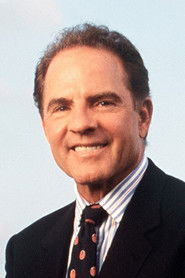 Frank GiffordHimself
- Eric OlsonTommy Atkins
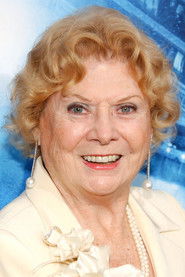 Sheila AllenSister Charity
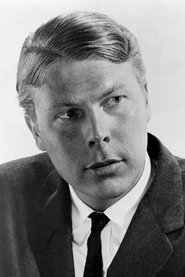 Albert SalmiCortland
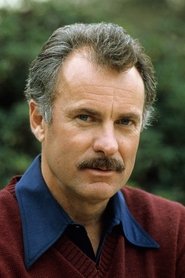 Dabney ColemanRalph Thompson
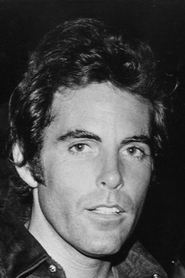 Ernie F. OrsattiNorman Clark (as Ernie Orsatti)
Directing
- Gordon DouglasDirector
Writing
- Antonio SantillánScreenplay
- Norman KatkovScreenplay
- Antonio SantillánStory
Production
- Jack BaurCasting
- Sherrill C. CorwinExecutive Producer
- Stanley HoughProducer
- Irwin AllenSupervising Producer