
Film
In Like Flint
- Parody
- Crime
- Spy action
- Light-hearted
A spy comedy sequel where Derek Flint is pulled back into service to stop a global conspiracy orchestrated by women through beauty salons. It's campy, fast-paced, and gleefully absurd—a time capsule of 1960s action-comedy that treats espionage as an elaborate joke. For anyone who loves retro spy fiction with a wink and a smile.
Should you watch it?
Watch it if you enjoy spy spoofs that treat gadgets, glamour and straight-faced nonsense as a running joke, and you like a hero who stays cool about absurd stakes.
Skip it if you want tight plotting or a sense that the stakes matter, since this one wanders through its gags and its 114 minutes could feel stretched by sketch-like detours.
What it asks of you: Just under two hours, with a loose, episodic rhythm that rewards letting the jokes come at their own pace rather than chasing a tidy plot.
Not sure? Find tonight's pick in a minute.
If you liked this
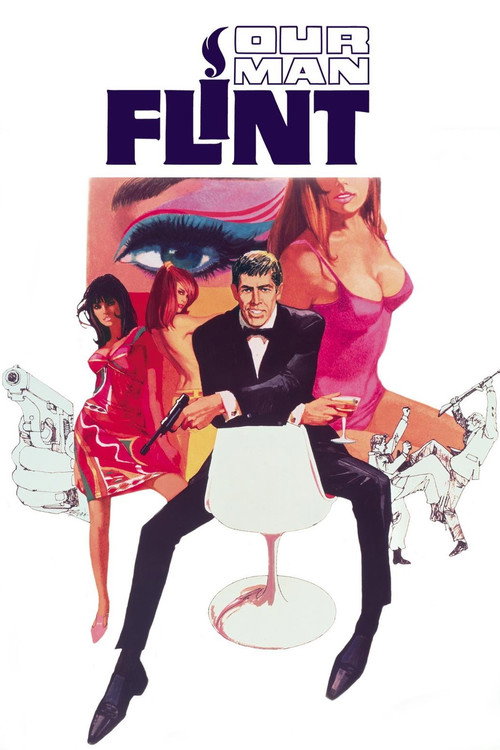
Our Man Flint1966
The first Flint film is the natural predecessor and sets up everything you'll love: Coburn's deadpan charm, the mod gadgetry, and the perfect balance of action and absurdist humour. A must-see before the sequel.
But The spy-comedy formula was fresher in 1966 than it is now, and the pacing assumes you're okay with talky setup scenes between action beats.
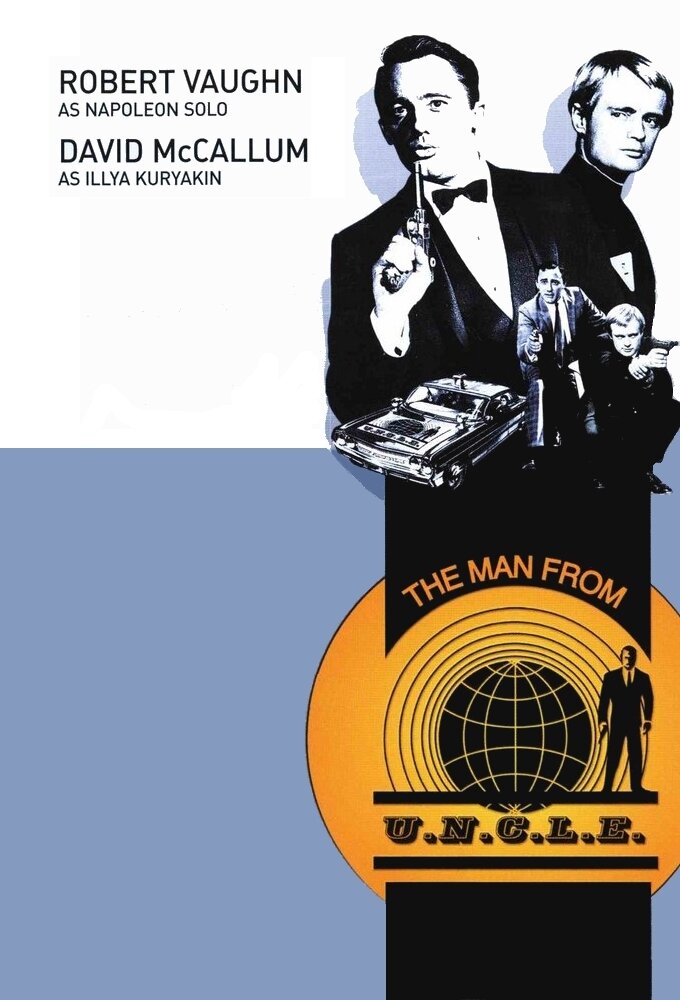
The Man from U.N.C.L.E.1964
TV's slick answer to the spy boom: globe-trotting adventures, campy villains, and Robert Vaughn bringing cool to impossible situations. It captures the same 1960s spy-fi energy that makes Flint so fun.
But It's a TV series with episodic plotting—less focused than a film, and the tone wobbles between earnest and silly depending on the week.
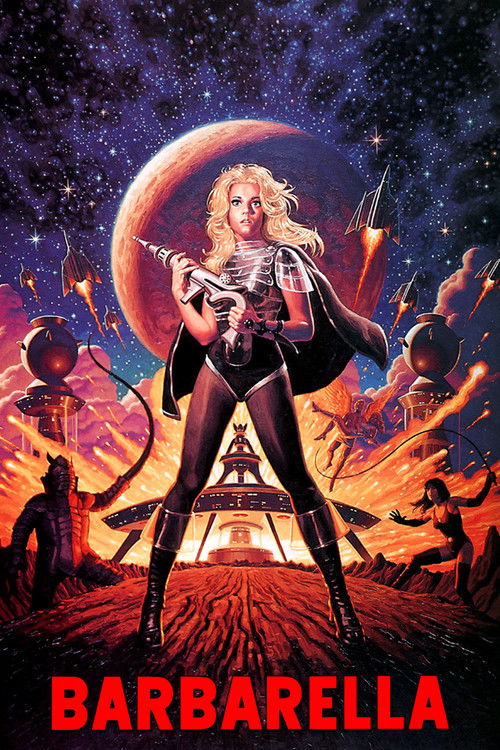
Barbarella1968
Jane Fonda in a fever dream of a sci-fi film: camp, colour, and genuine imagination. It shares Flint's refusal to take itself seriously while still delivering spectacle and style.
But It's genuinely weird and sexualised in ways that feel dated now. Patience with its own outrageousness is required.
Not sure tonight? Get a pick in a minute, starting from In Like Flint
The wildcard
Something you would not have found on your own.
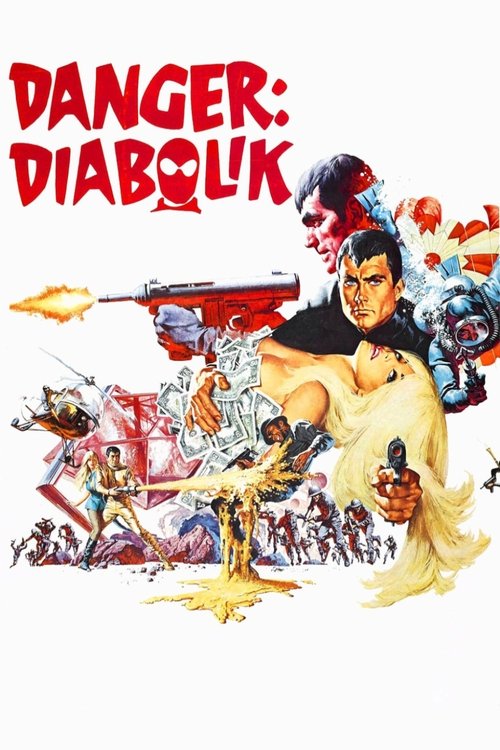
Danger: Diabolik1968
Both films trust that style, colour, and wit are enough to carry a thin plot; both celebrate the romance of espionage as a game played by attractive people.
An Italian pulp film where a master criminal outwits the world with style and gadgetry. It's Flint's evil twin: same visual language, same camp sensibility, but with an anarchist edge. Absolutely gorgeous to look at.
But It's more interested in mood and design than plot, and the dubbing can be distracting. Also slower—this is baroque where Flint is frantic.
More like this (8)
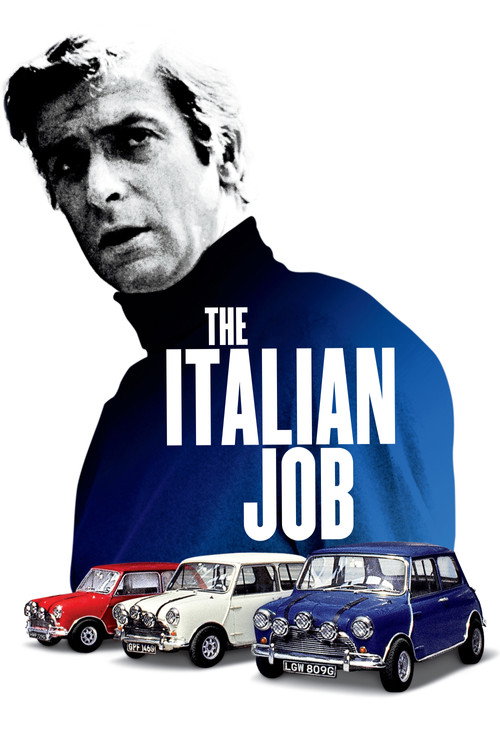
The Italian Job1969
A heist film with the same mod sensibility and ensemble charm. It's clever, colourful, and made with the kind of playful confidence that makes you forget how lightweight the plot actually is.
But It's a heist film first—if you're not interested in the mechanics of a caper, the style alone won't carry it.
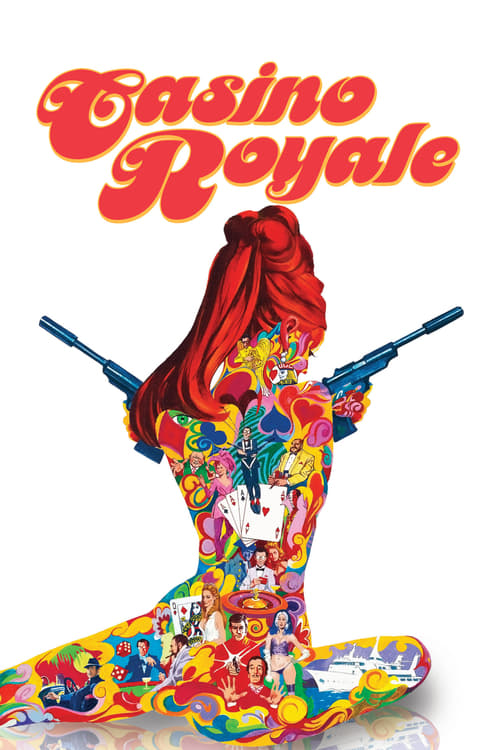
Casino Royale1967
Released the same year as In Like Flint, this Bond parody is pure chaos: multiple directors, a massive cast, and a commitment to being as unhinged as possible. It's genuinely funny in places and utterly baffling in others.
But It's a mess. An entertaining mess, but you need to be in the mood for anarchic, barely-coherent fun.
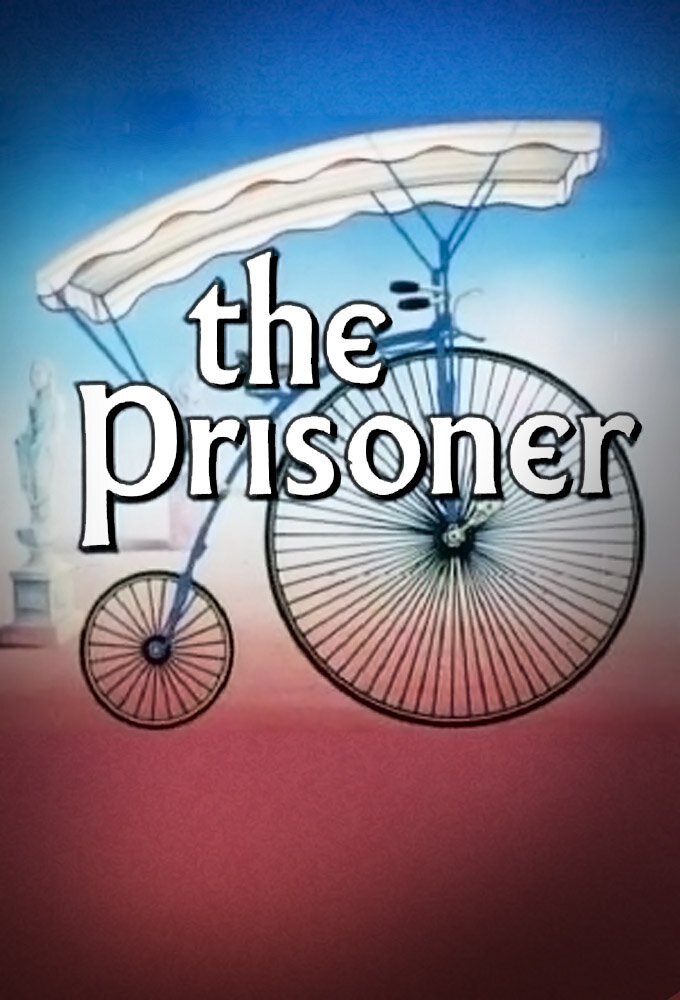
The Prisoner1967
Patrick McGoohan's miniseries is the other side of 1960s espionage: paranoid, philosophical, and genuinely unsettling. It proves the era could do something with the spy genre beyond gadgets and gags.
But It's dense, cryptic, and often impenetrable. Not a fun romp—the opposite, really.
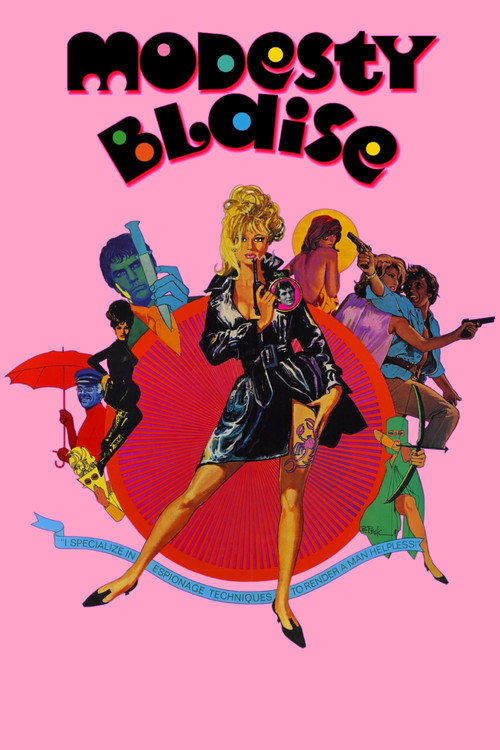
Modesty Blaise1966
Another spy comedy with Monica Vitti as a criminal-turned-agent. It's colourful, playful, and shares Flint's belief that style and silliness matter more than plot coherence.
But The plot barely coheres even by campy standards, and the humour is hit-and-miss.
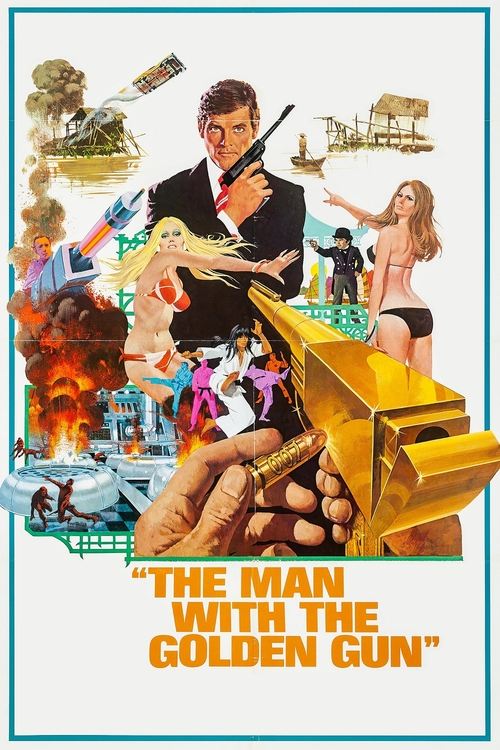
The Man with the Golden Gun1974
By the 1970s, Bond had learned from films like Flint how to be fun without pretending to be serious. This is Roger Moore's first, and it's genuinely entertaining—less gadget-heavy, more character-driven.
But It's still a Roger Moore Bond film, which means some pacing issues and a weird tonal mix of action and comedy.
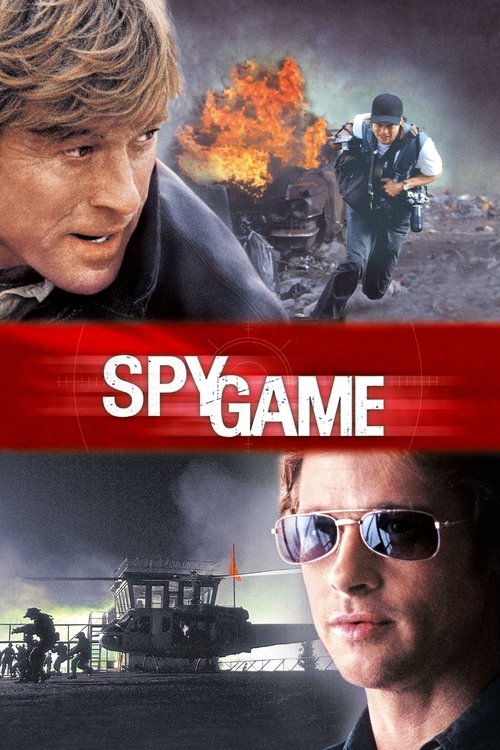
Spy Game2001
An attempt to bring the retro-spy-film aesthetic into the 2000s with Brad Pitt and Robert Redford. If you want to see how the template evolved and what got lost, it's instructive.
But It's slicker but blander than the originals—nostalgia for something you don't actually miss.
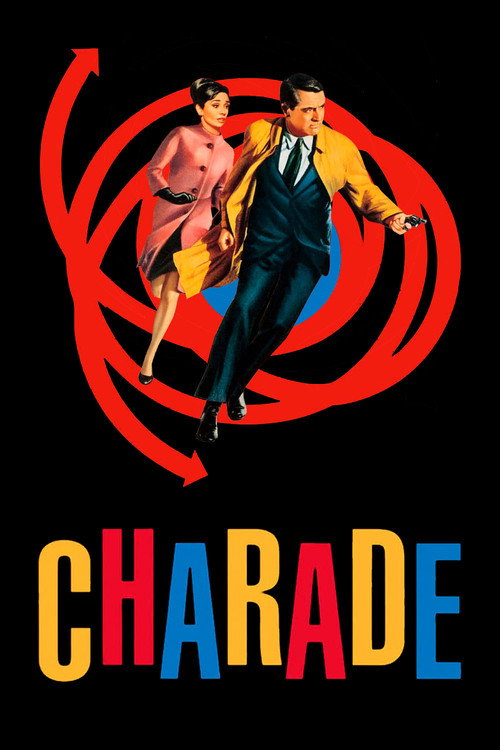
Charade1963
Both films play with the spy-thriller genre as a dance where style matters as much as substance, but Charade shows what happens when you add a beating heart to the formula.
Audrey Hepburn and Cary Grant in a thriller-comedy that's actually a real mystery. It proves you can make something with genuine suspense and emotional stakes while still being clever and fun—something Flint never quite manages.
But It's significantly smarter and more serious than Flint, which some might find less fun; others might find Flint feels shallower by comparison.
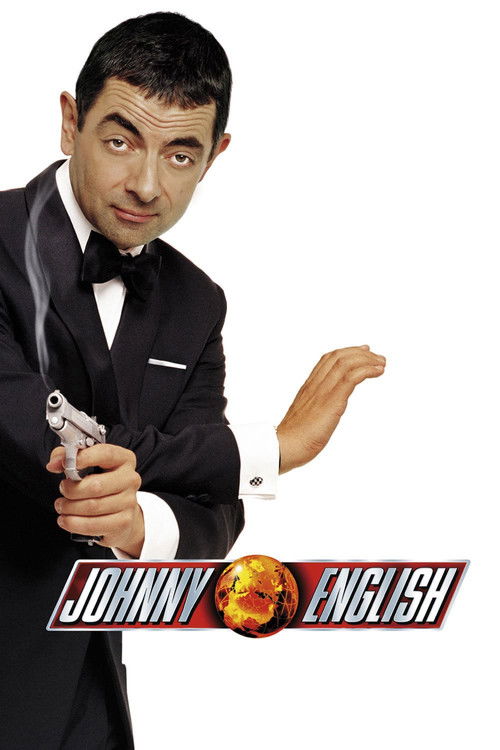
Johnny English2003
Both films are built on the idea that spy-fi can be ridiculous and fun without irony; both celebrate incompetence and charm over actual competence.
Rowan Atkinson's spy-comedy homage to the era Flint represents. It's a modern film that understands the pleasure of the 1960s spy-comedy without trying to recreate it. Genuinely funny in ways that don't rely on period novelty.
But It's very much a Rowan Atkinson performance—if physical comedy and mugging aren't your thing, it will exhaust you quickly.
People
Cast
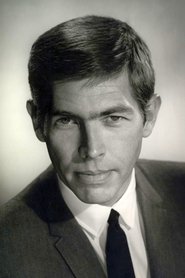 James CoburnDerek Flint
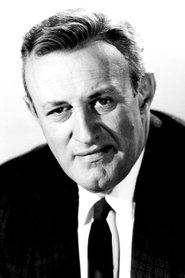 Lee J. CobbLloyd C. Cramden
 Jean HaleLisa
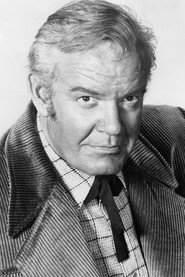 Andrew DugganU.S. President Trent
 Anna LeeElisabeth
- Hanna LandyHelena
- Totty AmesSimone
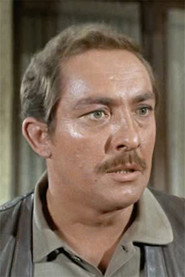 Steve IhnatGeneral Carter
- Thomas HassonLieutenant Avery
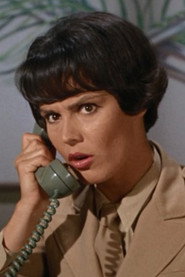 Mary MichaelTerry
 Diane BondJan
- Jacki RayDenise
Directing
- David HallAssistant Director
- Gordon DouglasDirector
Writing
- Hal FimbergWriter
Production
- Joe ScullyCasting
- Martin FinkProducer
- Saul DavidProducer
- Eric StaceyUnit Production Manager
Recommended by
Our Man Flint, Modesty Blaise, Casino Royale, Skyjacked, Kiss the Girls and Make Them Die, Jason King, The Million Eyes of Sumuru, The Wrecking Crew, Secret Agent 777, The Silencers, The Deathless Devil, The Spy in the Green Hat