
Film
The Spy in the Green Hat
- Gangster
- Light-hearted
A spy-comedy from the golden age of espionage cinema, built on the chemistry between two agents stopping a criminal plot involving Italian mobsters. It's light, fast-paced, and pitched somewhere between *James Bond* and a cartoon—funny without winking, thrilling without breaking a sweat. Perfect if you love sixties style and don't need your spy movies serious.
If you liked this
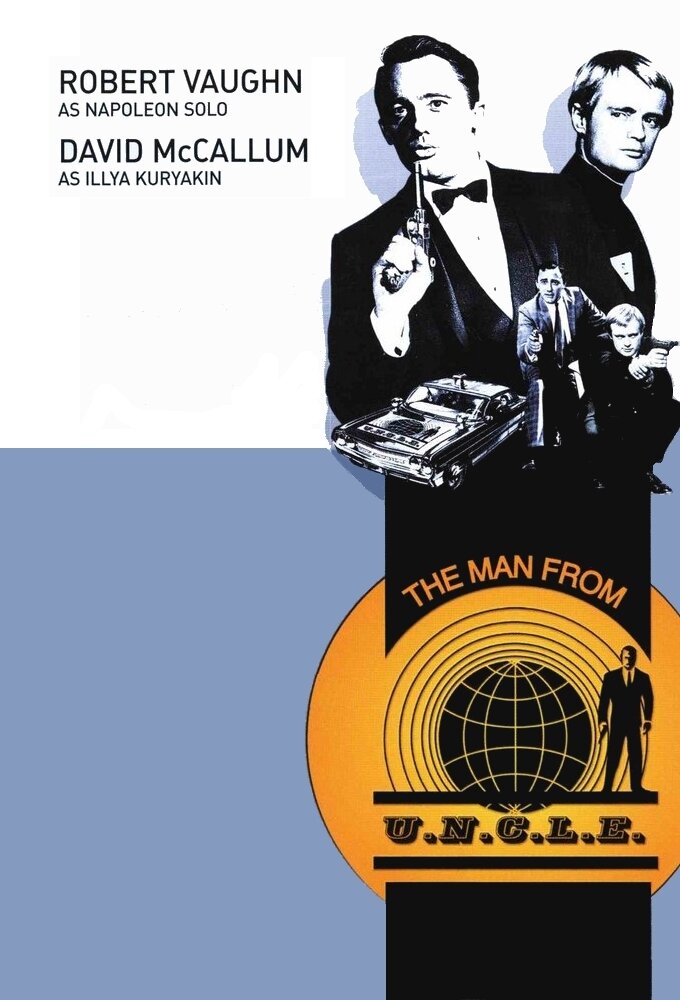
The Man from U.N.C.L.E.1964
The TV series that launched this film's universe. Same agents, same blend of danger and humor, same effortless cool. It's where the chemistry between Solo and Kuryakin first clicked, and it deepens everything you'll see on screen.
But Television from 1964 moves differently than film—slower pace, smaller scope, and the print quality varies wildly depending on what's been preserved.
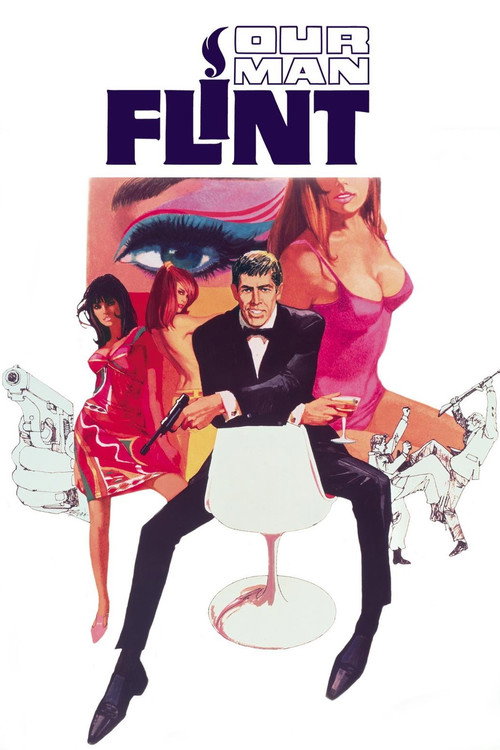
Our Man Flint1966
James Coburn as a gadget-laden super-spy in a world of style and danger. It has the same sixties swagger and tonal balance, mixing absurdity with genuine stakes. Made the same year, in the same spirit.
But The plot is even thinner than it sounds, and it relies entirely on charm and production design. If you need a story, keep walking.
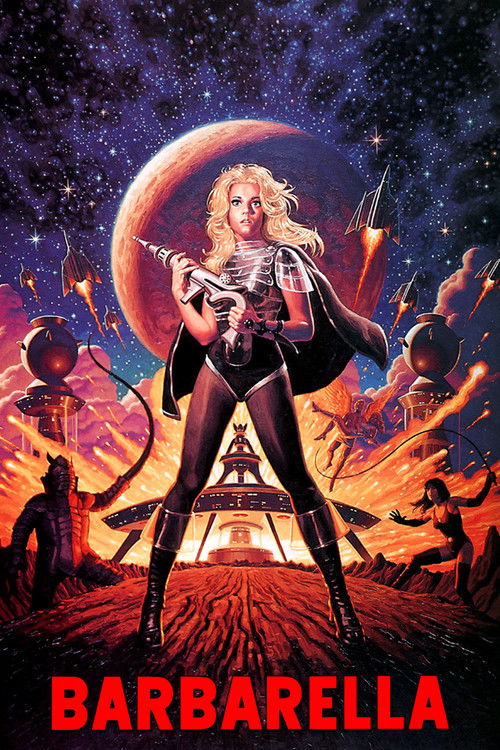
Barbarella1968
Jane Fonda in a space-age fever dream of a film—colorful, camp, endlessly inventive, and completely unashamed about being fun. Same era energy, same refusal to be boring or pretentious.
But It's extremely weird and extremely sixties. The gender politics are locked in amber. If kitsch exhausts you rather than delights you, this isn't your film.
Not sure tonight? Get a pick in a minute, starting from The Spy in the Green Hat
The wildcard
Something you would not have found on your own.
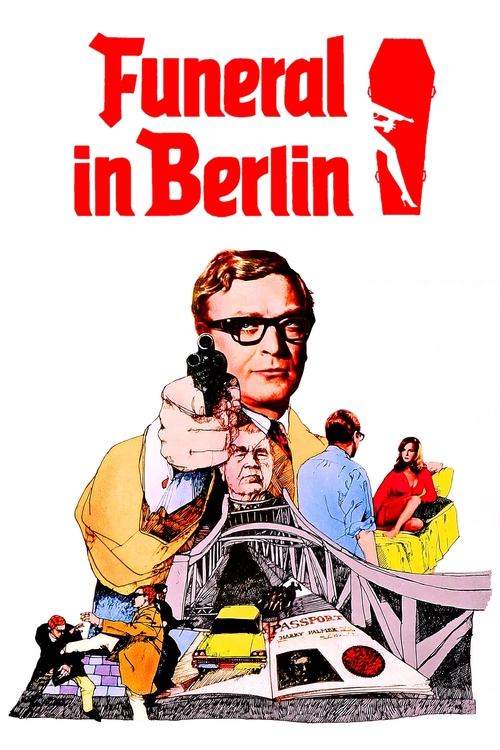
Funeral in Berlin1966
Both are sixties spy films made during the peak of the genre, but while *The Spy in the Green Hat* chose comedy as its engine, *Funeral in Berlin* chose dread. They define the spectrum of what spy cinema could be that year.
Michael Caine in a spy thriller—tense, serious, grounded in Cold War authenticity. It's proof that the same era could do espionage with actual stakes and moral weight. Caine is brilliant, the Berlin setting is haunting.
But It's almost the opposite tone: bleak, slow-burning, genuinely dark. If you're seeking sixties fun, this will feel like a cold shower.
More like this (8)
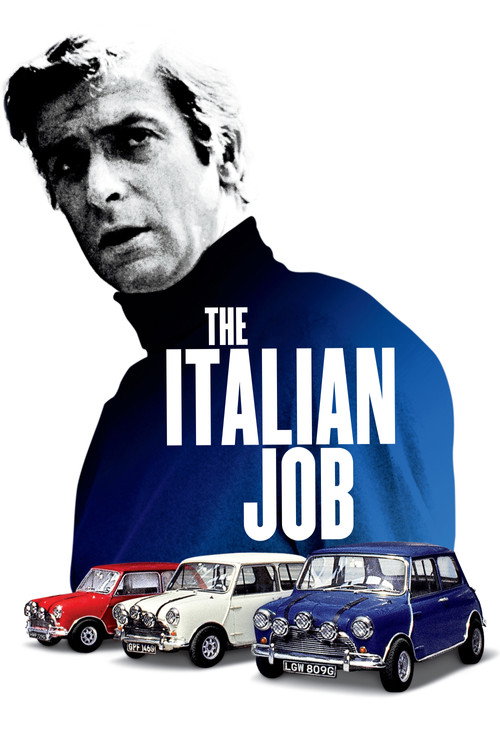
The Italian Job1969
Stylish heist film built on charisma and ensemble chemistry. Michael Caine and a perfect cast bounce off each other while planning something audacious. The plot is secondary to the pleasure of watching them work.
But It's a heist film with the brain of a commercial. The ending is famously incomplete, which some find charming and others find annoying.
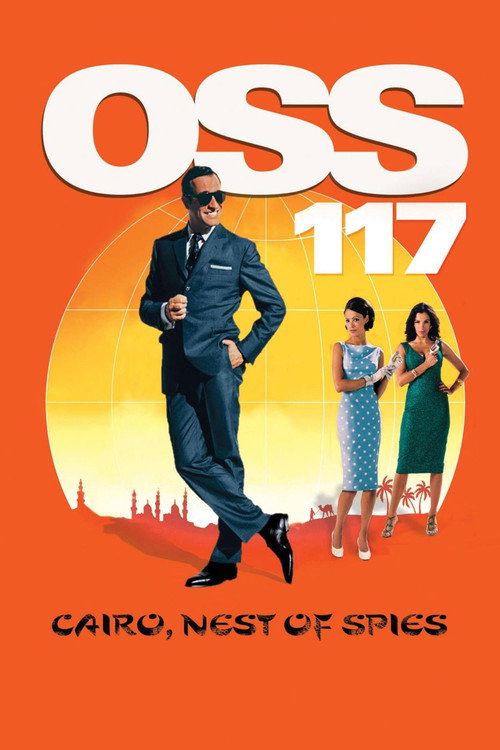
OSS 117: Cairo, Nest of Spies2006
A French spy-comedy that lovingly spoofs the whole sixties espionage genre—the same films you're watching now. It gets the tone exactly right: it's funny *because* it takes the formula seriously, not instead of.
But It's a parody, so it demands you know what it's parodying. French dialogue, subtitles throughout. The humor is dry and specific.
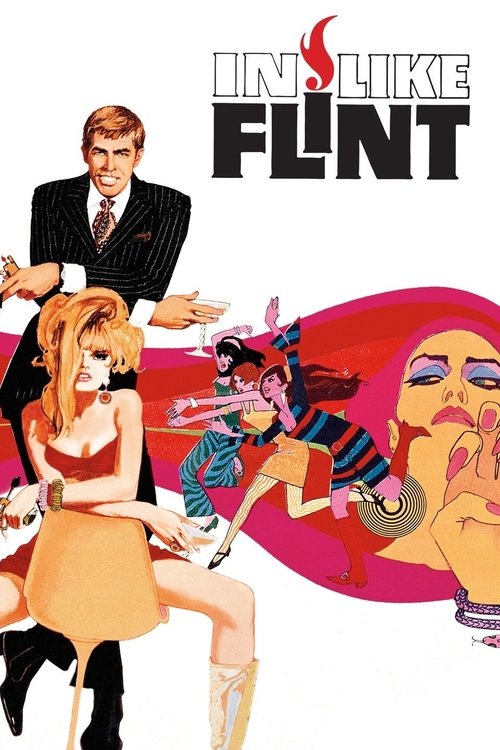
In Like Flint1967
The sequel to *Our Man Flint*, arriving the same year as this film. More of the same good-humored spy foolishness, with Coburn and a cast perfectly calibrated for fun without losing pace.
But If the first one didn't grab you, this won't either. It's a lightweight by design, and some viewers need more plot meat.
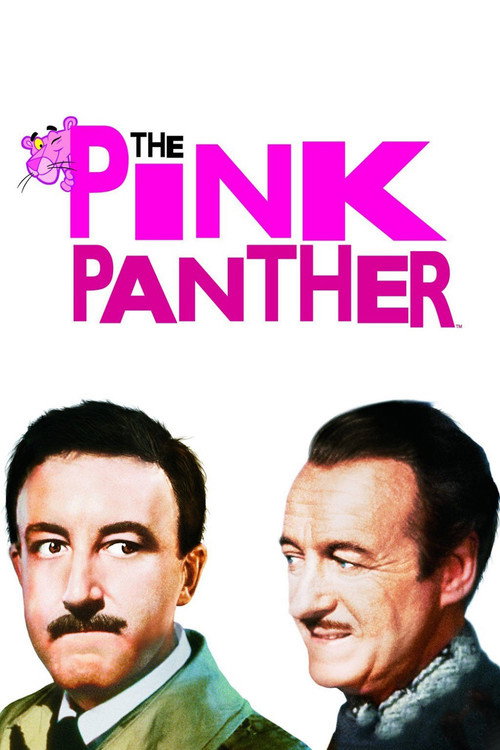
The Pink Panther1963
Peter Sellers as a bumbling French detective chasing a jewel thief. Same sixties tone—deadpan humor, beautiful cinematography, action that never gets mean. It proved you could be both funny and stylish.
But The premise is simple to the point of spare. If slapstick and character-based comedy don't appeal to you, the film has very little else to offer.
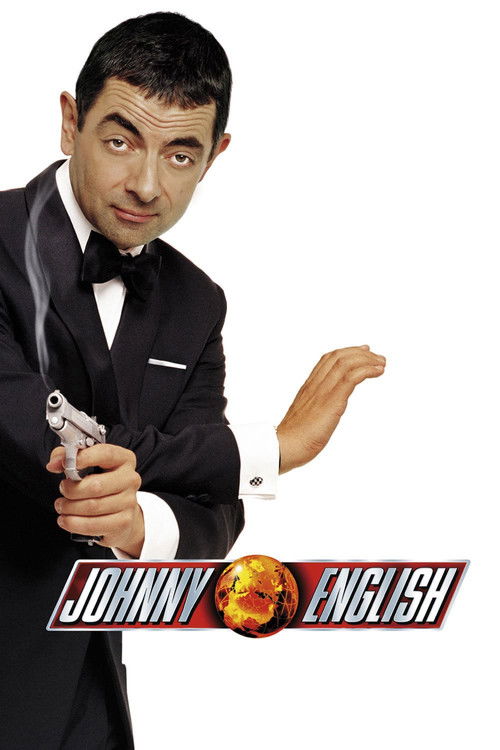
Johnny English2003
Rowan Atkinson as a ridiculous spy. It's a modern film built on the exact same blueprint—incompetence masquerading as espionage, played with deadpan sincerity. The formula still works.
But It's aggressively silly and juvenile in places. The production design is flat compared to sixties cinema. It feels more like a sketch than a film.
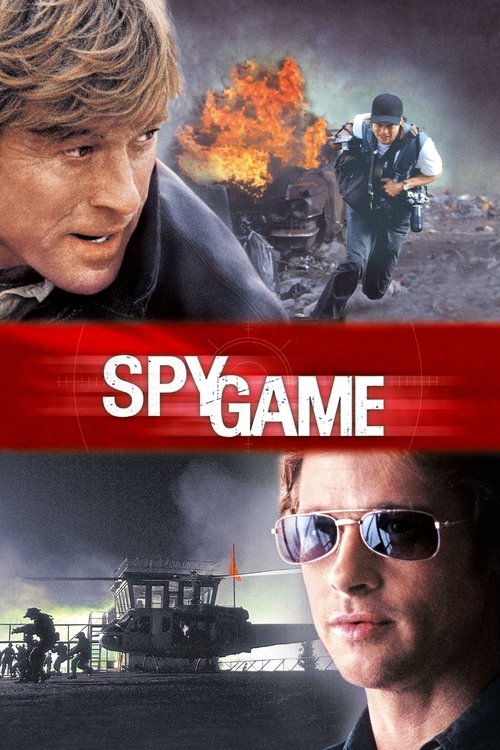
Spy Game2001
Brad Pitt and Robert Redford playing spy mentor and protégé across time. Slick, fast-paced, full of action beats. It wears its style confidently and doesn't pretend to be anything more than entertaining.
But The plot is thin and the structure is gimmicky. It trades in cool but doesn't earn any emotional weight. It's all surface, which some find hollow.
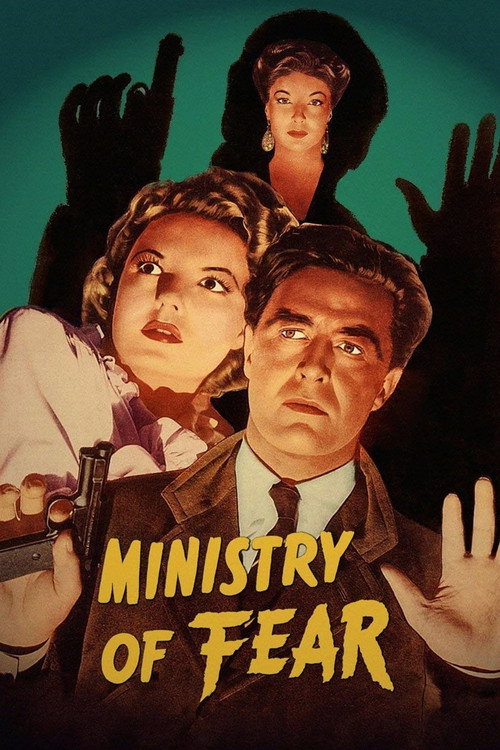
Ministry of Fear1944
The comedic spy-villain was already a type when this film was made. *Ministry of Fear* shows where the template originated—a reminder that camp in espionage is a lineage, not a sixties invention.
Fritz Lang's wartime spy-thriller, decades before *The Spy in the Green Hat*, already blending suspense with dark humor and absurdist characters. It proves the formula of mixing espionage with comic relief has ancient roots. Ray Milland is caught in a nightmare.
But Black-and-white, 1944, at times arch and theatrical in ways that feel dated even by spy-film standards. It moves at a different rhythm entirely.
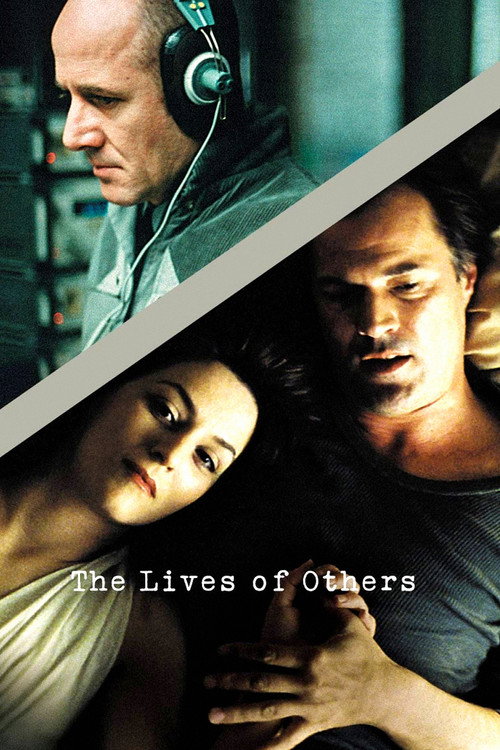
The Lives of Others2006
Where *The Spy in the Green Hat* treats espionage as style and games, *The Lives of Others* treats it as soul-damage. Both are about surveillance and betrayal, but one is a romp and one is a requiem. Watching them back-to-back rewires what spy cinema can mean.
A meticulous Stasi surveillance drama set in Cold War Berlin. It's the serious answer to every question the sixties spy films asked for laughs. Haunting, precise, morally complex. Ulrich Mühe's performance is devastating.
But It's slow, austere, and relentlessly bleak. There are no laughs. German with subtitles. It demands attention in a way entertainment cinema doesn't.
People
Cast
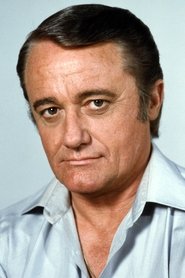 Robert VaughnNapoleon Solo
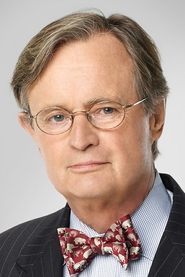 David McCallumIllya Kuryakin
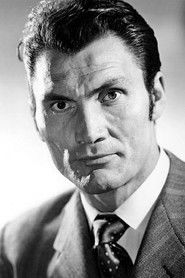 Jack PalanceLouis Strago
 Janet LeighMiss Diketon
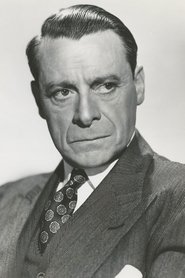 Eduardo CiannelliArturo 'Fingers' Stilletto
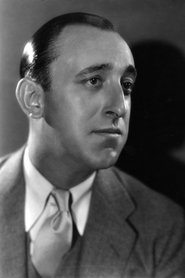 Allen JenkinsEnzo 'Pretty' Stilletto
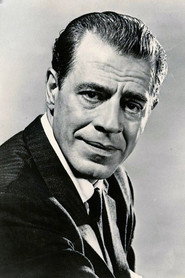 Jack La RueFederico 'Feet' Stilletto
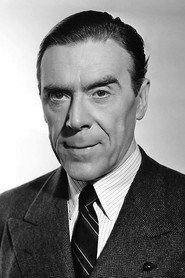 Leo G. CarrollAlexander Waverly
 Joan BlondellMrs. 'Fingers' Stilletto
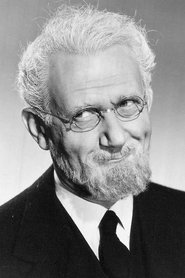 Ludwig DonathDr. Heinrich von Kronen
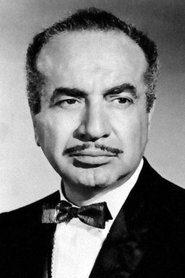 Will KuluvaMr. Thaler, Thrush Boss
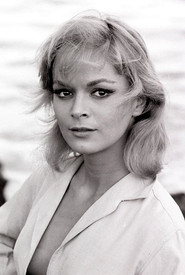 Letícia RománPia Monteri
Directing
- Bill FinneganAssistant Director
- Eddie SaetaAssistant Director
- Robert WebbAssistant Director
- Joseph SargentDirector
Writing
- Sam RolfeCharacters
- David VictorIdea
- Peter Allan FieldsScreenplay
- David VictorStory
Production
- Irv PearlbergCo-Producer
- Norman FeltonExecutive Producer
- Boris IngsterProducer
- Norman SiegelProduction Assistant
- David VictorProduction Supervisor
- David VictorSupervising Producer