
Film
The Last House on the Left
Other titles called The Last House on the Left: the 2009 film.
Wes Craven's 1972 debut is a rape-revenge horror film of brutal intensity. It treats violence with the seriousness of tragedy rather than spectacle, forcing you to reckon with the consequences of brutality on both victims and perpetrators. Essential viewing for anyone studying horror's moral weight, but it demands a strong stomach and clear mind.
Should you watch it?
Watch it if you want a bare-bones, unflinching shocker that treats its violence as something to sit with rather than a thrill, and you're curious how a low-budget 1970s film can still hit this hard.
Skip it if you need your horror to be fun or stylish, since this is rough around the edges and its cruelty is hard to watch without real discomfort.
What it asks of you: An hour and a half of bleak, abrasive material with almost no light relief, and it wants you to stay put when every instinct says look away.
Not sure? Find tonight's pick in a minute.
If you liked this
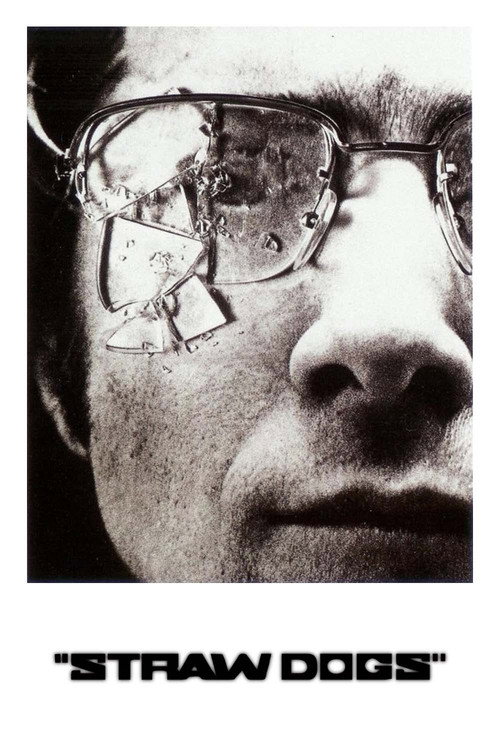
Straw Dogs1971
Peckinpah's controversial masterpiece about civilisation stripped away under pressure. A mathematician and his wife are besieged by locals; the violence escalates until he becomes what he feared. Intellectually rigorous and unflinching.
But The sexual violence is graphic and uncomfortable. Some find the final message muddled or its politics troubling even now.
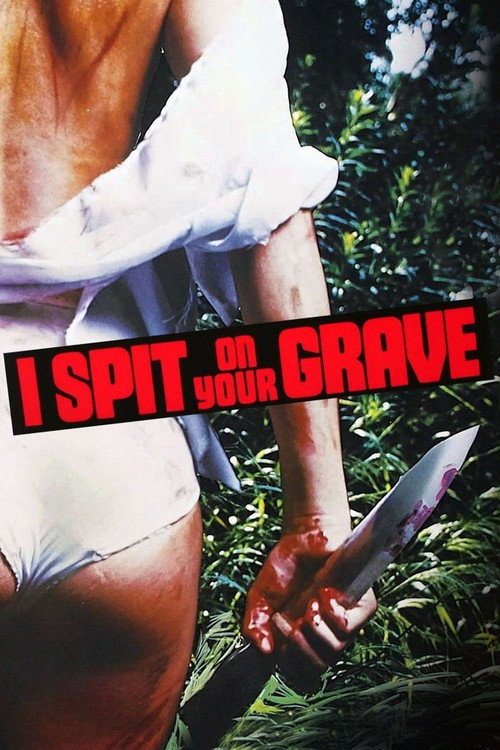
Day of the Woman1978
Meir Zarchi's even more extreme rape-revenge film. A woman survives gang rape and methodically hunts her attackers. It's ugly, confrontational, and refuses to let you look away or feel comfortable.
But This is harder to watch than The Last House. The assault sequence is prolonged and explicit. Many will find it exploitative rather than powerful.
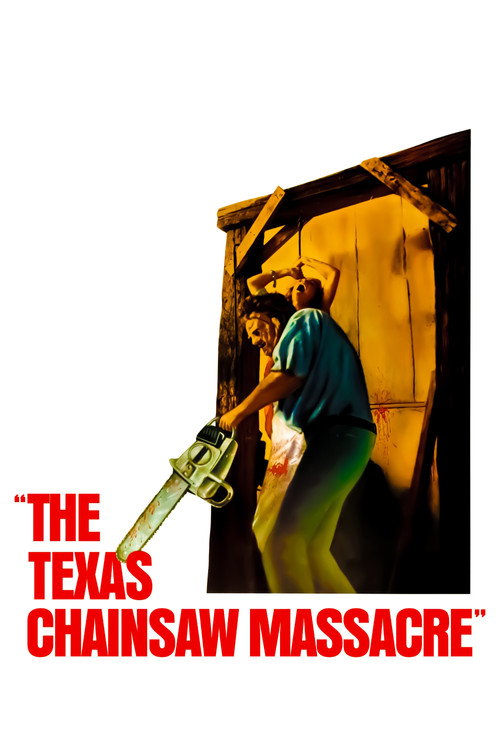
The Texas Chain Saw Massacre1974
Tobe Hooper's masterpiece of suggestion and dread. A group of teenagers encounter a family of cannibals in rural Texas. It's technically restrained—most violence is implied—yet feels more violent than films with explicit gore.
But The shaky camera work and raw sound design are intentionally disorienting. If you need clarity and polish, this will frustrate you.
Not sure tonight? Get a pick in a minute, starting from The Last House on the Left
The wildcard
Something you would not have found on your own.
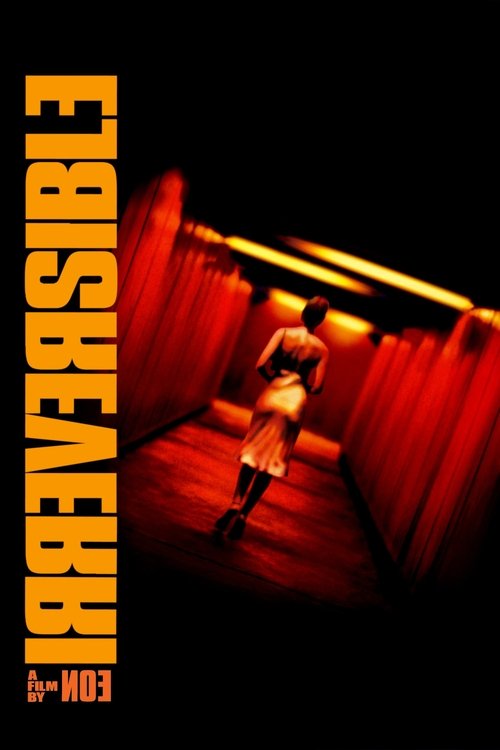
Irreversible2002
Both films use graphic brutality as moral argument rather than entertainment, forcing you to feel complicit in watching. Both reject catharsis.
Gaspar Noé's backward-chronology rape-revenge film. By showing the aftermath first and the cause last, it recalibrates how you process violence. The infamous nine-minute rape scene is horrifying precisely because you know what's coming.
But It's nearly three hours of deliberately difficult cinema; the reverse narrative can feel gimmicky; many will find it unwatchable and exploitative rather than revelatory.
More like this (8)
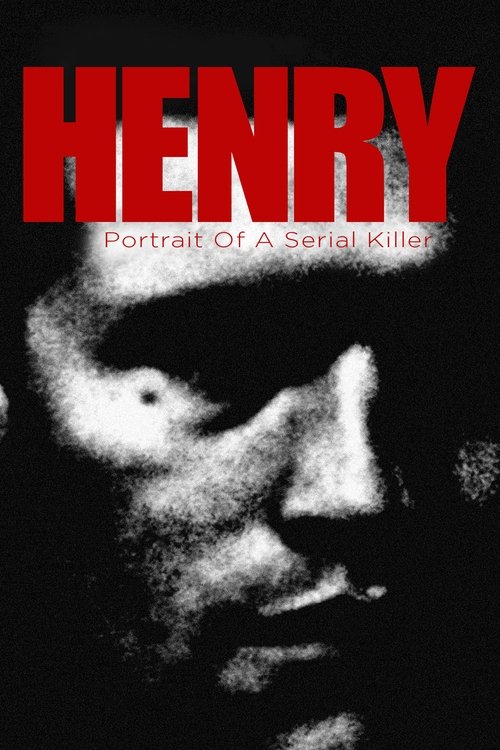
Henry: Portrait of a Serial Killer1986
John McNaughton's unflinching character study of a drifter and his accomplice. It treats its subject with anthropological distance rather than titillation, making it far more disturbing than any slasher.
But There is no catharsis, redemption, or tidy resolution. The mundanity of evil is the point, which some find tedious rather than terrifying.
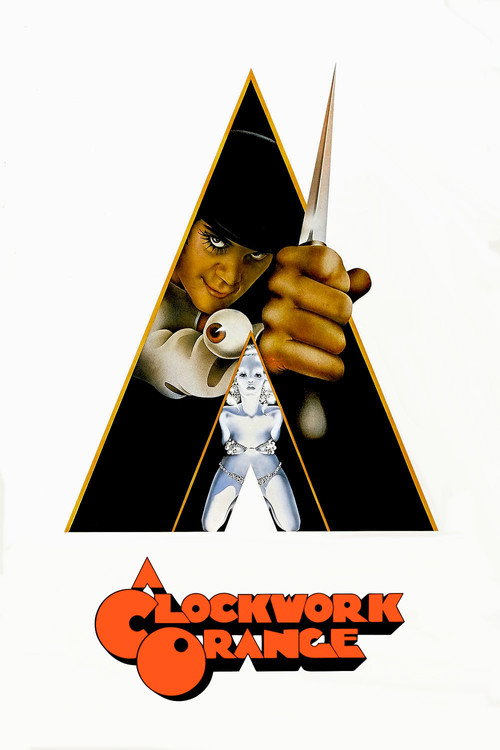
A Clockwork Orange1971
Kubrick's controversial adaptation of Burgess's novel. A violent youth is subjected to aversion therapy. It's visually audacious and philosophically dense, asking hard questions about free will and punishment.
But The sexual violence is stylised rather than realistic, which some find more disturbing. The film can feel glacial and distancing intentionally.
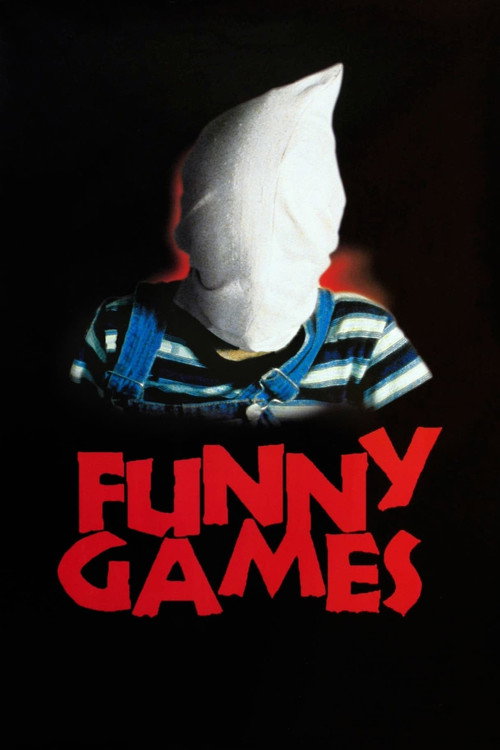
Funny Games1997
Michael Haneke's meta-horror. Two polite young men invade a family's home and force them into a sick game. Haneke is explicitly critiquing your appetite for watching this; the film becomes argument.
But It's deliberately repetitive and punishing. Haneke wants you bored and complicit. If you want entertainment, this denies it to you.
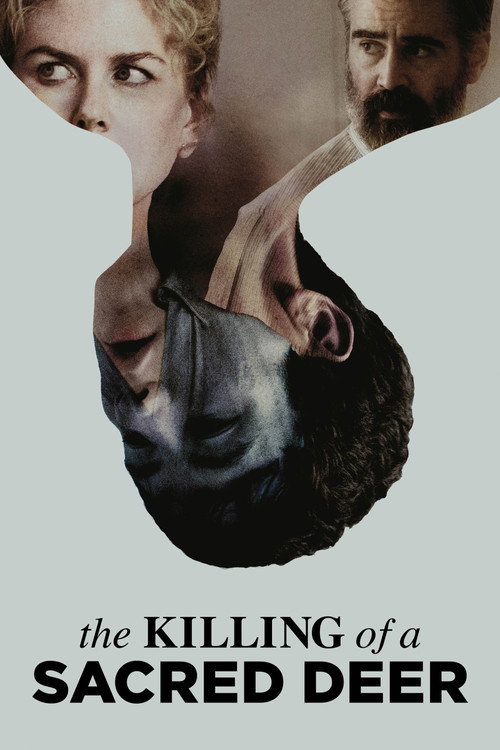
The Killing of a Sacred Deer2017
Yorgos Lanthimos's modern tragedy. A surgeon's family is stalked by a mysterious teenager seeking revenge. It's formally precise and mythologically weighted, exploring guilt and punishment through ritual.
But The dialogue is stilted and the tone glacial. It's closer to Greek tragedy than naturalism, which alienates many viewers.
Under the Skin2014
Jonathan Glazel's alien thriller. Scarlett Johansson, mostly silent, prowls Glasgow picking up men. It's hypnotic and unsettling, more poem than plot, a meditation on predation and otherness.
But Almost nothing happens in conventional narrative terms. If you need dialogue and clear motivation, you'll be bored within ten minutes.

Raw2017
Julia Ducournau's debut about a vegetarian girl at veterinary school who develops a taste for human flesh. It's sensual, funny, and genuinely disturbing; body horror as coming-of-age metaphor.
But Cannibalism scenes are visceral. The film is deliberately transgressive and the ending will divide you completely.

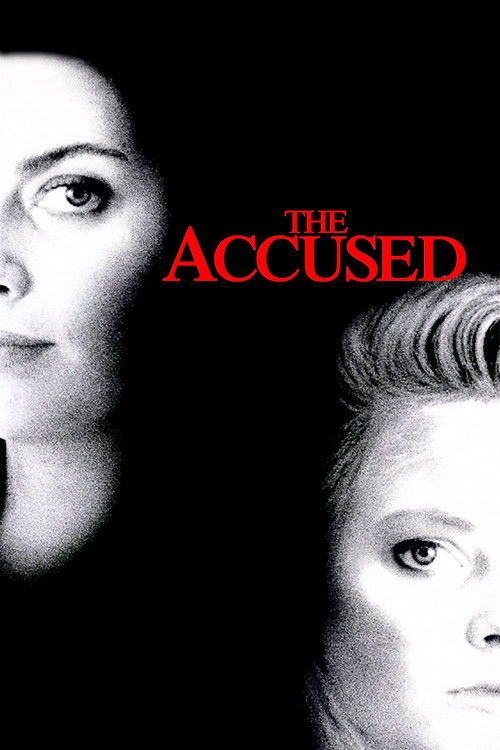
The Accused1988
Where Craven shows violence as unavoidable consequence, Kaplan shows how the system revictimises. They're different arguments about the same horror.
Jonathan Kaplan's courtroom drama about a rape victim fighting for justice. Jodie Foster is extraordinary; the film is angrier about systemic betrayal than personal violence, and it doesn't look away from victim-blaming.
But It's from mainstream cinema (Paramount), conventional in structure, and has a legal resolution. It may feel too comfortable if you want transgression rather than reform.
Come and See1985
Both are anti-violence films that use brutality to argue against brutality. Both demand maturity from the viewer. Both stay with you as warning rather than entertainment.
Elem Klimov's Soviet war film about a boy conscripted into the Red Army during WWII. It's visually beautiful and narratively devastating, an absolute condemnation of violence and nationalism. Unlike most war films, it never glorifies.
But It's a foreign film from 1985 with limited distribution; the violence is contextual rather than sensational; it's meditative rather than thrilling; many find it unbearably bleak.

People
Cast
 Sandra PeabodyMari Collingwood (as Sandra Cassell)
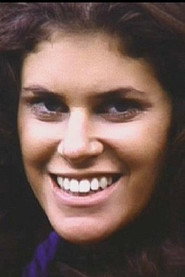 Lucy GranthamPhyllis Stone
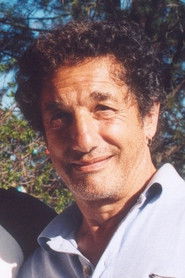 David HessKrug Stillo (as David A. Hess)
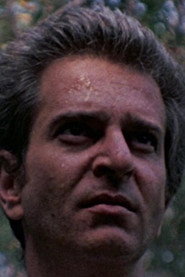 Fred J. LincolnFred 'Weasel' Padowski (as Fred Lincoln)
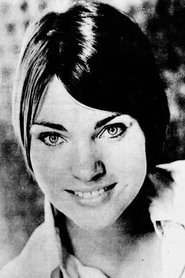 Jeramie RainSadie
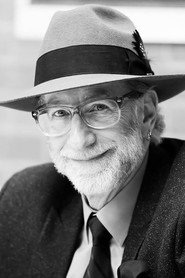 Marc ShefflerJunior Stillo
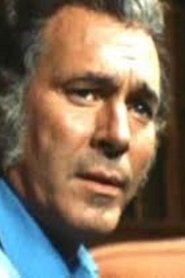 Richard TowersDr. John Collingwood (as Gaylord St. James)
- Cynthia CarrMrs. Estelle Collingwood
- Marshall AnkerSheriff
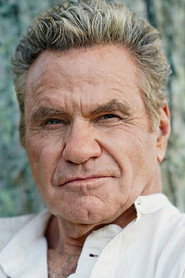 Martin KoveDeputy
- Ray EdwardsMail Man
Directing
- Yvonne HannemannAssistant Director
- Wes CravenDirector
Writing
- Wes CravenWriter
Production
- Katherine D'AmatoAssociate Producer
- Sean S. CunninghamProducer
- Steve DworkProduction Assistant
- Steve MinerProduction Assistant
- Larry BeinhartUnit Production Manager
Recommended by
Kalifornia, The Virgin Spring, The Texas Chain Saw Massacre, Day of the Woman, I Spit on Your Grave, Thriller: A Cruel Picture, Friday the 13th Part 2, Killer: A Journal of Murder, I Drink Your Blood, The Unseen, The Killing Kind, Trash, Chrome and Hot Leather, Mother's Day, The Born Losers, Night of the Dark Full Moon, Lovers, Jackson County Jail, The Flesh and Blood Show, The Possession of Joel Delaney, Alma, The House by the Lake, The Fun House