
Film
The Possession of Joel Delaney
- Supernatural horror
- Fantasy
- Very dark
A 1972 possession horror that trades supernatural spectacle for creeping dread and social unease. Shirley MacLaine's wealthy Manhattan divorcee watches her brother deteriorate into something violent and other, convinced he's inhabited by a murdered man's vengeful spirit. It's slow-burn, ambiguous, and deeply uncomfortable—less about scares than about the things we refuse to see in people we love.
If you liked this
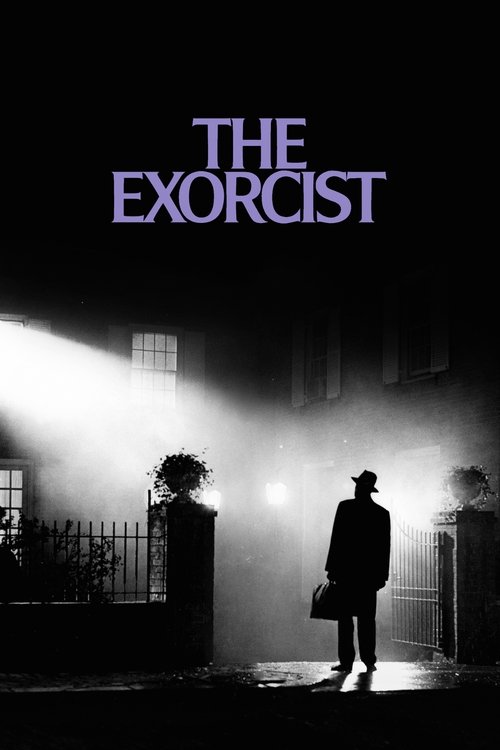
The Exorcist1973
The definitive possession film, but where Exorcist goes operatic and visceral, this finds horror in subtlety. Both trap you with a protagonist who sees something nobody else will believe.
But The pacing is glacial by modern standards, and the payoff is deliberately withholding rather than cathartic.
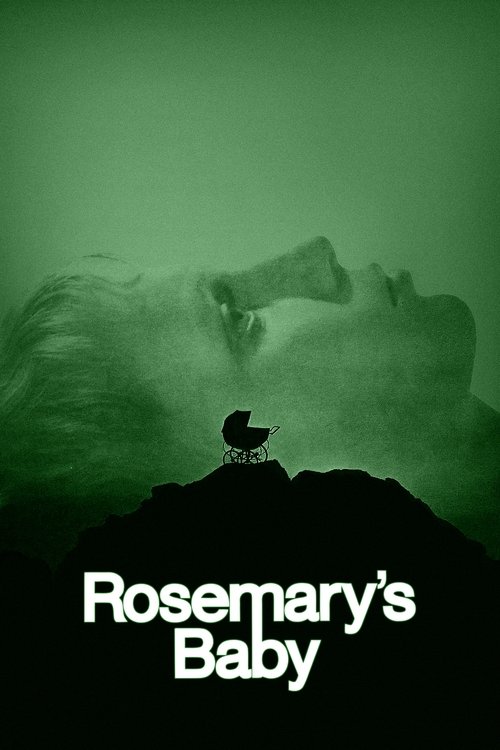
Rosemary's Baby1968
Another paranoia-laced 70s horror about a woman isolated by her own circle. Both build dread through gaslighting and the question of whether anything supernatural is real.
But Slow and conversational; the horror lives in insinuation rather than incident. Requires patience.
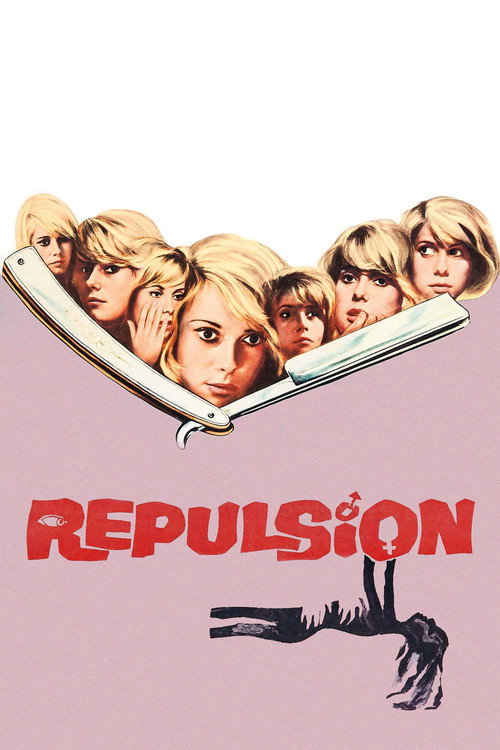
Repulsion1965
Catherine Deneuve's psychological breakdown in a locked flat has the same claustrophobic intensity. Both ask: is the possession real, or is the mind itself the haunted house?
But Deliberately ambiguous about what's happening. Some find that frustrating rather than unsettling.
Not sure tonight? Get a pick in a minute, starting from The Possession of Joel Delaney
The wildcard
Something you would not have found on your own.
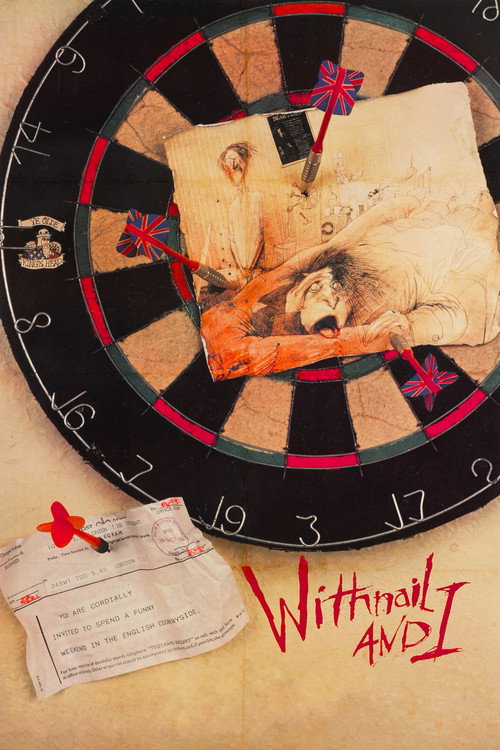
Withnail & I1987
Both protagonists deteriorate before a witness who cannot stop it; both explore the terror of loving someone who is becoming a stranger.
The connection is oblique but genuine: both are about men spiraling, watched by someone who loves them and cannot help. Here it's comic, but the dread of watching someone you know dissolve is identical. A radically different register reveals what both films actually fear.
But A cult British comedy that assumes you find alcoholism and failure hilarious. The tone is flip where Delaney is grave; that whiplash isn't for everyone.
More like this (8)
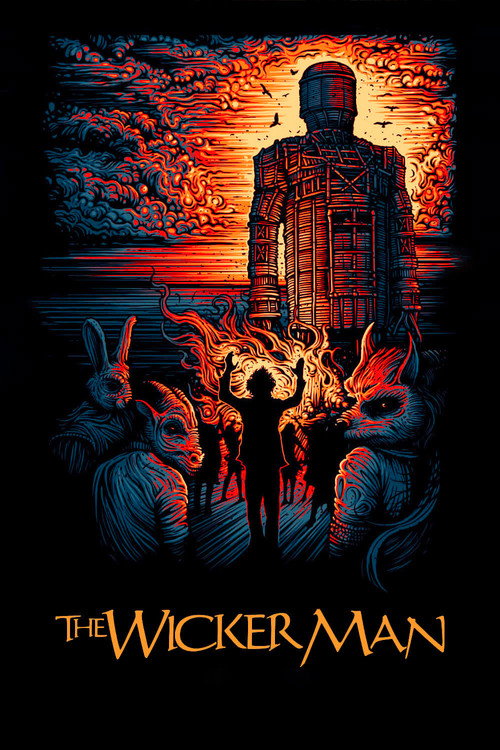
The Wicker Man1973
Folk-horror alternative to mainstream possession tales. A stranger arrives and finds a community operating under rules he can't comprehend—same era, same moral vertigo.
But The ending divides audiences. Some find it brilliant; others find it nihilistic in a way that doesn't earn itself.
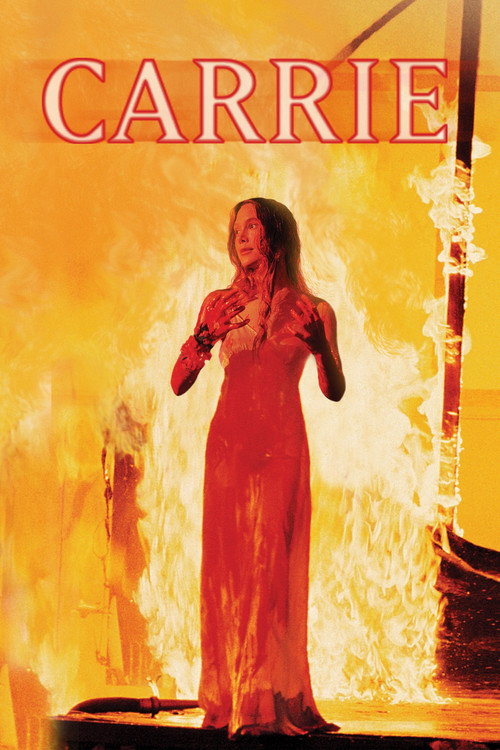
Carrie1976
De Palma's high-school nightmare shares the early-70s sensibility and uses the body as the site of horror. Both are about power surfacing in the wrong person.
But Carrie is far more kinetic and satisfying. If you want a possession story with a proper climax, this delivers it; Joel Delaney doesn't.
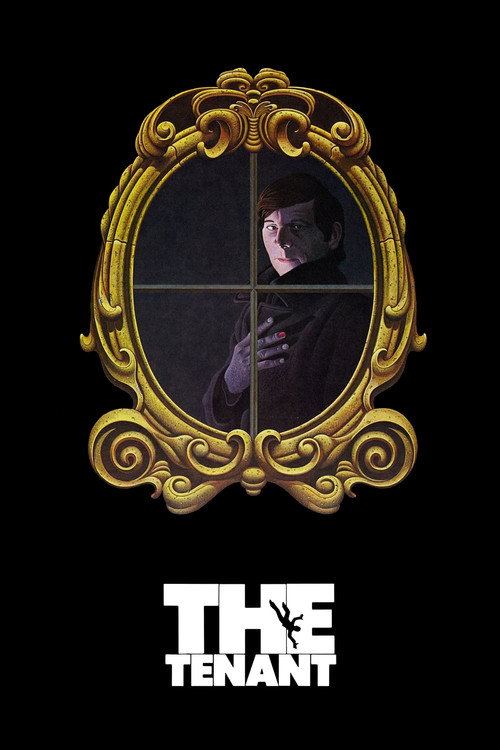
The Tenant1976
Polanski's descent into paranoia and identity fragmentation in a Parisian apartment building. Unsettling in the same way—reality becomes unreliable, and the protagonist might be complicit in their own unraveling.
But Actively hostile to the audience at times. Demands active discomfort; comfort is never on offer.
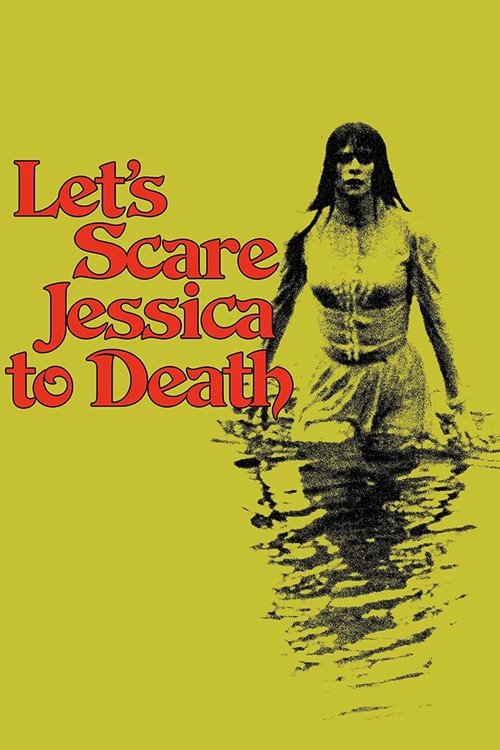
Let's Scare Jessica to Death1971
A woman fresh from psychiatric care returns to a rural house and begins to unravel—or is she already unraveled? Same question as Delaney: perception versus reality in horror.
But Extremely low-budget look and acting that's occasionally rough. Period charm works only if you're willing to meet it halfway.
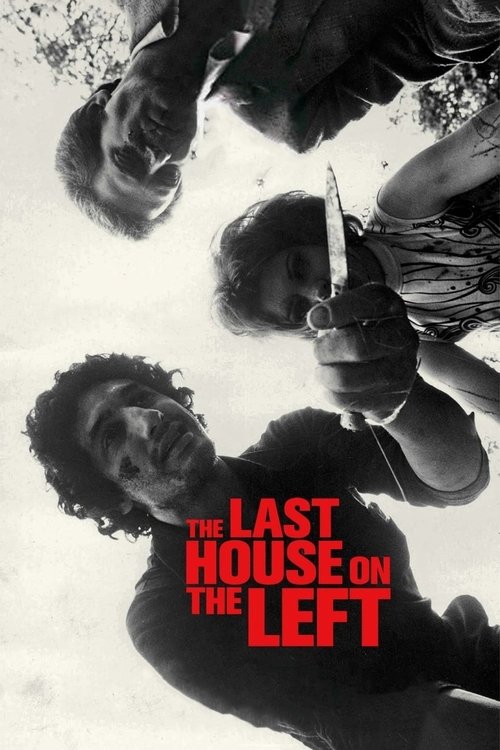
The Last House on the Left1972
Wes Craven's transgressive debut is from the same year, same era of horror willing to suggest horror exists in people, not just spirits. Dark moral complexity throughout.
But Intensely brutal and exploitative. Not a film to enjoy—an ordeal to survive.
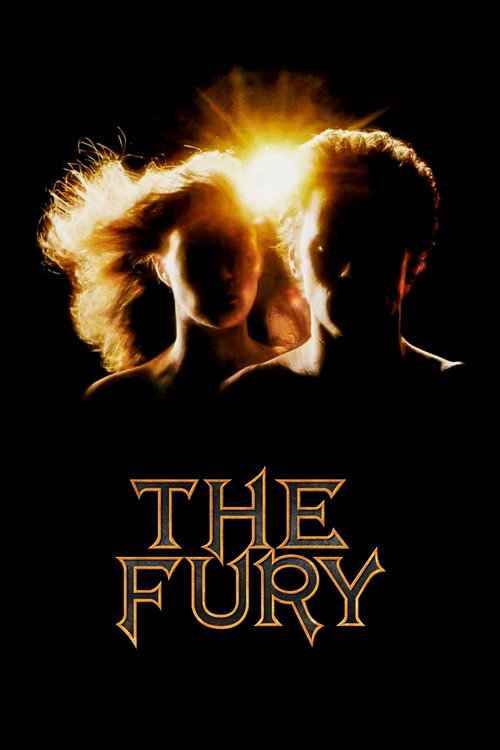
The Fury1978
De Palma's telekinetic thriller has the same 70s paranoia and a body under siege. Possession by psychic force rather than spirit, but the violation feels similar.
But Stylish but narratively incoherent. Some sequences soar; others lose the thread entirely.
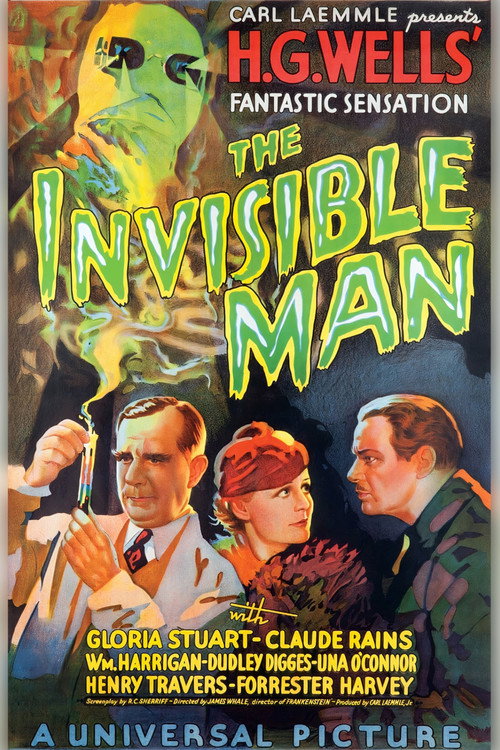
The Invisible Man1933
Both trace the transformation of a man into something monstrous and unseen, and both ask whether the transformation is supernatural or just what power does to us.
James Whale's 1933 classic inverts the possession premise: power makes a man invisible, isolates him, corrupts him. The horror is the same—a man becoming something unknowable. It's older, and stranger, and devastating in ways modern horror rarely attempts.
But 90 years old. Monochrome. The pacing and dialogue will feel alien to anyone raised on modern film. No jump scares, no gore, no mercy either.
Possession1981
Both use possession as a metaphor for the collapse of intimacy and the violation of the body by something that wears a familiar face.
Andrzej Żuławski's Polish-French nightmare about a couple's marriage collapsing into literal body horror and demonic chaos. It's possession-adjacent and apocalyptic, but what it really shares is the 70s sense that breakdown is inevitable and grotesque and sexy-dangerous.
But Aggressively difficult. Deliberately incoherent in structure. Some will call it a masterpiece; others will find it self-indulgent provocation. There's no middle ground.

People
Cast
 Shirley MacLaineNorah Benson
 Perry KingJoel Delaney
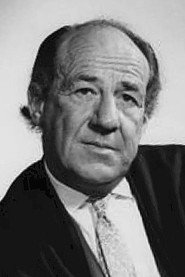 Michael HordernJustin
- David ElliottPeter Benson
- Lisa KohaneCarrie Benson
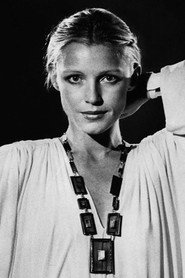 Barbara TrenthamSherry
- Lovelady PowellErika
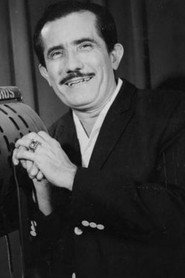 Edmundo Rivera ÁlvarezDon Pedro
 Teodorina BelloMrs. Pérez
- Robert BurrTed Benson
 Miriam ColonVeronica
- Ernesto GonzalezYoung Man at Séance
Directing
- Alan HopkinsAssistant Director
- Alex HapsasAssistant Director
- Michael HaleyAssistant Director
- Waris HusseinDirector
- Roberta HodesScript Supervisor
Writing
- Ramona StewartNovel
- Irene KampScreenplay
- Matt RobinsonScreenplay
Production
- Jessica LevyCasting
- George JustinExecutive In Charge Of Production
- Vic RamosExtras Casting
- Martin PollProducer