
Film
Rebel Rousers
- Street-gang crime
- Very dark
A 1970 exploitation film about a motorcycle gang terrorizing a coastal town, with a businessman caught between brutal criminals and a system that won't help him. Raw, morally ugly, and shockingly violent for its era—this is genre filmmaking as social accusation, not escapism. It's for viewers who appreciate early '70s genre cinema's willingness to sit in genuine discomfort.
If you liked this
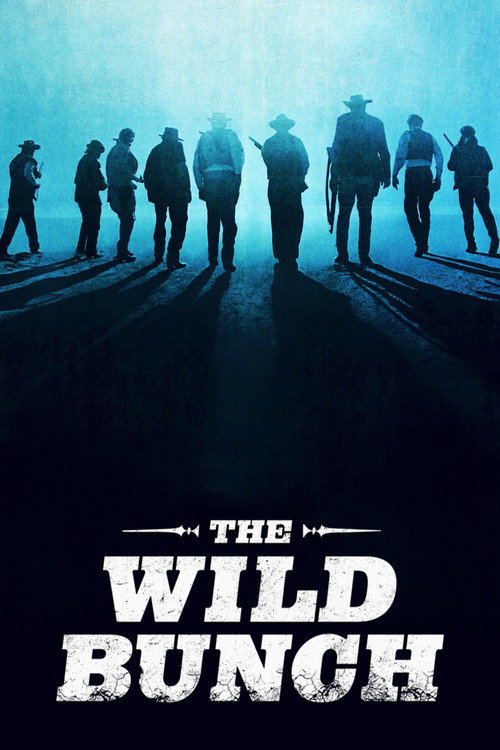
The Wild Bunch1969
Peckinpah's masterpiece about aging outlaws in a collapsing world. Like Rebel Rousers, it uses violence not for thrills but as a language of desperation and moral decay. Operatic where this is raw, but spiritually aligned.
But Nearly two hours of slow-burn character study before the violence hits. Some find Peckinpah's self-regard exhausting, and the pacing demands patience.
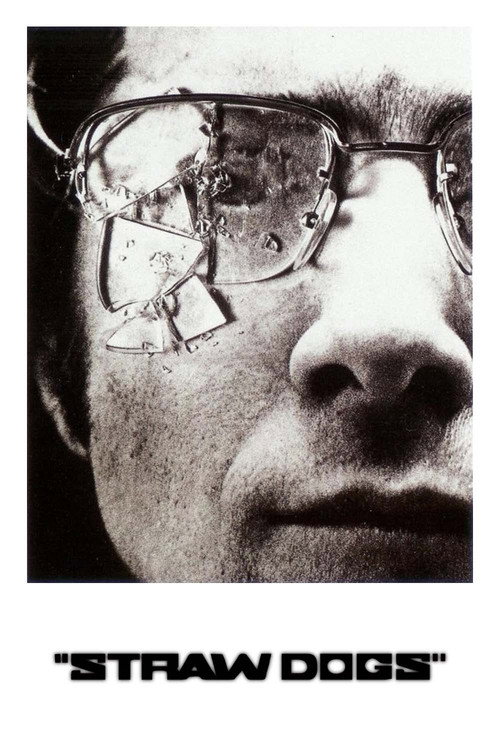
Straw Dogs1971
Another Peckinpah film that does what Rebel Rousers attempts: uses genre violence to interrogate masculinity and the failure of institutions. A man forced to become a killer in his own home. Genuinely unsettling.
But The sexual violence is graphic and the film's gender politics remain contested. It's punishing to watch, which is the point—but that's not for everyone.
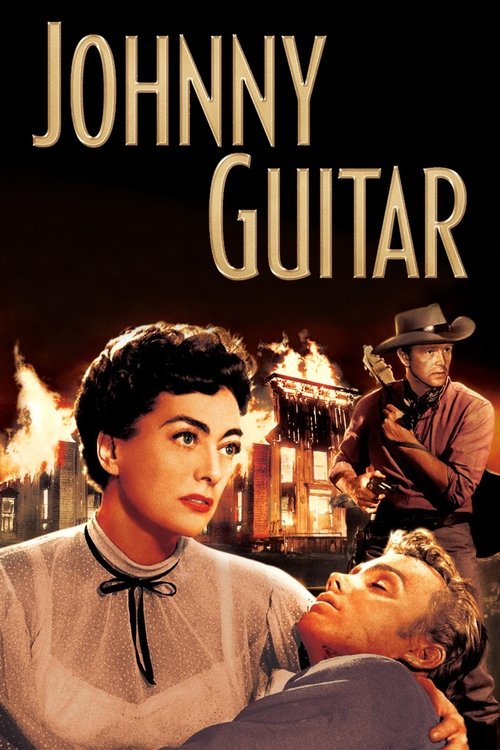
Johnny Guitar1954
Ray's revisionist Western subverts genre expectations by centering female power and moral ambiguity. Like Rebel Rousers, it asks uncomfortable questions about community, violence, and who we protect.
But The gender dynamics, while progressive for 1954, play oddly now. Joan Crawford is fascinating but the film's pacing is deliberate to the point of monotony.
Not sure tonight? Get a pick in a minute, starting from Rebel Rousers
The wildcard
Something you would not have found on your own.
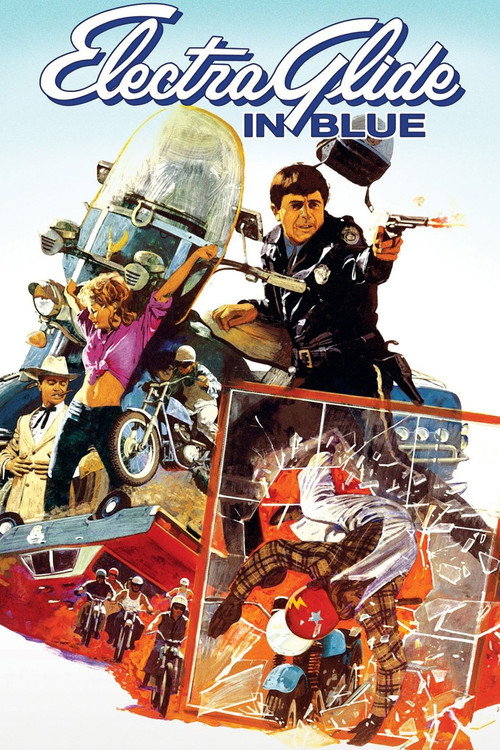
Electra Glide in Blue1973
Both use motorcycle culture as a lens on American institutional failure and the violence that erupts when systems won't protect ordinary people.
A motorcycle cop in Arizona investigates a murder. It's a Western-noir hybrid that uses the motorcycle and the landscape as moral statements. Where Rebel Rousers shows bikers as destroyers, this makes one a seeker of truth in a corrupt world.
But It's meditative and visually driven rather than plot-driven. The ending is ambiguous and bleakly ironic in ways that anger some viewers.
More like this (7)
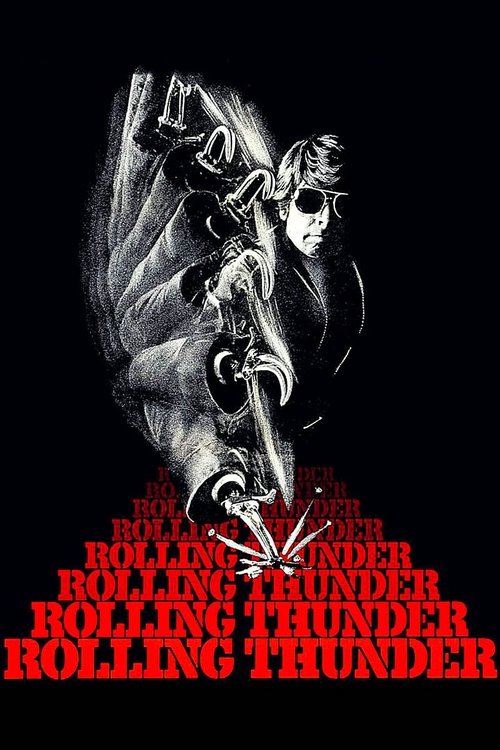
Rolling Thunder1977
A Vietnam vet returns home to a town that has moved on, and violence erupts. John Flynn directs with the same '70s moral bleakness as Rebel Rousers—institutions fail, so men take justice themselves.
But The revenge plot is predictable and the characterization thin. It works as mood and style, not as story, which limits its reach.
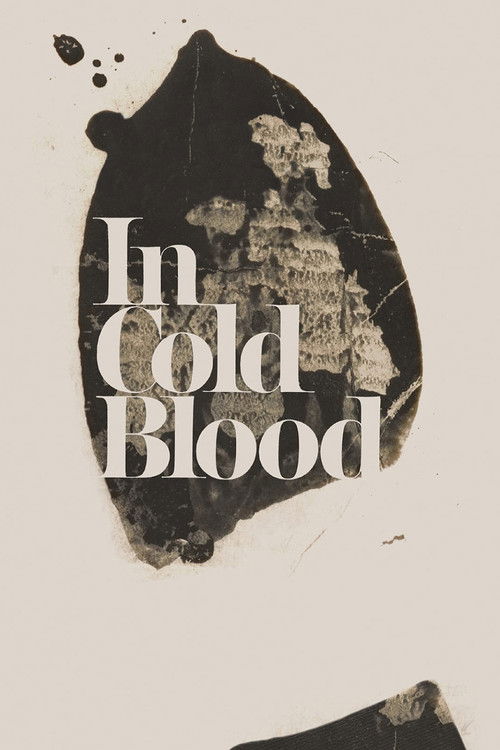
In Cold Blood1967
Bogdanovich's adaptation of Capote's non-fiction novel. A precise, methodical examination of violence and the people who commit it. That same refusal to flinch or moralize.
But It's a procedural, not a thriller—glacially paced and emotionally distant. Some find it cold to the point of boredom.
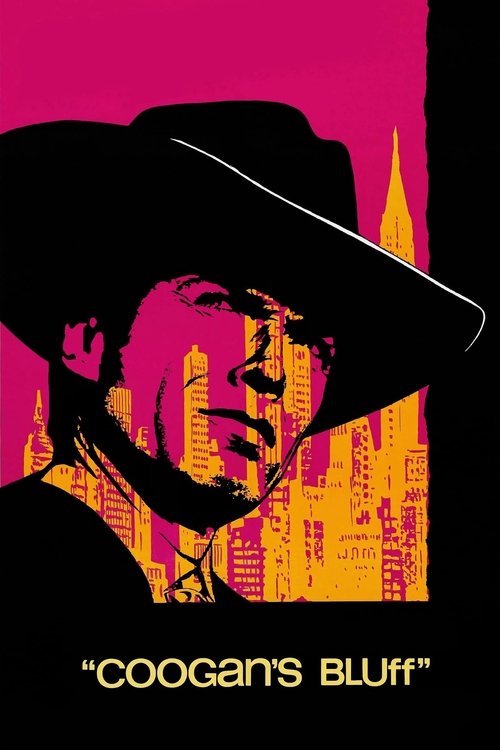
Coogan's Bluff1968
Siegel's Eastwood film: a cop from Arizona in New York, caught between duty and impulse. Tighter and more stylish than Rebel Rousers, but that same distrust of official channels.
But It's a police procedural with occasional action, not an action film. Eastwood fans expecting gunfights will be disappointed.
The Killers1946
Siodmak's noir masterpiece: two hit men arrive in a small town to kill a man. The architecture of violence and fate. Visually stunning in ways Rebel Rousers isn't, but morally kindred.
But Shot in glossy black-and-white noir style—beautiful but distancing. The plot is secondary to mood, which can feel frustrating.

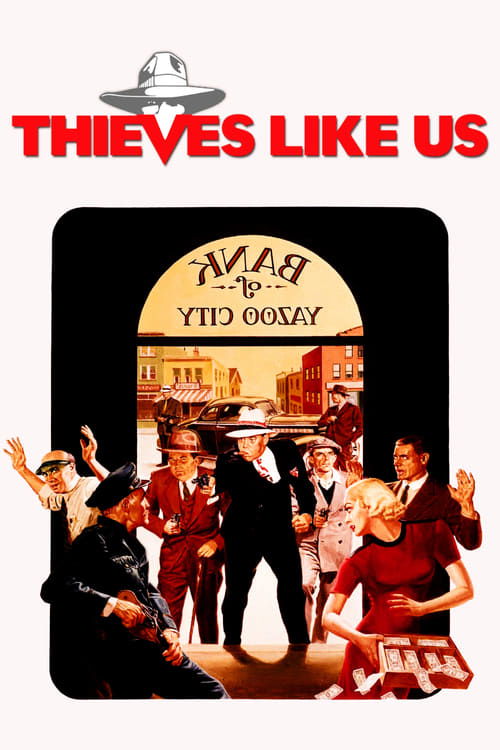
Thieves Like Us1974
Altman's Depression-era crime film. A gang of bank robbers, small-town life, and the slow erosion of loyalty. Same '70s skepticism about institutions and the people caught in them.
But Altman's overlapping dialogue and ensemble approach obscure the plot. If you need clear narrative, this will frustrate you.
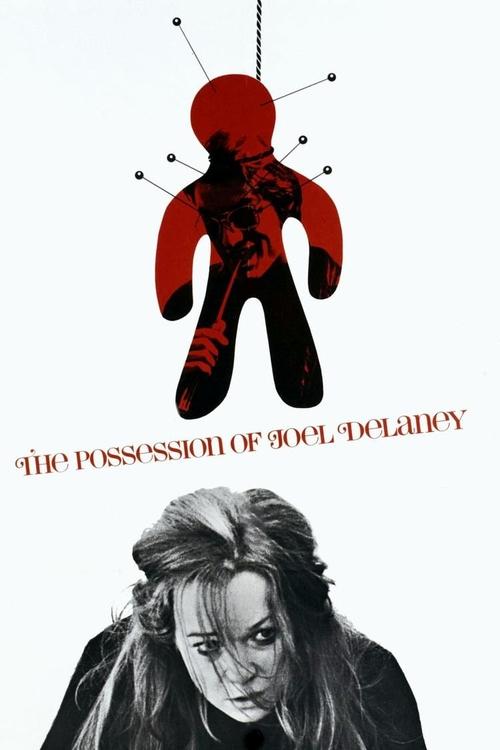
The Possession of Joel Delaney1972
Both films pit vulnerable characters against brutal, incomprehensible violence. Both suggest that the real horror is how indifferent the world is to suffering.
A psychological horror film where a Manhattan woman's brother becomes possessed by the spirit of a dead gang member. Genre mashup: possession film, urban decay, class anxiety, and genuine violence. Completely unhinged in the best way.
But The tone is genuinely bizarre—it doesn't know whether it's serious horror or camp exploitation. That instability bothers viewers looking for tonal consistency.
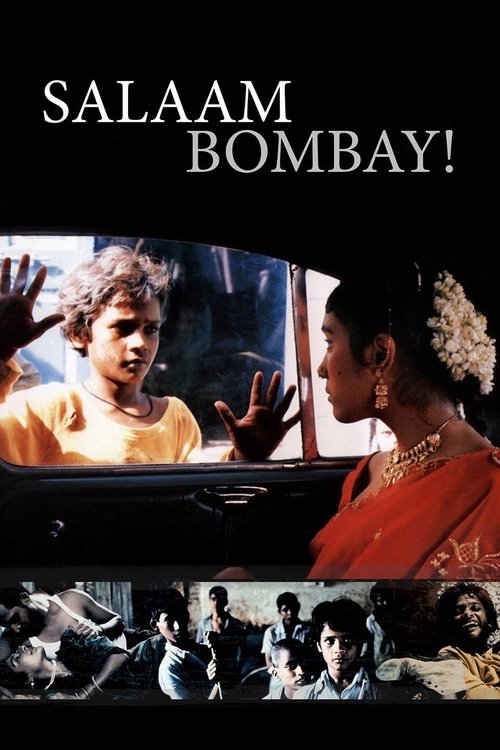
Salaam Bombay!1988
Like Rebel Rousers, it refuses to flinch from the violence that desperation creates, and asks why institutions fail the vulnerable. Both treat brutality as a fact, not a spectacle.
Mira Nair's film about street children in Mumbai, shot with non-professional actors. Violence is present but the film's real subject is systems that have abandoned children. Utterly unsentimental and devastating.
But It's harrowing. The poverty and exploitation are relentless, and there's no catharsis. Many find it too difficult to finish, let alone enjoy.
People
Cast
 Cameron MitchellPaul Collier
 Bruce DernJ.J. Weston
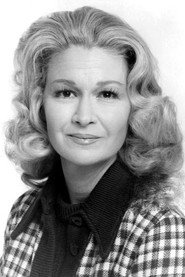 Diane LaddKaren
 Jack NicholsonBunny
 Harry Dean StantonRandolph Halverson
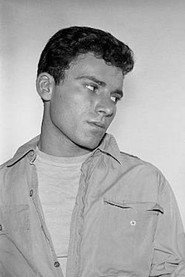 Neil BurstynRebel
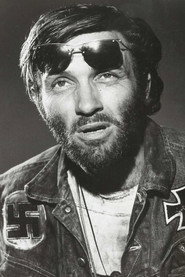 Lou ProcopioRebel
- Earl FinnRebel
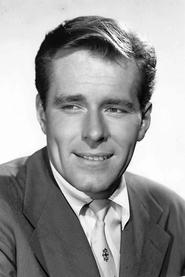 Philip CareyRebel
 Robert DixMiguel
- Sid LawrenceTownspeople
 John "Bud" CardosTownspeople
Directing
- Martin B. CohenDirector
Writing
- Abe PolskyScreenplay
- Martin B. CohenScreenplay
- Michael KarsScreenplay
Production
- Dascha AuerbachAssociate Producer
- Rex CarltonExecutive Producer
- Martin B. CohenProducer