
Film
Coogan's Bluff
Clint Eastwood is a rough Arizona lawman dropped into 1968 New York City to chase an escaped prisoner. It's a fish-out-of-water crime thriller that uses the culture clash for real tension and comedy. A Dirty Harry prototype with one eye on the procedural, the other on Eastwood's growing legend.
Should you watch it?
Watch it if you like a fish-out-of-water crime story where a stubborn outsider's blunt instincts clash with city ways, and gritty late-sixties New York grit appeals more than polish.
Skip it if you want a tightly plotted mystery with clever reveals; this one leans on attitude, street texture and a fairly loose, episodic chase rather than puzzle-solving.
What it asks of you: It runs a brisk ninety-four minutes and mostly stays on the move, so it asks you to settle into its scruffy atmosphere and accept a lot of hard-boiled swagger.
Not sure? Find tonight's pick in a minute.
If you liked this
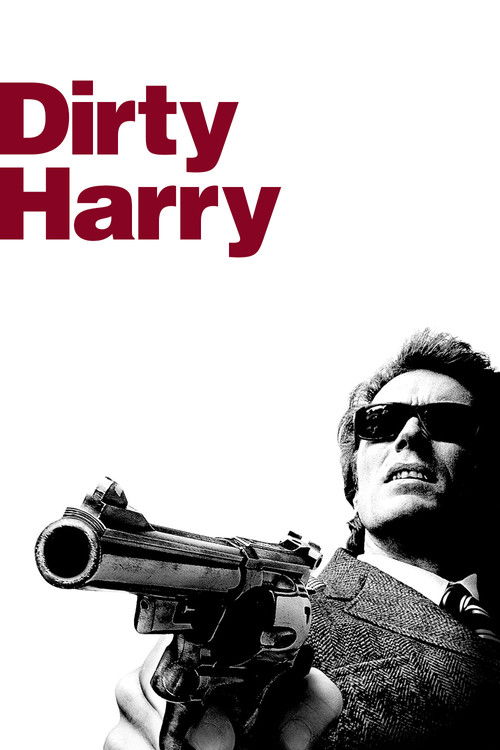
Dirty Harry1971
The spiritual successor to Coogan's Bluff, with Eastwood fully formed as the iconic cynical cop. Tighter, meaner, with a gun that changes cinema. Everything this film was reaching for, crystallized.
But The politics haven't aged gracefully—it's brutal in its contempt for due process and the justice system, which some find repellent rather than thrilling.
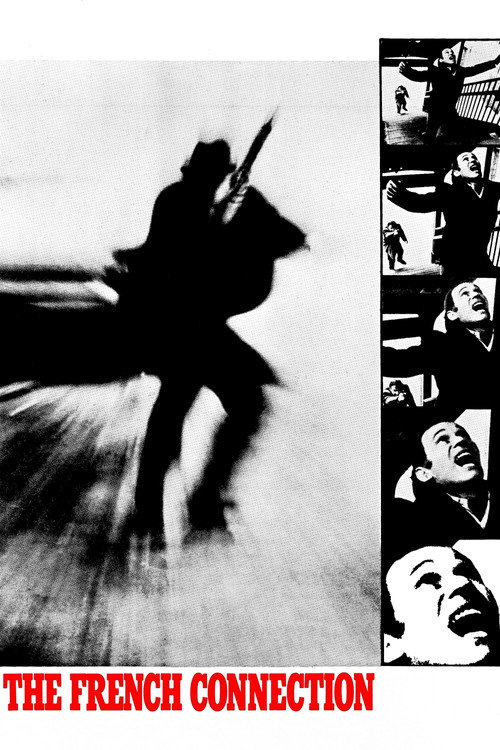
The French Connection1971
Another New York cop thriller made around the same time, but grounded in real police work and urban grit. Gene Hackman is magnificent, and the famous car chase is still breathtaking.
But It's longer and slower, with less of Coogan's swagger. The 1970s aesthetic is dense and grainy in a way that can feel heavy.
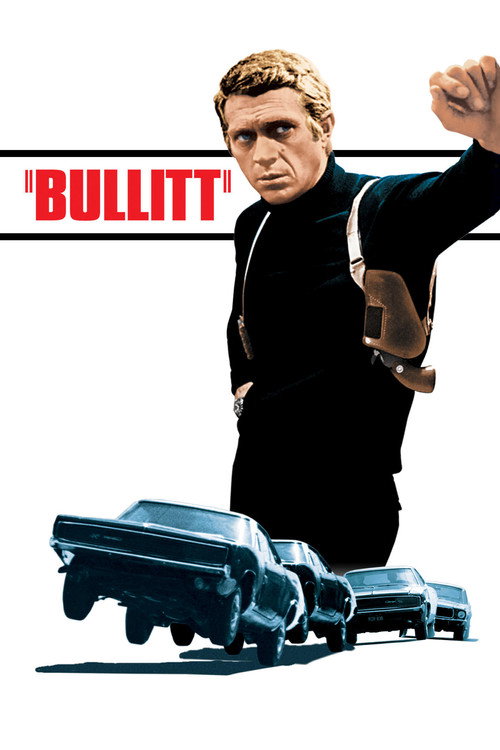
Bullitt1968
Steve McQueen as a taciturn San Francisco detective, same year as Coogan's Bluff. Cool, methodical, with the legendary car chase that set the template. McQueen and Eastwood were the two faces of this archetype.
But It moves deliberately—long scenes of driving and waiting. If you want constant momentum, you'll find it slack.
Not sure tonight? Get a pick in a minute, starting from Coogan's Bluff
The wildcard
Something you would not have found on your own.
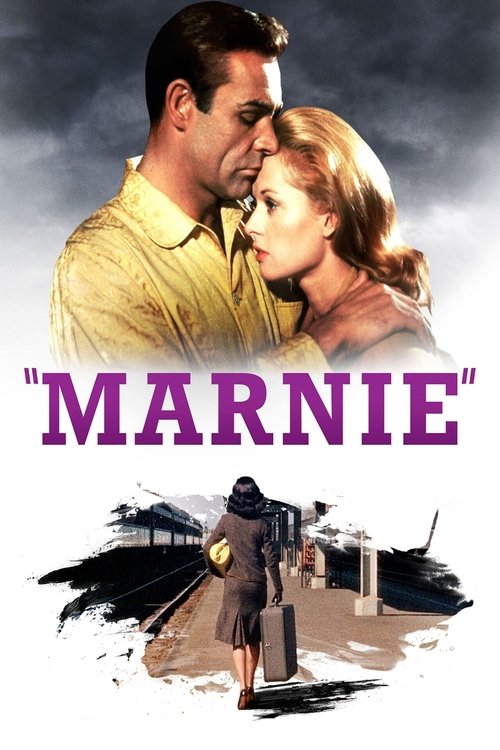
Marnie1964
Both center on a man's pursuit of a fugitive, but where Coogan's Bluff is about jurisdiction and law, Marnie is about psychological compulsion and the male gaze. Eastwood would later wrestle with these themes explicitly; here he's still innocent of them.
Tippi Hedren as a compulsive thief, Eastwood—wait, no. Sean Connery opposite her. A Hitchcock psychological thriller about obsession and control. The connection: both films are about a man pursuing a fugitive across America, but Hitchcock's version is about desire and trauma, not law and order.
But It's sexually tense in ways that are uncomfortable now. The class dynamics and the ending suggest some deeply troubling assumptions.
More like this (8)
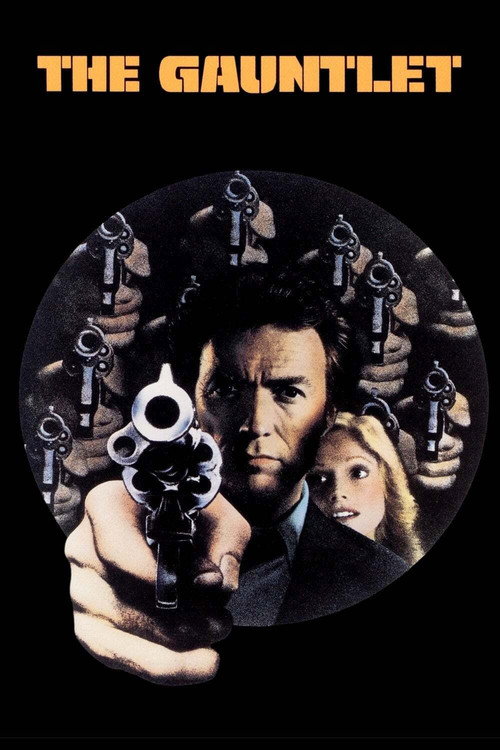
The Gauntlet1977
Eastwood again, this time as a cop protecting a witness across America. Paranoid, explosive, and purely functional storytelling. It's Coogan's Bluff turned up to eleven, no pretense.
But It's not interested in character depth or subtlety. If you need layers, this won't provide them.
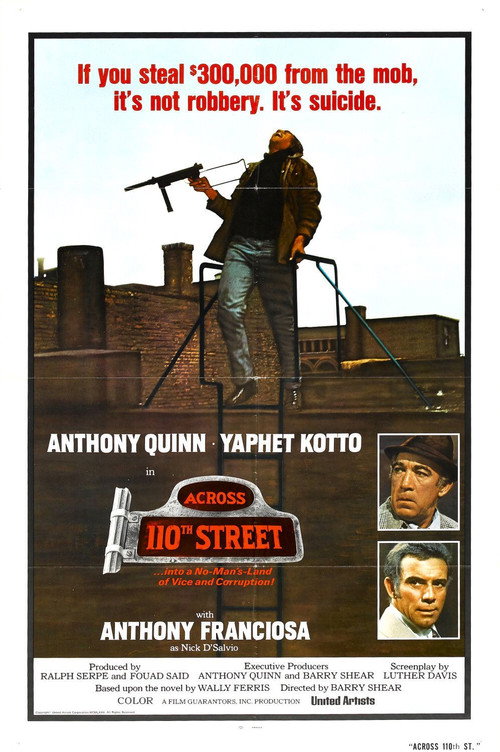
Across 110th Street1972
Anthony Quinn and Yaphet Kotto in a gritty Harlem crime film. Real locations, real anger, real New York. It has the texture Coogan's Bluff was reaching for and then some.
But It's rougher and darker than Eastwood's film, and some of the racial politics are complicated. Not a crowd-pleaser.
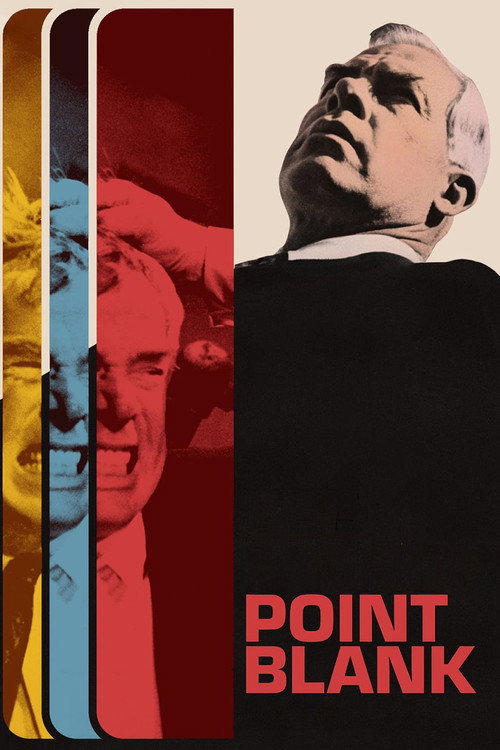
Point Blank1967
Lee Marvin on a revenge rampage through Los Angeles, directed by John Boorman. Stylish, violent, and structurally audacious. A crime thriller that knows it's operating in a heightened register.
But The narrative is deliberately fragmented and sometimes confusing. It prioritizes mood and image over clarity.
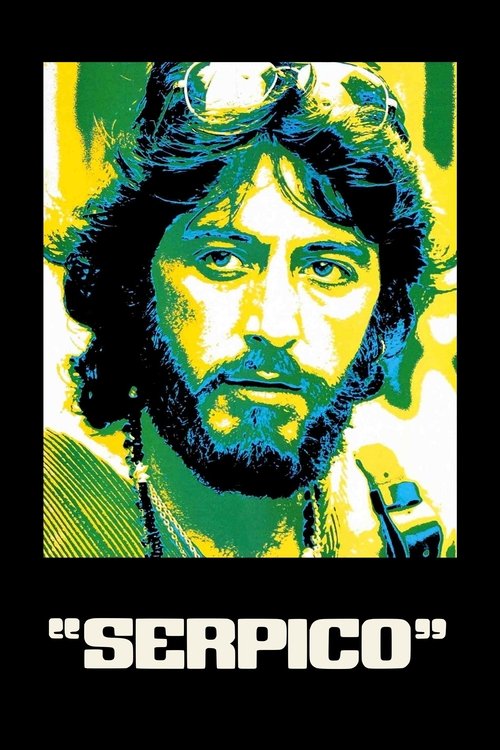
Serpico1973
Al Pacino as a cop fighting corruption in New York. Procedural, earnest, and utterly grounded. It's what happens when the cop movie gets a conscience.
But It can feel preachy, and the 1970s aesthetics might feel dated in a different way than Coogan's Bluff.
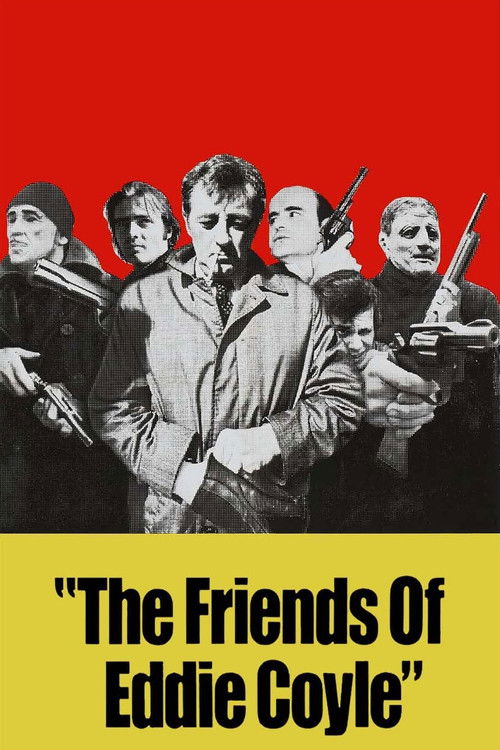
The Friends of Eddie Coyle1973
Robert Mitchum in Boston, small-time crime and betrayal. Quiet and hopeless and perfectly acted. A crime film that believes in tragedy.
But It's deliberately unglamorous and downbeat. There's no heroism here, and that can be a slog.
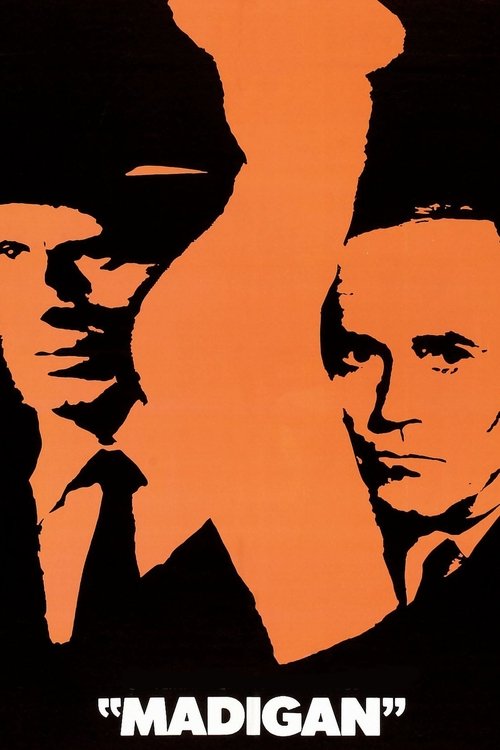
Madigan1968
Richard Widmark as a New York detective. Made the same year as Coogan's Bluff, also directed by Don Siegel. A solid procedural with real cop-shop authenticity.
But It doesn't have Eastwood's charisma or any real star power. It's workmanlike in a way that can feel anonymous.
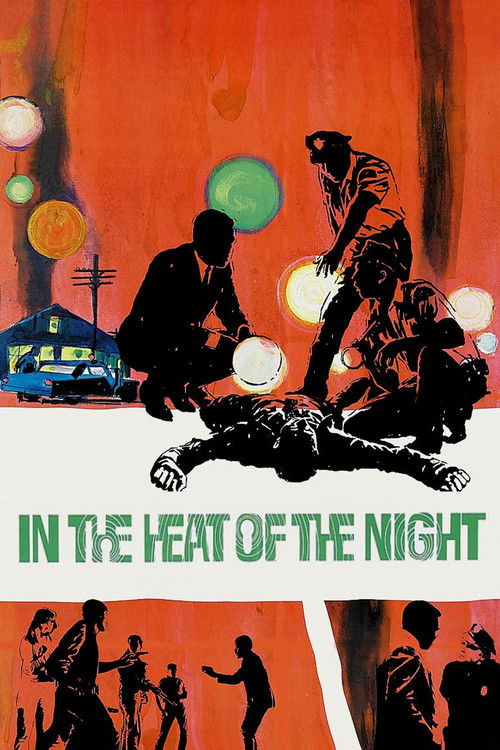
In the Heat of the Night1967
Both are cop thrillers using geography as tension—a cop out of place in a world he doesn't understand. But Poitier's film uses that dislocation as moral argument. Coogan's Bluff is content to mine it for action.
Sidney Poitier and Rod Steiger in Mississippi, solving a murder. A buddy cop film before the genre existed, and a film about America's racial reckoning embedded in a thriller. Brilliant and angry and moving.
But The racial dynamics are central and won't feel abstract. Some viewers find the ending too neat given the ugliness that precedes it.
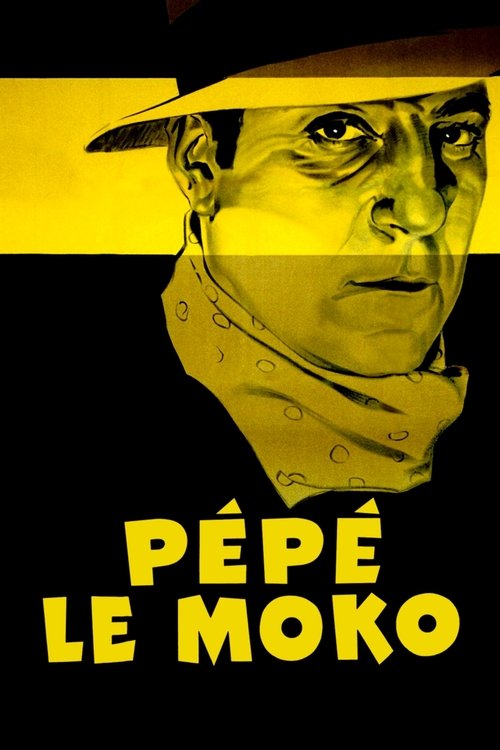
Pépé le Moko1937
The clearest ancestor: cop pursues criminal across an unfamiliar landscape, and the pursuit becomes a kind of dance. But where Coogan's Bluff treats it as spectacle, Pépé le Moko treats it as tragedy. Seeing them together shows how much the American action film has gained in speed and lost in fatalism.
A French gangster hiding in the Casbah, pursued by a cop. Made before the form hardened into cliché. Moody, fatalistic, with Gabin magnetic in the lead. This is where the template for every cop-and-criminal narrative comes from.
But It's in French with subtitles, shot in the late 1930s on a studio set, and operates at a deliberate pace. The romanticism of the criminal life won't appeal to everyone.
People
Cast
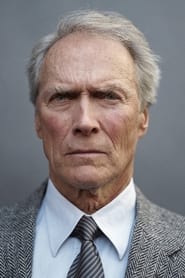 Clint EastwoodCoogan
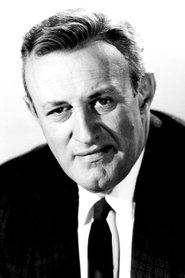 Lee J. CobbLt. McElroy
 Susan ClarkJulie Roth
 Tisha SterlingLinny Raven
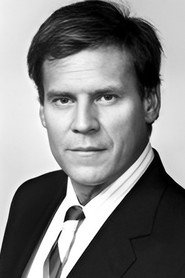 Don StroudJames Ringerman
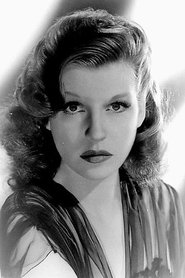 Betty FieldEllen Ringerman
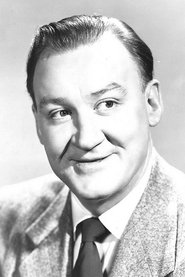 Tom TullySheriff McCrea
 Melodie JohnsonMillie
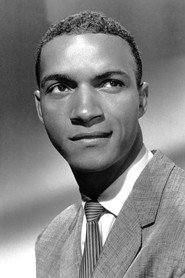 James EdwardsSgt. Jackson
- Rudy DiazRunning Bear
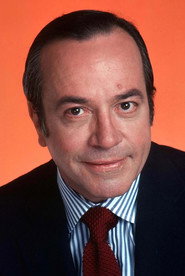 David DoylePushie
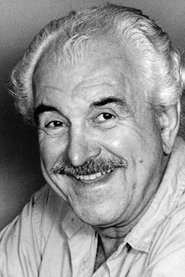 Louis ZorichTaxi Driver
Directing
- Joseph C. CavalierAssistant Director
- Don SiegelDirector
- Ted SwansonSecond Assistant Director
Writing
- Clint EastwoodScreenplay
- Dean RiesnerScreenplay
- Herman MillerScreenplay
- Howard A. RodmanScreenplay
- Herman MillerStory
Production
- Irving L. LeonardAssociate Producer
- Clint EastwoodExecutive Producer
- Richard E. LyonsExecutive Producer
- Don SiegelProducer
- Bob LarsonUnit Production Manager
Recommended by
Walking Tall, Badge 373, The Hunter, Rebel Rousers, The Italian Connection, Busting, Mr. Majestyk, Brannigan