
Film
Mother's Day
- Serial killer
- Horror
- Thriller
- Very dark
- Strange
A deeply unsettling 1980 exploitation film that treats sexual violence and torture as horror-comedy spectacle. It's a nasty piece of work—the kind of thing that existed in video-store back rooms, made by people with technical skill but no moral restraint. Strictly for those who hunt through disreputable corners of cinema history.
If you liked this
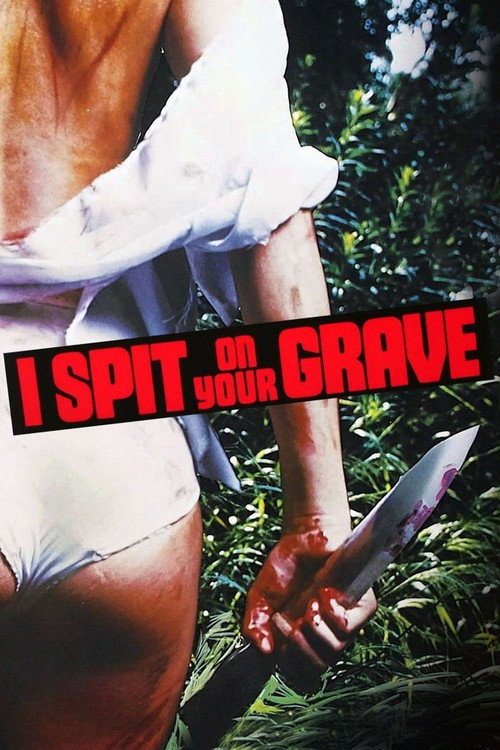
Day of the Woman1978
The original rape-revenge film that defined the exploitation subgenre. Raw, uncompromising, and genuinely controversial—it showed that low-budget horror could provoke serious questions about violence and justice.
But The assault scenes are extended and graphic in ways designed to disturb rather than excite. Many find the film morally repugnant despite its revenge narrative.
The Last House on the Left1972
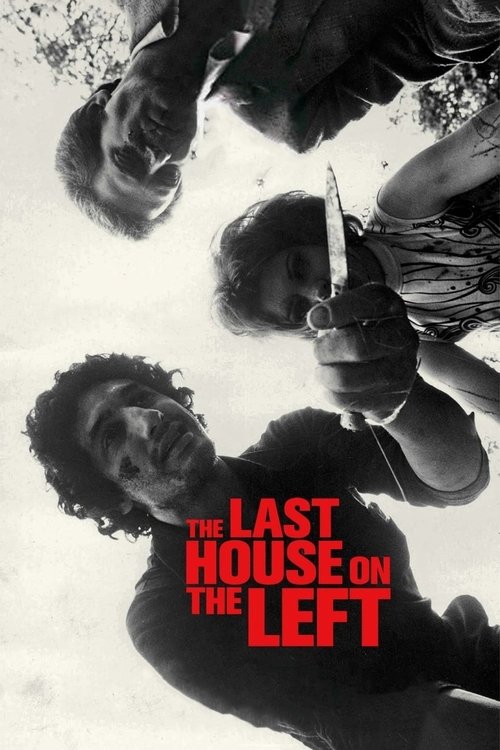
Wes Craven's proto-slasher that brought real violence and moral chaos into horror cinema. It's technically crude but emotionally harrowing, a landmark for understanding how transgressive 70s horror worked.
But The violence is presented unflinchingly and the film offers no comfortable distance. It's deliberately ugly in ways that feel exploitative even when the intent is serious.
The Texas Chain Saw Massacre1974
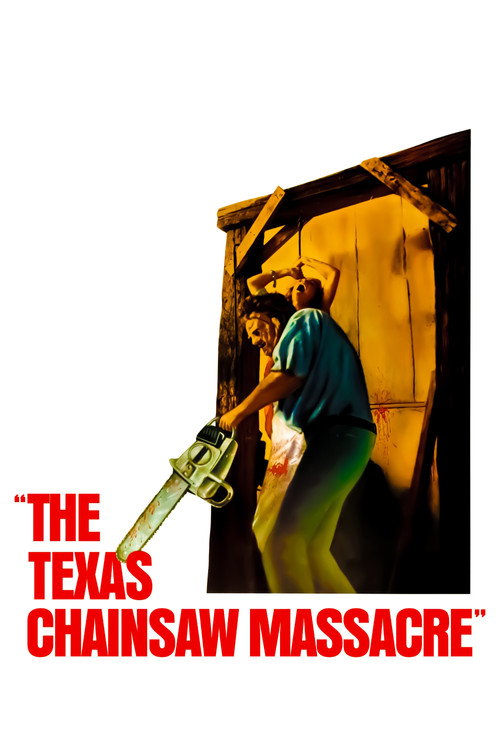
A masterpiece of suggestion and dread that proves you don't need gore to create genuine horror. The craft here is exceptional—editing, sound, performance working in perfect sync to destroy the viewer.
But It's still transgressive and upsetting even if the actual bloodshed is minimal. Some find it pointlessly cruel in its treatment of victims.
Not sure tonight? Get a pick in a minute, starting from Mother's Day
The wildcard
Something you would not have found on your own.
Phantom of the Paradise1974
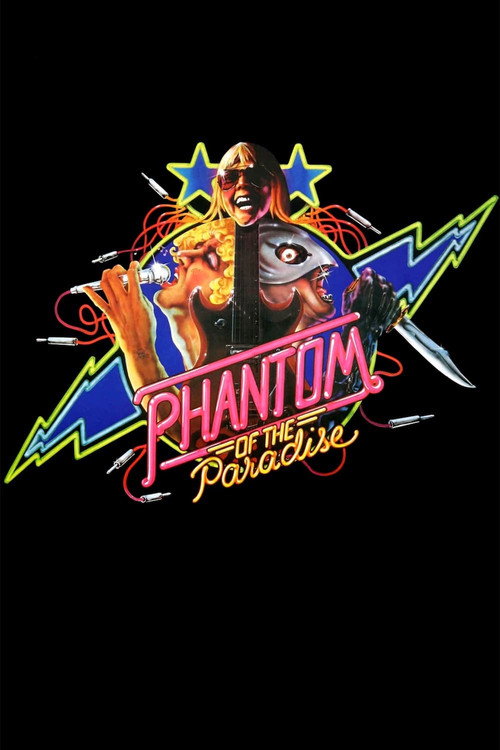
Both films feature deranged maternal/paternal figures enabling young men's violence, but De Palma uses this setup for dark satire about the music industry and the corruption of art—the opposite register entirely.
Brian De Palma's operatic horror-thriller-comedy hybrid about obsession, artistry, and corruption. It's as much musical as slasher, and it has wit, style, and genuine pathos alongside its violence. Pure cinema.
But It's oddly structured and tonal shifts can feel jarring if you're not on its wavelength. The resolution is deliberately cynical and offers no satisfaction.
More like this (8)
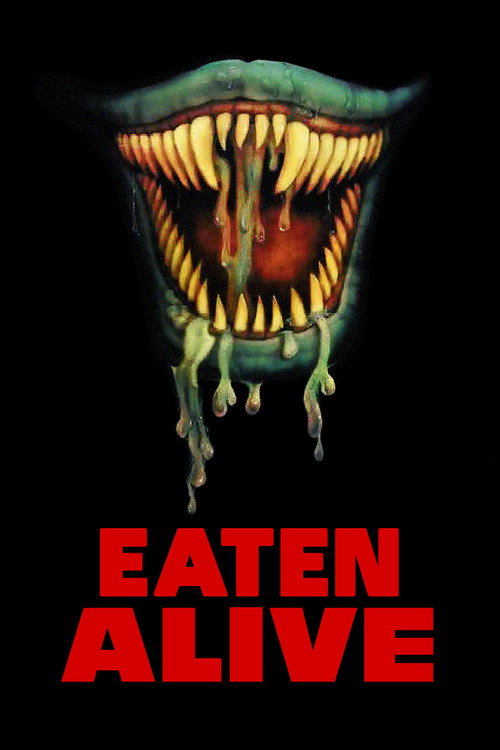
Eaten Alive1976
Tobe Hooper's deranged, hallucinatory descent into madness and murder. Visually inventive and genuinely disorienting, it captures the fever-dream logic of a predator's mind in ways that feel dangerous.
But The plot is thin and the film prioritizes atmosphere and dread over narrative clarity. It's hard to follow and harder to watch.
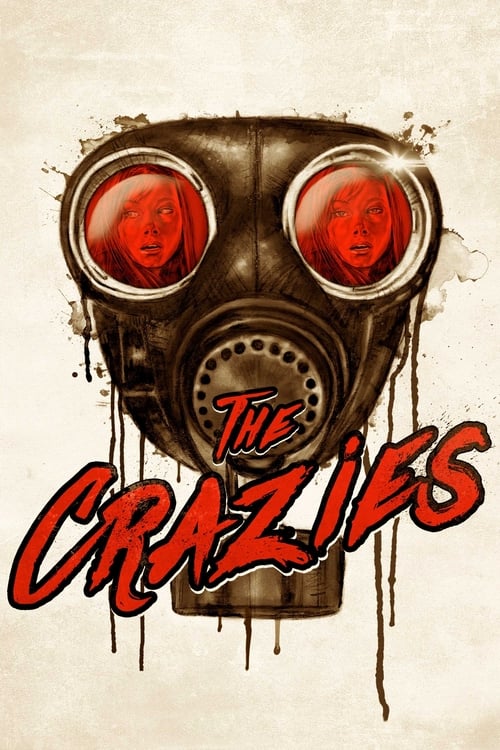
The Crazies1973
George A. Romero's underrated nightmare about a biological weapon that turns a small town into paranoid killers. It's tighter and more socially engaged than most exploitation horror of the era.
But The violence is sudden and brutal, and there's no real catharsis. The film asks uncomfortable questions about power and helplessness without offering answers.
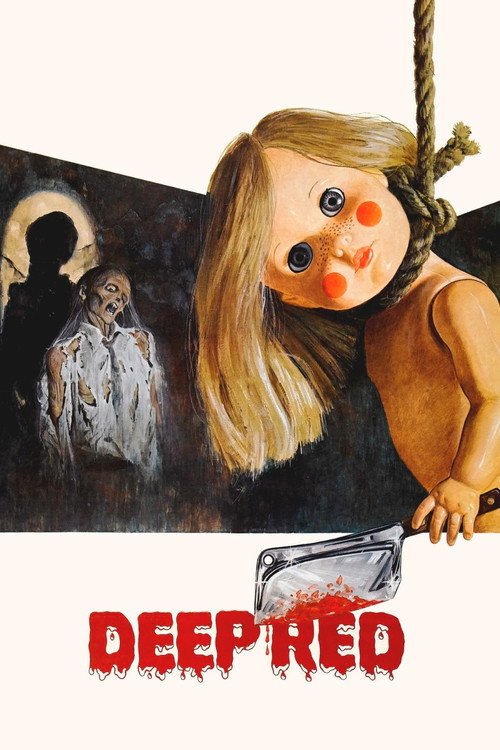
Deep Red1975
Dario Argento's baroque giallo masterpiece—stylish murder mystery with stunning cinematography and a killer soundtrack. It's exploitation with genuine artistic ambition and craft.
But The misogyny is baked into the genre itself; women are often victims first and characters second. The plot becomes convoluted in its final act.
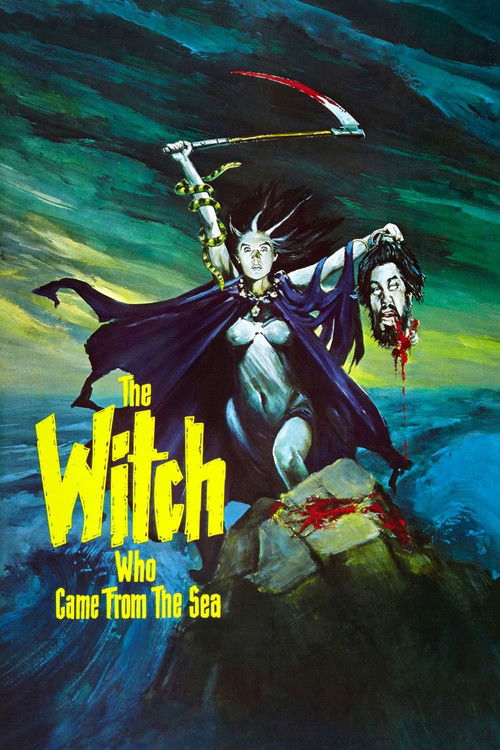
The Witch Who Came from the Sea1976
An uncommonly weird and poetic entry in exploitation cinema, exploring trauma and fragmented memory through a protagonist whose grip on reality is dissolving. Genuinely strange.
But It's oblique and dreamlike rather than straightforward; some find it pretentious or simply incomprehensible. Violence erupts without clear motivation.
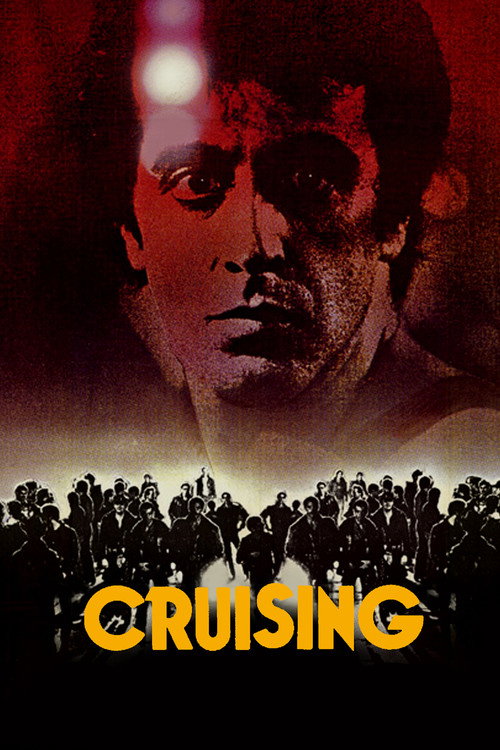
Cruising1980
William Friedkin's controversial cop thriller set in the underground gay scene. Technically accomplished and morally provocative, it asks real questions about identity, surveillance, and desire.
But The film conflates homosexuality with violence in ways that feel bigoted. It's brutal and cynical with no redemptive characters to anchor to.
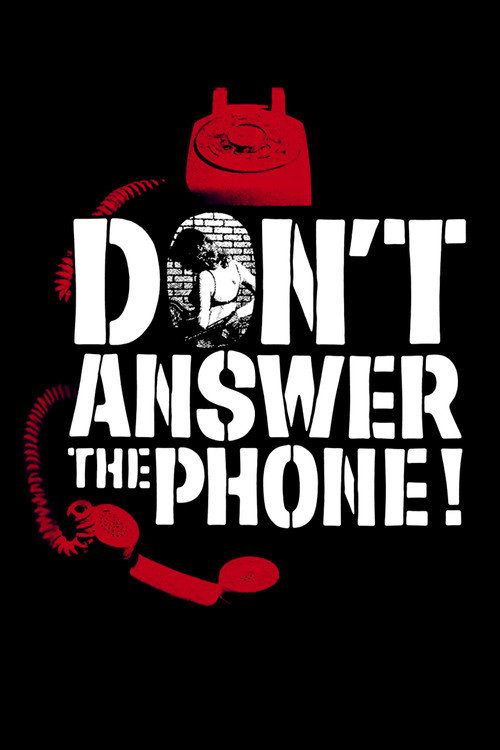
Don't Answer the Phone!1980
A grimy, low-budget thriller about a serial killer that captures the paranoia of the era. It's technically rough but has an almost documentary authenticity in how it portrays predatory behavior.
But The killer is the protagonist, and the film spends time in his head. It's deeply unpleasant and offers nothing but the killer's warped perspective.
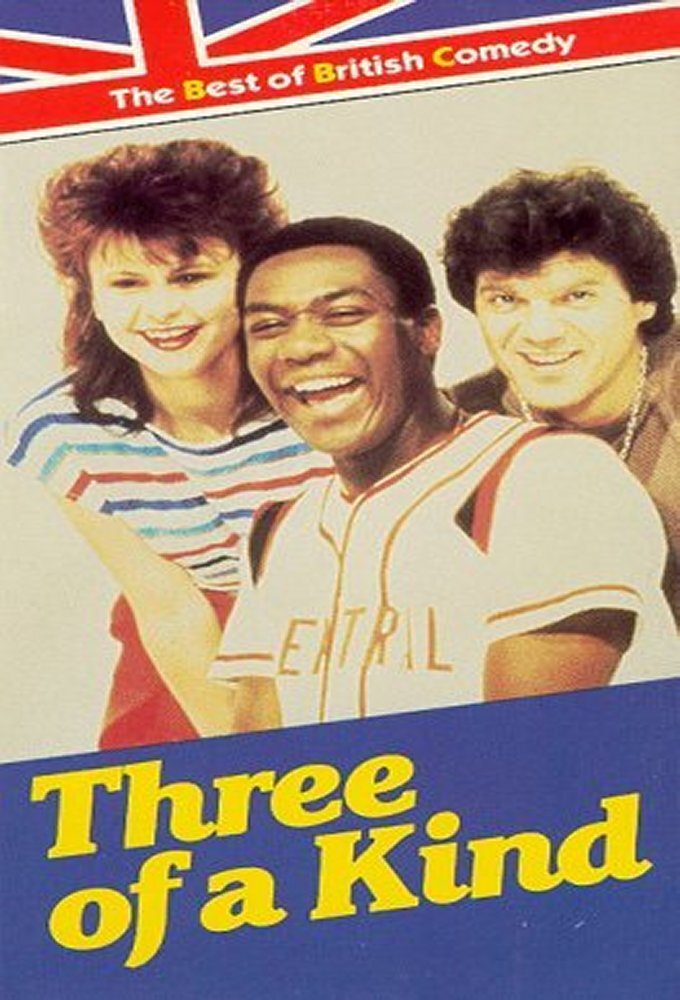
Three of a Kind1981
Both use ensemble casts and comedy-horror tones, but Three of a Kind proves the same period could produce transgressive comedy that's actually funny and clever rather than just transgressive.
A sketch-comedy show that aired after Mother's Day was made, featuring inventive absurdist humor, parody, and fearless performances. It shows what the same era produced when energy went toward humor rather than horror.
But As a sketch show, it's wildly uneven—some bits land perfectly, others fall completely flat. The comedy is sometimes too arch or self-aware for its own good.
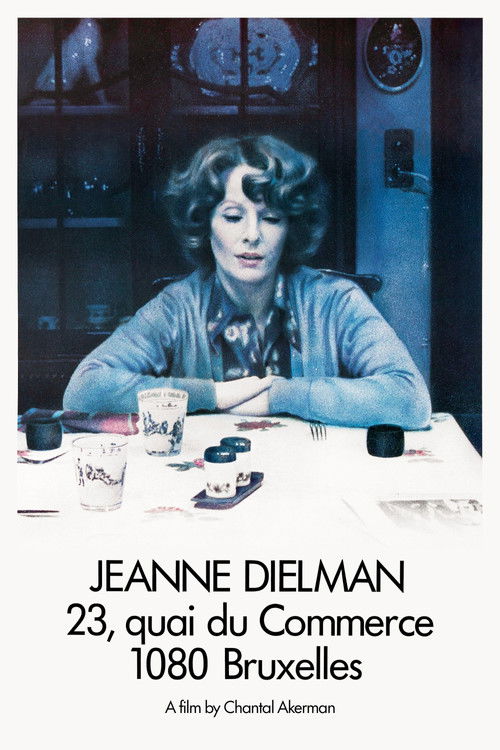
Jeanne Dielman, 23, quai du Commerce, 1080 Bruxelles1976
Where Mother's Day exploits female bodies as objects for male violence, Jeanne Dielman reclaims the female body and female space as something so ordinary and so complete that the very act of showing it becomes an act of dignity and refusal.
Chantal Akerman's three-hour meditation on routine, labor, and female autonomy. It's hypnotic and radical—a complete rejection of spectacle and male violence as narrative drivers. Watch a woman's actual life become revolutionary.
But It's deliberately, almost punitively slow. Three hours of mundane domesticity will bore most viewers to genuine frustration. Nothing happens the way cinema trained you to expect.
People
Cast
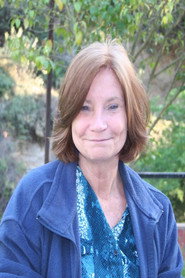 Nancy HendricksonAbbey
- Deborah LuceJackie
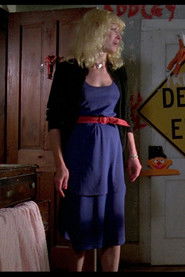 Tiana PierceTrina
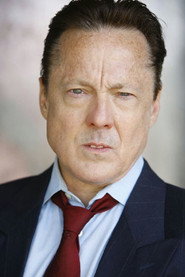 Michael McCleeryAddley
- Beatrice PonsMother
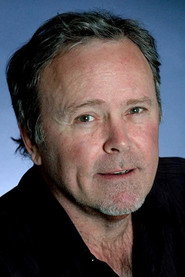 Peter FoxThe 'Dobber'
 Robert CollinsErnie
- Gary PollardIke
Directing
- Charles KaufmanDirector
Writing
- Charles KaufmanScreenplay
- Warren LeightScreenplay
Production
- Lloyd KaufmanAssociate Producer
- Michael HerzAssociate Producer
- Alexander BeckExecutive Producer
- Charles KaufmanProducer
- Michael KravitzProducer
Recommended by
High on the Hog: How African American Cuisine Transformed America, Hardcore