
Film
Hardcore
- Drama
- Very dark
A Calvinist businessman descends into 1970s porn industry depths searching for his runaway teenage daughter. Paul Schrader's film is unflinching about exploitation and male blindness, anchored by George C. Scott's furious, anguished performance. It's bleak, uncompromising cinema that treats its subject matter with moral seriousness rather than titillation. For viewers ready for discomfort in service of real stakes.
Should you watch it?
Watch it if you want a slow, sober crime drama that follows a moral crusader into the grimy, unglamorous corners of the sex trade and lets the disorientation build.
Skip it if you expect a fast, glossy thriller, since its pace is deliberate and its view of the sex industry is bleak, not glamorous.
What it asks of you: It runs about an hour and forty-eight minutes and asks you to sit with long, uneasy stretches of talk and travel, with little relief in its tone.
Not sure? Find tonight's pick in a minute.
If you liked this
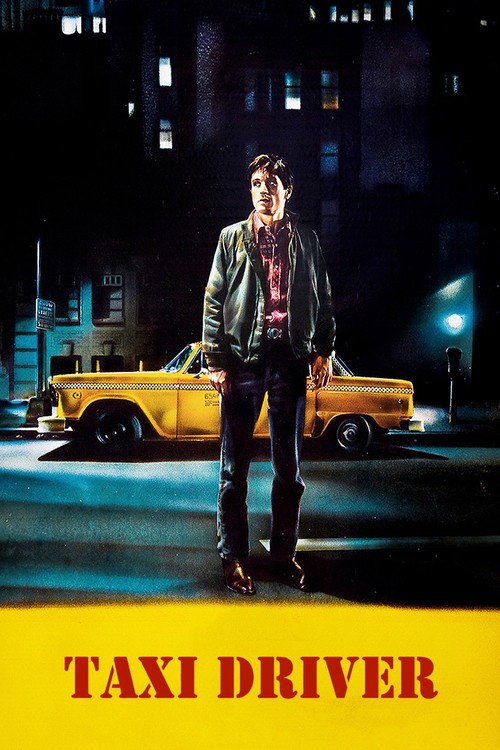
Taxi Driver1976
Schrader wrote this too—same spiritual anguish, same portrait of a man spiralling through an urban hell he doesn't understand. Travis Bickle and Jake VanDorn are spiritual cousins, both destroyed by what they see.
But The pacing is deliberately slow and hypnotic rather than propulsive. If you need constant momentum, this will test your patience.
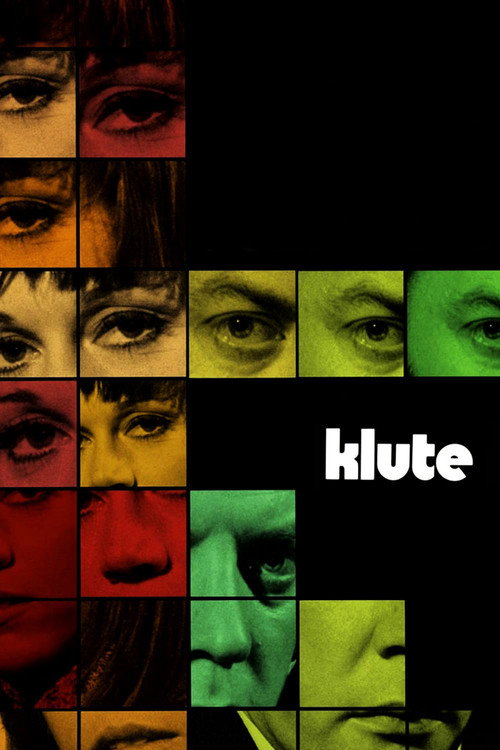
Klute1971
Jane Fonda and Donald Sutherland navigate the sex work underworld with the same moral clarity and refusal to sensationalize. Paranoia, exploitation, and the cost of truth—it's a masterclass in restraint.
But It's a procedural thriller first, not an action film. The mystery unfolds quietly, which some will find tedious.
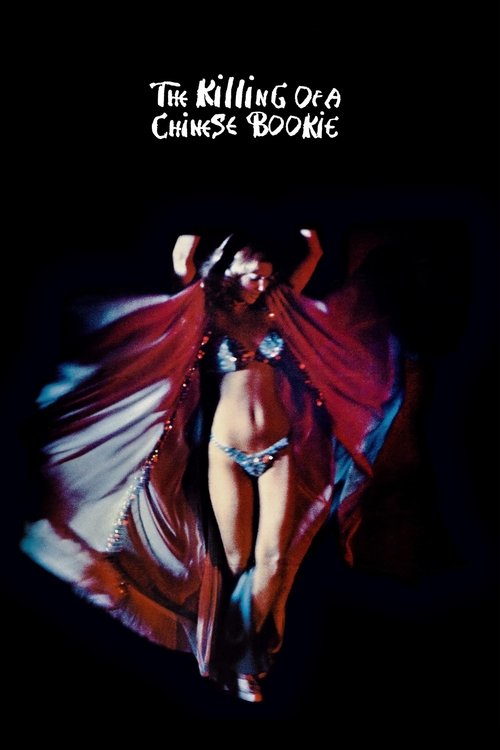
The Killing of a Chinese Bookie1976
Cassavetes' actor descends into criminal debt with the same claustrophobic inevitability. Schrader clearly studied this: the same moral geometry, same sense of a man trapped by his own nature.
But It's rough and deliberately fragmented, shot on a shoestring. The production values might feel primitive rather than intentional.
Not sure tonight? Get a pick in a minute, starting from Hardcore
The wildcard
Something you would not have found on your own.
Possession1981
Both films refuse to avert their gaze from human degradation. Both trust viewers to bear witness without moralizing. Both are about love twisted into something monstrous.
Andrzej Żuławski's deranged marital horror is about obsession, sexuality, and the violence people inflict on each other behind closed doors. It's equally unafraid of going to brutal places for emotional truth, equally willing to make the audience complicit in witnessing.
But It's genuinely grotesque and the narrative deliberately fragments. By the final act, coherence breaks down—some see genius, others see incomprehensible self-indulgence.

More like this (8)
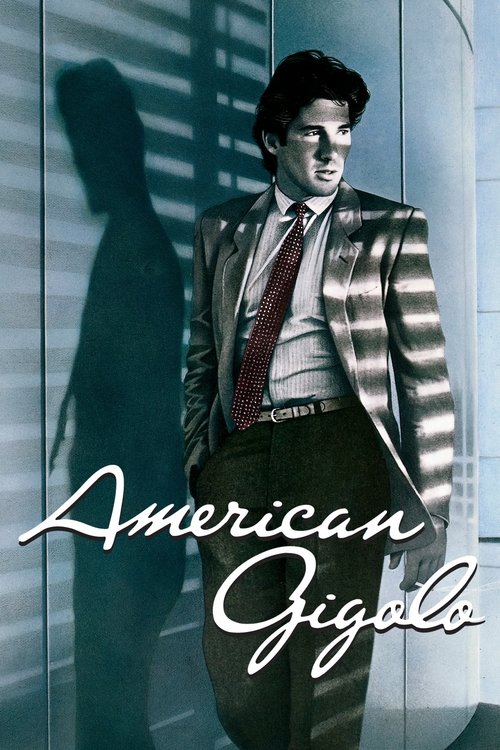
American Gigolo1980
Schrader directs Richard Gere through another exploration of male sexuality and surface versus interior self. Slicker than Hardcore but asking the same questions about complicity and desire.
But The '80s aesthetic dates it hard. The synth score feels camp now, which undercuts the intended gravity.
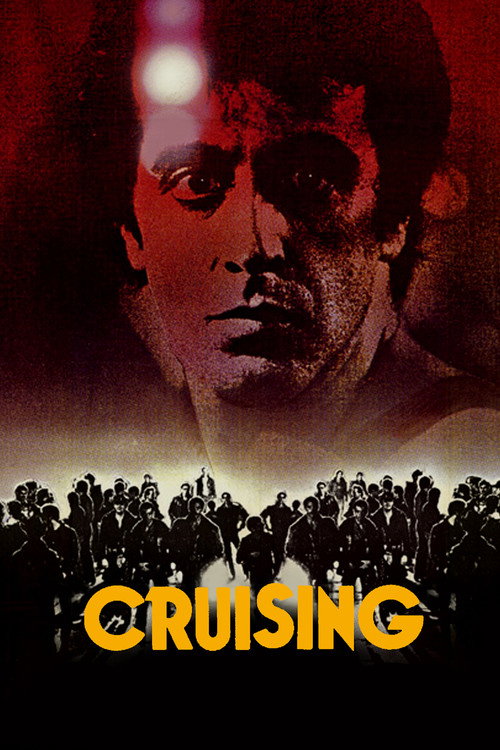
Cruising1980
William Friedkin's controversial dive into New York's gay underworld has the same willingness to enter spaces mainstream cinema avoided. Both films treat their subjects as real rather than sensational.
But It's genuinely offensive to many and feels exploitative in ways Hardcore doesn't. The politics are murky and uncomfortable in the wrong directions.
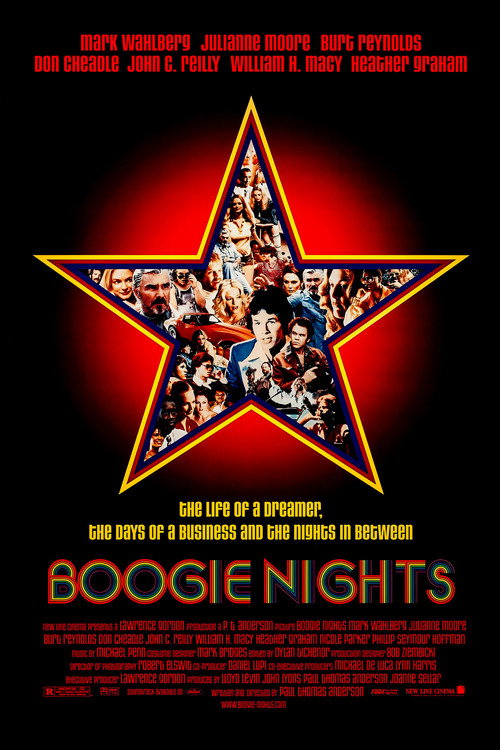
Boogie Nights1997
Paul Thomas Anderson's epic of the porn industry treats it with novelistic complexity—characters with inner lives, moral agency, real consequences. The logical endpoint of what Schrader started.
But It's three hours and luxuriates in surfaces. Some will feel it romanticizes what Hardcore condemns.
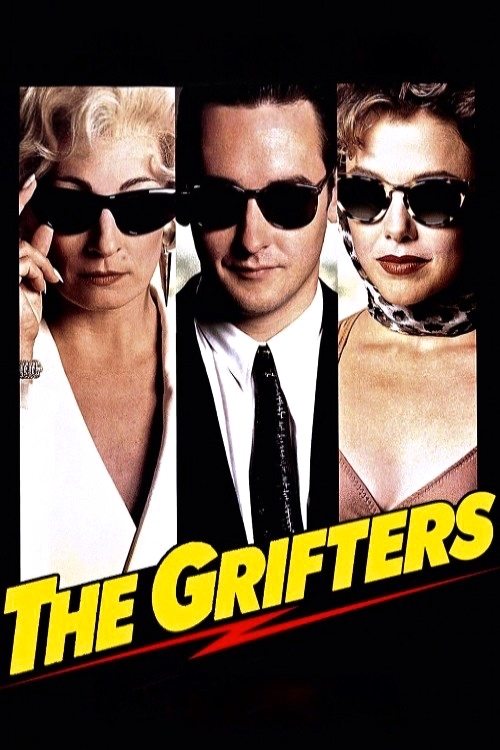
The Grifters1990
Con artists spiralling into moral compromise; mothers, sons, betrayal, and the cost of survival. Same DNA—people destroying each other in small rooms over questions of trust and worth.
But It's a crime thriller first, not a moral inquiry. The philosophical stakes might feel secondary to the plot.
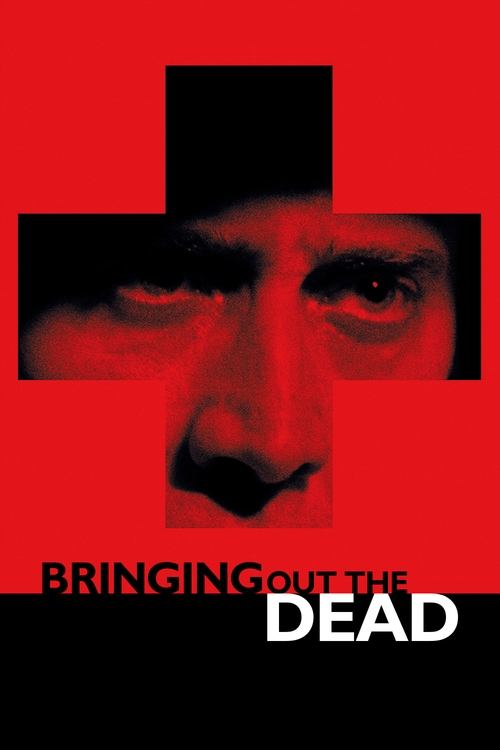
Bringing Out the Dead1999
Scorsese and Schrader reunite to follow Frank Pierce through the nighttime underworld of New York ambulance work. Another descent into moral chaos, another portrait of witness and damage.
But It's episodic and deliberately aimless. There's no resolution, just accumulation—which some will find frustrating rather than brilliant.
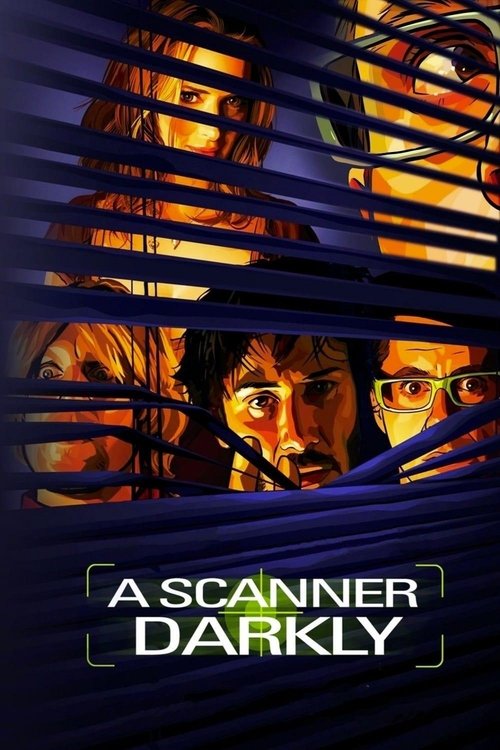
A Scanner Darkly2006
Philip K. Dick's story of identity dissolution in a surveillance state, with Keanu Reeves as a narcotics agent losing himself. Same paranoia, same question: how do you stay human in inhuman systems?
But It's rotoscoped animation, which looks alienating. Some will find the technique gets between them and the emotional core.
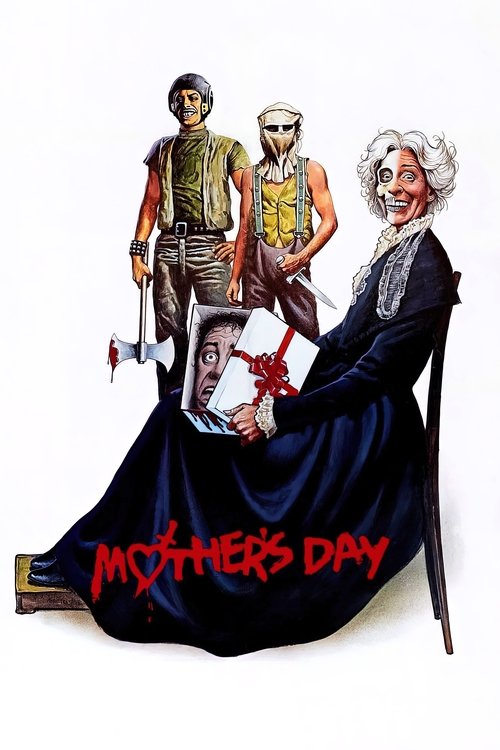
Mother's Day1980
Both are products of their exact moment—post-Vietnam, pre-Reagan, when American cinema still made space for moral fury expressed through genre.
Troma's grimy grindhouse revenge tale is the inverse: instead of a father's anguish, it's the rage of violated women. Same 1979-80 moment, same willingness to make cinema from society's refuse and wounded people seeking justice.
But It's deliberately cheap and trashy, shot in muddied colors on a shoestring. The acting is broad and the tone lurches. If you need technical polish, this will feel unwatchable.
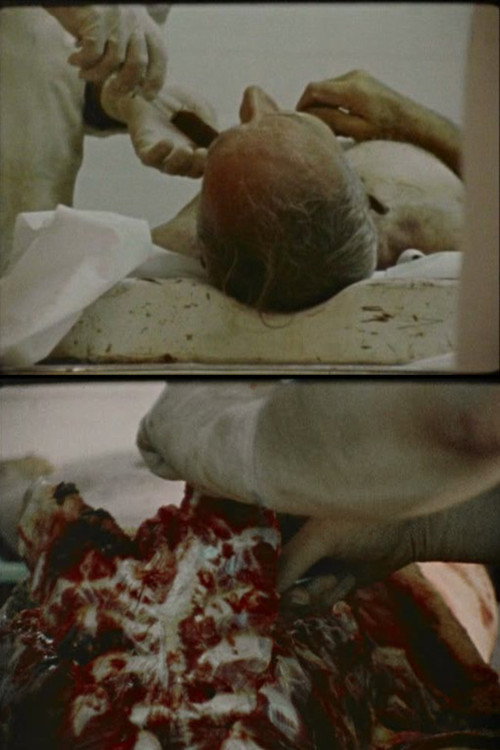
The Act of Seeing with One's Own Eyes1972
Both are about the eye, the act of looking, and the ethics of witnessing. Both believe cinema's power lies in forcing you to confront what you'd rather unsee.
Stan Brakhage's documentary of an autopsy is pure cinema: no narration, just the act of looking at a human body unmade. It asks what we're willing to witness and what witnessing costs. Hardcore's spiritual antecedent in a totally different form.
But It's a 32-minute avant-garde film of an actual corpse being dissected. There's no plot, no characters, no conventional movie apparatus. Most people will find it unwatchable or unbearable.
People
Cast
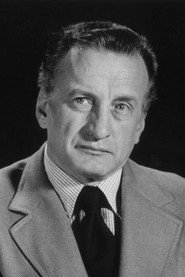 George C. ScottJake VanDorn
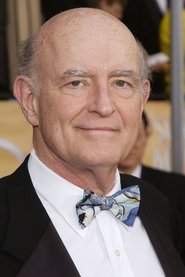 Peter BoyleAndy Mast
 Season HubleyNiki
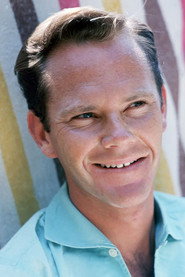 Dick SargentWes DeJong
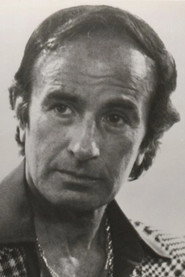 Leonard GainesRamada
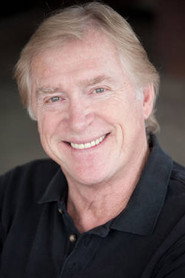 Dave NicholsKurt
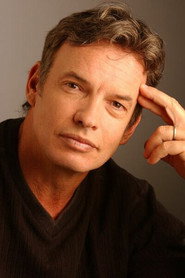 Gary GrahamTod
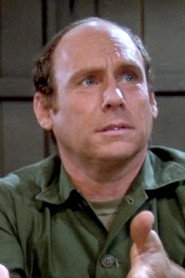 Larry BlockDetective Burrows
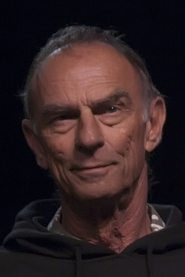 Marc AlaimoRatan
 Leslie AckermanFelice
- Charlotte McGinnisBeatrice
 Ilah DavisKristen VanDorn
Directing
- Richard HashimotoAssistant Director
- Paul SchraderDirector
- Betsy NortonScript Supervisor
- Kim C. FrieseSecond Assistant Director
Writing
- Paul SchraderWriter
Production
- Vic RamosCasting
- Nancy Pulk McTyreCasting Assistant
- John MiliusExecutive Producer
- Tina RealExtras Casting
- Paul PavLocation Manager
- Buzz FeitshansProducer
- Dianne E. CollinsPublicist
- Saul KahanPublicist
- John G. WilsonUnit Production Manager