
Film
The Act of Seeing with One's Own Eyes
- Body horror
- Very dark
- Strange
- Slow-burning
Stan Brakhage's 32-minute documentary takes you into an autopsy room, unflinching and meditative. It observes forensic pathologists at work without narration or sentiment, presenting death as a factual, necessary process. Extraordinary not for shock value but for its philosophical weight—this film asks what we owe to the dead and why bearing witness matters. It's experimental cinema treating mortality with absolute seriousness.
Should you watch it?
Watch it if you are drawn to films that look hard at something most people avoid, and you trust a camera to stay with an uncomfortable image rather than explain it.
Skip it if you need characters to follow or a plot to track, since this is a close, unhurried study of one room with nothing to hold onto but the images.
What it asks of you: Running about half an hour, it moves slowly and steadily, staying in one grim room long enough that you have to sit with its discomfort rather than look away.
Not sure? Find tonight's pick in a minute.
If you liked this
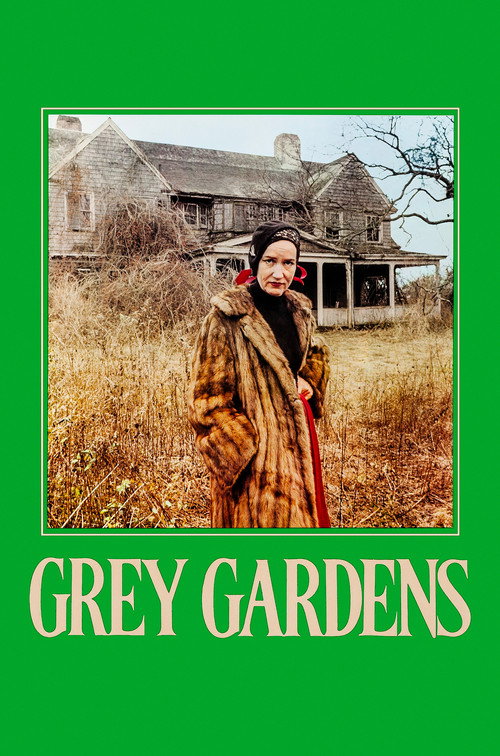
Grey Gardens1976
The Maysles brothers' unsparing portrait of two isolated women in decay. Like Brakhage's film, it observes intimate human particularity without flinching or looking away, treating its subjects with grave respect.
But It's uncomfortable and sometimes pitiful. The ethical questions about filming people at their most vulnerable linger after the credits.
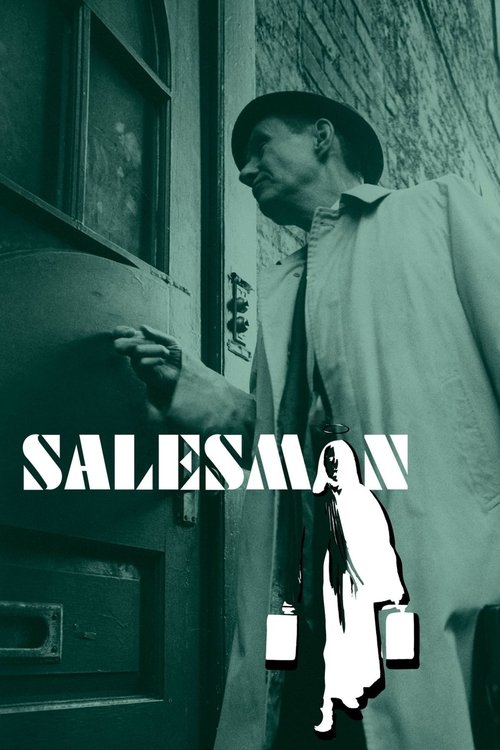
Salesman1969
Albert and David Maysles follow struggling Bible salesmen with anthropological precision. Both films trust the viewer to draw meaning from unadorned observation—no editorializing, just witness.
But There's no dramatic arc or redemption. It's simply sad men doing their job, and that's all it wants to be.
Sans Soleil1983
Chris Marker's essayistic documentary builds a philosophy of seeing and memory through fragments. Like Brakhage, it believes the camera can witness what matters most—the invisible dimensions of human experience.
But It's meditative and digressive. There's no plot, only ideas and images moving together in ways you have to assemble yourself.

Not sure tonight? Get a pick in a minute, starting from The Act of Seeing with One's Own Eyes
The wildcard
Something you would not have found on your own.
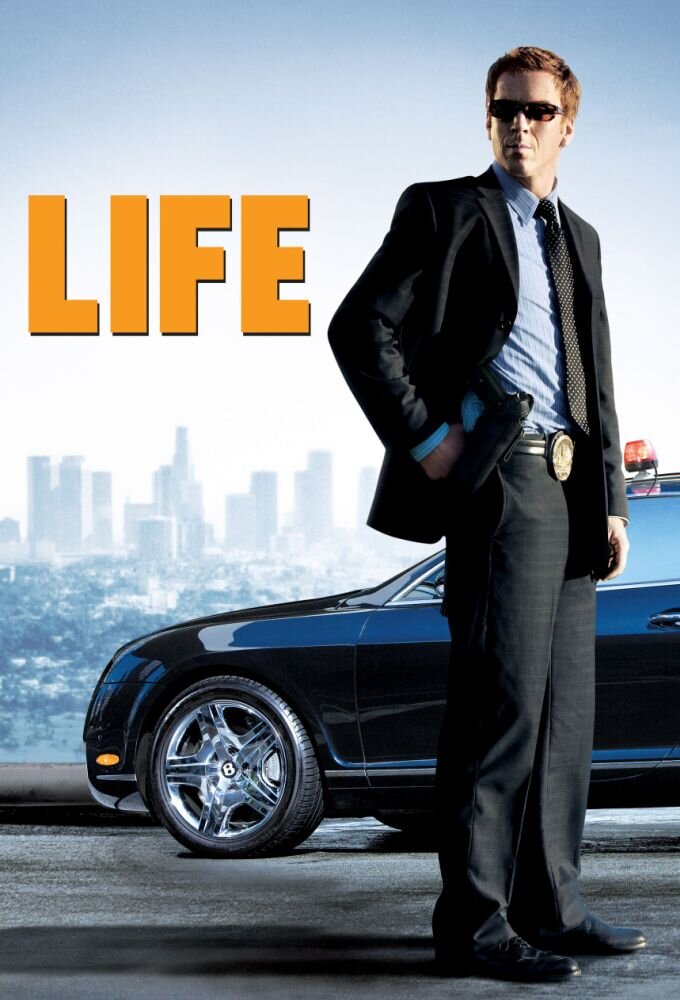
Life2007
Both are observational works that trust the camera to reveal something essential about bodies in process—life or death—without narrative interference or moral overlay.
This BBC series—shot with extraordinary detail by Paul D. Miller—observes the mechanics of survival in nature with almost medical precision. It has Brakhage's patience with the particular and its refusal to anthropomorphize animal life mirrors Brakhage's refusal to sentimentalize death.
But It's a nature documentary. The beauty can overshadow the film theory; you might just relax instead of think.
More like this (5)
Requiem for a Dream2000
Aronofsky's film doesn't show real autopsy footage, but it's equally obsessed with witnessing decay—physical, psychological, moral. Both demand you see what's hardest to look at without turning away.
But It's emotionally punishing. The film's relentless formal assault can feel manipulative rather than meditative.

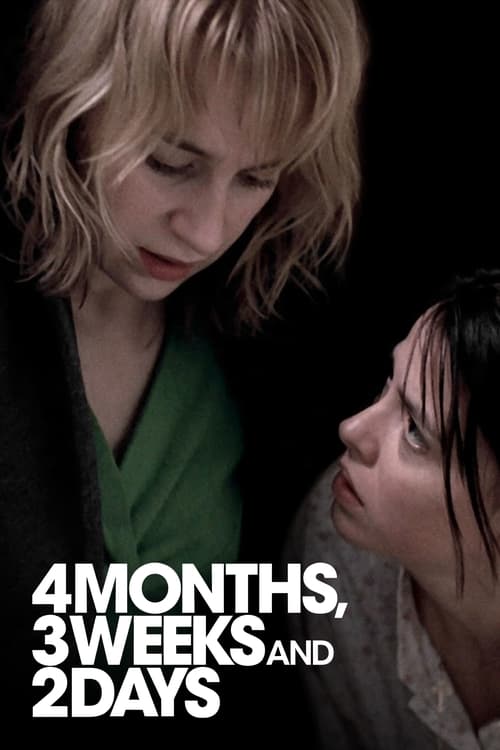
4 Months, 3 Weeks and 2 Days2007
Cristian Mungiu's locked-camera style mirrors Brakhage's refusal to sensationalize. Both filmmakers believe steady observation is more powerful than conventional emotional manipulation.
But The long takes and static camera feel deliberately withholding. Some viewers find it austere rather than profound.
The Turin Horse2011
Béla Tarr's final film is an austere meditation on the end of things. Both works treat finitude—death, decline, silence—as material worthy of patient, compassionate observation.
But It's bleak and repetitive and offers no uplift. Watching it feels less like entertainment and more like endurance.

Come and See1985
Elem Klimov's war film refuses to look away from atrocity. Like Brakhage, it trusts unflinching observation to communicate something rationalist argument never could—the weight of what we witness.
But It's among cinema's most devastating films. Its power comes from genuine horror, not artistic beauty, and that's a specific kind of difficult.

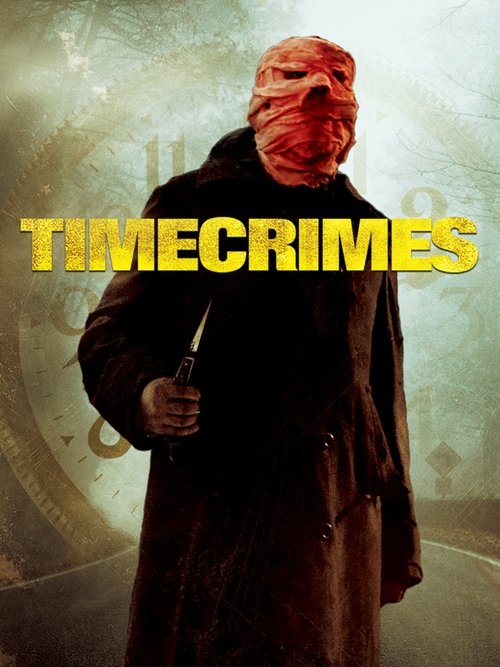
Timecrimes2007
Both films locate profound moral questions in what happens when we look or refuse to look. Brakhage says bearing witness is sacred duty. Vigalondo suggests it can be entrapment and self-deception.
Nacho Vigalondo's Spanish science-fiction film is shocking and formally playful about witnessing and complicity. It inverts Brakhage's reverence: instead of bearing honest witness, the protagonist becomes trapped in loops of voyeurism. Same moral weight, opposite register.
But It's genre entertainment, not experimental cinema—and some viewers find the premise more clever than truly unsettling.
People
Directing
- Stan BrakhageDirector