
Film
Eaten Alive
Other titles called Eaten Alive: the 1980 film.
- Horror
- Serial killer
- Very dark
Tobe Hooper's feverish 1976 slasher captures the texture of dread in a decaying Texas hotel where a deranged owner feeds his guests—literally—to a crocodile. It's deliberately cheap-looking, chaotic, and nasty in ways that feel almost documentary. Not polished horror, but genuinely unsettling, a film that trusts discomfort over craft.
Should you watch it?
Watch it if you like lurid, gleefully sleazy 1970s horror where the atmosphere is all swamp rot, neon and feverish overacting, and you don't mind a plot that barrels on by sheer nerve.
Skip it if you want a tense, carefully built scare; this one leans on shock, grime and grotesque excess, and its tone can feel more cheap and tawdry than frightening.
What it asks of you: Ninety-one minutes of loose, sweaty momentum, with little patience for subtlety. Settle in for mood and spectacle rather than tidy logic.
Not sure? Find tonight's pick in a minute.
If you liked this
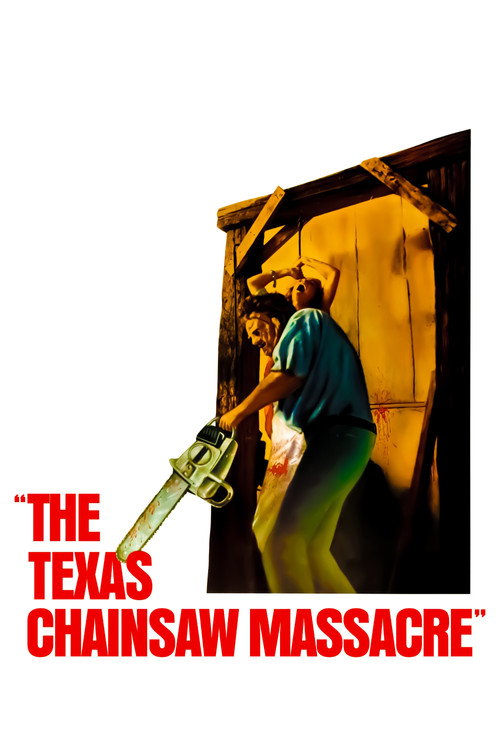
The Texas Chain Saw Massacre1974
Tobe Hooper's masterpiece set the template: rural Texas gothic, handheld terror, a family of killers, and the feeling of genuine danger. If you're drawn to Eaten Alive's raw brutality, this is where it started.
But It's relentless and not interested in plot. The pacing is deliberately exhausting—some find that brilliant, others find it punishing.
The Wailing2016
A mystery unraveling across a remote village where nothing is certain and dread pools in the gaps. Like Eaten Alive, it trusts the audience to sit with unease and ambiguity rather than delivering neat answers.
But Nearly three hours, subtitled, and deliberately opaque. It rewards patience but will frustrate anyone who wants clarity or closure.

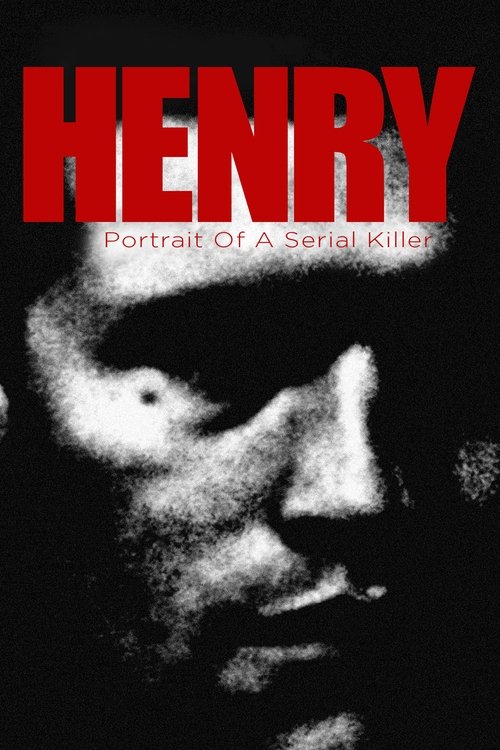
Henry: Portrait of a Serial Killer1986
Utterly uncompromising portrait of a killer in Chicago, made on a shoestring, refusing to flinch or make evil entertaining. Same grainy authenticity, same willingness to horrify without apology.
But Deeply disturbing and not made to entertain. It's a document of sickness, not a thriller. Some viewers find it exploitative regardless of intention.
Not sure tonight? Get a pick in a minute, starting from Eaten Alive
The wildcard
Something you would not have found on your own.
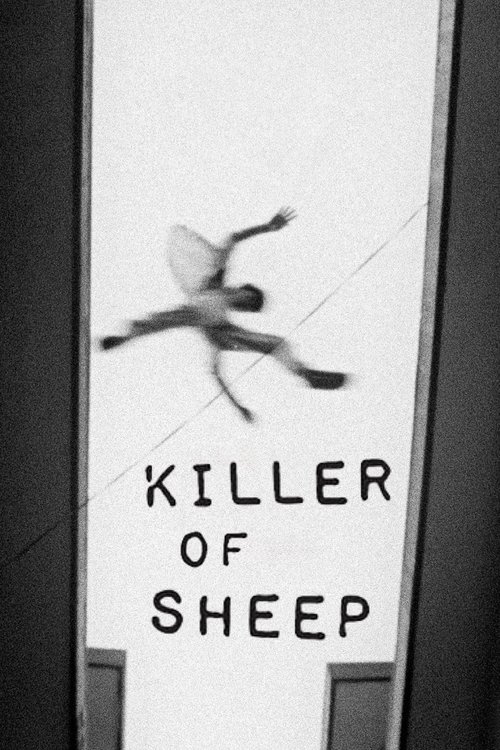
Killer of Sheep1978
Both films use their settings as extensions of psychological damage; both trust visual texture over narrative momentum; both refuse to sentimentalize their worlds.
Charles Burnett's poetic, semi-autobiographical film about a slaughterhouse worker in Los Angeles captures industrial horror and despair through everyday texture. Not a genre film, but structurally it shares Hooper's understanding that atmosphere and repetition create dread more than plot does.
But It's a slow, meditative portrait filmed in black and white on 16mm. No music. No plot in the traditional sense. If you're looking for genre thrills, you'll be waiting.
More like this (8)
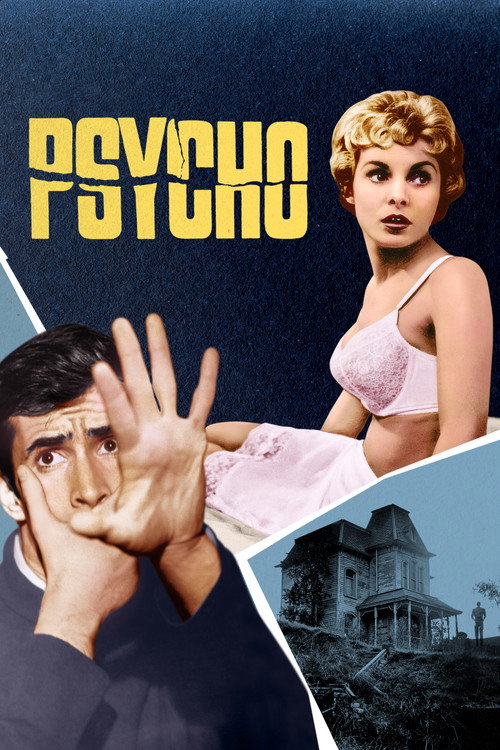
Psycho1960
Hitchcock's genius lies in how he makes the ordinary sinister. A motel becomes the entire world. The structure and precision show you what control looks like—the opposite of Hooper's chaos, but same bone-deep wrongness.
But It's fifty years old and you likely know the twists. First viewing is an event; repeat viewings are a study.
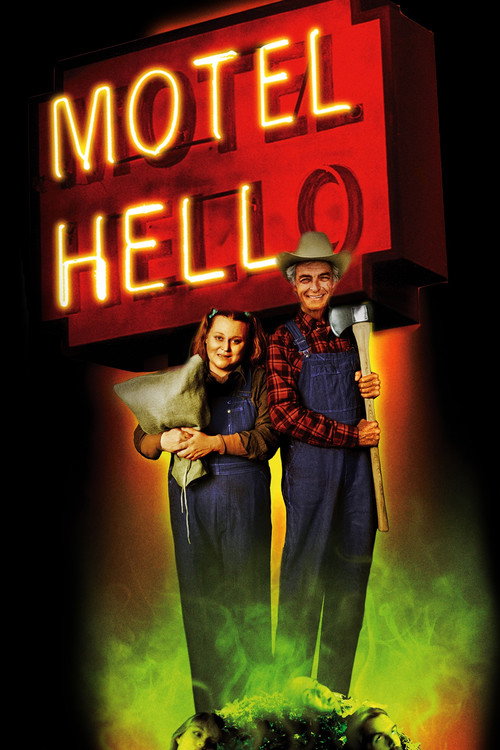
Motel Hell1980
Another hotel-bound slasher with black humor and the same provincial American dread. It's crude but clever, and it understands that the location itself can be the villain.
But The tone is uneven—it can't decide how funny it wants to be. Some moments feel arch when they should feel sick.
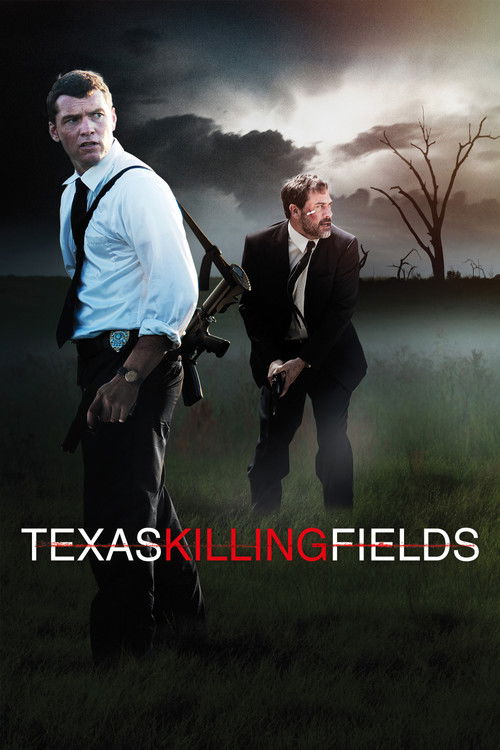
Texas Killing Fields2011
Modern Texas gothic that captures the same atmosphere of isolated wrongness and law enforcement indifference. Bleak, methodical, and genuinely sad rather than sensational.
But It's a slow procedural. If you want visceral horror, this is crime drama masquerading as thriller, and it moves like real investigation moves: slowly.
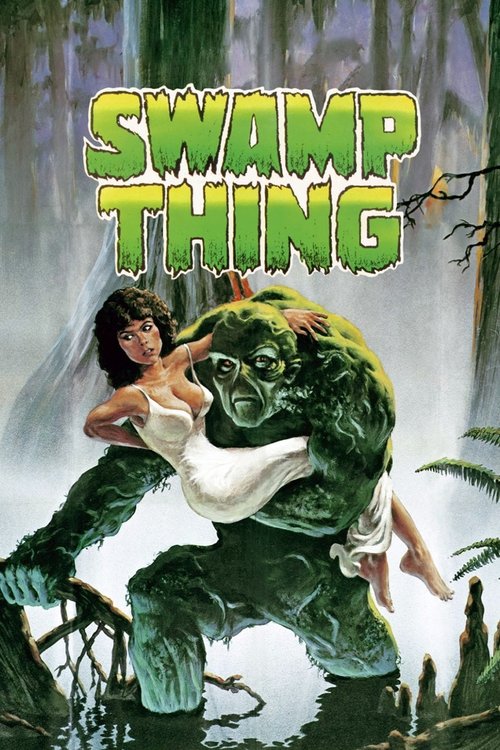
Swamp Thing1982
Wes Craven's underrated creature feature uses the Louisiana swamp as character and threat. Low-budget ingenuity and practical effects create a tactile, murky world that feels lived-in and wrong.
But It lurches between horror and adventure in ways that don't quite gel. The tone is confused, even if the swamp is compelling.
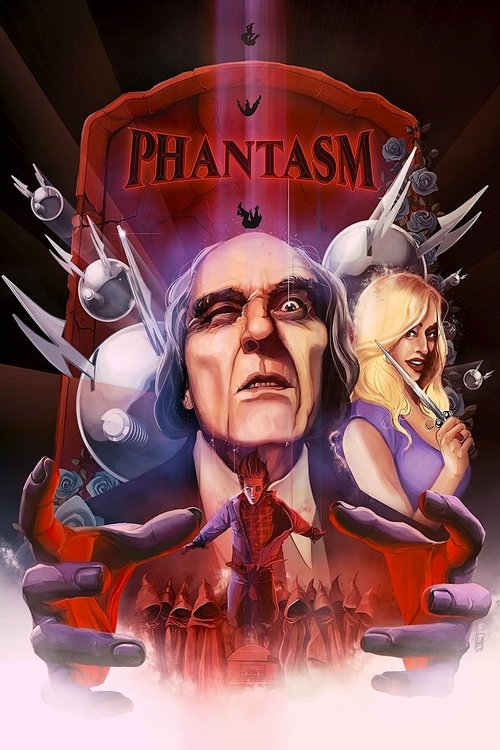
Phantasm1979
Deliberately fragmented, shot on a budget, refuses to explain itself. The logic is dreamlike and dread accumulates. Proof that constraint breeds invention.
But The plot barely coheres and some effects haven't aged well. If you need narrative clarity, this will frustrate you.
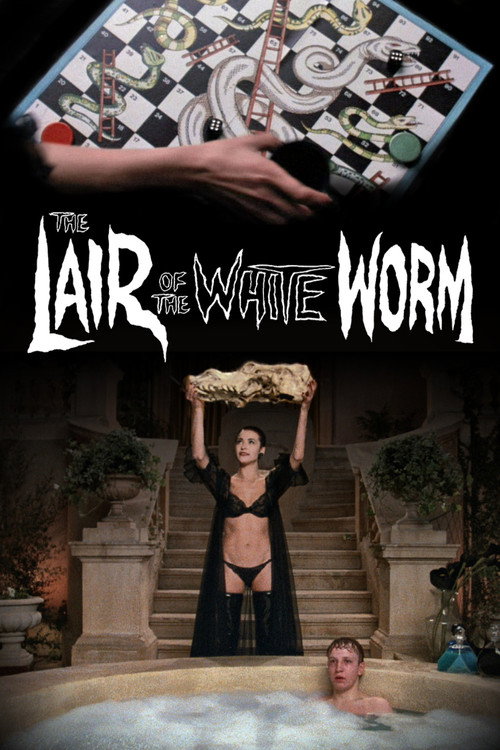
The Lair of the White Worm1988
Ken Russell's baroque adaptation has the same willingness to be bizarre and sexual and wrong. It's visually sumptuous where Eaten Alive is visually chaotic, but both trust their strangeness.
But It's genuinely unhinged and sexually explicit. Camp and grotesque, and if that doesn't appeal, nothing here will.
Come and See1985
Both films reject the audience's comfort. Both use settings (swamp hotel, burning village) as manifestations of evil rather than backdrops. Both ask if witnessing wrongness is enough.
Elem Klimov's Soviet WWII film is the most viscerally disturbing film ever made, but not through traditional horror. It uses a child's perspective to document systematic cruelty and the annihilation of humanity. Like Eaten Alive, it has no interest in cushioning the viewer.
But It documents real historical atrocities with unflinching brutality. Watching this feels like a moral reckoning. Not entertainment. Genuinely difficult.

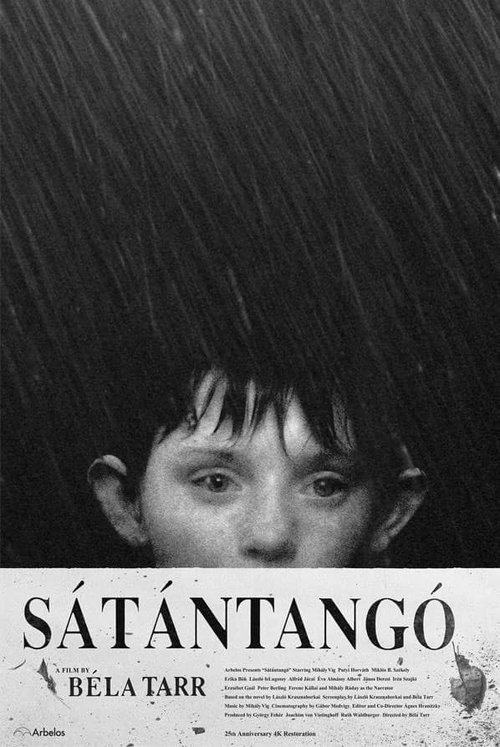
Satantango1994
Both are interested in enclosed communities presided over by magnetic, unstable figures. Both see their locations as moral spaces. Both believe that cinema can transmit the texture of spiritual sickness.
Béla Tarr's 7.5-hour Hungarian masterpiece uses a decaying collective farm and a mysterious stranger to explore despair and spiritual emptiness. Black and white, glacial pacing, but hypnotic. Similar to Eaten Alive in that dread is the entire point, but achieved through precision rather than chaos.
But It's a commitment—450 minutes, in Hungarian, no conventional plot, almost no dialogue. If you're watching for entertainment or answers, this is a punishment.
People
Cast
 Neville BrandJudd
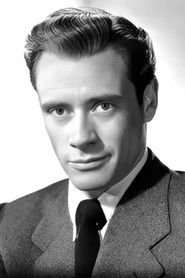 Mel FerrerHarvey Wood
 Carolyn JonesMiss Hattie
 Marilyn BurnsFaye

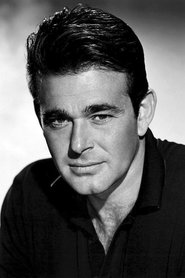 Stuart WhitmanSheriff Martin
 Robert EnglundBuck
 Roberta CollinsClara
 Kyle RichardsAngie
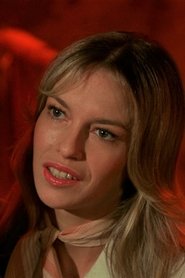 Crystin SinclaireLibby Wood
 Janus BlytheLynette
 David HaywardThe Cowboy
Directing
- Tobe HooperDirector
- Ron SmithFirst Assistant Director
- John D'AmatoScript Supervisor
- Jefferson KibbeeSecond Assistant Director
- Louie LawlessSecond Assistant Director
Writing
- Kim HenkelAdaptation
- Alvin L. FastScreenplay
- Mardi RustamScreenplay
- Kim HenkelWriter
Production
- Larry HulyAssociate Producer
- Robert A. KantorAssociate Producer
- Samir RustamAssociate Producer
- Edward R. MorseCasting
- Mohammed RustamExecutive Producer
- Mardi RustamProducer
- Sheldon LeeProduction Manager
Recommended by
A Perfect Getaway, Race with the Devil, The Hills Have Eyes, The Final Terror, Anthropophagous, House of 1000 Corpses, The Unseen, Mother's Day, Hatchet, Cannibal Apocalypse, The Great Alligator, The Deathless Devil, Python, The Forest, Krocodylus