
Film
The Hills Have Eyes
Other titles called The Hills Have Eyes: the 2006 film.
- Horror
- Very dark
Wes Craven's 1977 debut traps a wholesome American family in the desert with cannibals. It's claustrophobic, merciless, and shot through with genuine dread—a film that understands isolation and vulnerability with uncomfortable clarity. For horror fans who want their scares earned and their stakes real.
Should you watch it?
Watch it if you like lean, nasty survival horror where the dread comes from a family cut off from help and a landscape that offers no mercy, and you can stomach harsh violence.
Skip it if you want a slow-building mystery or gentle scares; this one is blunt, grimy and often unpleasant to sit through, with violence rendered bluntly enough to wear you down.
What it asks of you: Ninety minutes of lean, sweaty escalation with little breathing room; you commit to a family's bad luck and stay with its cruelty rather than being let off the hook.
Not sure? Find tonight's pick in a minute.
If you liked this
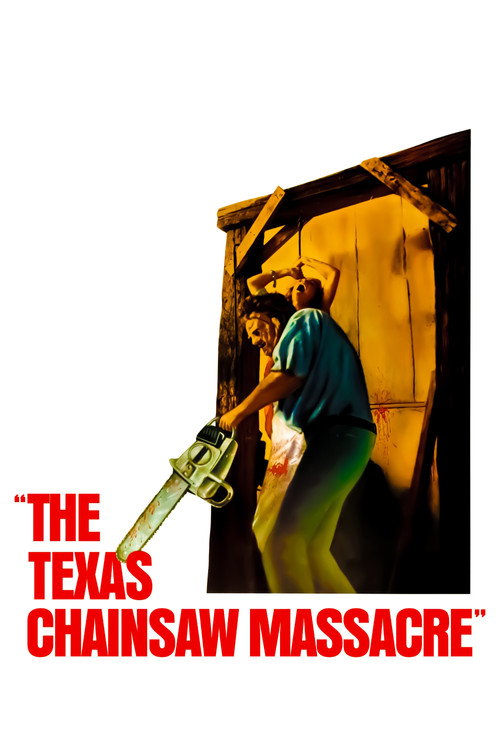
The Texas Chain Saw Massacre1974
The template Craven refined: ordinary people stranded with killers in a nowhere place. Leatherface and his family are nightmare-fuel, and the film's documentary realism makes every death feel possible.
But Genuinely bleak and meanspirited. The nihilism can feel exhausting rather than thrilling, and there's a grain of exploitation here that doesn't soften with time.
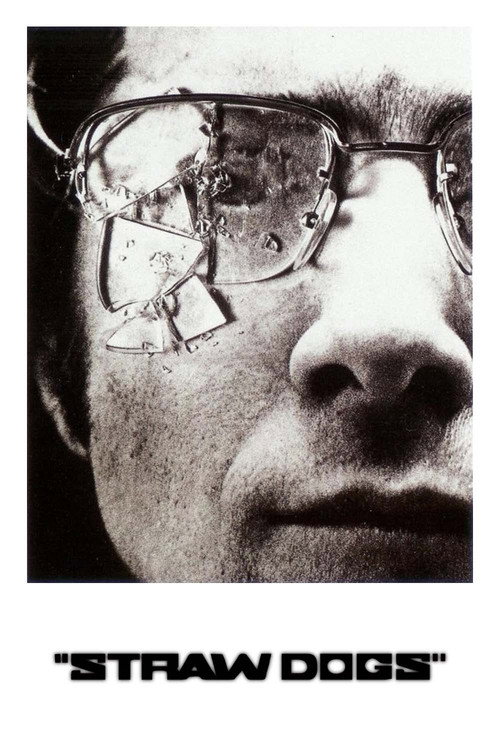
Straw Dogs1971
Peckinpah's methodical slow-burn about a mathematician forced to defend his home. It shares The Hills Have Eyes' fascination with ordinary people pushed past civility, and the violence feels consequential.
But The sexual violence is inflammatory and uncomfortable. Some will find it unforgivable; others will find it feels more like provocation than statement.
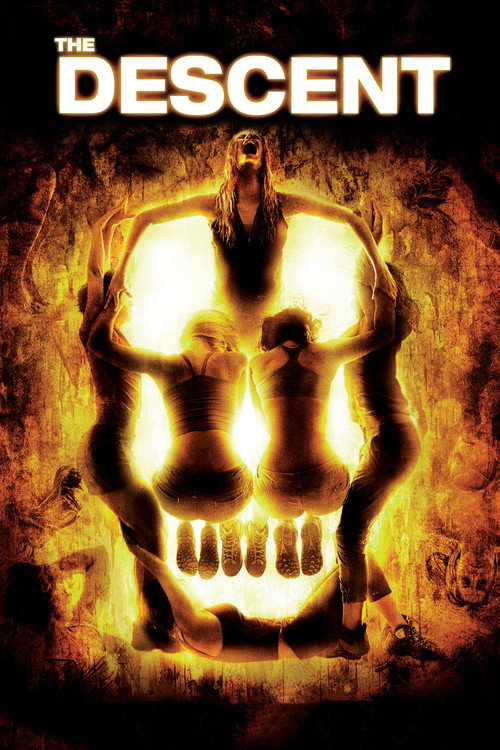
The Descent2005
Six women trapped underground with creatures. Marshall builds dread through darkness and claustrophobia, then adds cave-dwellers as a second threat. Relentless and inventive, with a genuinely grim ending.
But Jump-scare heavy, and once the creatures appear it becomes a more conventional action-horror. The first half is scarier than the second.
Not sure tonight? Get a pick in a minute, starting from The Hills Have Eyes
The wildcard
Something you would not have found on your own.
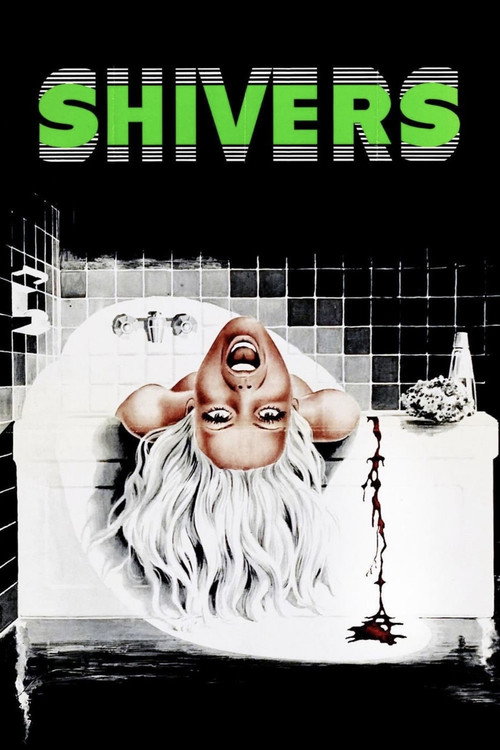
Shivers1975
Both are about a closed system where ordinary boundaries dissolve and violence becomes normalized. Both insist that horror is already inside us, waiting.
Cronenberg's debut is body horror in an apartment complex where parasites spread through the residents. Like The Hills Have Eyes, it's about violation of the body and community collapse—but it frames violence as infection, as something creeping and sexual.
But The horror is visceral and sexual in ways that predate its time. Some find it grotesque to the point of unwatchability; others find it clinical rather than scary.
More like this (8)
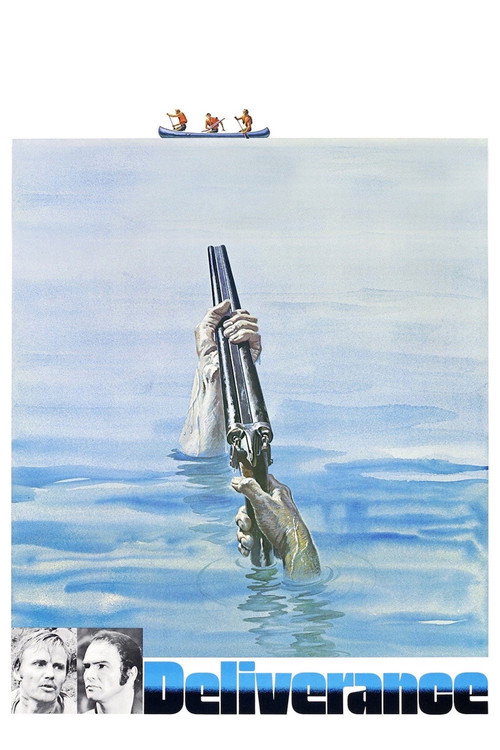
Deliverance1972
Four men on a canoe trip encounter violent hillbillies. Boorman's film is tense and tactile—nature itself becomes hostile, and the moral questions linger long after the credits roll.
But The sexual violence is brief but devastating. It's not gratuitous, but it's brutal, and the film offers no catharsis for it.
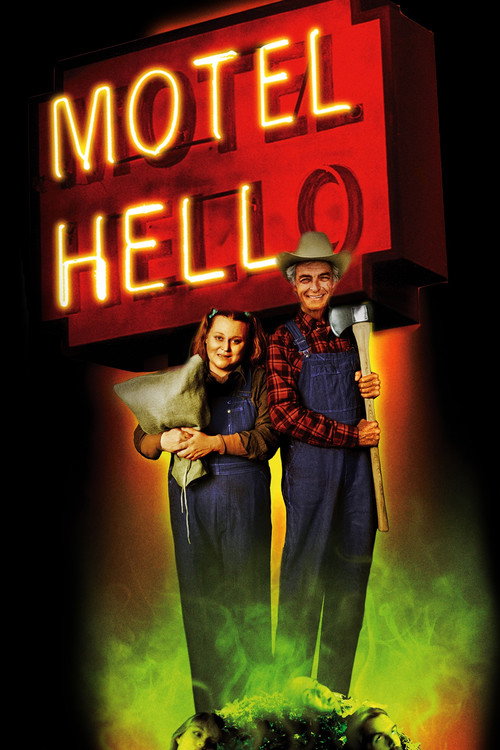
Motel Hell1980
A deadpan, darkly funny take on the backwoods-cannibals premise. It has the same DNA as The Hills Have Eyes but trades some dread for absurdist humor and practical gore effects that are genuinely creative.
But The tonal shifts will frustrate you if you want pure horror. It leans into comedy in ways that some find undercuts the scares.
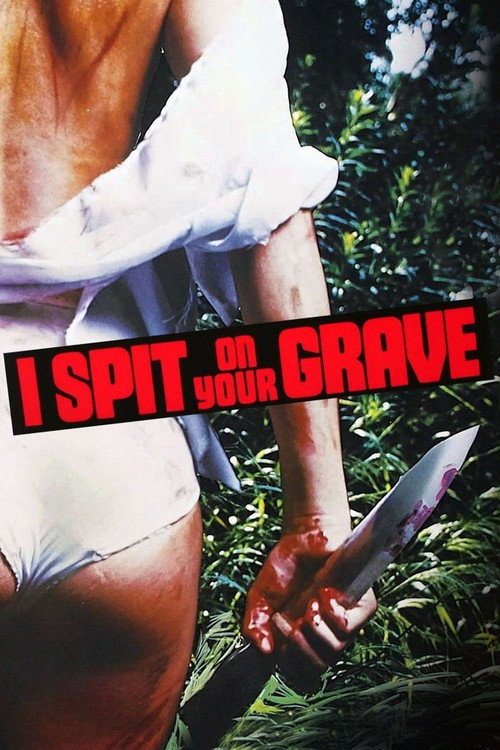
Day of the Woman1978
Rape-revenge with real teeth and moral complexity. Like The Hills Have Eyes, it interrogates masculine violence and features a woman pushed to extremes. Unflinching and disturbing in the best possible way.
But The assault sequence is long and graphic. This is trauma cinema, and if you're seeking escapism, it will feel punishing rather than entertaining.
The Wailing2016
A South Korean masterwork about a village plagued by mysterious deaths. It shares The Hills Have Eyes' obsession with community breakdown and threat from outside, but layers it with ambiguity and metaphysical dread.
But Two-and-a-half hours with a deliberately obscure ending. It rewards interpretation but refuses to confirm any of them. Maddening if you want answers.

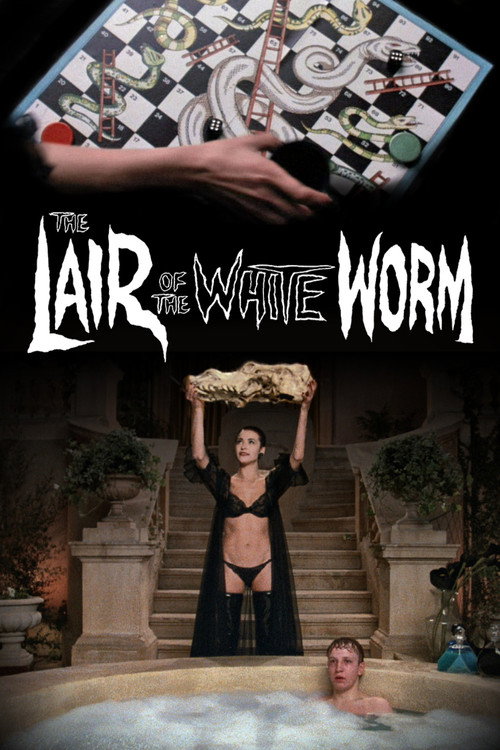
The Lair of the White Worm1988
Ken Russell's surreal, campy take on horror with cannibalistic cult undertones. It's visually extravagant where The Hills Have Eyes is stripped-down, but both are fever-dreams about hidden horrors.
But Russell's excess can feel self-indulgent and the plot barely coheres. It's more interested in transgression than narrative, which will frustrate literal-minded viewers.
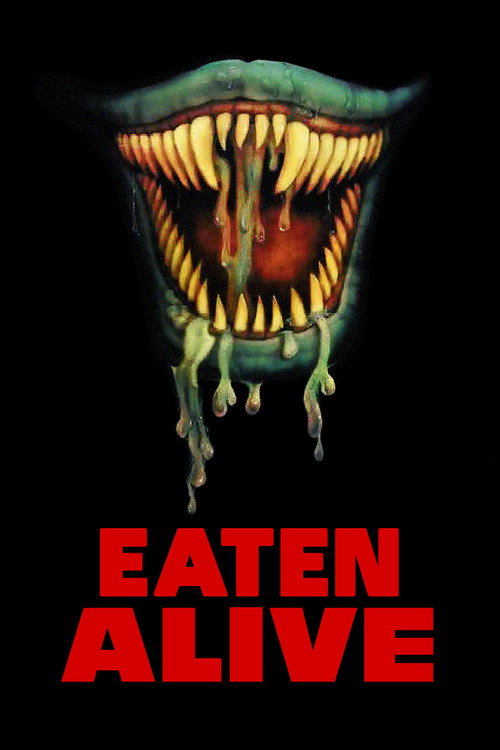
Eaten Alive1976
A cannibal horror-western about a madman running a backwoods inn. Hooper's predecessor to Hills creates a similar atmosphere of inescapable dread and casual evil, all on a low budget with maximum nastiness.
But The pacing is slack and the plot thin. It reaches for atmosphere over incident, which can feel slow if you're not already invested in the mood.
Come and See1985
Both strip away the civilized world and show what humans become when rules no longer apply. Neither offers redemption. Both insist on bearing witness.
A Belarusian film about a boy and a soldier during the Nazi occupation of WWII. It's not genre horror, but it achieves something The Hills Have Eyes reaches for: the complete annihilation of innocence through systematic brutality.
But This is trauma cinema of the highest order. It's catastrophically bleak and contains images of real cruelty. Watching it is an act of endurance, not entertainment.

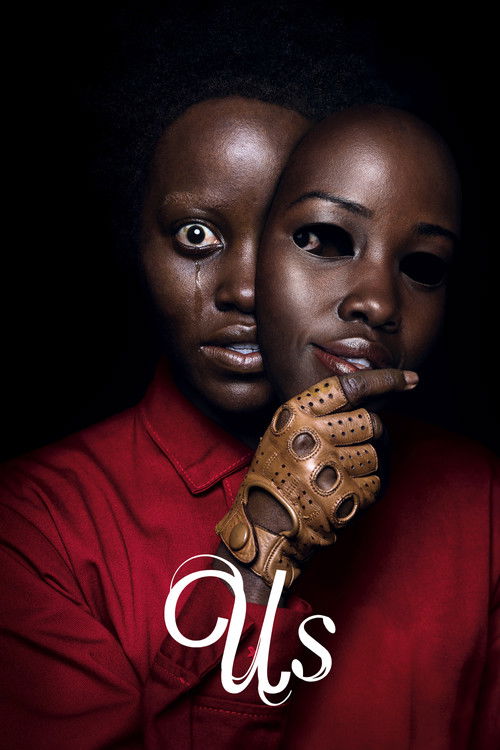
Us2019
Both are about the monster being a function of system rather than aberration. Your family, your home, your country—none of them protect you if the real threat is structural.
Jordan Peele's film about a family hunted by their doppelgängers underground. It takes the home-invasion premise and recontextualizes it through class and identity. Hugely entertaining and formally inventive, with The Hills Have Eyes' core anxiety about who's really safe.
But The social allegory can feel forced, and the final twist divides audiences sharply. Some find it intellectually muddled; others find it overly busy.
People
Cast
 Susan LanierBrenda Carter
 Robert HoustonBobby Carter
 Martin SpeerDoug Wood
 Dee WallaceLynne Wood
 Russ GrieveBig Bob Carter
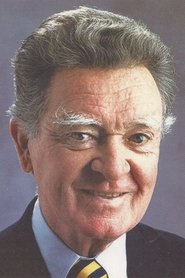 John SteadmanFred
- James WhitworthJupiter
 Virginia VincentEthel Carter
- Lance GordonMars
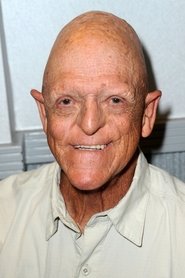 Michael BerrymanPluto
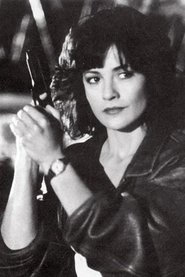 Janus BlytheRuby
- Cordy ClarkMama
Directing
- Valley HoffmanAssistant Director
- Wes CravenDirector
- Joanie BlumScript Supervisor
Writing
- Wes CravenWriter
Production
- Gus SchirmerCasting
- Tom PicketteLocation Coordinator
- Peter LockeProducer
- Rose Marie YurinkoProducer's Assistant
- Florence M. AmicoProduction Assistant
- Rhonda HopkinsProduction Assistant
- Walter R. CichyProduction Manager
Recommended by
The Texas Chain Saw Massacre, Rest Stop, Cannibal Ferox, White Fire, The Forest