
Film
Day of the Woman
A woman brutalized in a remote cabin transforms her trauma into methodical vengeance. Camille Keaton delivers a fearless performance in a film that doesn't flinch from its premise. It's deliberately ugly, uncompromising cinema—not entertainment in any comfortable sense, but a survival story that insists on your attention.
Should you watch it?
Watch it if you are drawn to bleak, stripped-down revenge cinema that argues with its own audience, and want to see how a low-budget exploitation picture turns outrage into something uncomfortably considered.
Skip it if the assault is long, explicit and hard to sit through, and the film's rough, amateurish craft can make the grind feel punishing rather than purposeful.
What it asks of you: Roughly an hour and forty minutes of mostly unhurried dread, with the cruelty arriving slowly and the pace refusing to reassure you along the way.
Not sure? Find tonight's pick in a minute.
If you liked this
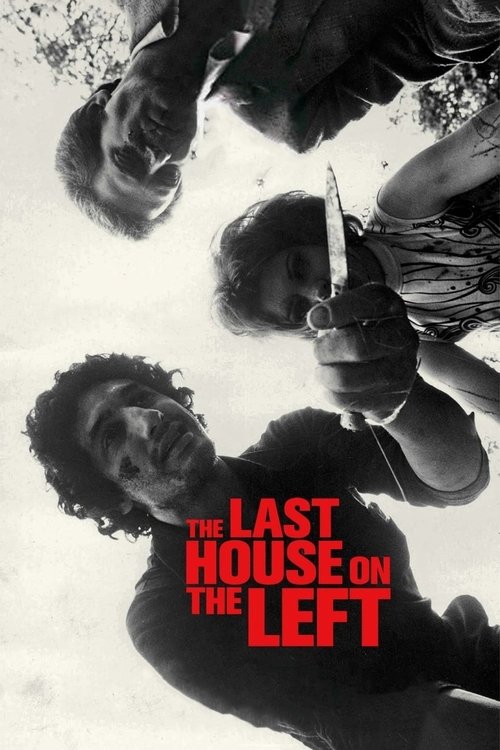
The Last House on the Left1972
Wes Craven's prototype for revenge horror: intimate, savage, and morally reckless. If you're drawn to extremity as a tool for emotional truth, this is where the lineage begins.
But The pacing is glacial by modern standards, and the tonal shifts between horror and dark comedy feel jagged. It's genuinely hard to sit with.
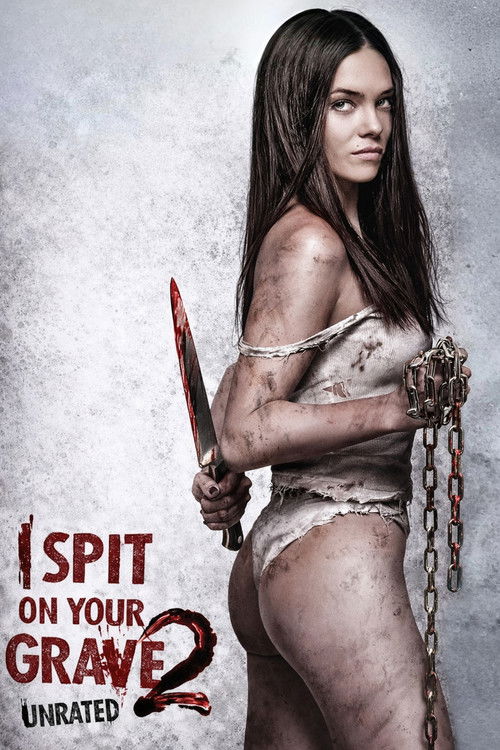
I Spit on Your Grave 22013
A direct sequel that respects the original's refusal to turn trauma into cathartic fantasy. It doubles down on the discomfort and the moral ambiguity in ways that some find braver than the original.
But The premise is relentless. If you found the first film depleting rather than enriching, this will exhaust you further.
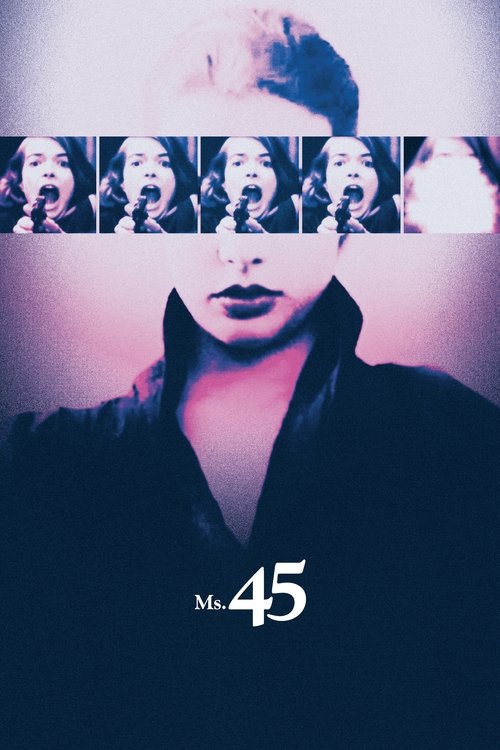
Ms .451981
Abel Ferrara's New York descent into justified rage. A mute woman's transformation from victim to predator is rendered with visual poetry and urban menace. Darkly beautiful where it has every right to be ugly.
But It's a slow film that trusts your patience. The ending divides viewers sharply. Some find it transcendent; others find it didactic.
Not sure tonight? Get a pick in a minute, starting from Day of the Woman
The wildcard
Something you would not have found on your own.
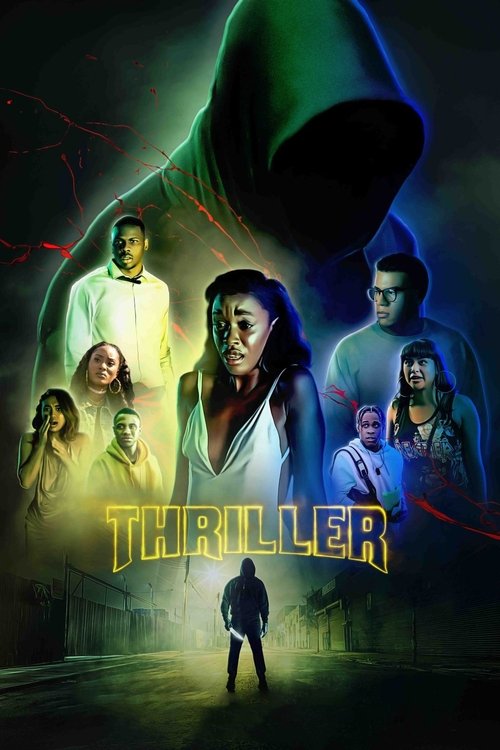
Thriller2018
Both films weaponize the frame of revenge-as-reclamation, but Thriller stages it as collaborative justice rather than solitary obsession—asking whether healing requires a community or destroys one.
South Korean miniseries (three episodes) that remakes Thriller with a woman as the gang-rapist hunter pursued by victims. Same skeleton, flipped gender, documentary realism that grounds the fantasy. Absolutely gripping.
But It's in Korean with subtitles. The compressed format means character moments get sacrificed for plot. If you want character depth, you won't find it here.
More like this (8)
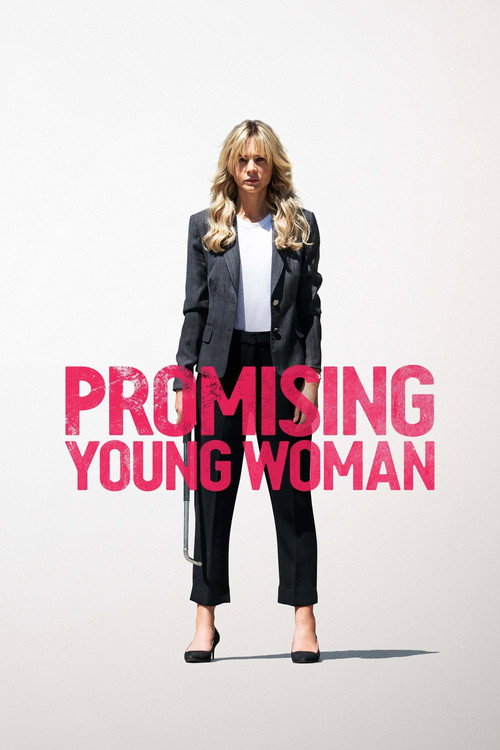
Promising Young Woman2020
Modern reckoning with the same territory: a woman weaponizes her pain against systems that enabled her violation. Sharp, focused, and morally complicated in ways that feel urgent.
But The polish and contemporary setting might feel distant from the raw ugliness you're looking for. It's a more conventional film, structurally.
A Dark Song2016
A woman's obsessive quest for resurrection through an occult ritual. It's grief and rage wearing a supernatural mask, with performances of devastating intimacy. Haunting in the best sense.
But It's quiet, patient, and asks you to sit with pain rather than witness spectacle. Slow-burn does not begin to cover it.

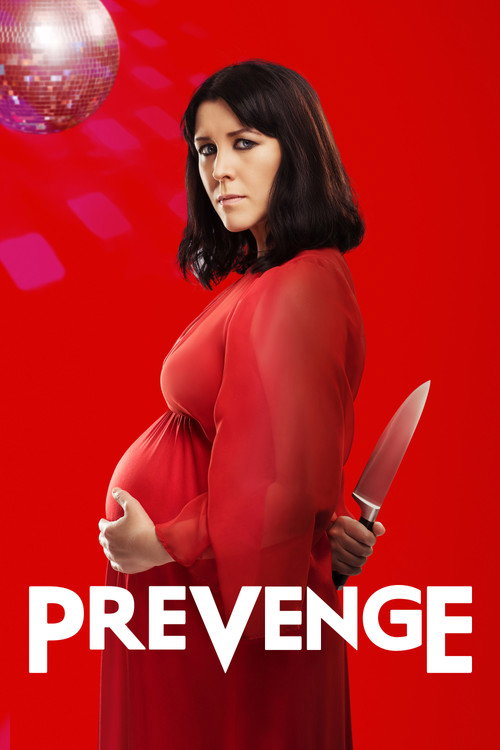
Prevenge2017
Izzy Meikle-Small's pregnant woman as avenging force. Absurdist, grim, and formally inventive in how it visualizes obsession and justified rage without apology.
But The tone is deliberately unstable—horror comedy that doesn't land for everyone. Some find it clever; others find it confused.
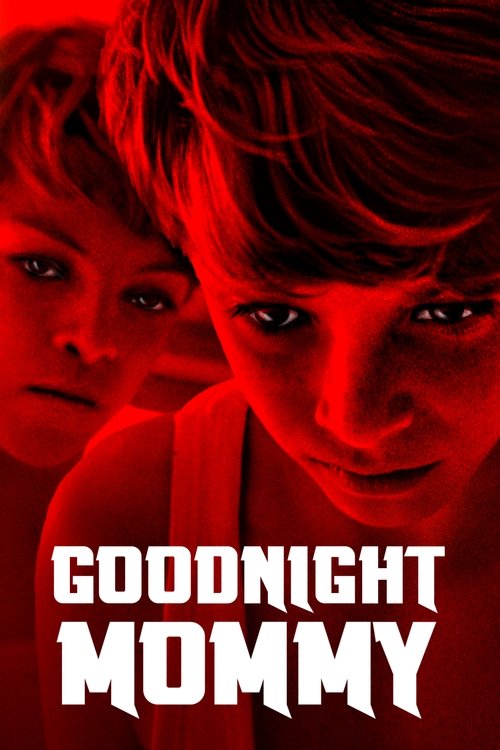
Goodnight Mommy2015
Austrian body horror that rebuilds the home invasion trope from within. Psychologically devastating twist on family and violation. Unforgettable and cruel.
But It relies on shock and viscera as language. If you're looking for emotional depth over sensory assault, you'll feel toyed with.
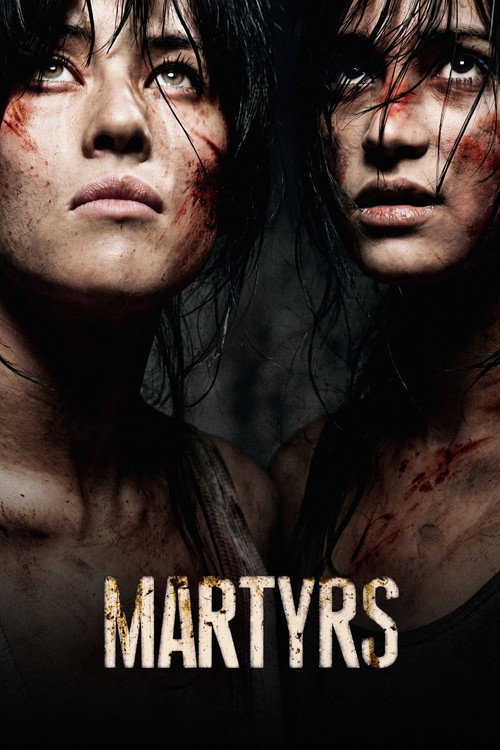
Martyrs2008
Pascal Laugier's French extremity masterpiece: trauma as philosophical inquiry. Two women pursue violent answers to suffering in ways that interrogate whether vengeance ever heals. Audacious and unsparing.
But It escalates beyond rape-revenge into territory that appalls many viewers. The violence is not deployed for catharsis. It's genuinely hard to defend.
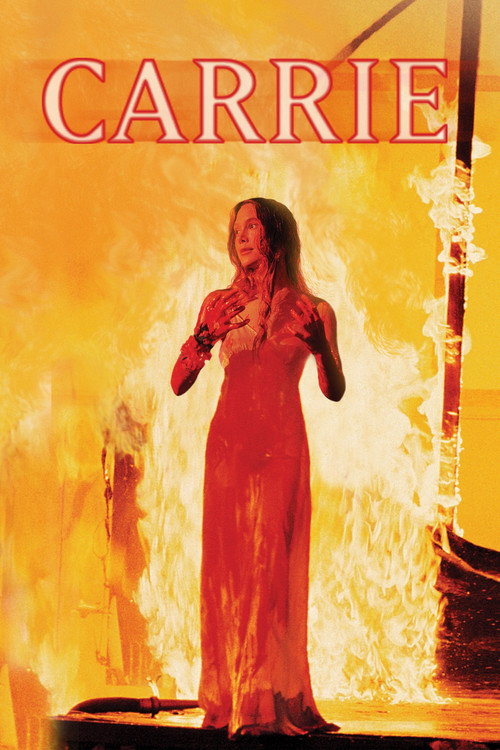
Carrie1976
De Palma's eruption of rage from an abused woman, expressed through supernatural power. The technical brilliance of the finale, the empathy for Carrie's isolation—transformation without apology.
But It's genre film, not grounded reality. If you want your revenge served without supernatural flavoring, the metaphor might feel like evasion.
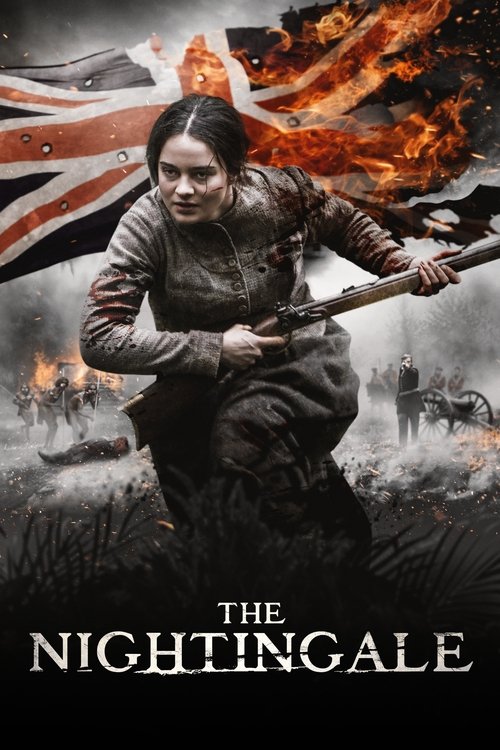
The Nightingale2018
Both films refuse the fantasy of righteous violence. They show revenge as a path that does not redeem—only transfers the sickness. Where Day of the Woman implies triumph, The Nightingale suggests only survival.
Jennifer Kent's Australian frontier film: a colonized woman's systematic revenge across a brutal landscape. Period setting makes the misogyny feel historical rather than contemporary, but the trauma is entirely present. Stunning cinematography, unflinching performance by Aisling Franciosi.
But It's long (150 minutes), slow, and depleting in ways that feel calculated rather than intuitive. The pacing will test you. Some find it exploitative despite its intentions.
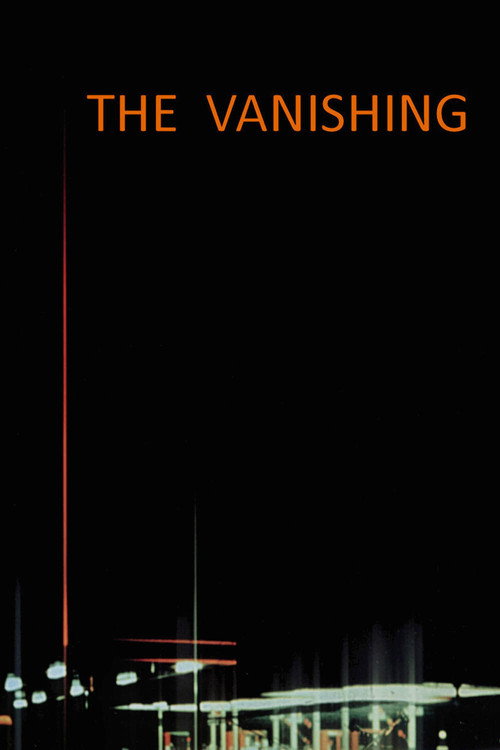
The Vanishing1988
Both films are about the architecture of rage—but this one builds it from the perpetrator's need to understand, while Day of the Woman builds from the survivor's need to enact. Inverting that perspective forces you to ask whether vengeance requires knowledge or only the fantasy of control.
George Sluizer's Dutch thriller about obsession, but with the camera on the abductor and his pursuer—a man consumed by needing to know what happened to his girlfriend. Moral vertigo. Brilliantly constructed.
But It's about a woman who vanishes, not about her agency or perspective. The philosophical focus is on male obsession, not female survival. If you're tired of male-centered narratives about female violence, this inverts your expectation entirely.
People
Cast
 Camille KeatonJennifer Hills
 Eron TaborJohnny
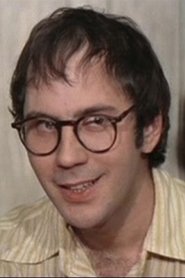 Richard PaceMatthew Lucas
 Anthony NicholsStanley
 Gunter KleemannAndy
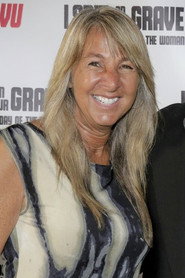 Tammy ZarchiJohnny's Daughter
 Terry ZarchiJohnny's Son
- Alexis MagnottiJohnny's Wife
- Traci FerranteWaitress
- William TasgalPorter
- Isaac AgamiButcher
- Ronit HavivSupermarket Girl
Directing
- Meir ZarchiDirector
- Michael PenlandFirst Assistant Director
- Beriau PicardSecond Assistant Director
Writing
- Meir ZarchiWriter
Production
- Joseph ZbedaProducer
- Meir ZarchiProducer
Recommended by
Ms .45, Kuroneko, Extremities, The Nightingale, She-Devil, The Last House on the Left, Thriller: A Cruel Picture, Caged Heat, The Hills Have Eyes, Reform School Girls, Mother's Day, The Defiler, Jackson County Jail, Lipstick, Steel and Lace, The Executioners, The Fun House