
Film
Lipstick
A 1976 revenge thriller about a fashion model fighting back after a violent assault. Raw and unflinching for its era, *Lipstick* confronts trauma head-on without sentimentality. It's a film that trusts its audience to sit with anger and the messy process of seeking justice. For anyone interested in how cinema processed women's rage in the 1970s.
If you liked this
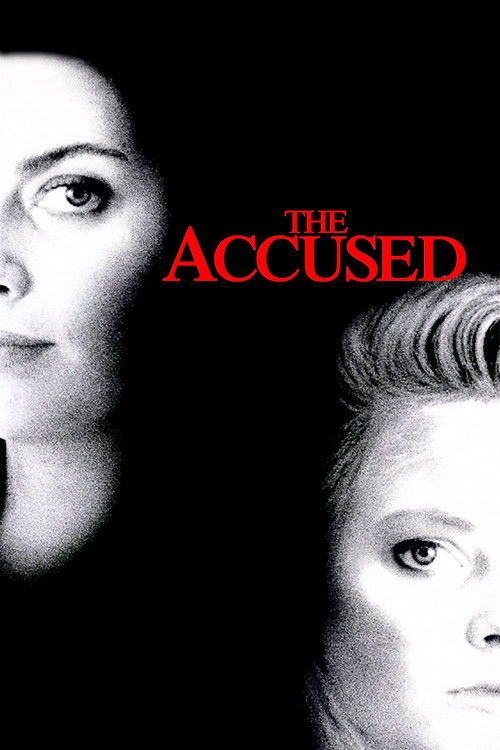
The Accused1988
Jodie Foster in a shattering performance about sexual violence and courtroom betrayal. Like *Lipstick*, it refuses to look away from what happened or minimize its aftermath. Watching her find her voice is extraordinary.
But It's heavy and deliberately painful. Some scenes are constructed to make you deeply uncomfortable, which is precisely the point but not everyone wants that from a film.
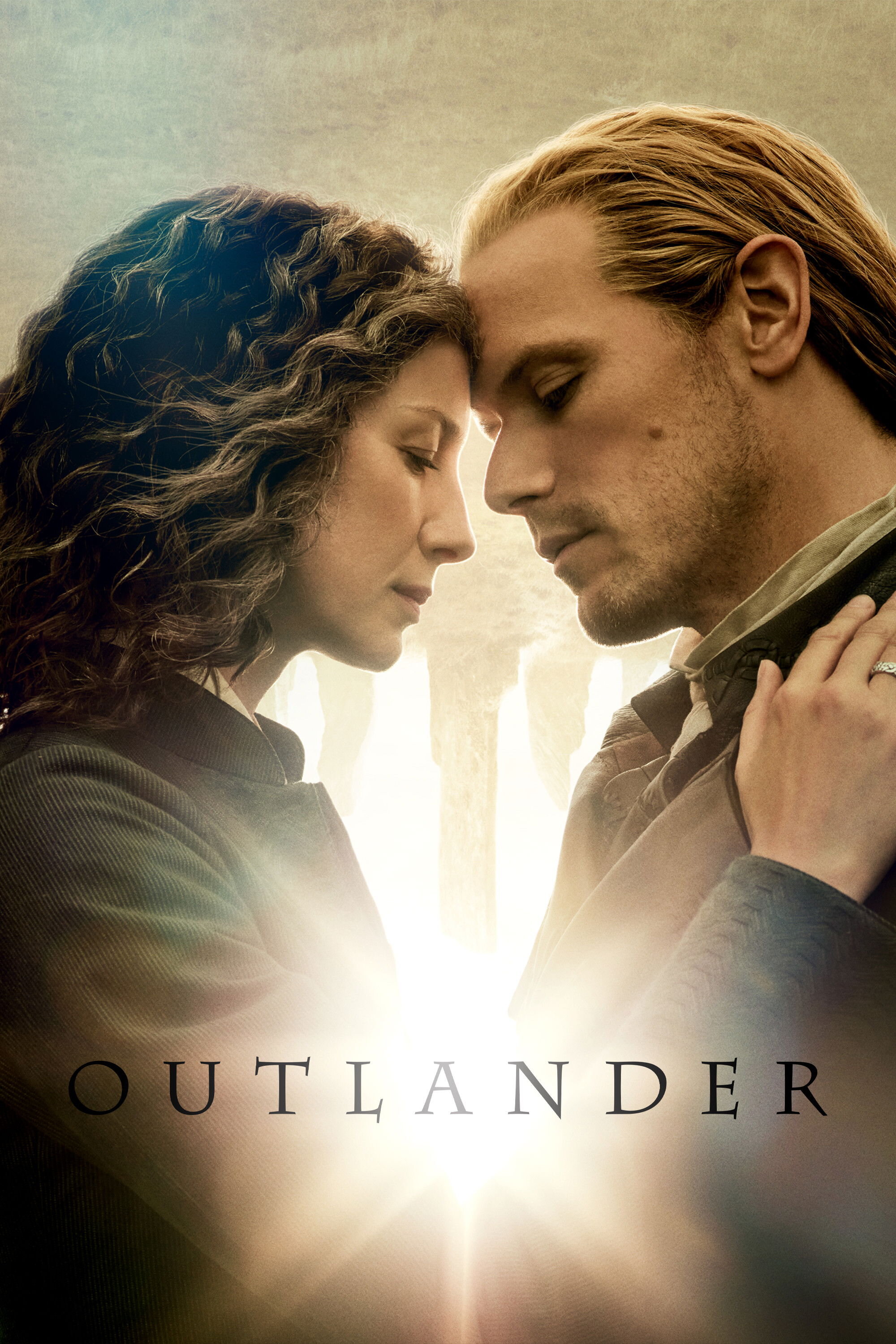
Outlander2014
A woman thrust into a hostile world who fights to survive and protect herself. The show builds on the foundation that female characters can be both vulnerable and ruthlessly capable. Gripping and morally complex throughout.
But It's a massive time commitment—five seasons and counting. The tone shifts between eras, and some storylines have faced criticism for their handling of trauma.
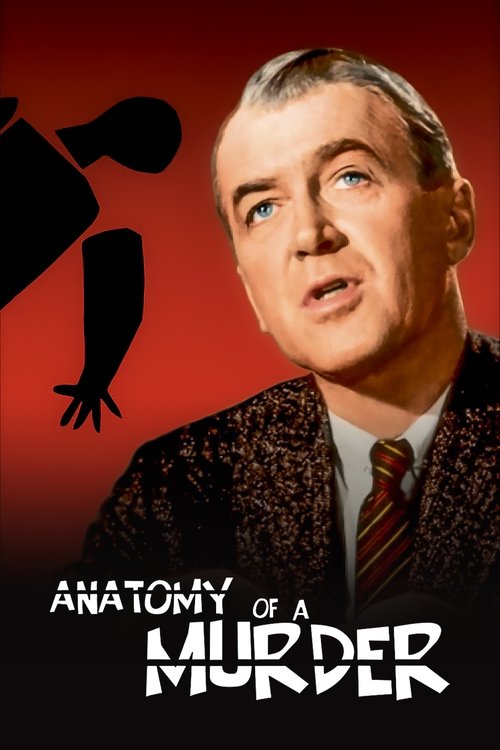
Anatomy of a Murder1959
A courtroom film that treats the machinery of justice with complete seriousness. No easy answers, no villain you can simply hate. The legal arguments are actually compelling, and the film respects your intelligence.
But It's a lawyer's procedural first and foremost. If you want narrative momentum over debate, this will feel deliberately paced to the point of slowness.
Not sure tonight? Get a pick in a minute, starting from Lipstick
The wildcard
Something you would not have found on your own.
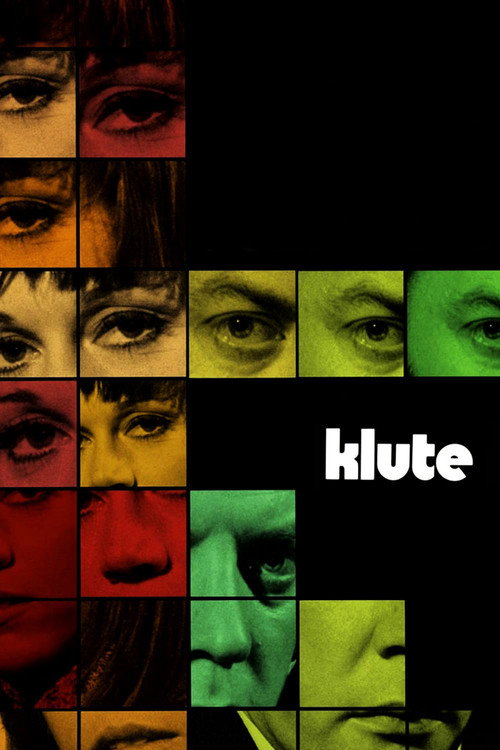
Klute1971
Both are 1970s films about women whose profession and sexuality are weaponized against them. Both trust their actresses to convey damage without explanation. Both understand that revenge isn't the same as justice.
Five years before *Lipstick*, Jane Fonda gives one of cinema's great performances as a sex worker entangled with a detective. It's a thriller where the emotional truth matters more than plot mechanics. Fonda is electric, unpredictable, fully alive on screen.
But The pacing is deliberate and sometimes glacial. Pakula's direction prizes mood and ambiguity over clear narrative momentum, which some find frustrating.
More like this (8)
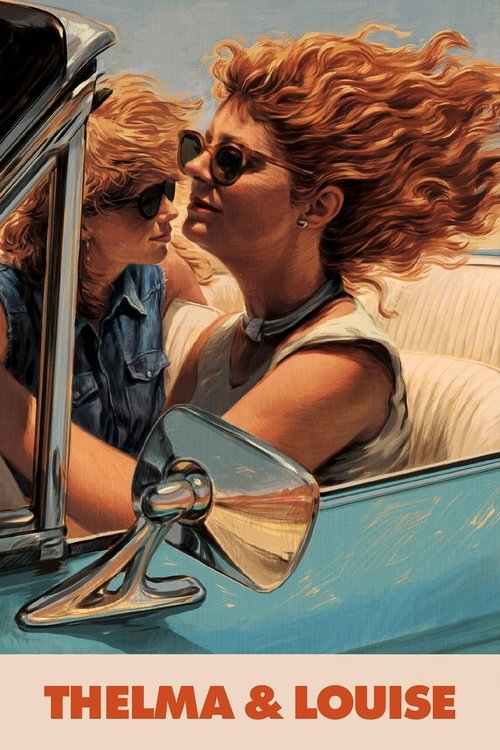
Thelma & Louise1991
Two women responding to violence with agency and rage. It's exhilarating and tragic simultaneously—a film about the moment women stop asking permission. Ridley Scott's best film about freedom and consequence.
But Thirty years old now, so the cultural moment it captured feels slightly distant. Some viewers find the ending's inevitability manipulative rather than cathartic.
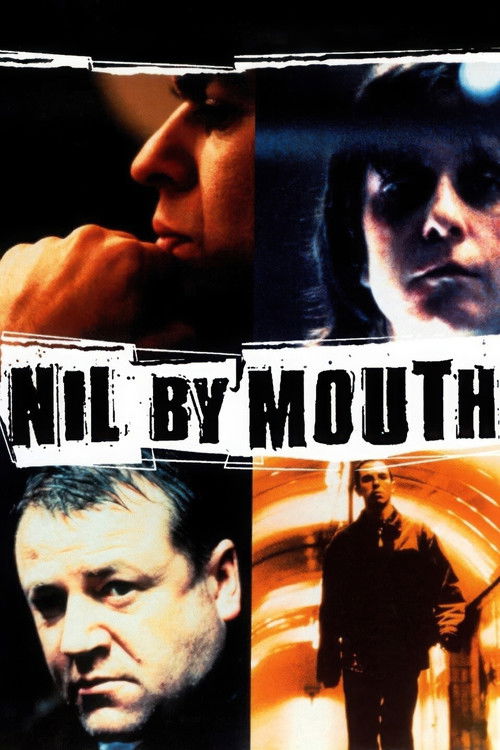
Nil by Mouth1997
Gary Oldman's directorial debut about working-class London life defined by violence. Brutal, unflinching, shot through with moments of genuine tenderness. The kind of film that makes you reconsider what cinema can do.
But It's relentlessly bleak and features dialogue so naturalistic and profane it can be hard to parse. Oldman doesn't soften anything for viewer comfort.
Requiem for a Dream2000
Aronofsky's meditation on addiction and self-destruction is visually stunning and emotionally devastating. It's a film that builds to something genuinely cathartic. Ellen Burstyn's performance is one of cinema's greatest.
But The technique—rapid cuts, distorted sound, experimental editing—can feel manipulative. And the ending is so dark some viewers feel punished rather than moved.

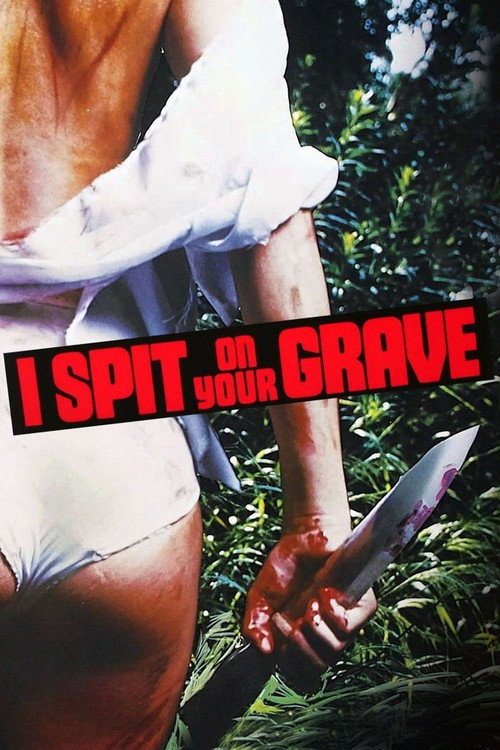
Day of the Woman1978
Made the year after *Lipstick*, this is the other great revenge film born from 1970s rage about sexual violence. Raw and purposefully difficult. Meir Zarchi's film doesn't look away and doesn't apologize.
But It's genuinely disturbing and some will find the early violence exploitative no matter the film's intentions. The acting is uneven; this is exploitation cinema dressed in a serious argument.
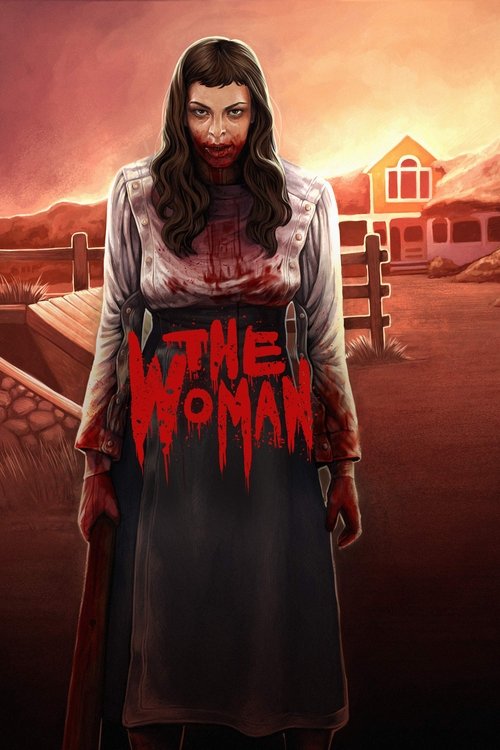
The Woman2011
Lucky McKee's film about a feral woman who defies civilization's attempts to domesticate her. Subversive, strange, and genuinely confrontational about gender and power. It's a film arguing back.
But The premise is provocative in ways some will find offensive rather than thoughtful. It's deliberately nasty and won't convince you if you think it's making the wrong argument.
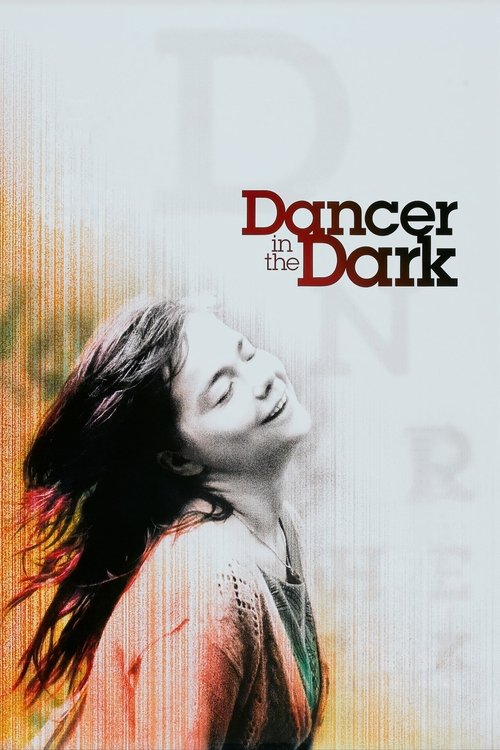
Dancer in the Dark2000
Björk in Lars von Trier's brutal tragedy about a woman crushed by circumstance. The musicals provide heartbreaking contrast to mounting horror. It's devastating cinema about how systems destroy the vulnerable.
But Von Trier's reputation precedes him—the film feels designed to cause maximum pain. Björk's non-professional acting is intentional but not always smooth. The ending haunts viewers for years.
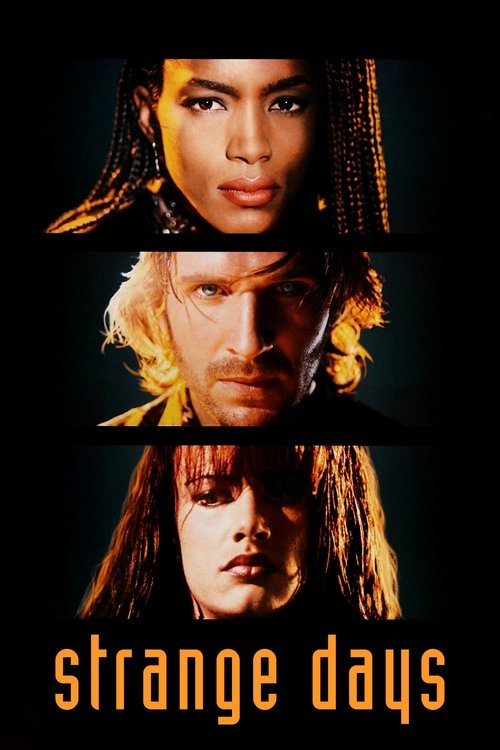
Strange Days1995
Both center a woman's right to her own body as the moral foundation of everything that follows. Both feature a killer who believes he owns what he has taken. Both argue that ownership of one's image and self is the only justice that matters.
Kathryn Bigelow's cyberpunk thriller about surveillance, violation, and female rage. It's technically brilliant—a vision of how technology colonizes the body. The finale channels *Lipstick*'s fury into action cinema. Visionary and kinetic.
But The 1995 pastiche of near-future Los Angeles hasn't aged seamlessly. It's also loud and deliberately maximalist—not contemplative, and the gender politics, while forward-thinking then, feel complicated now.
Johnny Guitar1954
Both films, from vastly different eras, understand that a woman who will not defer or apologize or perform remorse is cinema's most radical subject. Both feature a woman alone against society. Both refuse the audience the comfort of seeing her surrender.
Nicholas Ray's baroque western about a woman who owns a saloon and defends it against the world. Vienna (Joan Crawford) is ruthless, unflinching, and utterly her own creation. The film inverts every genre convention. It's strange, beautiful, and completely its own thing.
But It's a 1954 film that fundamentally rejects the grammar of traditional westerns, which can feel stilted to modern eyes. The plot is almost secondary to the character dynamics, which some find unclear rather than ambiguous.

People
Cast
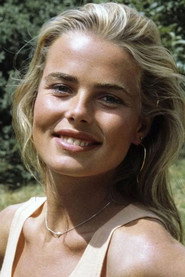 Margaux HemingwayChris McCormick
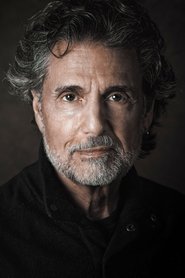 Chris SarandonGordon Stuart
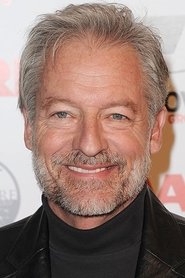 Perry KingSteve Edison
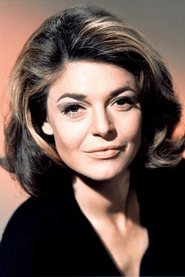 Anne BancroftCarla Bondi
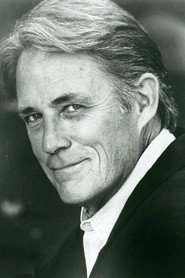 John Bennett PerryMartin McCormick
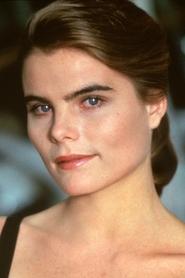 Mariel HemingwayKathy McCormick
- Francesco ScavulloFrancesco
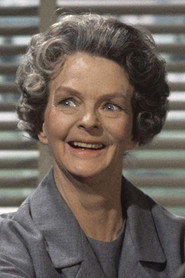 Meg WyllieSister Margaret
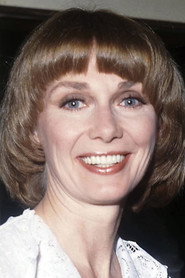 Inga SwensonSister Monica
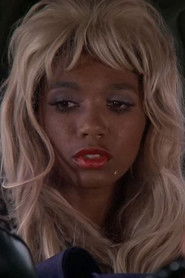 Lauren JonesPolicewoman
- William Paul BurnsJudge
- Way BandyMake-up Artist
Directing
- Lamont JohnsonDirector
- Mickey McCardleFirst Assistant Director
- Ray QuirozScript Supervisor
- Craig HustonSecond Assistant Director
- Leslie MoultonSecond Assistant Director
Writing
- David RayfielScreenplay
Production
- Mary GoldbergCasting
- Penny PerryCasting Assistant
- Stanley NeufeldExecutive In Charge Of Production
- Dino De LaurentiisExecutive Producer
- Joe O'HarLocation Coordinator
- Freddie FieldsProducer
- Hector FreemanProduction Assistant
- Elaine StundelProduction Coordinator