
Film
Thriller: A Cruel Picture
- Vigilante
- Very dark
A 1973 Swedish exploitation film of stunning craft and ferocious intent. Madeleine, mute after childhood assault, is trafficked into prostitution and methodically plots revenge. Beautifully shot, unflinching about violence and suffering, uncompromising in its rage. For viewers who want cinema to mean something hard.
Should you watch it?
Watch it if you admire lean, stylised exploitation cinema where a near-wordless heroine does the talking, and you can watch cold, deliberate imagery without needing it softened.
Skip it if you find sexual violence hard to sit through, and the film lingers on cruelty with uneven pacing that can feel punishing rather than purposeful.
What it asks of you: At 108 minutes it moves slowly, with long silences and little dialogue, asking you to stay patient through bleak stretches broken by sudden, sharp violence.
Not sure? Find tonight's pick in a minute.
If you liked this
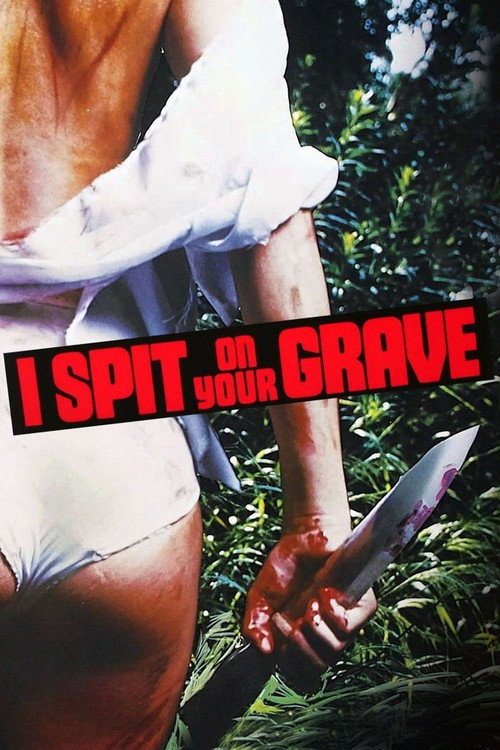
Day of the Woman1978
Meir Zarchi's American mirror image: a woman assaulted, left for dead, who returns with systematic vengeance. Raw, confrontational, technically accomplished despite its budget. A genuine shock to the system.
But The sexual violence is graphic and prolonged. It exists to hurt the viewer, not entertain. Many find that unforgivable, and reasonable people disagree about whether that's cinema or exploitation.
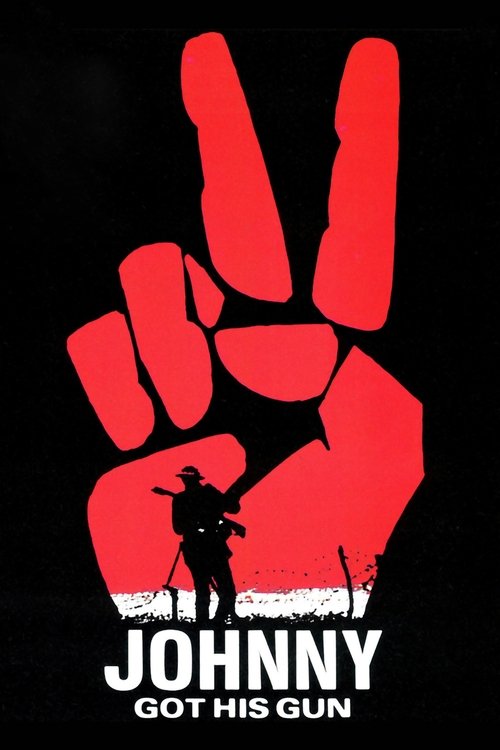
Johnny Got His Gun1971
Dalton Trumbo's anti-war masterpiece: a soldier so damaged he's locked in his own body. Visually baroque and deeply felt. Shows how cinema can make physical helplessness unbearable and morally urgent.
But Bleak doesn't begin to cover it. Long passages without dialogue, nightmarish sequences. Some find it didactic; others find it necessary. Not a film that offers comfort.
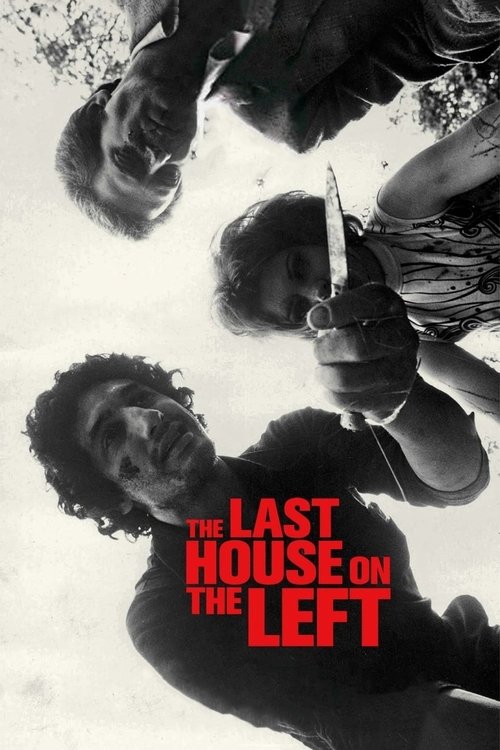
The Last House on the Left1972
Wes Craven's debut: raw, handheld, formally inventive about violation and revenge. The violence is not stylish—it looks like what it is. Genuinely unsettling because Craven takes it seriously.
But The assault scenes are brutal and hard to watch. The tonal shifts between horror and dark comedy won't work for everyone. It's a provocation, not a comfort film.
Not sure tonight? Get a pick in a minute, starting from Thriller: A Cruel Picture
The wildcard
Something you would not have found on your own.
The Skin I Live In2011
Both are formally controlled revenge narratives about bodies marked by trauma, made beautiful precisely because they refuse to flinch from ugliness.
Antonio Banderas, a surgeon obsessed with reconstructing a woman's face—except the obsession is darker than it seems. A thriller that shares *Thriller*'s formal sophistication and its interest in how trauma shapes bodies and minds. The twist recontextualizes everything.
But The revelation will seem transgressive to some. The film treats it as tragedy, not exploitation, which requires moral flexibility. Slower than you'd expect from a thriller.

More like this (8)
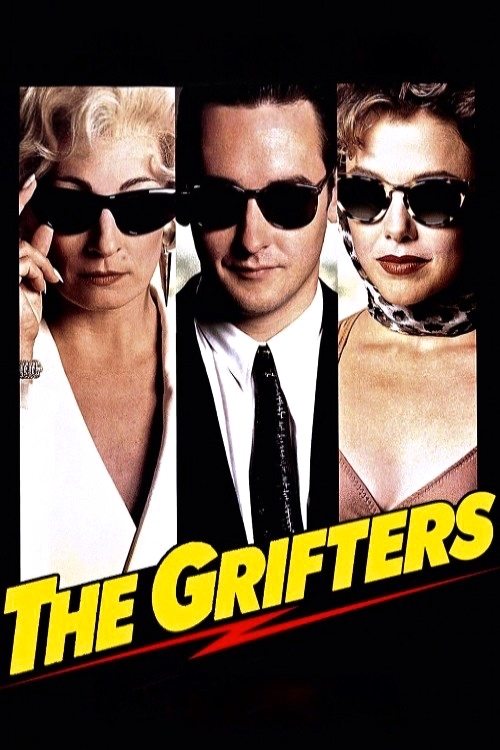
The Grifters1990
Stephen Frears: con artists, ruthlessness, the erosion of trust. Sharp, cruel, perfectly acted. Shares *Thriller*'s interest in people operating beneath normal rules, playing a deadly long game.
But Morally bleak. Everyone is selfish, everyone loses. If you need a character to root for, you won't find one here.
Possession1981
Andrzej Żuławski's hallucinogenic nightmare about a marriage imploding into violence and surrealism. Isabelle Adjani is extraordinary. It's visually audacious in a way that demands your full attention.
But Genuinely confusing. The plot is secondary to the feeling of psychological collapse. Some see genius; others see self-indulgent chaos.

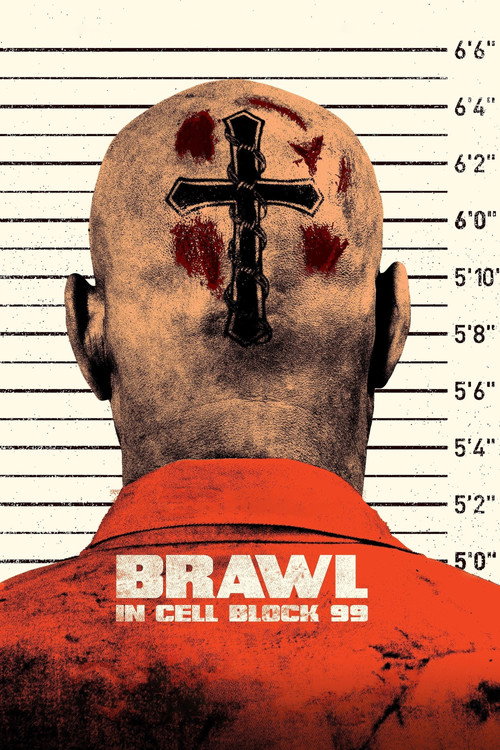
Brawl in Cell Block 992017
S. Craig Zahler: a man wronged, imprisoned, moving through hell with purpose. Methodical, brutal, formally precise. Like *Thriller*, it builds toward violence with patient clarity and takes the consequences seriously.
But The violence is graphic and personal. Long stretches without dialogue. Some find it glacial; others find that glaciality essential.
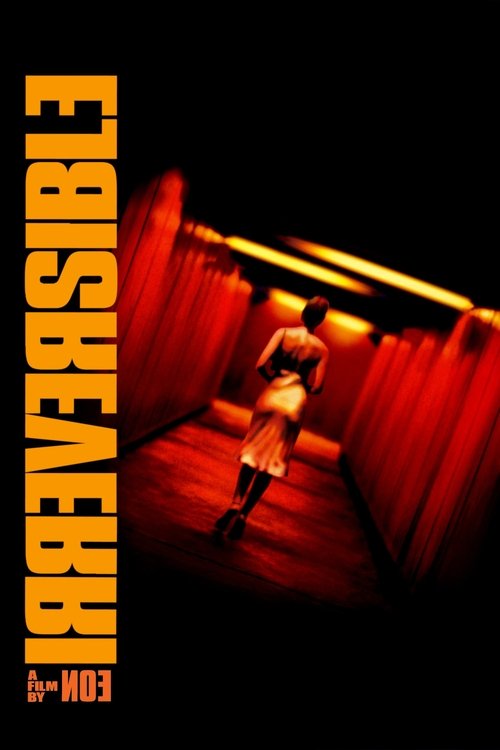
Irreversible2002
Gaspar Noé plays time backwards. A nine-minute static shot of sexual assault, then narrative unwinds to show what led there. Formally brave, genuinely about the irreversibility of trauma, not gratuitous.
But The central assault is one of cinema's most difficult sequences. The reverse chronology is intellectually interesting but emotionally exhausting. Not entertainment.
Come and See1985
Elem Klimov's Soviet masterpiece: a boy conscripted into war, his gradual annihilation. Visually stunning, morally shattering. Shows what cinema can do when it refuses to look away from horror.
But Relentlessly bleak. The violence is not stylized. By design, it wears you down rather than exciting you. One of the hardest films ever made.

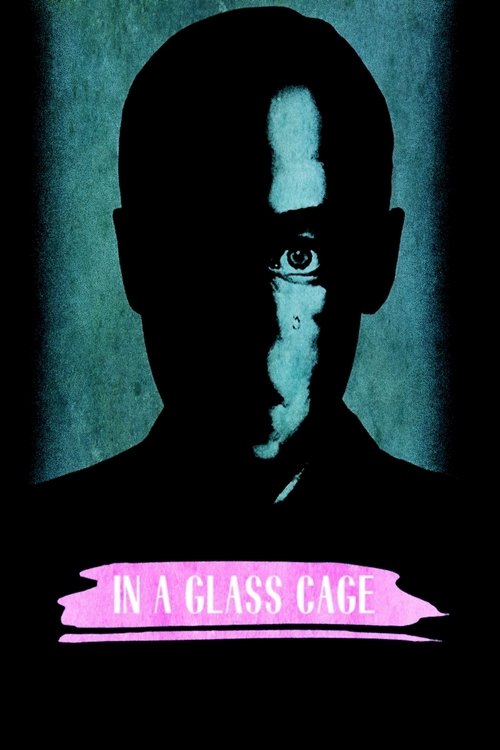
In a Glass Cage1986
Agustí Villaronga: a paralyzed former Nazi and the boy who becomes his nurse, in a cat-and-mouse game of memory and revenge. Formally elegant, morally complex, visually composed like *Thriller*.
But The sexual content is disturbing and bound up with fascism and suffering. The pacing is slow. The ending offers no catharsis, only truth.
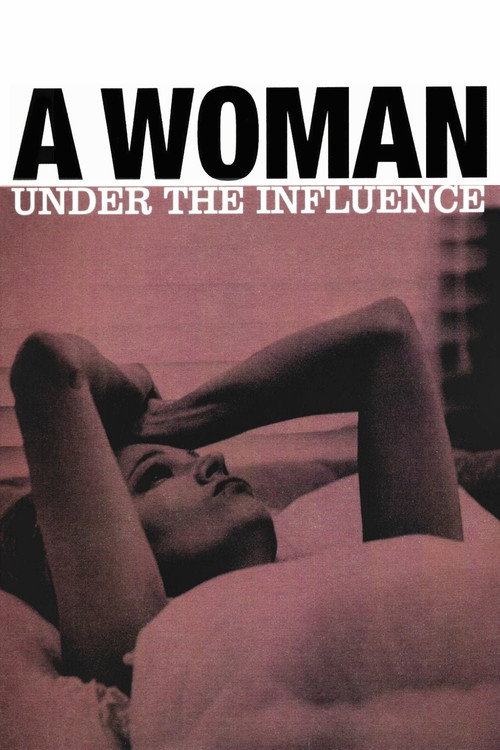
A Woman Under the Influence1974
Both are 1970s films that center female destruction with formal intelligence. One is a genre film about revenge; the other is a family drama. But both refuse to look away, and both trust the camera to do the moral work.
John Cassavetes: Gena Rowlands as a woman fragmenting under pressure. Handheld, improvisational, raw—the opposite of exploitation cinema in every way except one: it watches suffering with complete attention and love. What happens when you give cinema that much care to a woman's destruction?
But No plot, minimal narrative momentum. Some see emotional truth; others see indulgence. Cassavetes's style is deliberately rough. It demands patience and emotional surrender.
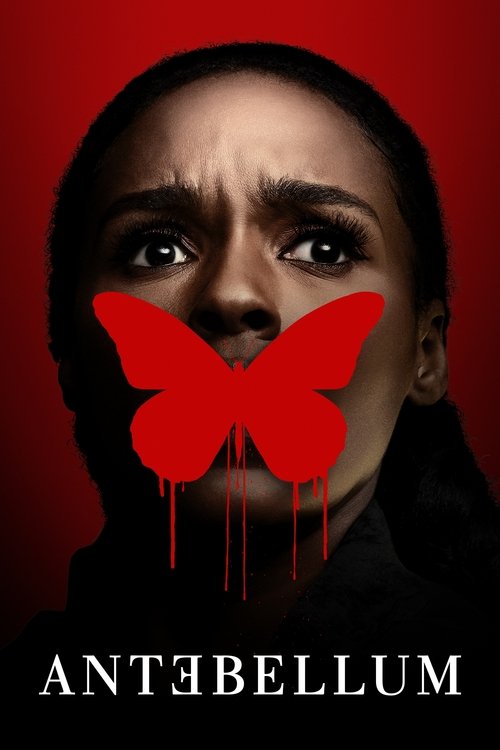
Antebellum2020
Both use formally precise cinema—composition, color, rhythm—to make violence into something that matters morally. Both are about women in cages, and both suggest that cinema itself is the only way to escape.
Gerard Bush and Christopher Renz: a woman trapped in a nightmare that is and is not what it seems. Formally audacious, visually gorgeous, about how history and trauma layer into one unbearable present. Like *Thriller*, it uses beauty to make horror matter.
But The twist divides viewers sharply. Some find it reductive; others find it clarifying. The violence is not gratuitous, but it's not distant either. Requires you to sit with discomfort.
People
Cast
 Christina LindbergFrigga / Madeleine / One Eye
 Heinz HopfTony
 Solveig AnderssonSally
 Despina TomazaniThe Lesbian Girl
 Per-Axel AroseniusMadeline's Father (as Per Axel Arosenius)
 Gunnel WadnerMadeleine's mother
- Björn KristianssonThe Addict
- Marie-Louise MannervallWoman in Village
- Hildur LindbergWoman in Village
- Marshall McDoughKarate Teacher (as Marshal Mc Donagh)
- Gunnar PalmDriving Teacher
- Pamela Pethö-GalantaiYoung Madeleine
Directing
- Bo Arne VibeniusDirector
Writing
- Bo Arne VibeniusOriginal Story
- Bo Arne VibeniusWriter
Production
- Bo Arne VibeniusProducer
- Bo LundqvistUnit Manager
Recommended by
Female Prisoner Scorpion: Beast Stable, Foxy Brown, Coffy, Hannie Caulder, Candy Stripe Nurses, Female Prisoner #701: Scorpion, Lorna, Beckett