
Film
Lorna
- Drama
- Very dark
Russ Meyer's 1964 debut is a transgressive melodrama about desire, entrapment, and the violence lurking beneath suburban normalcy. Shot in stark black-and-white, it announces Meyer's obsession with female sexuality and power dynamics through deliberately provocative plotting. Essential viewing for anyone serious about American cinema's margins, though it remains deliberately uncomfortable.
If you liked this
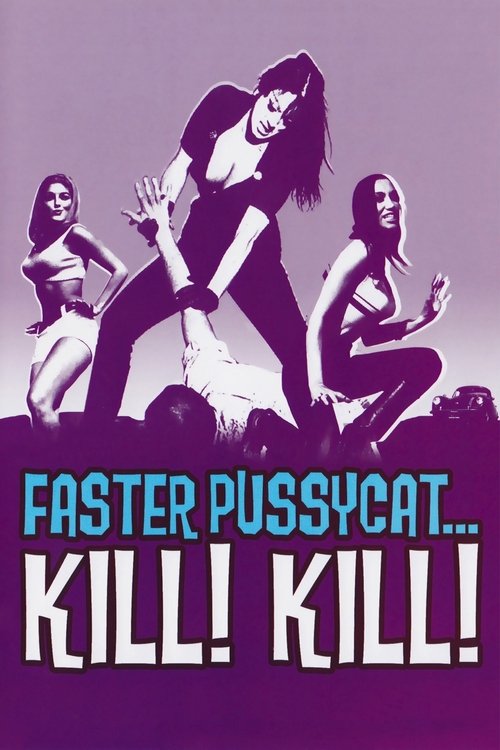
Faster, Pussycat! Kill! Kill!1965
Meyer's follow-up perfects his formula: outrageous female characters, kinetic violence, and a refusal to apologize for depicting women as sexual agents. It's camp, it's transgressive, it's irresistible.
But The tone is so heightened and the gender politics so deliberately provocative that some viewers find it exhausting rather than liberating.
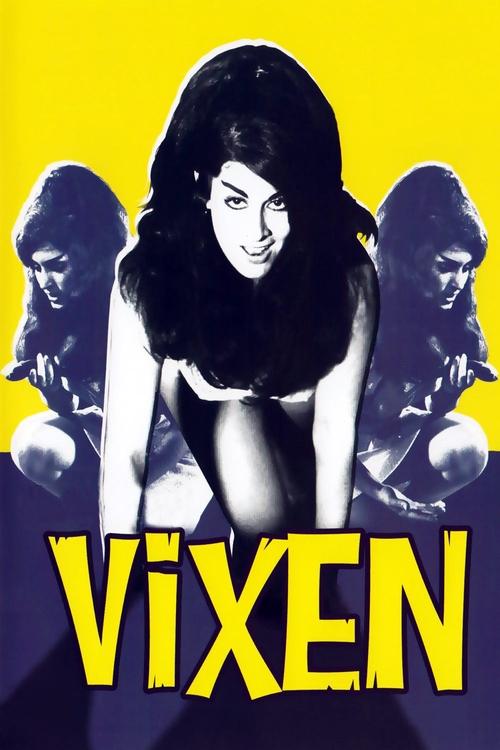
Vixen!1968
Meyer at peak inventiveness: a remote setting, a morally flexible heroine, and genuinely inventive visual storytelling. The sex and violence feel purposeful rather than gratuitous, which paradoxically makes it more unsettling.
But The comic tone in a film about assault and betrayal can feel tone-deaf, and the pacing is deliberately jerky.
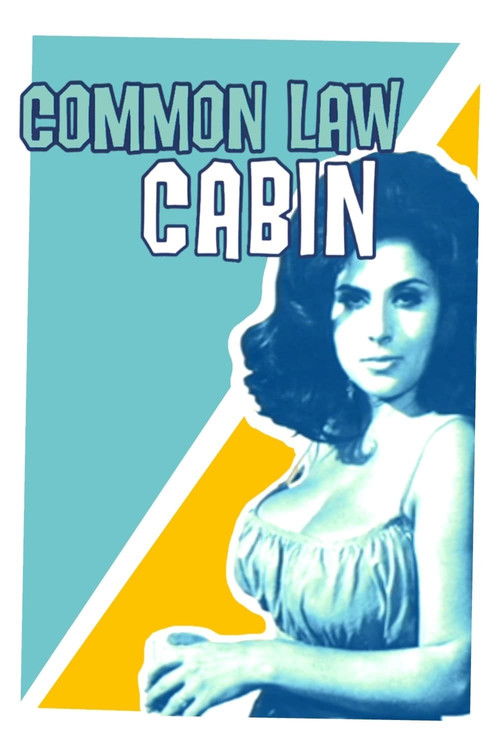
Common Law Cabin1967
Meyer's exploration of desire and violence in close quarters is claustrophobic and hypnotic. The aesthetic is unmistakably his, and the moral ambiguity is genuinely troubling in the best way.
But It's extremely slow and patient in places, and Meyer's attitude toward his female characters, though complex, remains difficult to parse.
Not sure tonight? Get a pick in a minute, starting from Lorna
The wildcard
Something you would not have found on your own.
Jeanne Dielman, 23, quai du Commerce, 1080 Bruxelles1976
Both films refuse to look away from female sexuality and economic desperation. Both treat their subjects with a directness that made audiences uncomfortable. Both ask what cinema owes to women's inner lives.
Chantal Akerman's three-hour masterpiece is the anti-Lorna: a woman's routine sexual labor documented with glacial patience and radical empathy. Where Meyer exploits, Akerman observes. It's the film that proves the alternative, and it's hypnotic.
But It's literally watching a woman do housework and have sex with clients. The pacing is deliberately anti-cinematic. Many find it boring, and that's almost the point.

More like this (8)
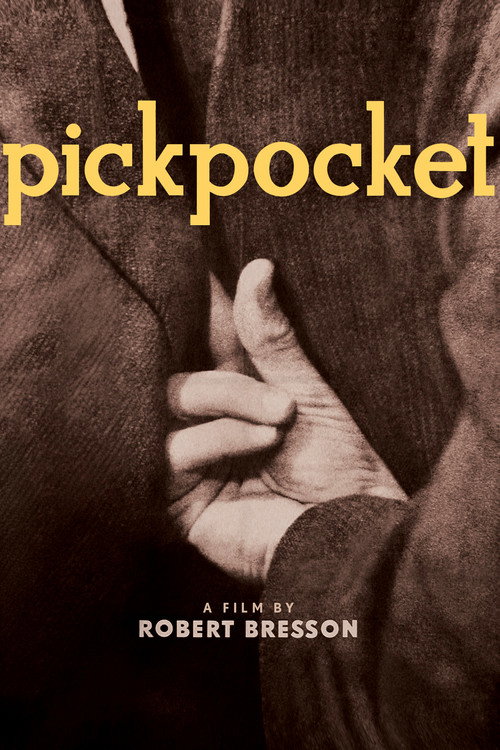
Pickpocket1959
Bresson's study of compulsion and transgression shares Lorna's interest in protagonists drawn toward behaviors they can't resist. Spare, meditative, and philosophically rigorous about why people do wrong.
But It's austere to the point of austerity—no pleasure in the formal beauty, and the emotional payoff is deliberately withheld.
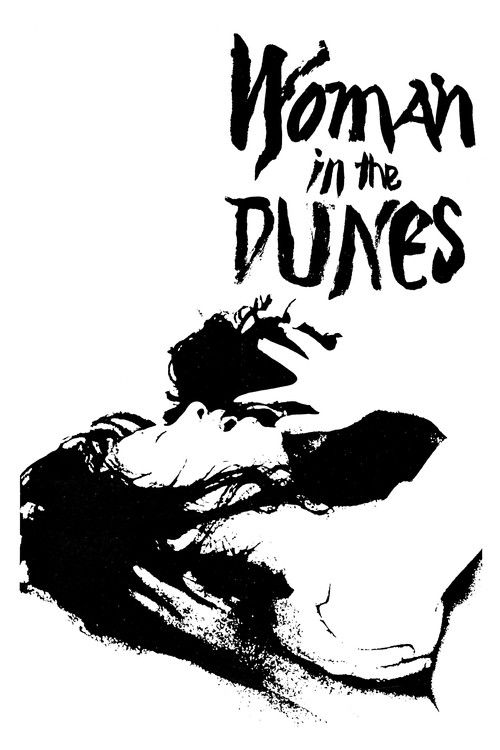
Woman in the Dunes1964
Hiroshi Teshigahara's contemporary masterpiece is also a year 1964 film about a woman in an impossible situation. The existential dread and visual inventiveness make it feel completely modern and completely of its moment.
But It's abstract and philosophically demanding in ways that can feel remote. The pacing is glacial. Some find it pretentious.
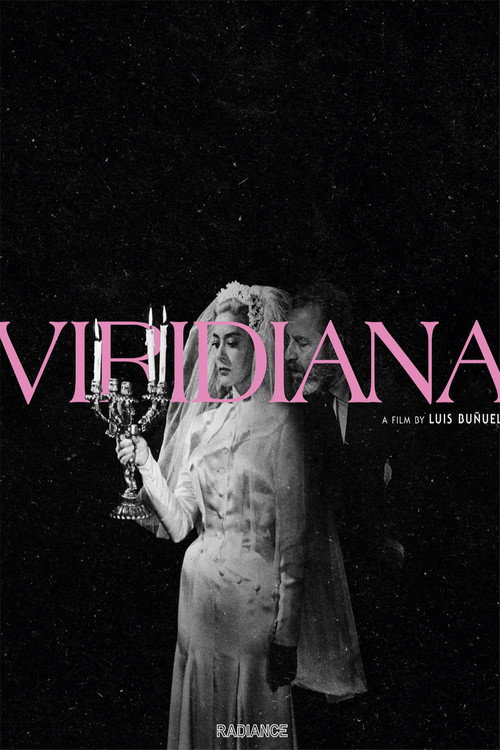
Viridiana1962
Buñuel's savage social critique uses transgression and provocation the way Meyer does—to expose hypocrisy and desire. Spanish surrealism meeting exploitation cinema's energy. It's brilliant and deeply uncomfortable.
But The religious imagery is deliberately inflammatory, and the film's coldness toward its characters can feel cruel. It's long and digressive.
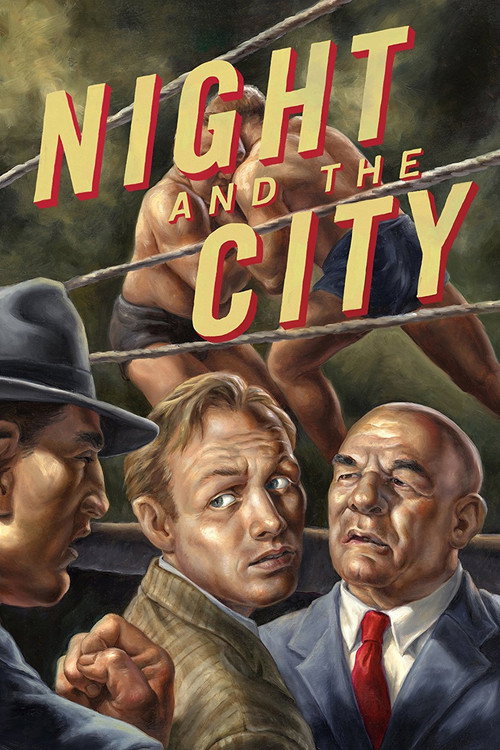
Night and the City1950
Jules Dassin's masterpiece captures the same atmosphere of entrapment and moral compromise. Every character is trapped by their wants. The black-and-white cinematography is transcendent, the despair authentic.
But It's bleak without offering the catharsis of resolution. The pacing is relentless and exhausting by design.
In a Lonely Place1950
Ray's noir classic explores how desire and violence intertwine in ways that predate Meyer. Bogart is mesmerizing as a man whose sexuality and aggression are inseparable. It asks dangerous questions without flinching.
But The sexual politics, while radical for 1950, still feel dated in specific ways. It's slow-burn and genuinely depressing.

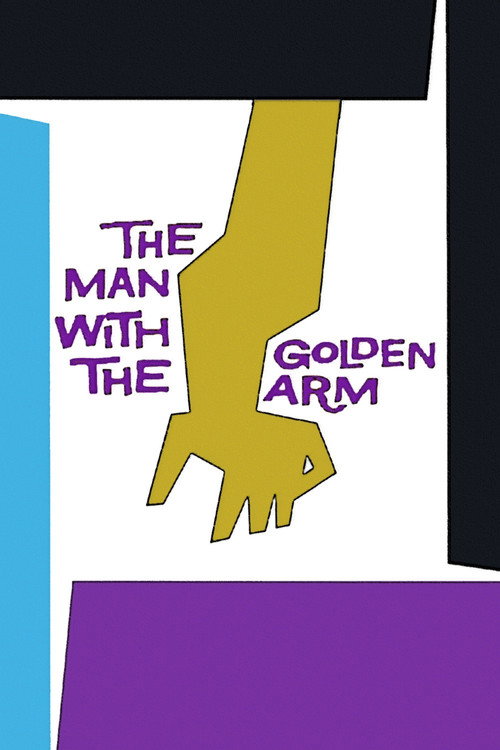
The Man with the Golden Arm1955
Preminger's landmark study of addiction and compulsion has Meyer's interest in characters driven by forces they can't control. It's stylish, it's daring, it's about being trapped in your own body.
But The dated attitudes toward addiction and women feel didactic now. The jazz-age aesthetic can overshadow the human cost.
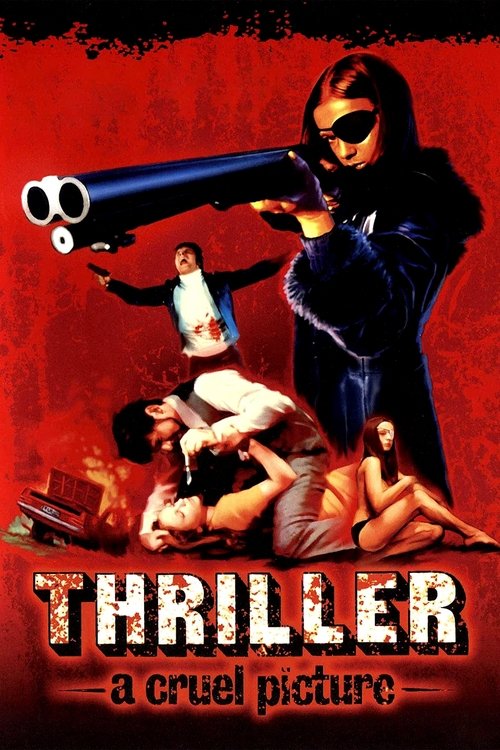
Thriller: A Cruel Picture1973
Both films feature women in sexual situations they didn't choose, but this one makes the protagonist's agency and rage the entire point. It's Lorna's implied violence made literal and celebrated.
Swedish exploitation that's also a genuine revenge narrative. A woman trapped in sexual servitude fights back with acid and a rifle. It has Meyer's visual audacity and transgressive energy, but deployed toward righteous violence.
But It's graphic and disturbing in ways that shock even viewers prepared for provocation. The morality is murky. It's brutal in its honesty.
Mulholland Drive2001
Both films explore how desire and performance corrupt women, and both use formal audacity (Meyer's stark framing, Lynch's dream-logic) to make the viewer complicit in the transgression. Both refuse to comfort the audience.
Lynch's epic fever dream about desire, performance, and female sexuality in Los Angeles. It has Meyer's visual excess and provocative sexuality, but filtered through dreamlogic and genuine heartbreak. More ambitious, less direct, equally transgressive.
But It's deliberately incoherent. The narrative breaks in half. Lots of viewers find it pretentious or frustrating. It requires surrender rather than comprehension.

People
Cast
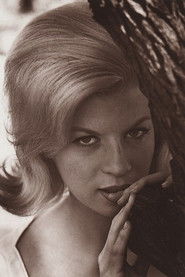 Lorna MaitlandLorna
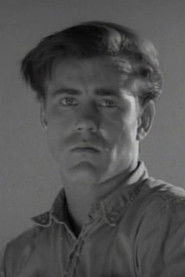 James RuckerJim
 Mark BradleyThe Convict
 Althea CurrierRuthie
 James GriffithThe Man of God
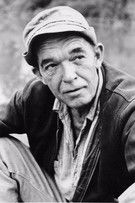 Hal HopperLuther
- Doc ScorttJonah
- F. Rufus OwensEzra
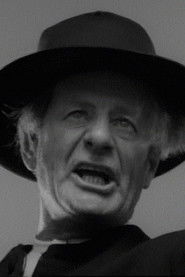 Frank BolgerSilas
- Ken ParkerAngler
Directing
- Russ MeyerDirector
Writing
- James GriffithScreenplay
- Russ MeyerStory
Production
- Eve MeyerProducer
- Russ MeyerProducer