
Film
Viridiana
Buñuel's masterpiece about a novice nun visiting her wealthy uncle, only to have her faith and virtue systematically destroyed by his obsession and manipulation. It's a film that moves between psychological horror and savage social satire, finding cruelty and hypocrisy everywhere—in the church, in desire, in charity itself. For viewers ready to be unsettled.
If you liked this
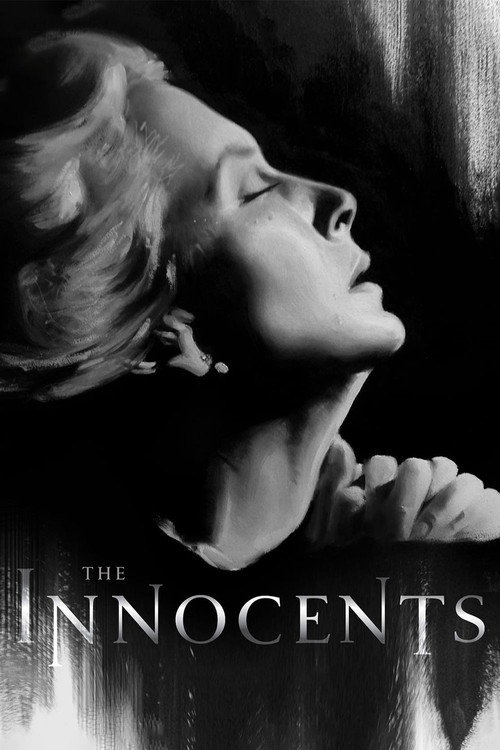
The Innocents1961
Haunting exploration of repressed desire and faith collapsing under psychological pressure. Jack Clayton's masterpiece shares Buñuel's fascination with how conviction curdles into something darker and more dangerous.
But Deliberately ambiguous about what's real and what's imagined, which frustrates viewers seeking clarity. The slow burn can feel glacial.
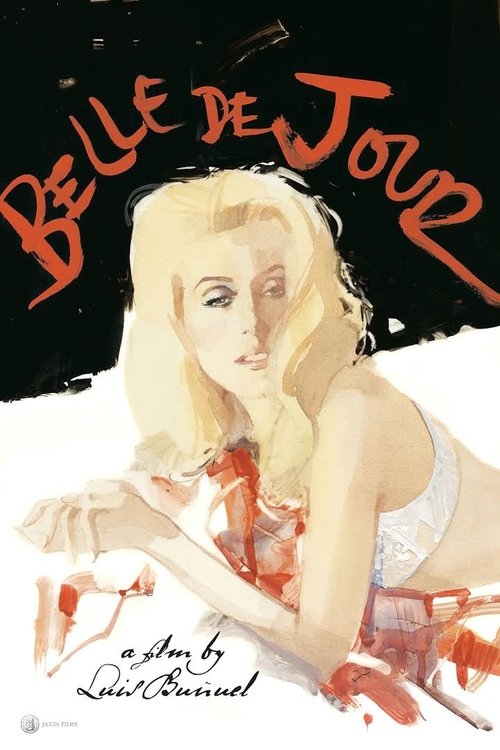
Belle de Jour1967
Buñuel exploring female desire and the gap between public propriety and private fantasy. Deneuve is mesmerizing, the film is dreamlike and erotic in ways that feel genuinely transgressive.
But The narrative is deliberately oblique and dreamlogic governs events. Some find it more style than substance.
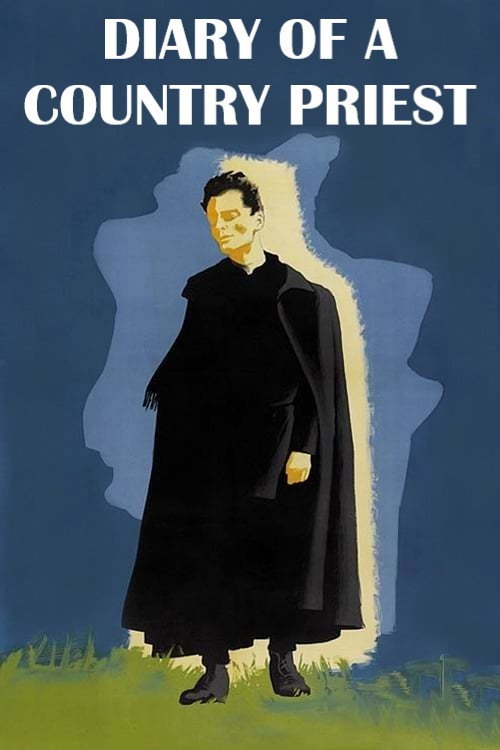
Diary of a Country Priest1951
Bresson's austere meditation on faith tested by doubt and human weakness. Like Viridiana, it's about a pure-hearted believer discovering the world is not built for their goodness.
But Extremely slow and interior. Long stretches of near-silence and introspection. Not for viewers needing narrative momentum.
Not sure tonight? Get a pick in a minute, starting from Viridiana
The wildcard
Something you would not have found on your own.
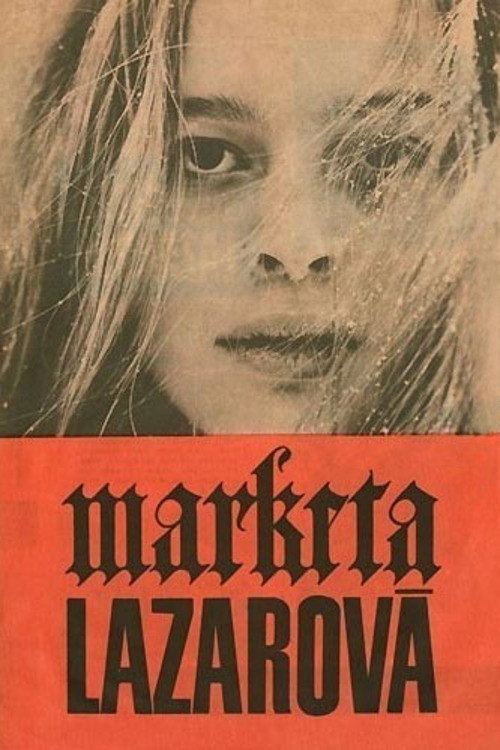
Marketa Lazarová1967
Both stage faith's destruction as aesthetic spectacle, using sensuous cinematography to make spiritual crisis feel visceral. Both films distrust charity and find cruelty embedded in social institutions.
Vlácil's baroque Czech film about faith, desire, and violence among medieval outlaws. It has Viridiana's baroque sensuality and its conviction that purity is a provocation to be destroyed—but remakes that theme as myth and ritual rather than psychological realism.
But Visually overwhelming and narratively fragmented. The dubbed dialogue and archaic setting create distance. Demands active attention; won't let you coast.
More like this (6)
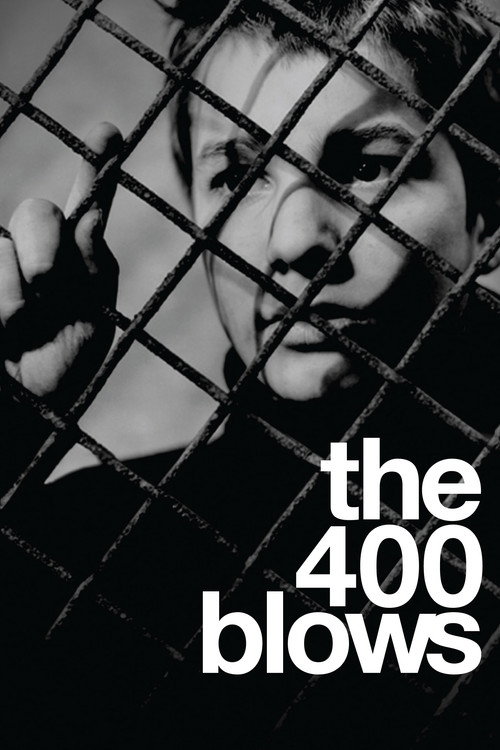
The 400 Blows1959
Truffaut's tender but clear-eyed portrait of childhood betrayed by adults. It shares Viridiana's conviction that institutions (here, school and family) crush rather than nurture the vulnerable.
But More humanistic and less savage than Viridiana. If you want Buñuel's nihilism, this is gentler medicine.
The Seventh Seal1957
Bergman wrestling with faith, mortality, and whether virtue means anything in a cruel world. The philosophical wrestling match with Death echoes Viridiana's interrogation of belief.
But Deliberately philosophical rather than naturalistic. Its symbolism can feel heavy-handed to viewers wanting ambiguity.

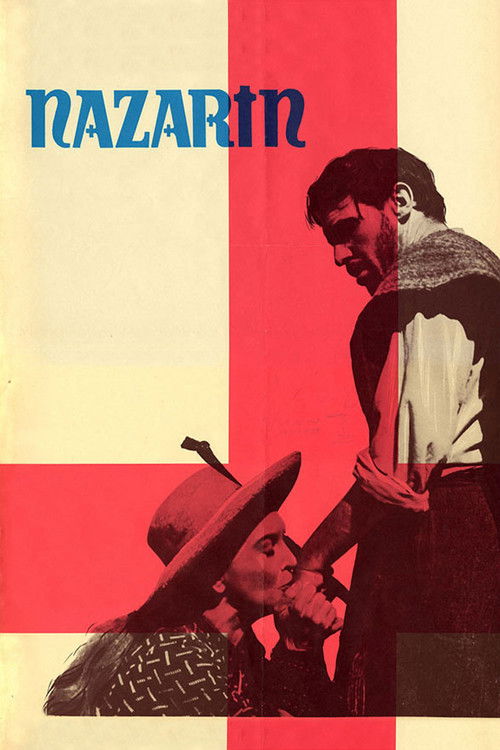
Nazarín1959
Another Buñuel film—a priest trying to live by Christ's example in modern Mexico, systematically betrayed and destroyed. Shorter and more direct than Viridiana but equally devastating.
But If you're already watching Buñuel, this is somewhat familiar territory. Less visually striking than Viridiana.
The Manchurian Candidate1962
Frankenheimer's paranoid masterpiece about manipulation and violated innocence. Like Viridiana, it's about purity weaponized against itself, though in a geopolitical rather than sexual register.
But The politics feel dated. It's more thriller than meditation, so if you want Buñuel's contemplative cruelty, this is faster and lighter.

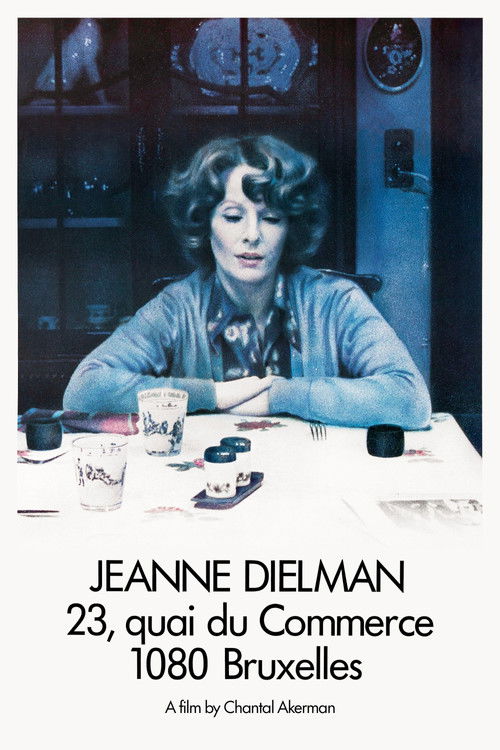
Jeanne Dielman, 23, quai du Commerce, 1080 Bruxelles1976
Both films treat the domestic sphere as a space of psychological siege. Both are about violation entering ordered lives. Viridiana explodes; Jeanne Dielman dissolves. Opposites of the same catastrophe.
Chantal Akerman's three-hour film showing a widow's daily routine fractionally disrupted by a client's absence. Like Viridiana, it's about a woman whose ordered life is invaded and destroyed—but here the invasion is minimal, the collapse interior and glacial rather than violent.
But Requires patience beyond even art-film norms. Scenes of mundane activity (cooking, cleaning) are filmed without cinematic compression. Feels like endurance art to many.
A Prophet2009
Both films show innocence destroyed by institutions claiming moral authority. Both feature a protagonist learning that purity makes you a target. But A Prophet is about systematic initiation into corruption, while Viridiana is about sudden, personal violation—very different rhythms for the same thesis.
Audiard's prison film about a young man's corruption and education in an institution supposedly built for redemption. It shares Viridiana's conviction that systems designed to reform or protect actually destroy, and that goodness is weaponized against the innocent.
But Contemporary French prison drama, not 1960s Spanish surrealism. Grittier, more plot-driven. If you want to stay in Buñuel's register, this is a tonal shift toward social realism.

People
Cast
 Silvia PinalViridiana
 Francisco RabalJorge
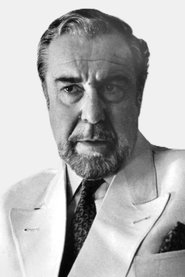 Fernando ReyDon Jaime
 José CalvoDon Amalio
 Margarita LozanoRamona
 Victoria ZinnyLucía
 Teresa RabalRita
- Luis HerediaEl Poca
 Joaquín RoaDon Zequiel
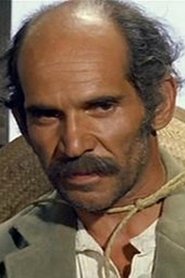 José Manuel MartínEl Cojo
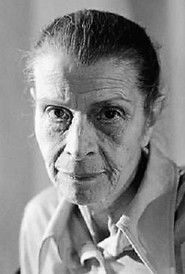 Lola GaosEnedina
- Juan García TiendraJosé 'El Leproso' (uncredited)
Directing
- José PuyolAssistant Director
- Juan Luis BuñuelAssistant Director
- Luis BuñuelDirector
Writing
- Benito Pérez GaldósNovel
- Julio AlejandroScreenplay
- Luis BuñuelScreenplay
Production
- Pere PortabellaExecutive Producer
- Ricardo Muñoz SuayExecutive Producer
- Gustavo AlatristeProducer
- Gustavo QuintanaProduction Manager
Recommended by
L'Âge d'or, The King of Kings, Nazarín, Lorna, The Milky Way