
Film
The Milky Way
Other titles called The Milky Way: the 1936 film.
- Absurdist comedy
- Strange
Buñuel's caustic spiritual odyssey follows two vagabonds trudging toward Santiago de Compostela, encountering theological absurdities, perverse strangers, and the divine in grotesque forms. It's a picaresque fever dream that treats Christianity's contradictions as cosmic comedy. For anyone who wants to see faith interrogated with surrealist malice and black humor.
If you liked this
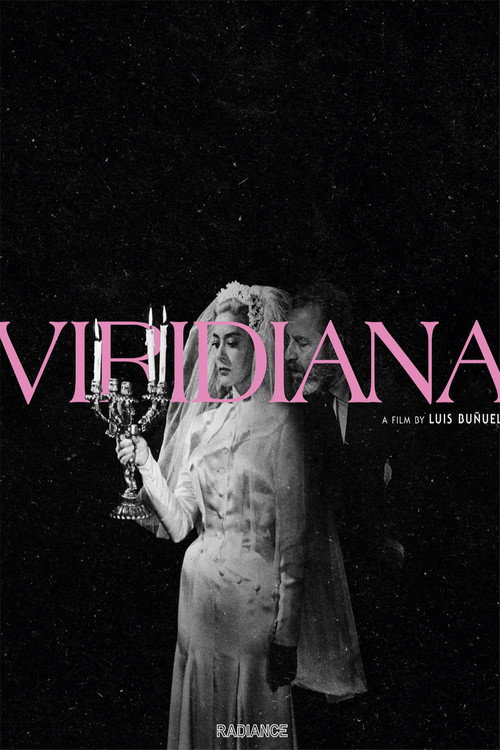
Viridiana1962
Another Buñuel masterpiece that weaponizes surrealism against Catholic pieties. Viridiana inherits an estate and tries to do good; the film systematically dismantles her virtue with baroque cruelty and perverse humor.
But The sexual violence and transgression are genuinely unsettling, not softened by the satire. It's intellectually ruthless and emotionally cold.
Under the Skin2014
Jonathan Glazel's alien-predator film shares Buñuel's taste for the uncanny and his refusal to explain itself. Long, hypnotic, grotesquely beautiful—it transforms a genre story into a philosophical experience.
But The plot is skeletal. Most viewers find it pretentious or tedious; it barely indulges conventional narrative tension or emotional catharsis.

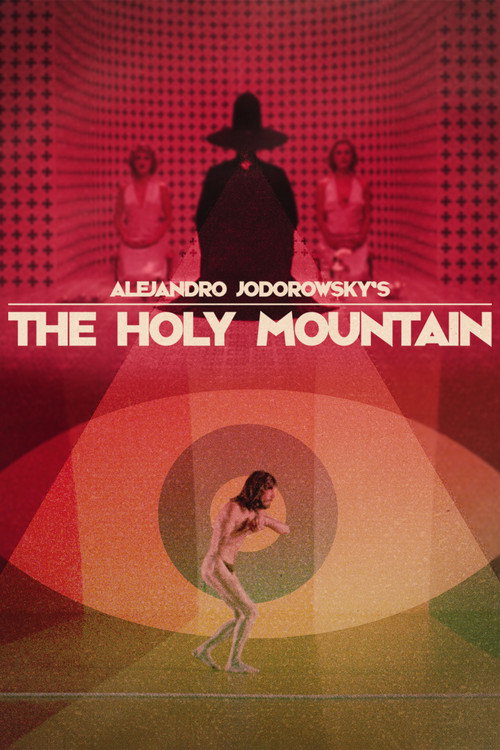
The Holy Mountain1973
Jodorowsky's surrealist odyssey rivals Buñuel in ambition and transgression. Two seekers climb a mountain toward spiritual enlightenment through a gauntlet of nightmarish, alchemical ordeals. Pure visionary excess.
But The imagery is deliberately revolting and obscene. There's no restraint, coherent philosophy, or reason to trust that meaning exists beneath the provocation.
Not sure tonight? Get a pick in a minute, starting from The Milky Way
The wildcard
Something you would not have found on your own.
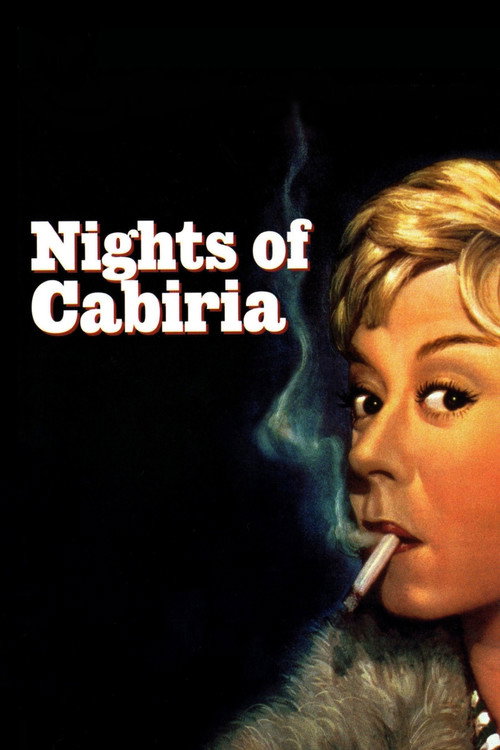
Nights of Cabiria1957
Both follow peripatetic seekers encountering grace (or its absence) through random strangers and social rituals; both films view spirituality as lived experience, not doctrine.
Fellini's prostitute-protagonist wanders Rome encountering saints, con men, and miracles with the same picaresque logic as Buñuel's pilgrims. Both films treat spiritual hunger as the human condition, not theology.
But Cabiria's suffering is genuine and heartbreaking; the cruelty of her world is played without Buñuel's satirical distance. Some find it sentimental where The Milky Way is mocking.
More like this (8)
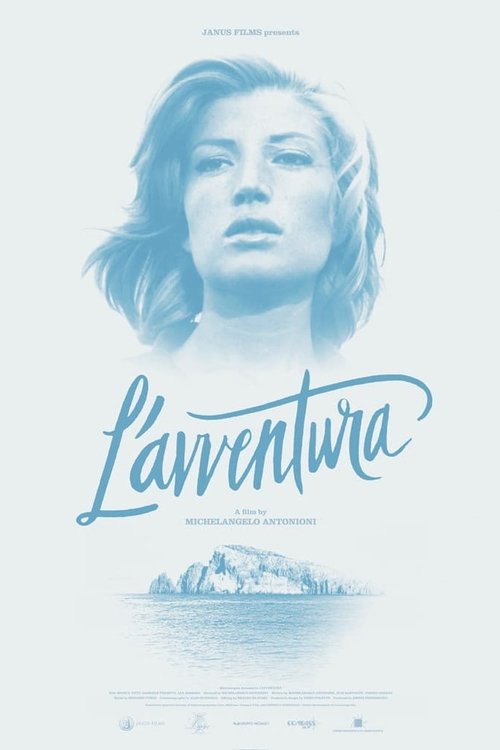
L'Avventura1960
Michelangelo Antonioni's philosophical wandering through a Mediterranean landscape mirrors Buñuel's pilgrimage structure. Both films prize existential aimlessness and social observation over plot resolution.
But Seventy minutes of island ennui before the actual story begins. The deliberate pacing will bore anyone expecting drama or suspense.
Stalker1979
Tarkovsky's spiritual journey through a mysterious zone asks metaphysical questions with patient, luminous intensity. Like The Milky Way, it's obsessed with faith, desire, and what enlightenment might cost.
But It moves at a glacial pace and trusts silence and emptiness over dialogue or event. The transcendence is earned through boredom, not despite it.

Mulholland Drive2001
Lynch's non-narrative fever dream of Hollywood uses surrealism to expose psychological rot and delusion. The logic is emotional and symbolic; coherence isn't the point, truth is.
But Interpretation becomes work, not pleasure. The dream-logic will frustrate anyone wanting a solvable mystery or linear sense-making.

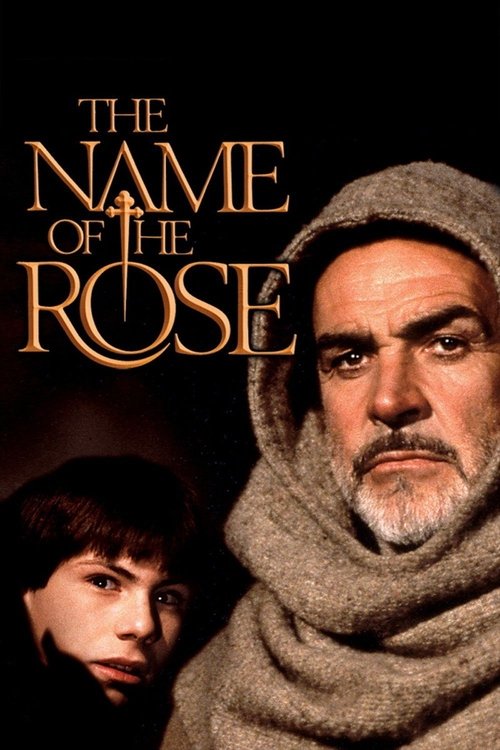
The Name of the Rose1986
Eco's medieval murder mystery is steeped in theological debate and institutional critique. Like Buñuel, it uses narrative to interrogate faith, knowledge, and the Church's corruption.
But It's a genre film, more puzzle than philosophy—safer and far less formally adventurous than The Milky Way. Some find the exposition heavy-handed.
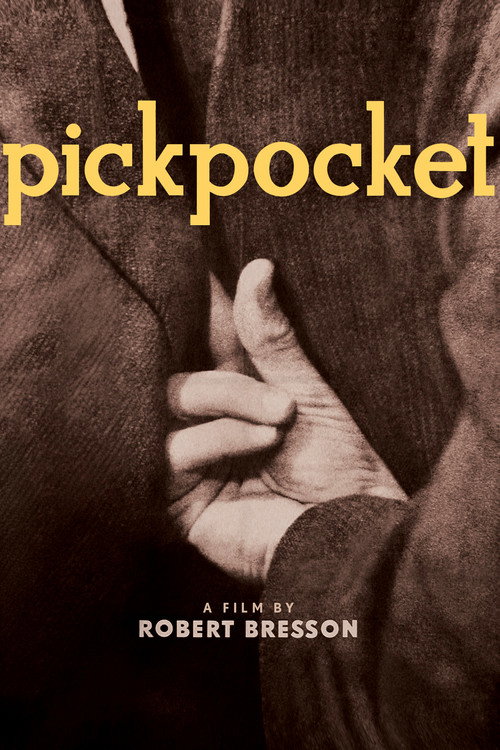
Pickpocket1959
Bresson's ascetic film about crime and spiritual grace strips cinema to essentials. A petty thief's journey toward redemption parallels the pilgrims' spiritual searching, but through theft and prison.
But The acting is deliberately non-professional and emotionally flat. The austerity alienates viewers expecting psychological depth or dramatic crescendos.
PlayTime1967
Tati's labyrinthine comedy constructs a world of bureaucratic absurdity and human kindness. It shares Buñuel's interest in social satire and the grotesque beauty of ordinary folly.
But It's a comedy with minimal plot, most humor in the background, and no dramatic payoff. Patience and repeated viewing are prerequisites, not optional.

Amarcord1973
Both films abandon linear narrative for picaresque structure; both use sex, violence, and the grotesque to critique institutional power (Church and State). Memory and digression are the form.
Fellini's episodic memory-film of Fascist Italy constructs meaning through surreal images and comic carnivalesque rather than plot. Like The Milky Way, it's structured as a pilgrimage through social absurdity and collective delusion.
But The narrative is deliberately fragmented and non-chronological. It prioritizes visual and emotional impression over coherence, which many find undisciplined rather than liberating.
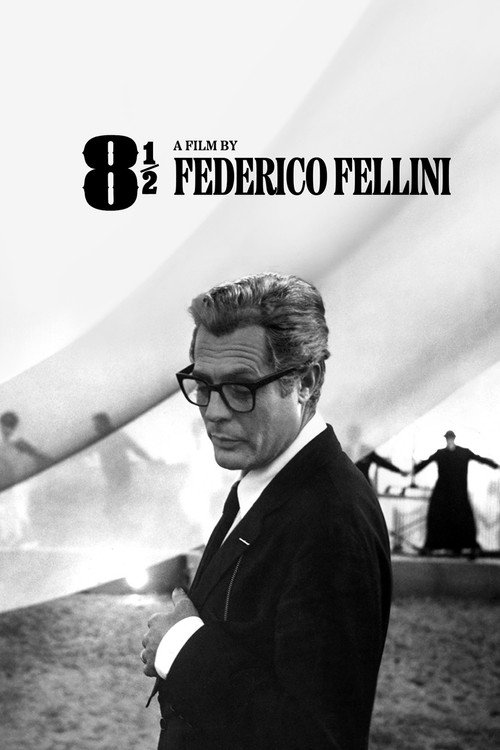
8½1963
Both depict the search for meaning through encounters with archetypal figures (the Madonna, the charlatan, the sage). Both use comedy and grotesquerie to ask whether enlightenment is possible or just a beautiful delusion.
Fellini's director-protagonist spirals through creative confusion, spiritual hunger, and phantasmagoric encounters. Like The Milky Way, it's a journey through psychological and spiritual labyrinths where strangers embody competing philosophies.
But It's formally demanding—a film about artistic paralysis that recreates that paralysis through repetition and digression. The self-reflexivity exhausts some viewers.
People
Cast
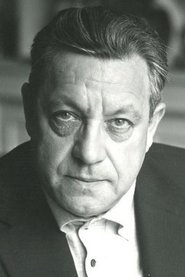 Paul FrankeurPierre
 Laurent TerzieffJean
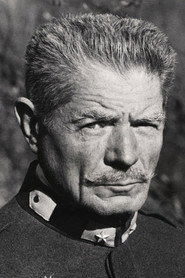 Alain CunyMan with cape
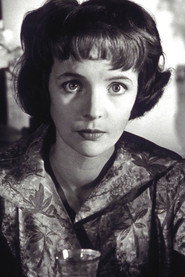 Édith ScobVirgin Mary
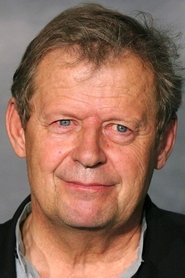 Bernard VerleyJesus
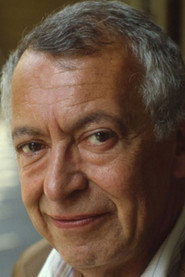 François MaistreFrench Priest
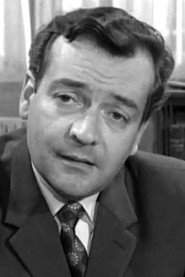 Claude CervalBrigadier
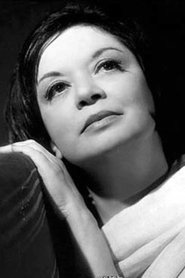 MuniMother Superior
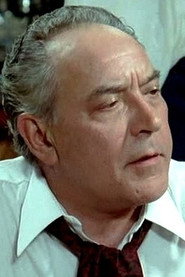 Julien BertheauRichard
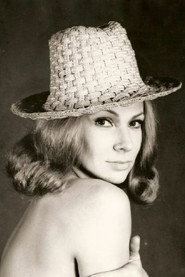 Ellen BahlMadame Garnier
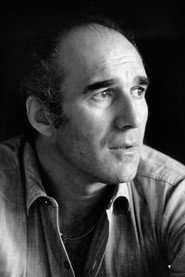 Michel PiccoliMarquis de Sade
 Agnès CapriDirector of Lamartine Institution
Directing
- Michel BreuilAssistant Director
- Luis BuñuelDirector
- Pierre LaryFirst Assistant Director
Writing
- Jean-Claude CarrièreWriter
- Luis BuñuelWriter
Production
- Anna MuziiProducer
- Serge SilbermanProducer