
Film
The Milky Way
Other titles called The Milky Way: the 1969 film.
- Comedy
- Light-hearted
A 1936 Harold Lloyd comedy about an ordinary milkman thrust into the boxing world by accident. It's a breezy, good-natured farce built on mistaken identity and spectacle, with Lloyd's gift for physical comedy delivering consistent laughs. For fans of early sound comedies who appreciate a protagonist just trying to get through the day.
Should you watch it?
Watch it if you love a meek little guy blundering through a rigged, absurd world with a straight face, where the comedy comes from timing and physical nerve rather than jokes you can quote back.
Skip it if you need your comedies fast and dense with punchlines, since this one lingers on its setups and runs a leisurely 89 minutes for a plot this thin.
What it asks of you: Settle in for a gentle, old-fashioned pace, with long scenes that let the gags unfold and a light, sunny tone that never asks you to brace for anything darker.
Not sure? Find tonight's pick in a minute.
If you liked this
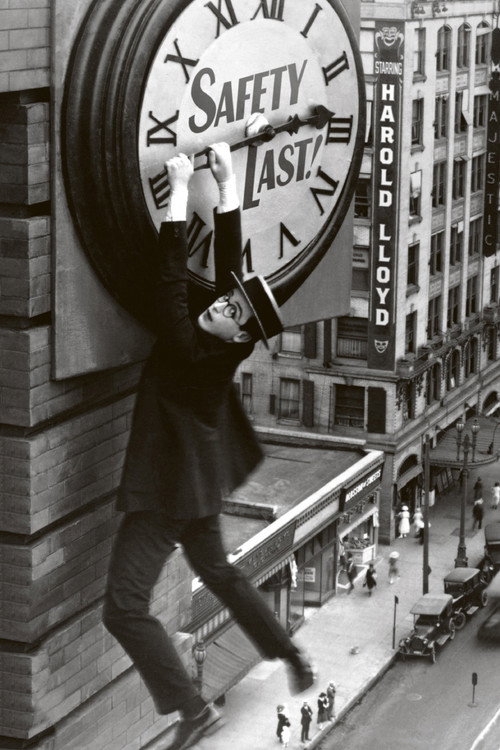
Safety Last!1923
Lloyd's masterpiece of escalating comedy. A store clerk scales a skyscraper to impress his girlfriend, culminating in the most famous stunt in silent cinema. Pure joy and genuine danger.
But It's silent, and the pacing can feel glacial if you're used to modern editing. Some gags don't land if you're not attuned to Lloyd's minimalist style.
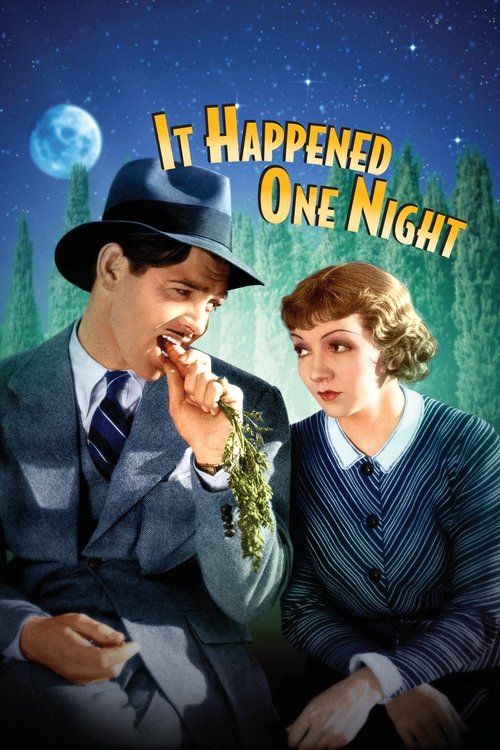
It Happened One Night1934
Screwball romantic comedy that defined the genre. A spoiled heiress and a cynical reporter trade barbs across Depression-era America. Effervescent, smart, and genuinely romantic beneath the banter.
But The pacing expects patience; it's not trying to shock you every five seconds. Some Depression-era attitudes will feel dated or uncomfortable.
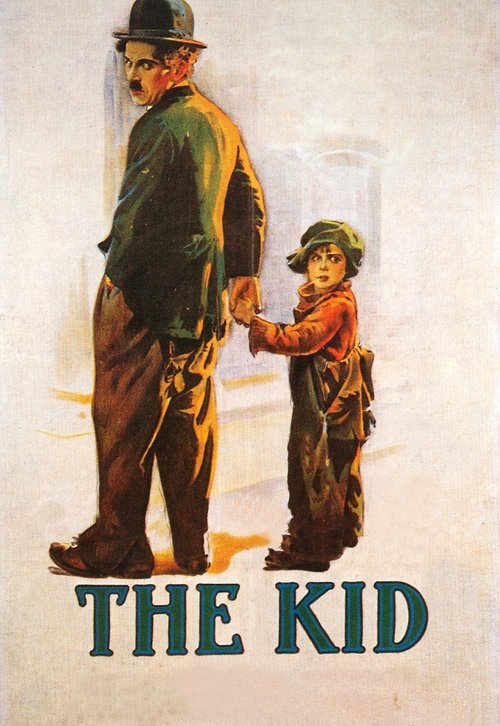
The Kid1921
Chaplin's Tramp raises an orphan boy in a tenement. It's sentimental without being cloying, funny without losing heart. One of cinema's most perfect distillations of what comedy can do.
But Silent comedy sometimes feels remote to modern viewers. The sentimentality, though earned, might feel slow-paced in today's rush.
Not sure tonight? Get a pick in a minute, starting from The Milky Way
The wildcard
Something you would not have found on your own.
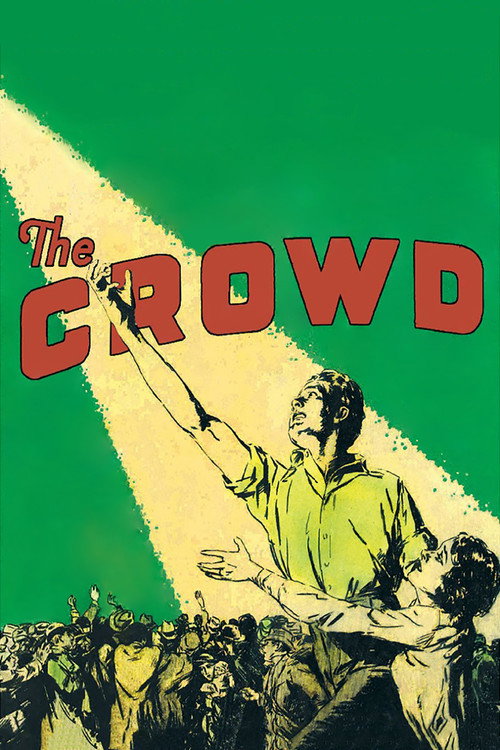
The Crowd1928
Both follow an everyman thrust into a world beyond his station—but Vidor shows what Lloyd's comedy refuses to acknowledge: that luck and charm don't always protect you. Same structure, opposite register.
King Vidor's silent masterpiece about an ordinary man consumed by ordinary ambition in a modern city. It's the anti-Milky Way—using almost the exact same setup but draining it of comedy to find tragedy. Stunning visual storytelling about how the system grinds people down.
But It's bleak and doesn't offer catharsis or resolution. Silent film with no comfort; watching it requires accepting that sometimes stories don't wrap up neatly. It's emotionally demanding in a way comedies aren't.
More like this (8)
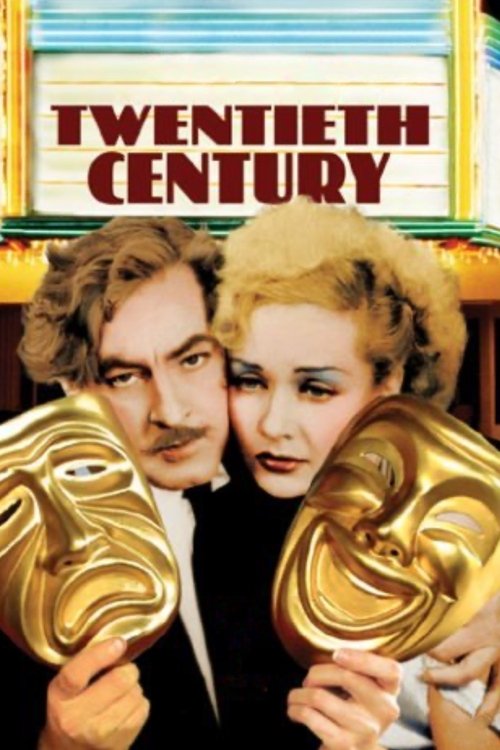
Twentieth Century1934
Howard Hawks directing John Barrymore and Carole Lombard as theatrical rivals who reignite their romance on a cross-country train. Dialogue-driven, witty, and wonderfully controlled chaos.
But Theater-world satire dated to 1934; you need to care about the world it's mocking. The speed of the quips requires attention.
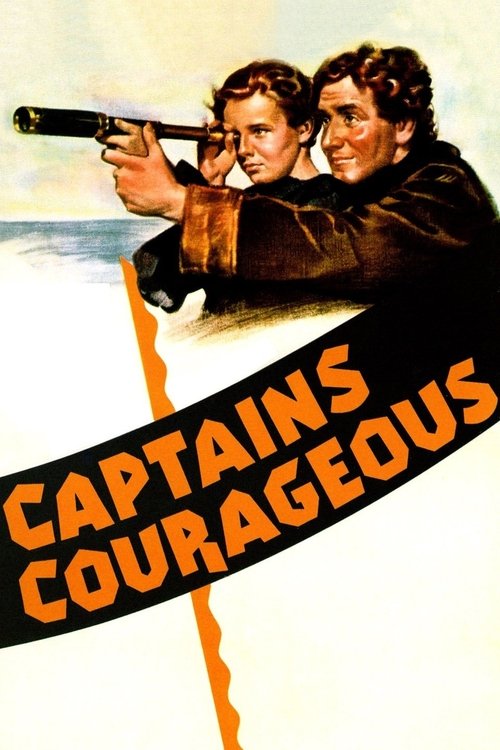
Captains Courageous1937
Spencer Tracy as a gruff fisherman who takes a spoiled rich boy under his wing. It's sentimental but earned, with Tracy's understated warmth carrying scenes that could easily tip into saccharine.
But The uplift is thick enough to feel calculated. Tracy's accent and some of the period dialogue haven't aged as smoothly as the film's heart.
Singin' in the Rain1952
A musical about early sound-era Hollywood. Gene Kelly, Donald O'Connor, and Debbie Reynolds deliver joy in pure physical form. It's endlessly rewatchable, technically masterful, and genuinely delightful.
But If musicals aren't your language, the longest sequences might test your patience. The backstage Hollywood setting is very internal to the film industry.

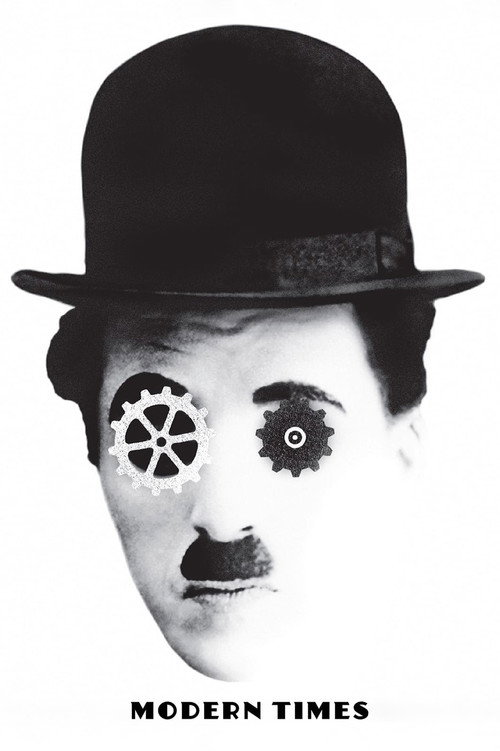
Modern Times1936
Chaplin's final silent film, released the same year as The Milky Way. A factory worker rebels against mechanization. It's slapstick with teeth—funny and genuinely angry about working conditions.
But The social commentary can overshadow the comedy if you're expecting pure laughs. Some slapstick bits are repetitive compared to his earlier work.
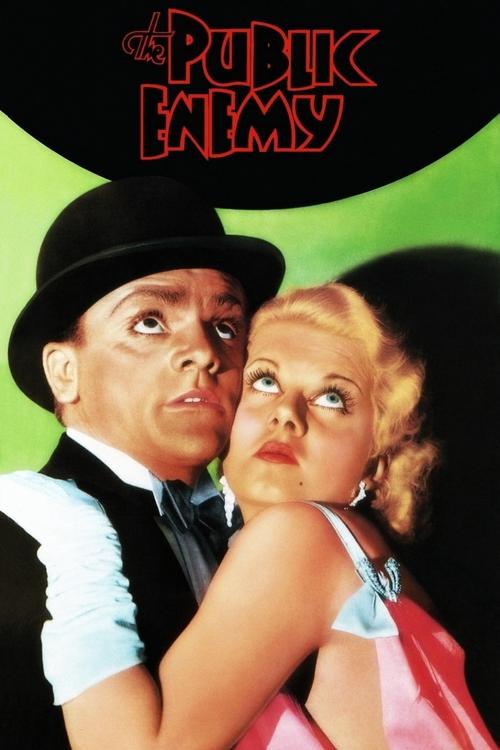
The Public Enemy1931
James Cagney as a charming, brutal gangster rising through Prohibition ranks. It's electric—Cagney's energy is magnetic even when he's playing a monster. Brutal and darkly funny.
But The violence is surprisingly graphic for 1931 and might feel didactic. It's a gangster film first and a comedy second; tonal whiplash possible.
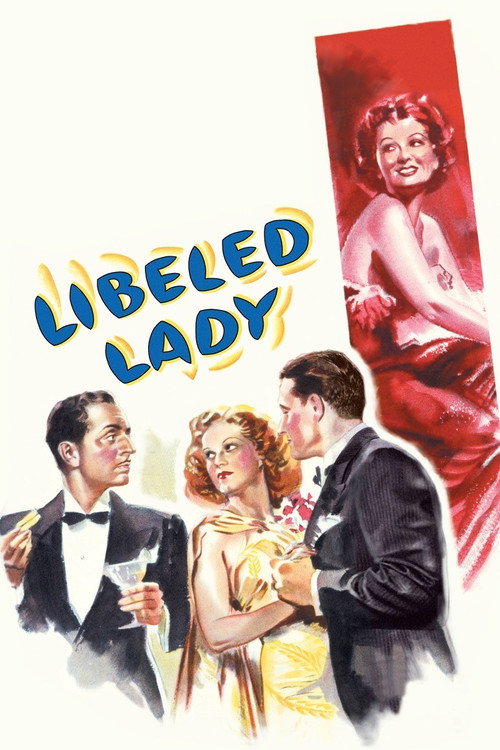
Libeled Lady1936
Myrna Loy, William Powell, Spencer Tracy, and Jean Harlow in a screwball newspaper farce. Four major talents in perfect ensemble rhythm. Plot doesn't matter; watching them play is the whole point.
But The plot is deliberately nonsensical and doesn't resolve satisfyingly. If you need a story with stakes, the rom-com mechanics will feel hollow.
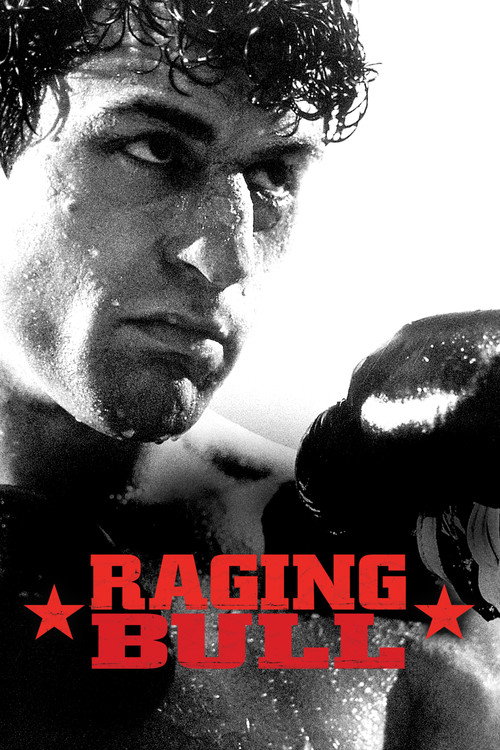
Raging Bull1980
Same world as The Milky Way—boxing as spectacle and machinery—but seen through the eyes of ambition corrupted. Lloyd's milkman accidentally tumbles into the ring; Scorsese's LaMotta is consumed by it. One is comedy, one is damnation.
Scorsese's black-and-white boxing film about Jake LaMotta's paranoia and violence. It's brutal, claustrophobic, and hypnotic. The boxing sequences are filmed like nothing else—visceral, chaotic, exact. Paul Scorsese and De Niro at their peak.
But It's a long, punishing portrait of an abusive man. There's no warmth or redemption. Boxing violence is graphic and repetitive; the film wants you to feel battered.
Pather Panchali1955
Both are about ordinary people bumbling through systems larger than themselves. Ray finds grace in that struggle; Lloyd finds laughs. Same fundamental kindness toward human smallness, but Ray believes the struggle is real.
Satyajit Ray's Bengali masterpiece about a struggling family in rural India. It's patient, observant, and heartbreaking. A boy, a girl, and poverty rendered with such tenderness that you forget you're watching one of cinema's perfect films.
But It's slow by design; nothing happens in the plot sense. No music score, subtitles, black and white, and deeply specific to a culture. It rewards patience with devastation, not comfort.

People
Cast
 Harold LloydBurleigh Sullivan
 Adolphe MenjouGabby Sloan
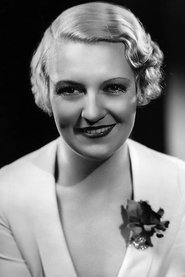 Verree TeasdaleAnn Westley
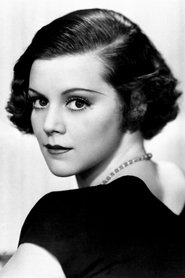 Helen MackMae Sullivan
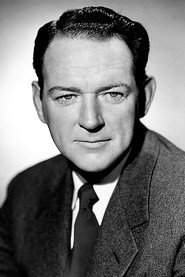 William GarganSpeed McFarland
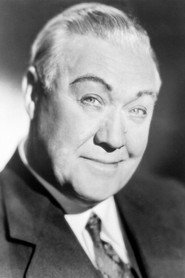 George BarbierWilbur Austin
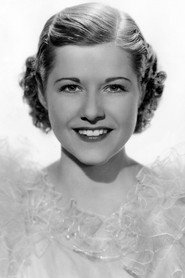 Dorothy WilsonPolly Pringle
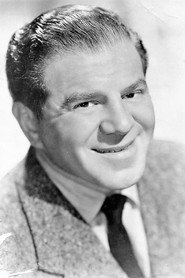 Lionel StanderSpider Schultz
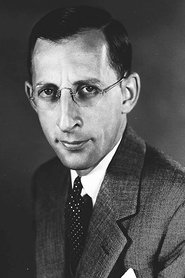 Charles LaneWillard
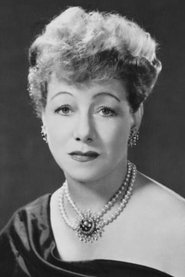 Marjorie GatesonMrs. E. Winthrop LeMoyne
Directing
- Leo McCareyDirector
Writing
- Frank ButlerScreenplay
- Grover JonesScreenplay
- Richard ConnellScreenplay
Production
- E. Lloyd SheldonProducer