
Film
If He Hollers, Let Him Go!
A 1968 crime thriller about a falsely imprisoned Black man caught between a dangerous marriage plot and his own search for redemption. Taut, unpredictable, and genuinely interested in its hero's interior life rather than exploiting him. For anyone drawn to lean, morally complicated thrillers with something real at stake beneath the plot mechanics.
If you liked this
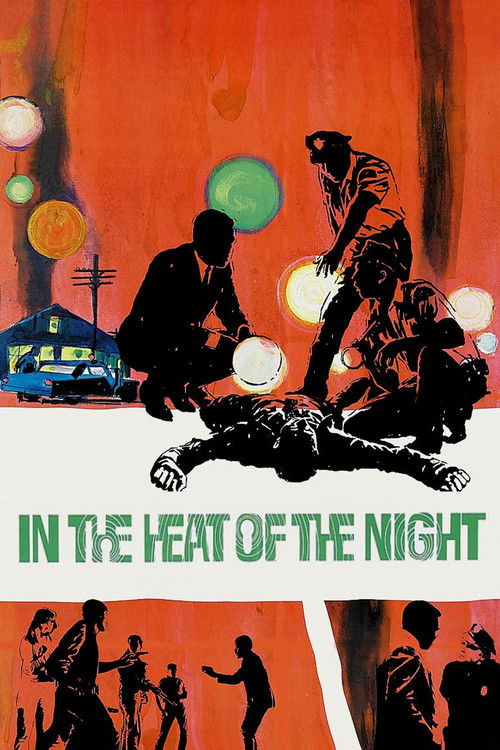
In the Heat of the Night1967
The obvious companion—a detective uncovering a murder in the Jim Crow South, with Sidney Poitier commanding every frame. Sharp dialogue, genuine tension, and a film that earned its acclaim and hasn't aged.
But It can feel more like a problem-solving procedural than a character study, and some find its racial politics a touch didactic by modern standards.
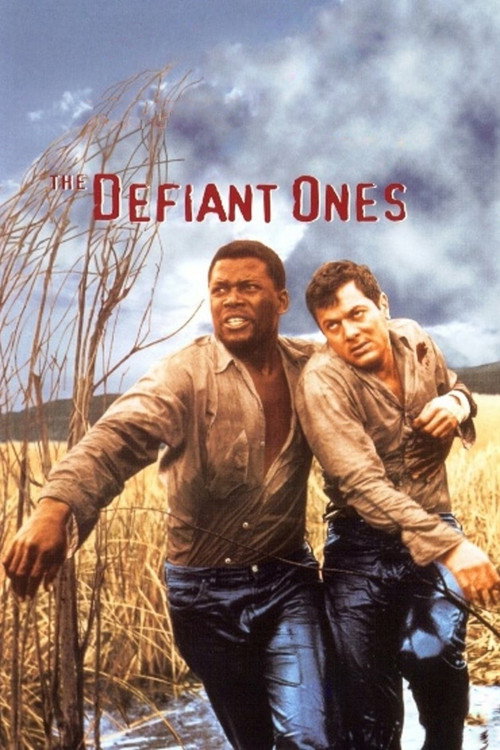
The Defiant Ones1958
Two escaped convicts, one Black and one white, chained together through the South. Sidney Poitier again, but this time paired with Tony Curtis in a relationship that deepens into something neither expected. Funny and humane.
But The premise risks feeling gimmicky, and the film leans on sentiment in its final reels that doesn't always land.
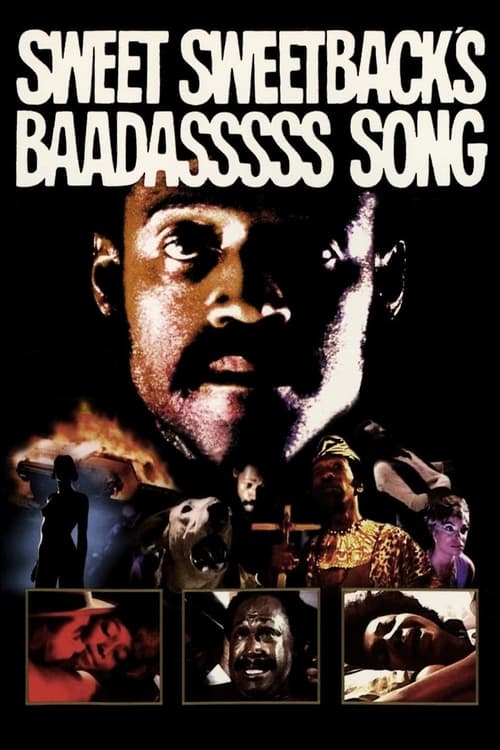
Sweet Sweetback's Baadasssss Song1971
Melvin Van Peebles' radical fever dream: a Black man hunted by police across LA, shot in a feverish style that rewires the action film from the inside out. Raw, furious, visually daring, and defiantly Black.
But The narrative is deliberately fragmented and the tone bewildering; some find it more important than enjoyable, and the audio mix has never been kind to home viewing.
Not sure tonight? Get a pick in a minute, starting from If He Hollers, Let Him Go!
The wildcard
Something you would not have found on your own.
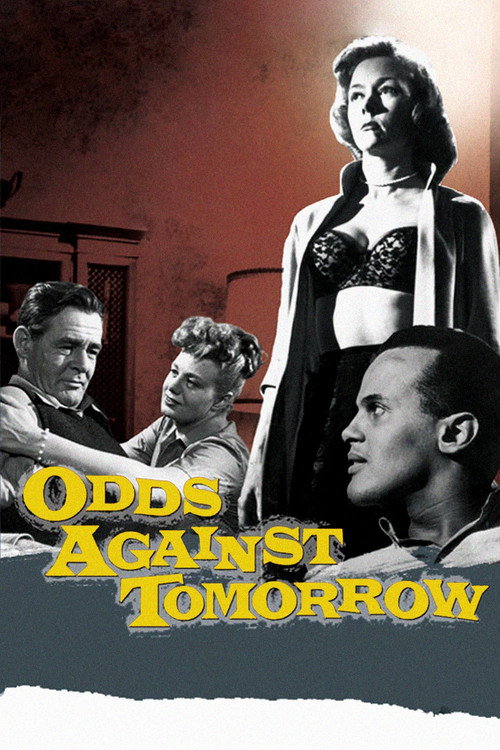
Odds Against Tomorrow1959
Both films refuse to let their genre plots overshadow the actual content of their characters' lives. The crime is the frame; the man inside it is the story.
A heist film that begins as crime-thriller machinery and becomes a scathing essay on race and greed, shot in crisp black and white. Three men plan a robbery; what destroys them isn't the law.
But The ending is bleak and abstract in ways that confound audience expectation; it refuses catharsis or moral clarity.
More like this (8)
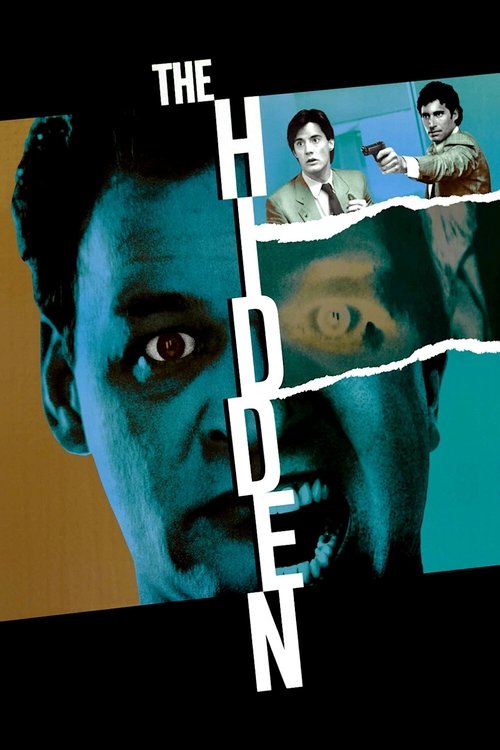
The Hidden1987
A stranger arrives and offers a man money to commit murder—same setup, utterly different execution. Cat-and-mouse game with genuine nastiness, a body-swapping alien, and the pleasure of not seeing what's coming.
But It's B-movie schlock dressed up in 80s gloss; if you need your thrillers serious, this will feel beneath you.
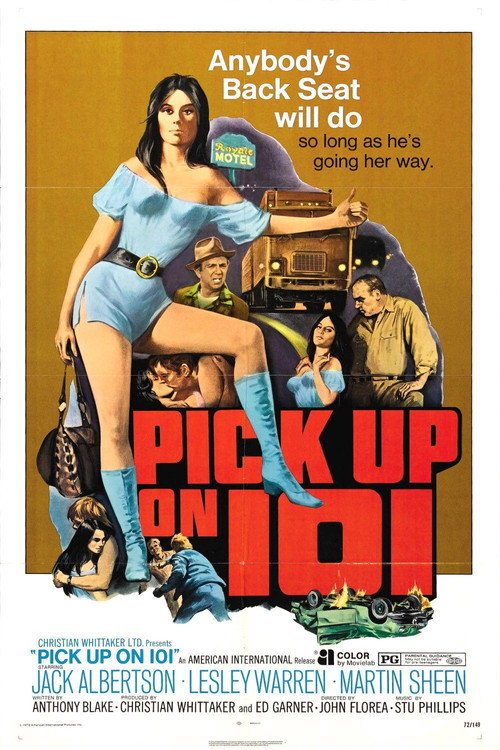
Pickup on 1011972
Jack Palance and Verna Bloom on the run from the law, picking up hitchhikers, the paranoia mounting with each stop. Low-budget but genuinely unsettling, and it understands desperation.
But The budget shows in every frame; it's deliberately grimy and unglamorous, which is the point and also why many find it difficult to sit with.
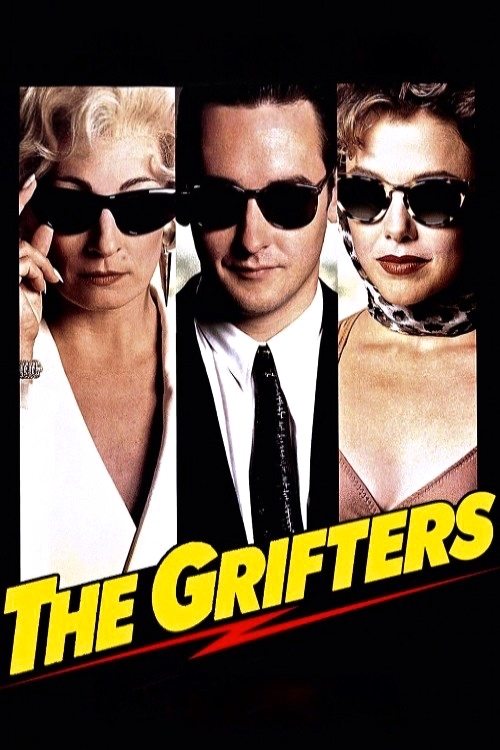
The Grifters1990
Con artists, betrayal, money changing hands under false pretenses. John Cusack, Angelica Huston, Annette Bening: three people who cannot trust each other and the film that exploits that perfectly.
But It's cynical to the bone and features a deeply unpleasant ending; if you need your thrillers to feel like justice was served, stay away.
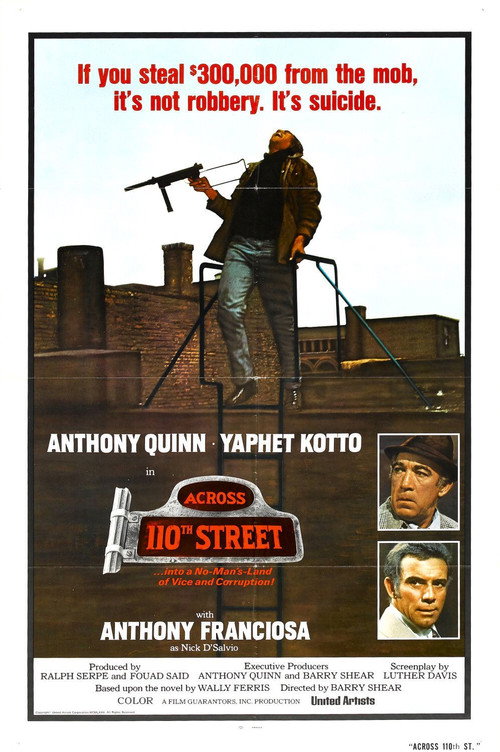
Across 110th Street1972
A Harlem robbery, two detectives (one Black, one white) trying to solve it before the mob does. Brutal, funny, chaotic, and genuinely about something—race, class, the machinery of survival.
But The tone whipsaws between crime caper and documentary dread; some find the shifts jarring rather than clever.
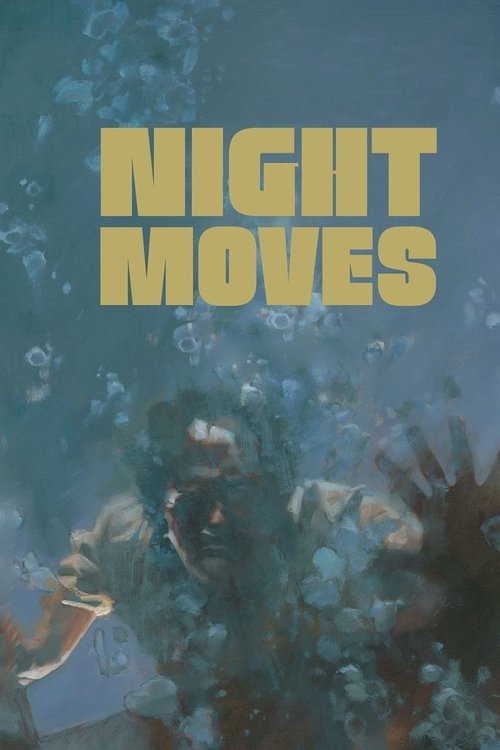
Night Moves1975
Gene Hackman as a detective chasing a missing girl into the Florida underworld. Slow-burning, morally murky, and more interested in watching a man spiral than in solving anything neatly.
But Nothing happens fast and no one is likable; the ending frustrates people who want their mysteries solved rather than their faith in the world dissolved.
The Ballad of Little Jo1993
Suzy Amis as a woman passing as a man in the Old West to survive. Beautifully shot, quietly radical, and less interested in melodrama than in the exhaustion of performance.
But It's meditative to the point of stillness; if you prefer plot to atmosphere, this will feel like watching paint dry on the frontier.

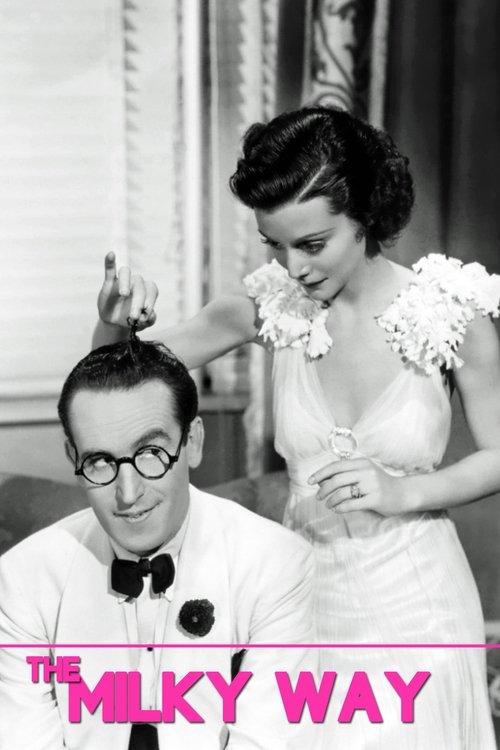
The Milky Way1936
Both center on a man navigating systems rigged against him, using his body and his wits to survive, with moments of unexpected grace cutting through the machinery.
A boxing comedy—seemingly lightweight—that's actually a meditation on masculinity, class, and what the world demands of a man to stay alive. Funny without being frivolous, and surprisingly moving.
But It's a 1936 film in black and white about an unglamorous boxer; the premise sounds quaint and the pacing is pre-modern. Patience required.
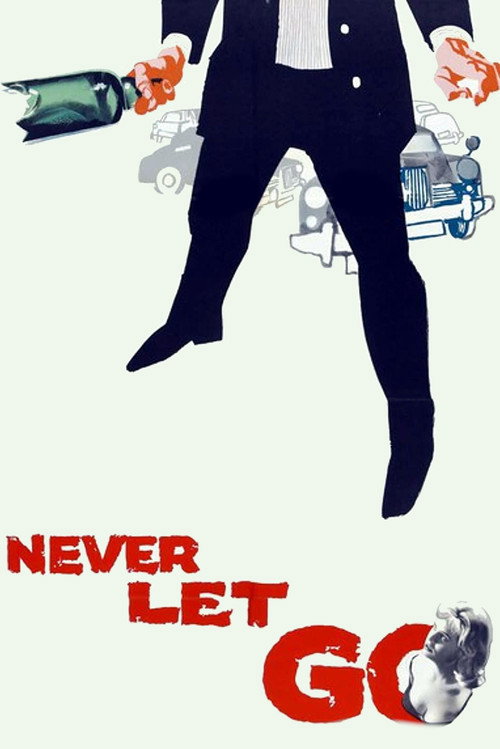
Never Let Go1960
A man accused and hunted, searching for proof of his own innocence while his pursuer becomes increasingly unstable. Both understand that being in the right doesn't keep you alive.
A car thief hunted by the man he stole from. Tense, intimate, and structured almost like a two-character play trapped in a noir frame. Peter Sellers in the only role of his life without comedy.
But It's confined, claustrophobic, shot in murky black and white, and resolves into darkness rather than resolution. Many find it suffocating.
People
Cast
 Dana WynterEllen Whitlock
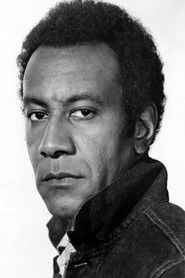 Raymond St. JacquesJames Lake
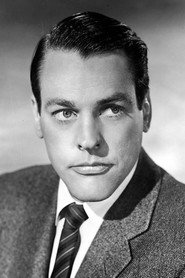 Kevin McCarthyLeslie Whitlock
 Barbara McNairLily
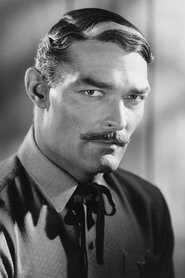 John RussellSheriff
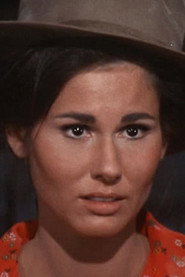 Ann PrentissThelma Wilson
 Royal DanoCarl Blair
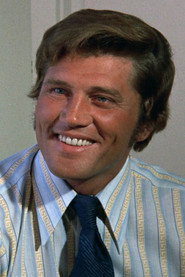 Steve SandorHarry
 Susan Seaforth HayesSally Blair
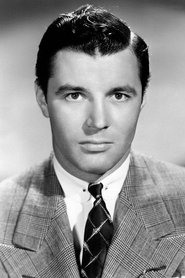 James CraigPolice Chief Jim
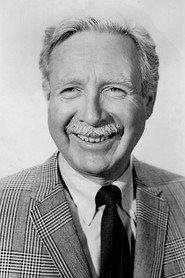 Arthur O'ConnellProsecutor
- Don NewsomeWilliam Lake
Directing
- Victor VallejoAssistant Director
- Charles MartinDirector
- George RutterScript Supervisor
- Michael P. SchoenbrunSecond Assistant Director
Writing
- Charles MartinLyricist
- Coleridge-Taylor PerkinsonLyricist
- Chester HimesNovel
- Charles MartinWriter
Production
- Harry KayeAssociate Producer
- John W. RogersAssociate Producer
- Marvin PaigeCasting
- Charles MartinProducer
- Fay L. McMullenProducer's Assistant