
Film
Sweet Sweetback's Baadasssss Song
Melvin Van Peebles's 1971 radical act: a Black pimp evades police through the ghetto with community aid, shot visceral and uncompromising. It's blaxploitation before the term existed, raw street cinema made outside studio gates. For those hungry for cinema that changes the rules, not just plays by them.
Should you watch it?
Watch it if you want a scrappy, sweaty outlaw movie that treats its politics as street-level rhythm, with a jittery editing style and a funk score that feels improvised rather than polished.
Skip it if you need tidy plotting and performances polished to a shine, since the rough-edged craft and the frank sex and violence can feel punishing over ninety-eight minutes.
What it asks of you: Expect a lean, jolting ride of chases, confrontations and sudden stillness, with the camera restless and little done to ease you in.
Not sure? Find tonight's pick in a minute.
If you liked this
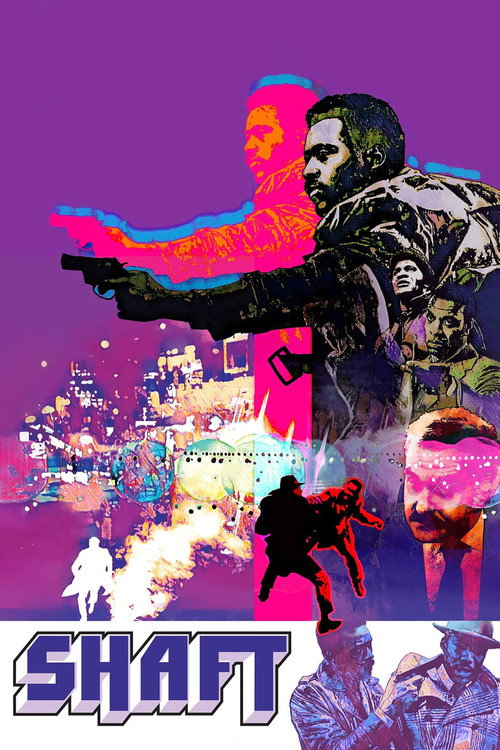
Shaft1971
Released the same year, this is the sleeker, more Hollywood version of the Black action hero—still dangerous, but dressed in tailored suits and operating within detective noir conventions. Shaft's success proved the audience existed.
But It's cooler and more polished than Sweetback, which means it feels less urgent. Some of the period dialogue hasn't aged as gracefully as the concept.
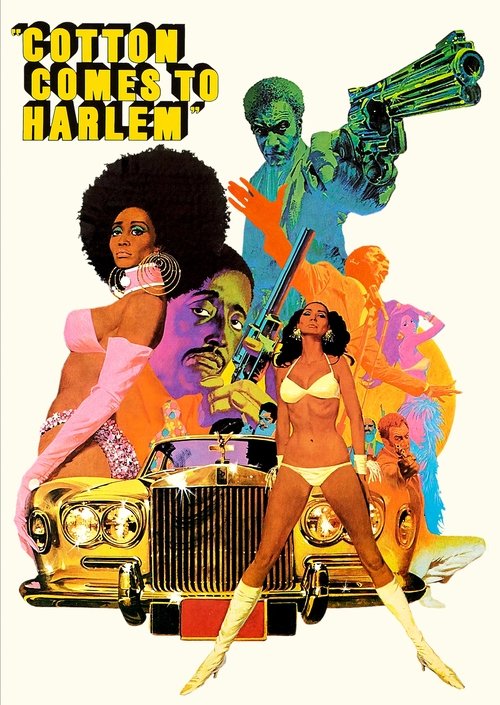
Cotton Comes to Harlem1970
Ossie Davis directs this caper about two Black detectives navigating Harlem's underworld with wit and style. It shares Sweetback's insider perspective on Black urban life but trades rage for charm and humor.
But It's gentler and more comedic, which undercuts the political edge. If you want fury, this will feel like a step backward.
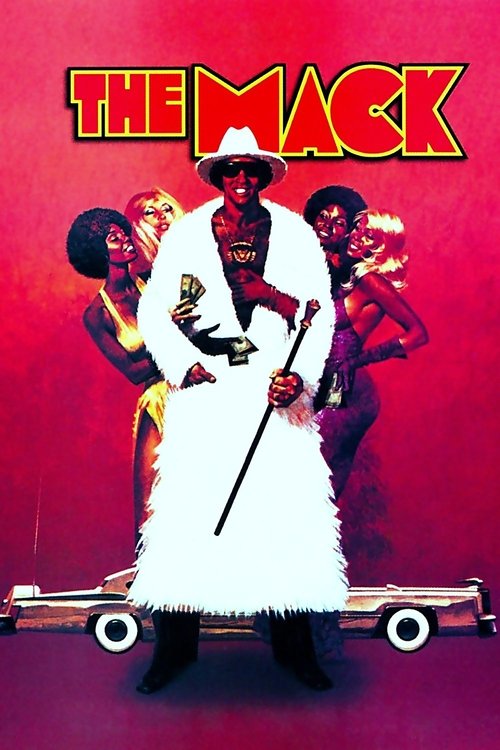
The Mack1973
Max Julien as a pimp navigating the street economy with ambition and style. This is blaxploitation at full throttle—operatic, unapologetic, deeply invested in its protagonist's worldview without moral hand-wringing.
But It's trashy in a way some find exploitative rather than liberating. The film asks you to buy into a morality you might not share.
Not sure tonight? Get a pick in a minute, starting from Sweet Sweetback's Baadasssss Song
The wildcard
Something you would not have found on your own.
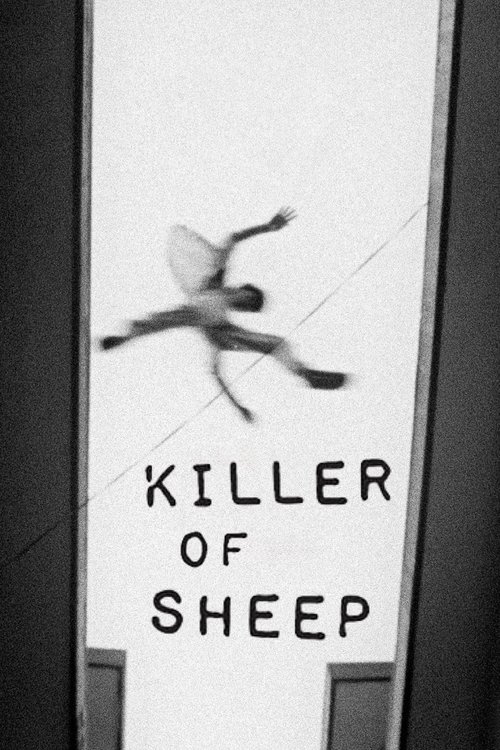
Killer of Sheep1978
Both center Black male protagonists trying to survive a system designed to destroy them, but Sweetback runs while this film stands still—opposite formal strategies toward the same subject.
Charles Burnett's black-and-white Los Angeles portrait of a slaughterhouse worker navigating poverty with dignity and grace. It has Sweetback's unflinching gaze at Black working life but trades action for observation. Lyrical, politically intelligent, heartbreaking.
But Nothing happens in the plot sense. It requires patience with stillness and ambiguity. Many will find it slow and depressing rather than revelatory.
More like this (7)
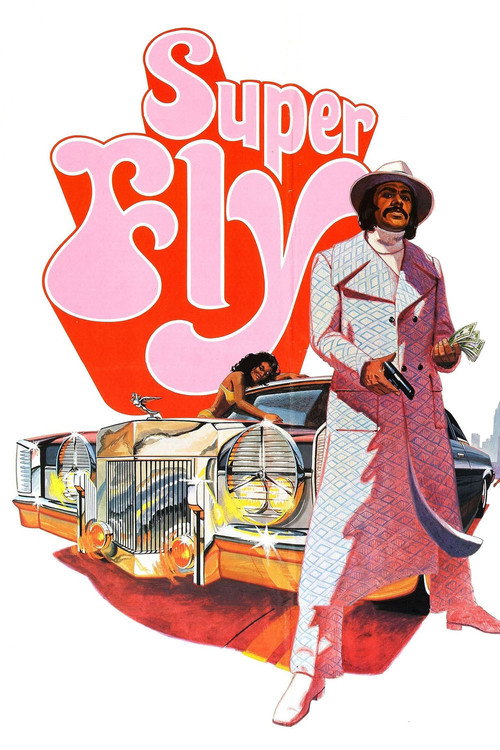
Super Fly1972
Ron O'Neal as a cocaine dealer trying to escape the game. Curtis Mayfield's score is iconic. It captures the same world as Sweetback but with a different protagonist caught in cycles of economic desperation.
But The plot is more straightforward crime drama than revolutionary statement. Some criticize it for glamorizing the drug trade without sufficient critique.
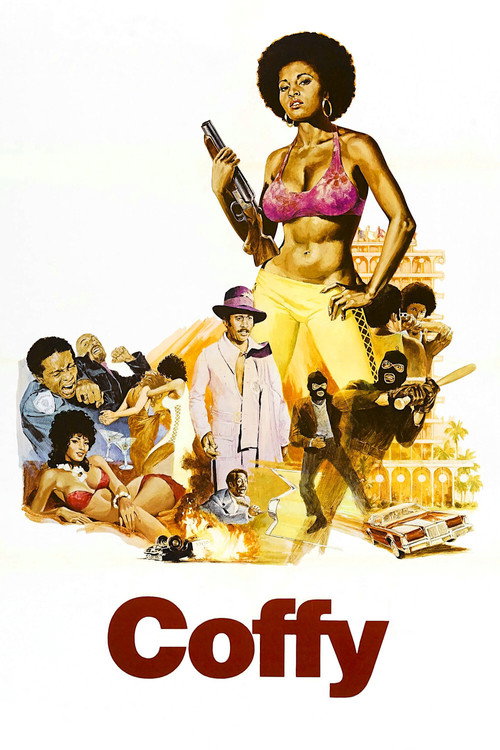
Coffy1973
Pam Grier as a nurse exacting vigilante justice for her sister's death. It's angry, stylish, and female-centered in a genre dominated by men. The action is genuinely inventive and the rage is focused.
But The plot is revenge exploitation, which some find morally shallow. The film doesn't pretend to be more than it is, which works or doesn't depending on your tolerance.
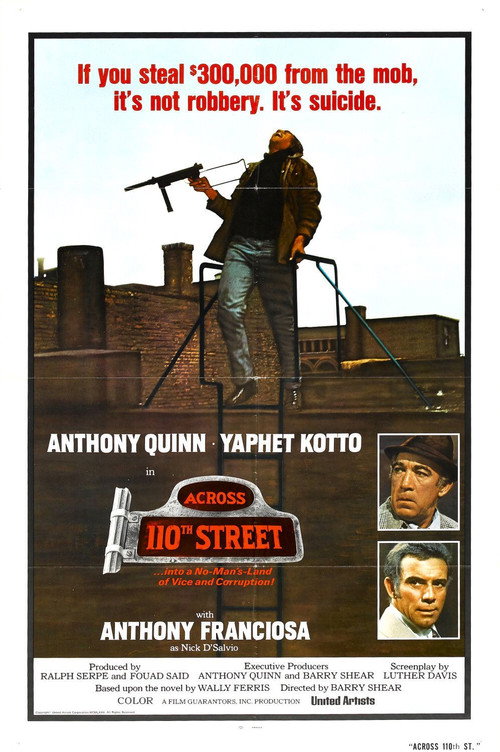
Across 110th Street1972
A grimy heist-and-aftermath film with Anthony Quinn and Yaphet Kotto navigating Harlem's racial fault lines. It's sociologically sharp, violent without glamour, and interested in systemic corruption as much as individual crime.
But It's slower and more procedural than visceral action. The mood is bleak rather than empowering, which can feel like a lecture.
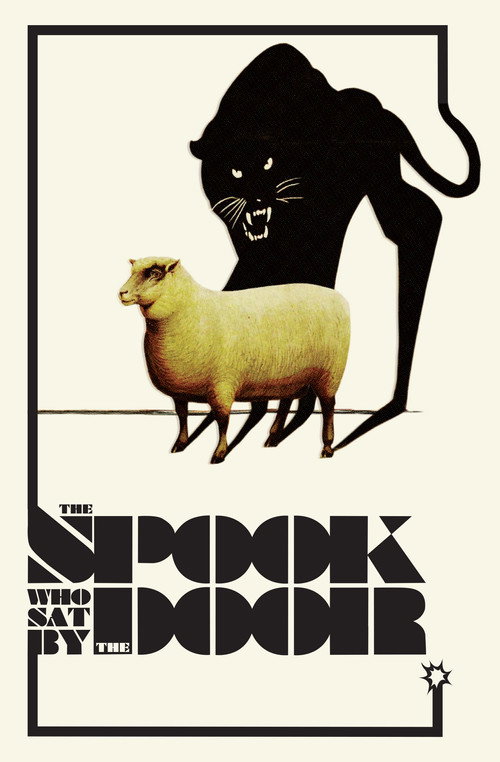
The Spook Who Sat by the Door1973
Ivan Dixon as a CIA operative who becomes a revolutionary leader. It's genuinely political science fiction, imagining armed resistance with tactical specificity. The idea is more radical than anything in Sweetback.
But It's cheaply made and the acting is uneven. Some scenes feel like a play rather than a film, and the pacing drags in the middle.
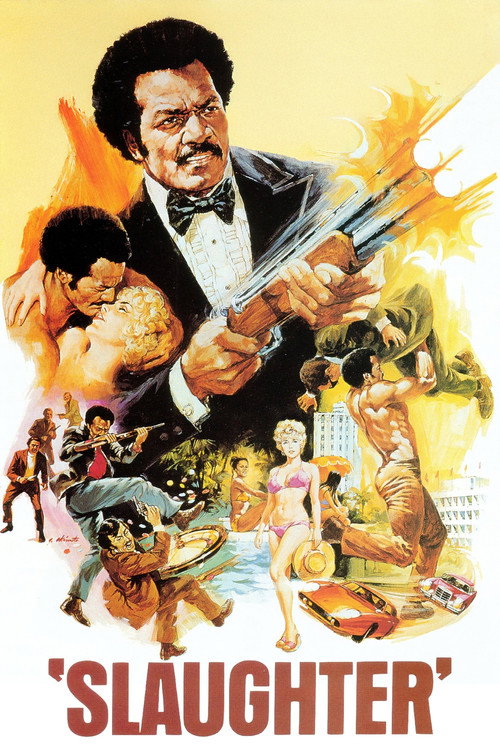
Slaughter1972
Jim Brown as a Vietnam vet turned vigilante. Brown brings real physicality and presence, and the film doesn't shy from depicting institutional racism as the actual enemy rather than a backdrop.
But The plot is fairly generic—man seeks revenge—and the film coasts on Brown's charisma rather than invention. It's competent rather than inspired.
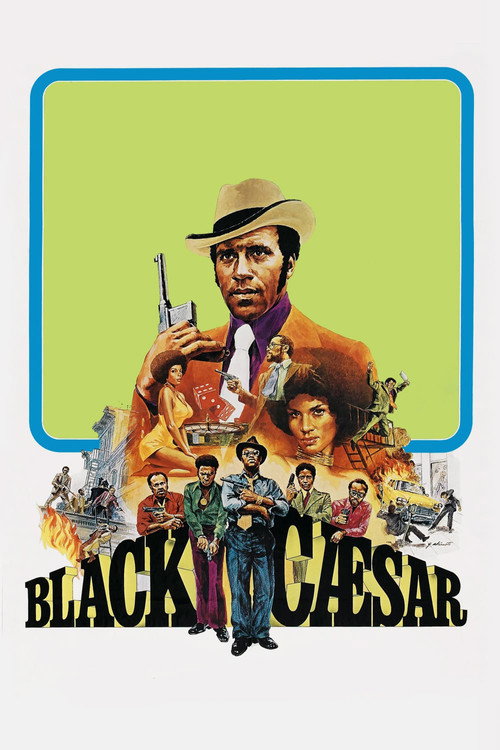
Black Caesar1973
Fred Williamson as a street kid rising through organized crime. It's Godfather on a ghetto budget, ambitious in scope and fascinated by the machinery of power and violence.
But The ambition exceeds the execution. The dialogue can be clunky and some scenes feel padded. You have to forgive rough edges to enjoy it.
Harakiri1962
Both are formally radical films that weaponize genre—action, samurai—to make arguments about power and exploitation that the mainstream versions of those genres never allow.
Masaki Kobayashi's samurai film about a man destroying an unjust institution from within. Shot in widescreen with blood-red inserts. It's a political thriller disguised as period drama, savage about how systems exploit their own members. More formally audacious than any Hollywood action film.
But It's Japanese samurai cinema from 1962, which is a barrier for some viewers. It's bleak, formal, and has no interest in making violence look cool. The political argument is embedded in structure, not stated.

People
Cast
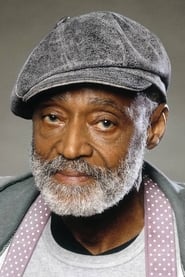 Melvin Van PeeblesSweetback
 Simon ChucksterBeetle
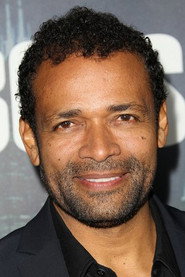 Mario Van PeeblesYoung Sweetback
 John DullaghanCommissioner
 John AmosBiker

 Rhetta HughesOld Girlfriend

Directing
- Clyde HoustonAssistant Director
- Melvin Van PeeblesDirector
- Jose GarciaSecond Unit Director
Writing
- Melvin Van PeeblesScreenplay
Production
- Jerry GrossProducer
- Melvin Van PeeblesProducer
- Chic BorlandProduction Assistant
- Priscilla WattsProduction Assistant
- Skip KarnasProduction Assistant
- Winfred TennisonProduction Assistant
- Clyde HoustonProduction Manager
Recommended by
Putney Swope, Porgy and Bess, Get Rich or Die Tryin', BaadAsssss Cinema, Cotton Comes to Harlem, Mean Johnny Barrows, Burning an Illusion, Coonskin, The Inkwell, If He Hollers, Let Him Go!