
Film
Coonskin
- Crime
- Strange
Ralph Bakshi's 1975 provocation weaves live-action and animation to tell a Harlem crime story through the lens of African American folklore. Brother Rabbit, Brother Bear, and Preacher Fox climb the criminal hierarchy in a densely layered satire that swings between cartoon chaos and brutal realism. It's deliberately unsettling, formally inventive, and designed to make you uncomfortable—which is exactly the point.
If you liked this
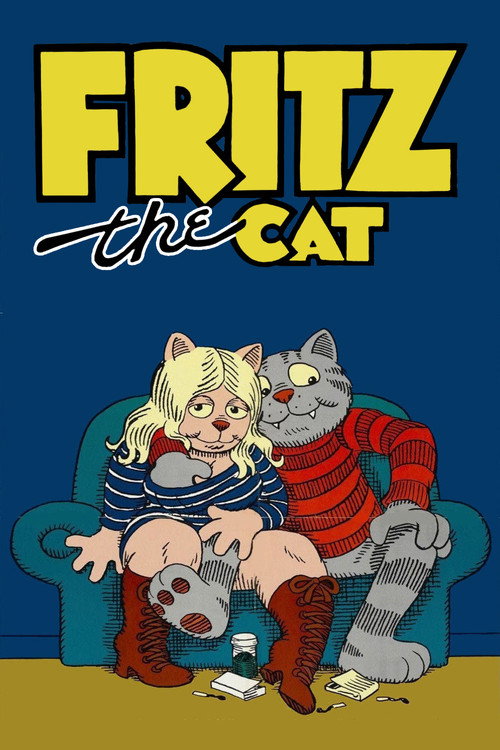
Fritz the Cat1972
Bakshi's earlier feature proved animation could be adult, obscene, and politically pointed. If you respond to Coonskin's formal audacity and willingness to offend, this anarchic predecessor is essential watching.
But It's aggressively juvenile in ways that haven't aged well, and the satire often substitutes shock value for actual insight. Some sequences feel more interested in being crude than clever.
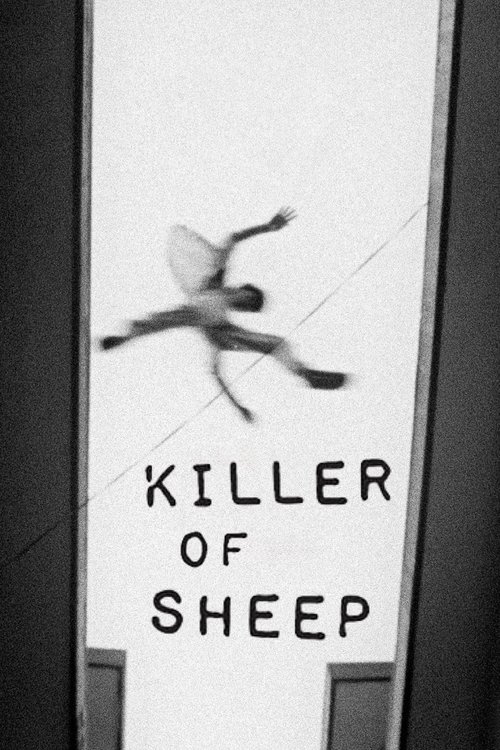
Killer of Sheep1978
Charles Burnett's Watts masterpiece shares Coonskin's commitment to depicting Black life with unflinching specificity and formal innovation. Quiet where Coonskin is loud, but equally radical in its refusal to perform for white audiences.
But It's deliberately paced and requires patience. There's no plot engine—just the texture of dailiness—which can feel glacial if you want narrative momentum.
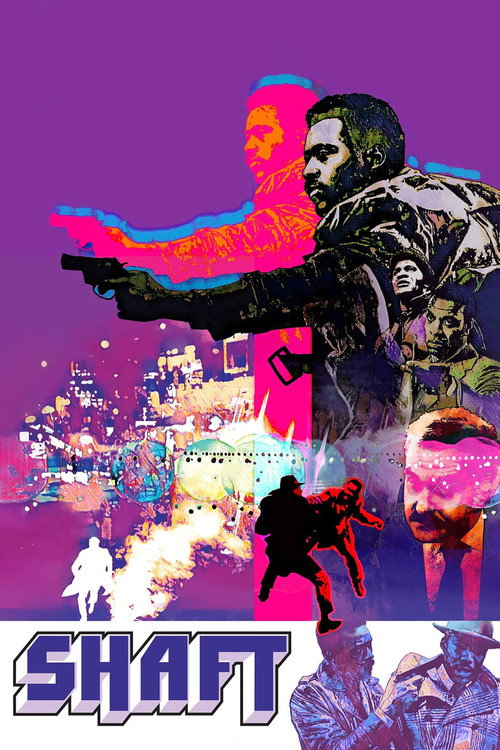
Shaft1971
The template for Black action cinema, Shaft moves with groove and confidence through Harlem's criminal underworld. Isaac Hayes' score alone justifies the watch, and the film's cool rarely wavers.
But By contemporary standards it plays broad, and the gender politics are genuinely ugly. The plot is fairly routine—it's the style that carries it.
Not sure tonight? Get a pick in a minute, starting from Coonskin
The wildcard
Something you would not have found on your own.
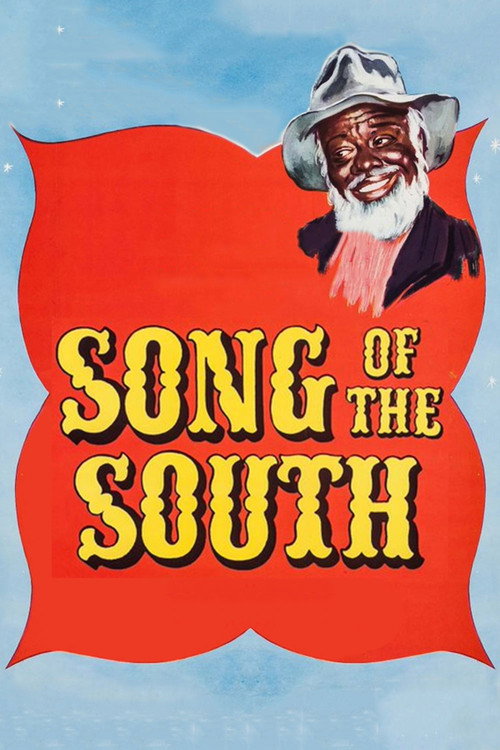
Song of the South1946
Both adapt African American folklore as animation, but Coonskin inverts Song of the South's ideology entirely—where Disney mystified plantation life, Bakshi demystifies Harlem crime.
Disney's now-infamous plantation musical animated Uncle Remus folklore into children's entertainment. Coonskin reclaims and radicalizes that same folkloric material—it's what Song of the South would look like if a Black artist owned the telling. Bakshi's refusal to soften or sentimentalize makes it a direct ideological riposte.
But Engaging with Song of the South at all requires confronting Disney's racism directly. Some viewers won't want to spend time with the source material, even critically.
More like this (7)
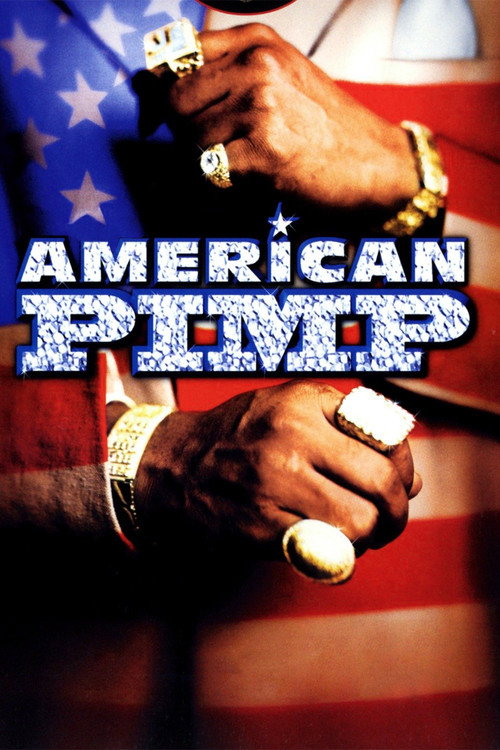
American Pimp2000
The Hughes Brothers examine pimp culture with unflinching documentary honesty, letting subjects speak without moralising. It's a companion piece to Coonskin's interest in how Black men navigate exploitation and power within systems designed to crush them.
But It's deeply disturbing—not because of sensationalism but because of what it reveals. The misogyny is structural and pervasive, which makes watching difficult.
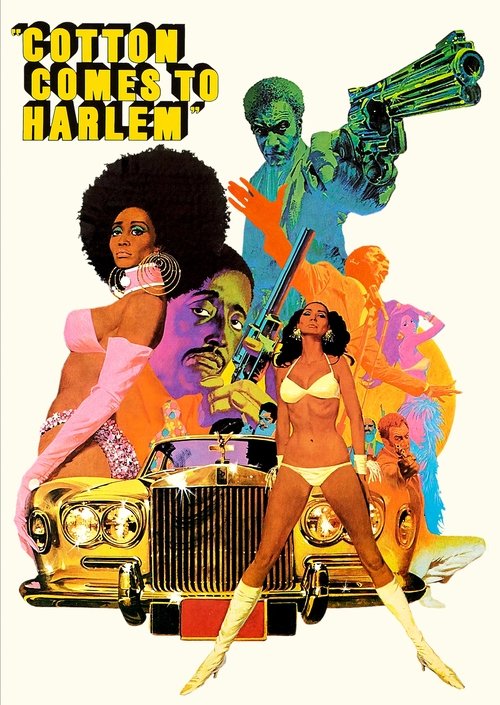
Cotton Comes to Harlem1970
An earlier Harlem crime caper with Godfrey Cambridge and Raymond St. Jacques that's far breezier than Coonskin but shares its commitment to centering Black characters in a genre typically reserved for white leads.
But The tone wavers between comedy and seriousness without quite committing to either. It can feel like it's unsure what it wants to be.
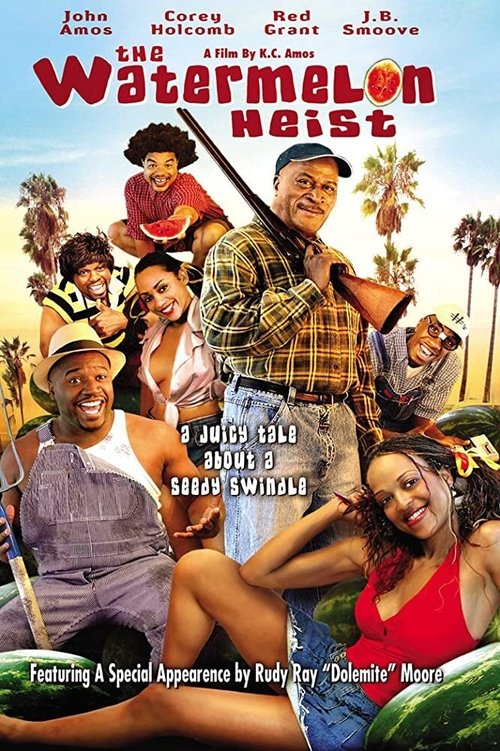
The Watermelon Heist2003
A low-budget Harlem exploitation film that captures the exact ecosystem Coonskin is depicting—hustlers, cops, con men, and the informal economy. It's raw and unpolished in ways that feel authentic.
But The production values are genuinely rough, and the narrative is scattered. It's fascinating as a document but doesn't always cohere as drama.
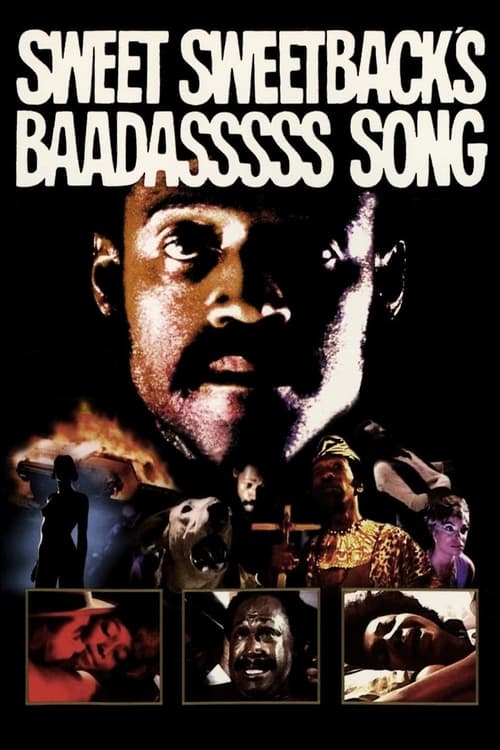
Sweet Sweetback's Baadasssss Song1971
Melvin Van Peebles' Black Power provocation uses fragmented narrative and formal experimentation to depict a man hunted by police. It's formally closer to Coonskin than most mainstream films, and equally uncompromising.
But It's aggressively difficult—the editing is deliberately chaotic, the plot is threadbare, and it was made explicitly to alienate white audiences. That alienation is a feature, not a bug.
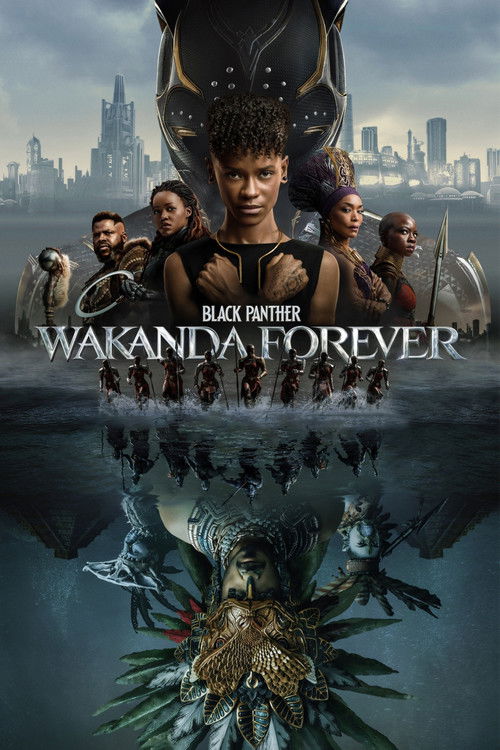
Black Panther: Wakanda Forever2022
Ryan Coogler channels grief and formal complexity into a superhero film. It's not a crime story, but it shares Coonskin's willingness to let Black narratives be dense, layered, and primarily addressed to Black audiences.
But If you're watching for plot, the runtime will exhaust you. It prioritizes mood and meaning over momentum, which frustrates viewers wanting conventional storytelling.
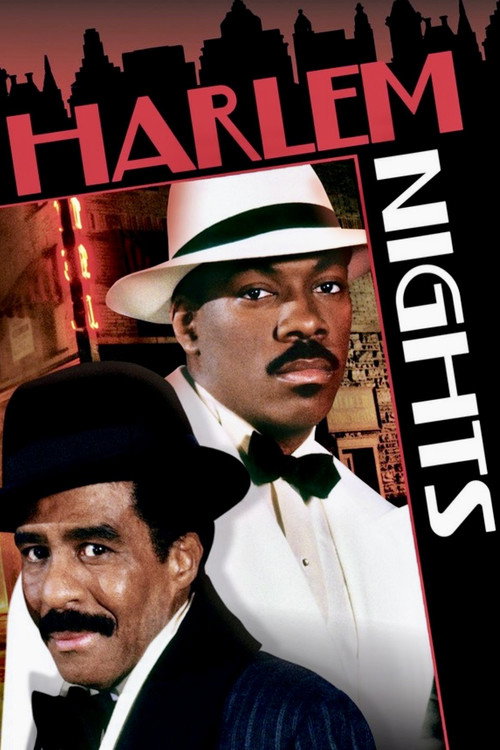
Harlem Nights1989
Eddie Murphy's only directorial effort is a stylish period crime comedy set in 1930s Harlem. It's lighter than Coonskin but shares the setting, the focus on Black criminal enterprise, and a genuine love for the culture it's depicting.
But The humor is often broad, and the film never quite decides whether it's satire or celebration. Some sequences feel like they're winking when they should be thinking.
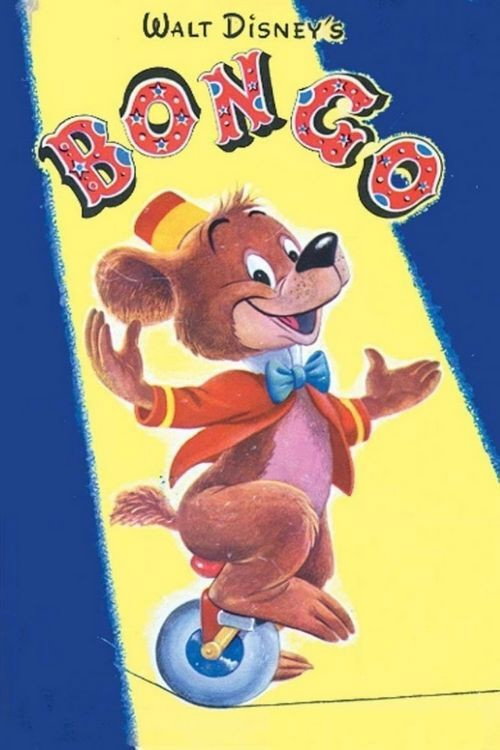
Bongo1947
Both are formally radical for their era, using animation's malleability to depict psychological struggle and internal conflict rather than just plot. Both feel ahead of their time specifically because they refuse animation's expected gentleness.
This obscure Disney animated feature about a circus animal struggling with wild freedom is formally inventive in ways most animation isn't. The jazz score and experimental sequences feel almost Bakshi-like decades before Bakshi. It's proof that animation could do stranger, more complex things than anyone was asking for.
But It's genuinely weird—tonally unstable and narratively scattered. Most viewers find it graceless, and it's easy to see why Disney buried it in the vault.
People
Cast
 Philip Michael ThomasRandy / Brother Rabbit (voice)
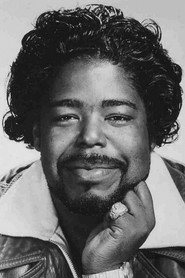 Barry WhiteSampson / Brother Bear (voice)
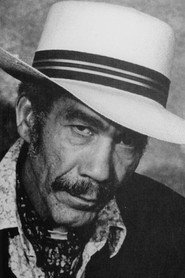 Charles GordonePreacherman / Preacher Fox (voice)
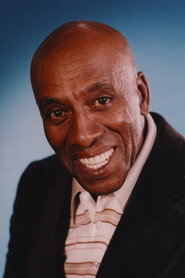 Scatman CrothersPappy / Old Man Bone (voice)
- Danny ReesClown (voice)
- Buddy DouglasReferee (voice)
- Jim MooreMime (voice)
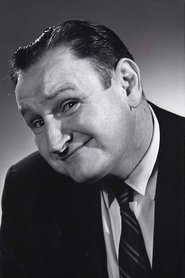 Al LewisThe Godfather (voice) (uncredited)
- Richard PaulSonny (voice) (uncredited)
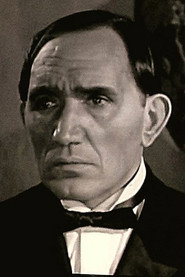 Frank De KovaManagan (voice) / Ruby (voice) (uncredited)
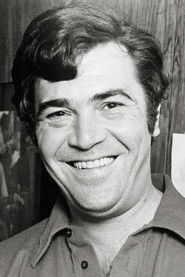 Ralph BakshiCop With Megaphone (voice) (uncredited)
 Jesse WellesMarrigold (voice) / Miss America (voice) (uncredited)
Directing
- James rodenAssistant Director
- Ralph BakshiDirector
Writing
- Ralph BakshiLyricist
- Joel Chandler HarrisOriginal Concept
- Ralph BakshiWriter
Production
- Albert S. RuddyProducer