
Film
The Spook Who Sat by the Door
A 1973 thriller about a Black CIA operative who infiltrates the agency under cover of compliance, then uses classified training to organize an urban uprising. It's lean, urgent, and genuinely dangerous—a film that understands rage as a political tool. Essential viewing for anyone interested in Black cinema, radical art, or how spy thrillers can weaponize genre itself.
Should you watch it?
Watch it if you want a sharp, angry political drama built on patient infiltration and cool surveillance of institutions, where the craft lies in quiet watching rather than fireworks.
Skip it if you need brisk pacing and crowd-pleasing spectacle, since this is a deliberate, talky 1970s film about race and power that can feel didactic and rough around the edges.
What it asks of you: It asks for patience and a tolerance for bluntness: at just over an hour and forty minutes, it lingers on procedure and argument more than on emotional release.
Not sure? Find tonight's pick in a minute.
If you liked this
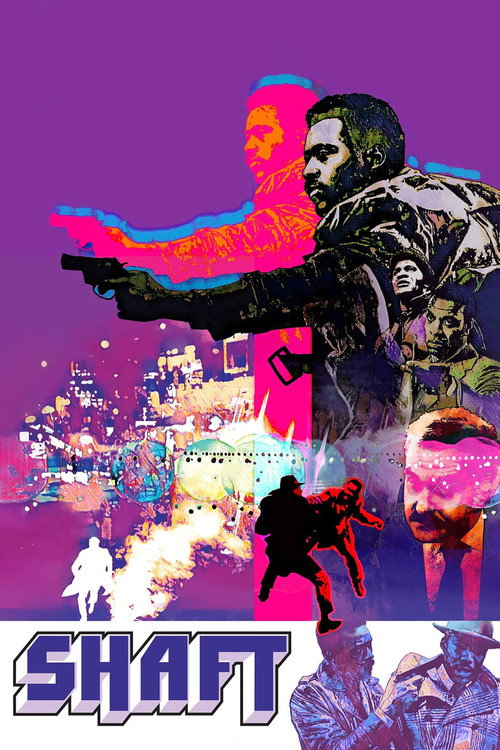
Shaft1971
The gold standard of blaxploitation that proved Black action heroes could carry a film with style, intelligence, and moral complexity. A direct predecessor that shares the same muscular confidence and urban setting.
But Episodic plotting and some dated attitudes toward women. The sequels have not aged as well as the first film.
Super Fly1972
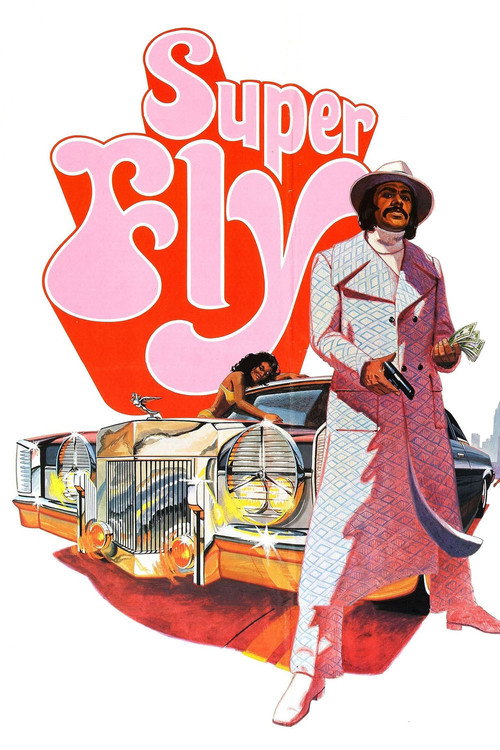
Another blaxploitation masterpiece that uses genre to explore structural entrapment. A cocaine dealer trying to escape the game mirrors the film's own critique of the systems that profit from Black bodies.
But Glorifies drug dealing even while critiquing it. Some will find that contradiction unresolved rather than intentional.
The Battle of Algiers1966
A revolutionary how-to manual disguised as a war film. Like Spook, it shows insurgency as organized, strategic, and morally serious—not romantic or suicidal. Pontecorvo's influence on political cinema is everywhere.
But Black-and-white, Italian-Algerian production from the '60s. Dense, didactic, and it doesn't soften the cost of resistance.

Not sure tonight? Get a pick in a minute, starting from The Spook Who Sat by the Door
The wildcard
Something you would not have found on your own.
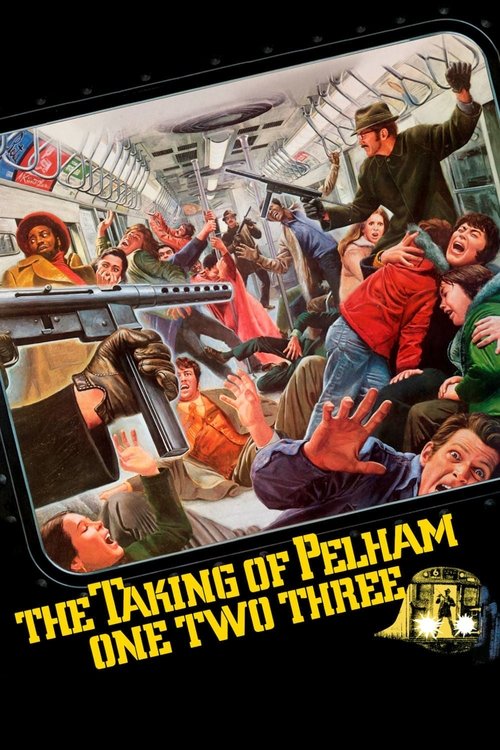
The Taking of Pelham One Two Three1974
Both films understand revolution as an engineering problem. They show the unglamorous logistics of taking control of a system from within.
A hijacking thriller where the insurgents are strategic, prepared, and unnervingly competent. Like Spook, it's fascinated by how people plan institutional subversion and thinks that planning itself is inherently dramatic.
But Procedural and talky. The pleasure is in the intellectual chess game, not action or emotion—some will find it bureaucratic.
More like this (8)
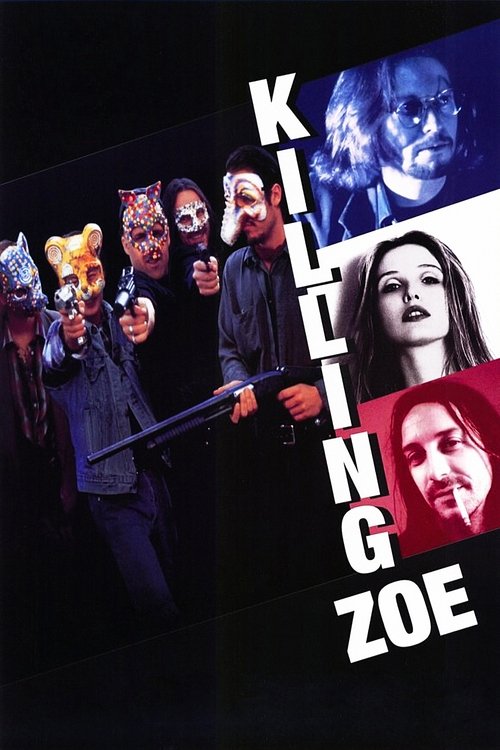
Killing Zoe1993
A heist film that transforms into something darker—a meditation on betrayal, race, and the impossibility of escape. Uses genre mechanics to ambush you with a political question.
But Graphic violence and sexual assault. The tonal shift will alienate anyone expecting a straightforward thriller.
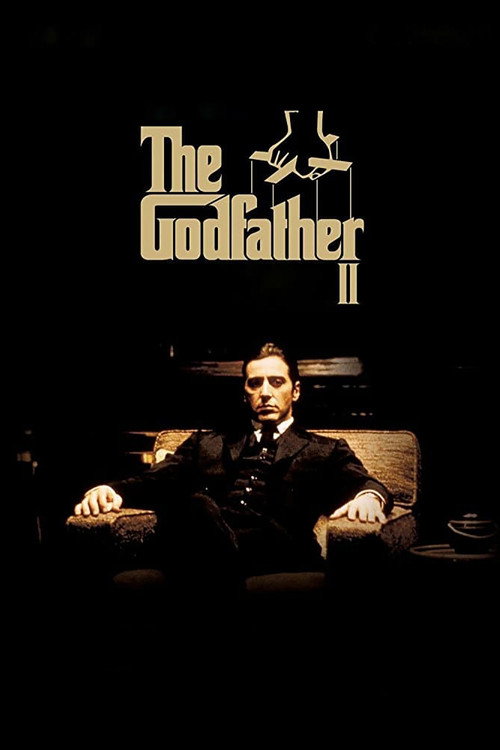
The Godfather Part II1974
Parallel narratives about power consolidation and the corruption of institutions. Like Spook, it shows how systems work from the inside, and what happens when someone decides to destroy them.
But Nearly four hours. The parallel structure demands attention and the ending is deliberately ambiguous about whether anything changed.
Malcolm X1992
Spike Lee's biography of a man who moved from complicity to revolution. Shares Spook's interest in strategic reinvention and the moment when assimilation becomes impossible.
But Biographical, so the arc is known. Some will find Lee's style heavy-handed; others will feel it earns every gesture.

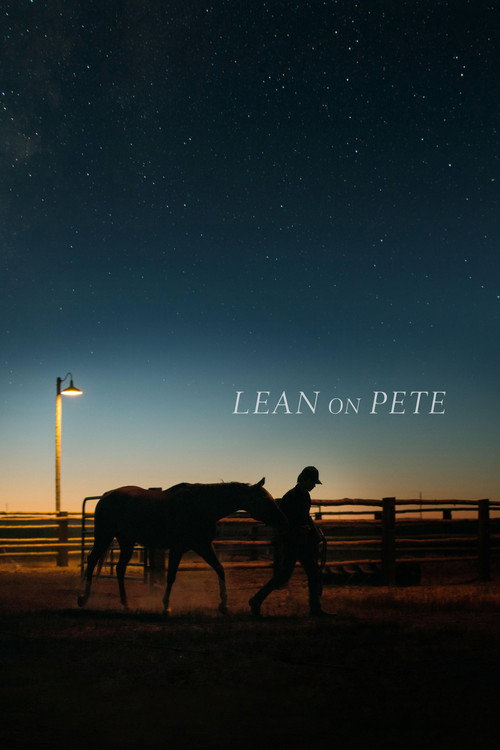
Lean on Pete2018
An American outsider narrative about a boy and a horse, but it's really about systemic cruelty and the moment someone stops accepting it. Quietly radical in how it shows desperation as political.
But Bleak without catharsis. The film refuses easy redemption, which some viewers will experience as depressing rather than honest.
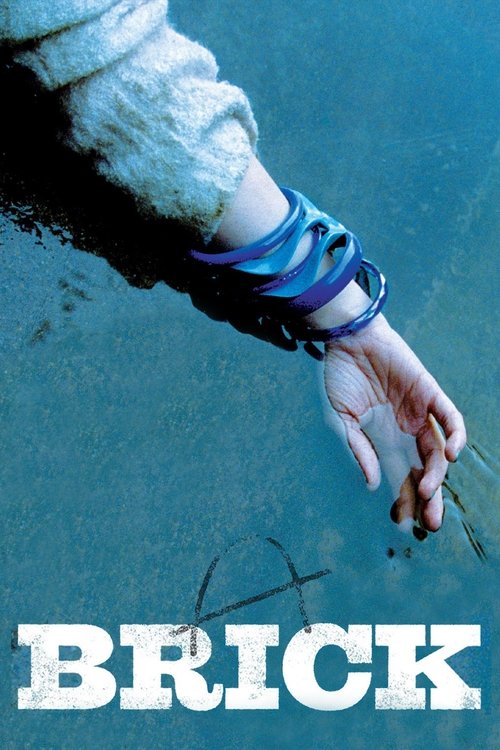
Brick2006
A noir transplanted into a high school, which sounds gimmicky until you realize it's using genre language to talk about power structures and how kids navigate them. Teaches the same lesson as Spook: learn the system's code, use it against them.
But Self-consciously stylized to the point of mannered. If you don't surrender to its tone in the first ten minutes, you're lost.
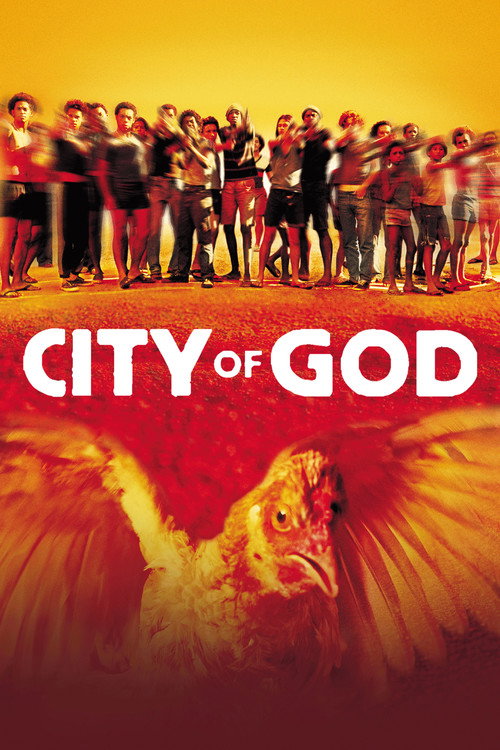
City of God2002
A Brazilian favela viewed from inside the machinery of poverty and violence. Like Spook, it refuses to romanticize resistance while showing it as inevitable. Chaotic, kinetic, brilliant.
But Overwhelming stylistic flourishes and rapid-fire cutting. Brutal, often with minimal context for the violence—you're meant to feel lost in it.
A Prophet2009
Both are about learning a system's language fluently enough to betray it. Both suggest that intelligence and patience are more revolutionary than rage.
A young man enters prison powerless and emerges having mastered its codes, then uses that knowledge to become dangerous. The arc is nearly identical to Spook: observation, infiltration, transformation into threat.
But Prison brutality, sexual violence, and moral degradation. It's French and slow-burn; impatient viewers will hate the pacing.

Roma2018
Both films are interested in how people survive inside systems that weren't built for them, and what happens when complicity becomes consciousness. Both suggest revolution as a decision made quietly, from within.
A Black-and-white film about a housemaid navigating a middle-class Mexican household during political upheaval. It finds revolution not in ideology but in presence, observation, and the small ways power is contested in domestic space.
But Plotless, meditative, entirely in Spanish with minimal dialogue. Shot in Academy ratio on a small scale. Patient it demands; plot it refuses.

People
Cast
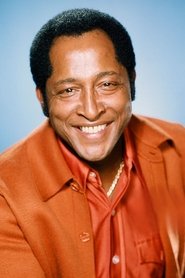 Lawrence CookDan Freeman
 Janet LeagueJoy
 Paula KellyDahomey Queen
 J.A. PrestonDawson
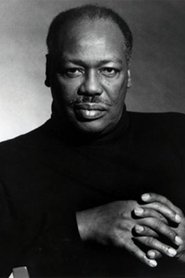 Paul ButlerDo-Daddy Dean
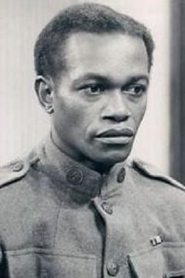 Don BlakelyStud Davis
 David LemieuxPretty Willie
 Anthony RayShorty
- Colostine BoatwrightDancer
Directing
- Ivan DixonDirector
Writing
- Sam GreenleeNovel
- Melvin ClayScreenplay
- Sam GreenleeScreenplay
Production
- Thomas G. NeusomAssociate Producer
- Ivan DixonProducer
- Sam GreenleeProducer
Recommended by
The Boondocks, Sweet Sweetback's Baadasssss Song, Sugar Hill, Melinda, Switchblade Sisters, Rockers, Dolemite, Welcome Home Brother Charles, Cornbread, Earl and Me, In the Electric Mist, The Meeting, Passing Through