
Film
The Fun House
A 1977 exploitation horror film about a released convict who documents violence for profit. Gritty, handheld, and genuinely disturbing in ways that feel unmediated—shot like found footage before that became a genre. For viewers interested in horror's transgressive early days and the question of what cinema can show us.
If you liked this
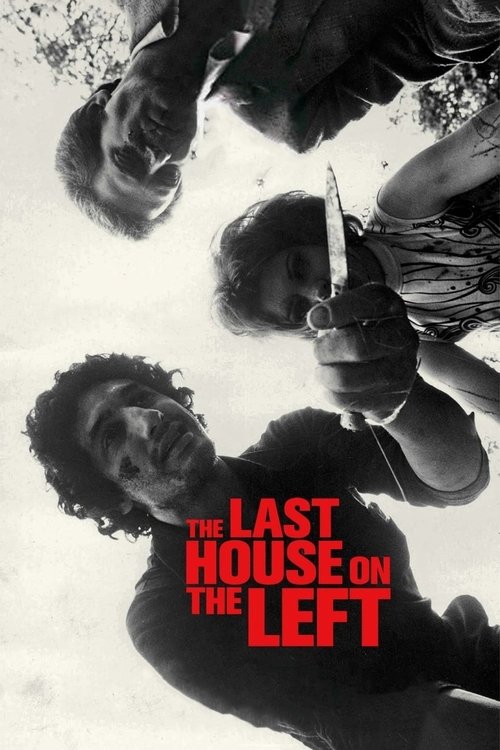
The Last House on the Left1972
Wes Craven's breakthrough about suburban families caught in horror. Raw, morally complex, and equally committed to making you uncomfortable as a form of critique.
But Brutal sexual violence is central to the story. The framing doesn't soften it, and some viewers find the film itself complicit in what it depicts.
Day of the Woman1978
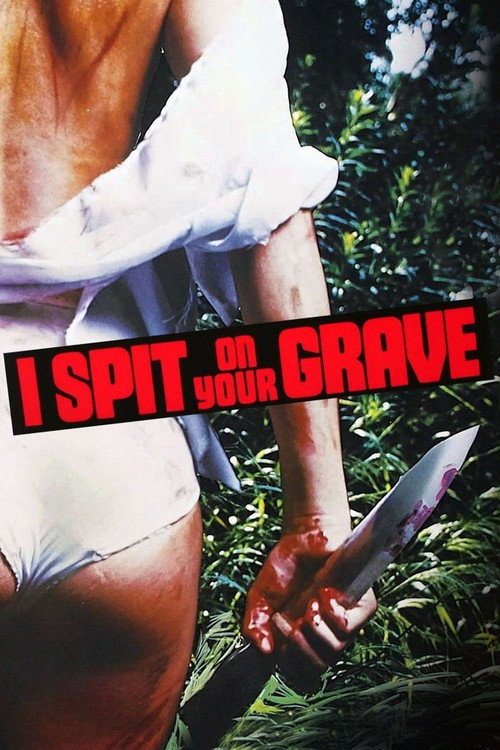
Meir Zarchi's revenge horror that doubles down on exploitation aesthetics to question who cinema protects. Notorious, intentional in its transgression, and impossible to look away from.
But Extended, graphic rape scene that dominates the first half. The film's intentions don't make it easier to sit through if that's not what you want from cinema.
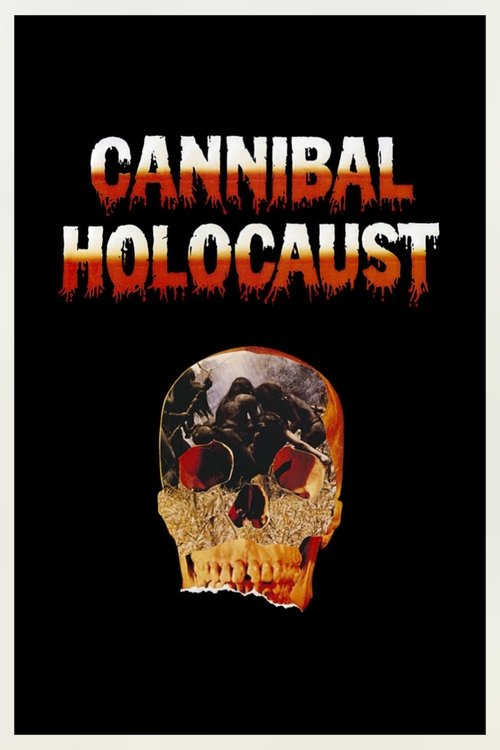
Cannibal Holocaust1980
Found-footage horror that predates the format by decades. Uses the aesthetics of snuff film to interrogate documentary truth and Western exploitation of indigenous peoples.
But Genuine animal killings on screen; the moral argument doesn't retroactively consent those deaths. Extremely graphic violence throughout.
Not sure tonight? Get a pick in a minute, starting from The Fun House
The wildcard
Something you would not have found on your own.
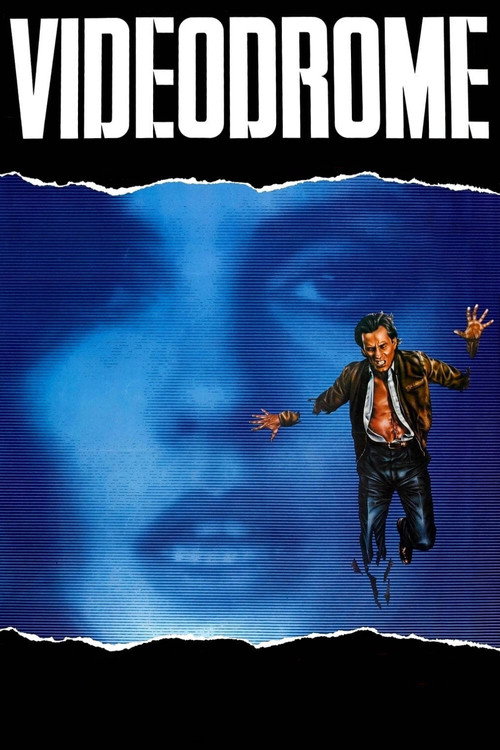
Videodrome1983
Both films are predicated on the idea that cinema can document harm and be corrupted by the act. Cronenberg brings critical distance and formal invention; The Fun House brings raw conviction. They're looking at the same ethical collapse from opposite sides.
Cronenberg's direct interrogation of snuff film culture and media contamination. A narrative film that thinks like theory—about the shape transgression takes on screen and in the viewer's mind.
But Body horror and sexual violence are framed through abstraction rather than realism. If you're seeking unmediated transgression, the conceptual layer may feel like distance.
More like this (8)
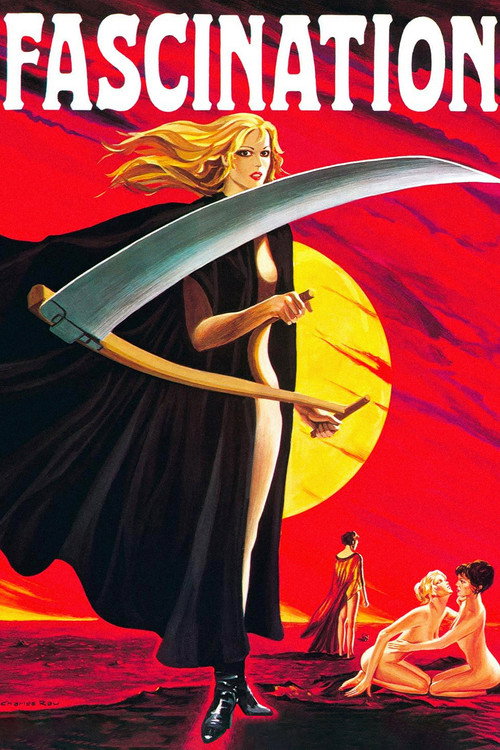
Fascination1979
Jean Rollin's dreamlike vampire film from the late-70s art-horror moment. Elegant, eerie, and proof that transgression doesn't require brutalism—atmosphere can unsettle more.
But Slow-burn narrative with minimal dialogue. If you need plot momentum or clear motivation, the film will feel like it's evading you.
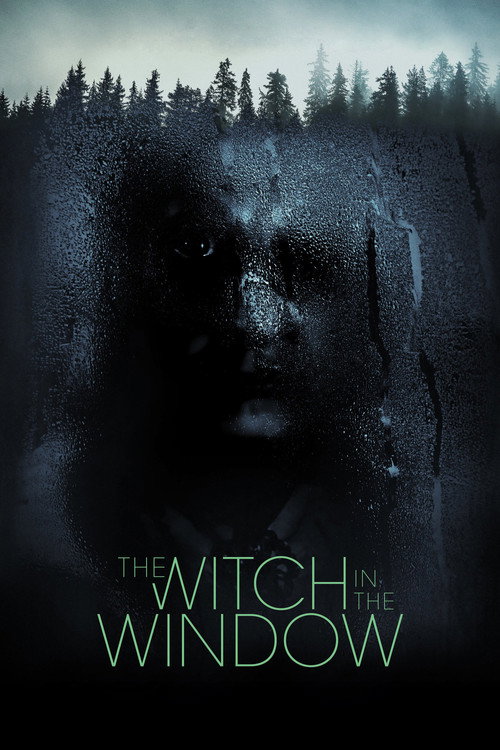
The Witch in the Window2018
Contemporary folk horror that captures the dread and handheld authenticity of 1970s exploitation without the actual exploitation. Unsettling through implication rather than display.
But Modern indie film with modern pacing. If you're here for the unvarnished grind and grain of 70s video, the digital look will feel wrong.
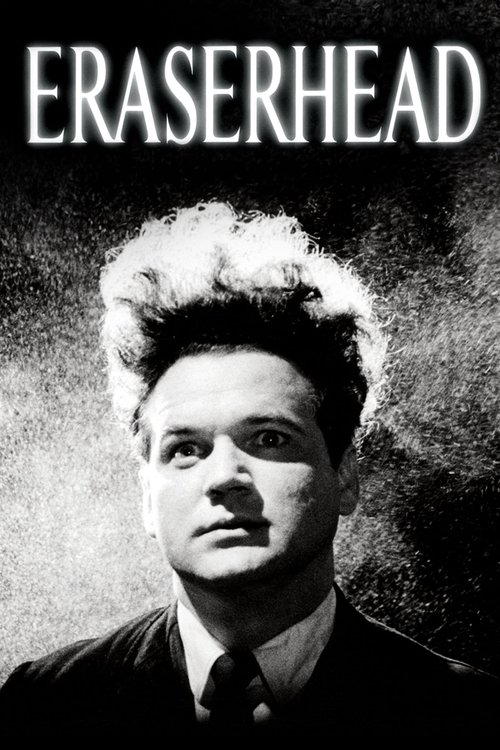
Eraserhead1977
Lynch's monochrome fever dream about fatherhood, released the same year. Transgressive through form rather than content—alienating and hypnotic in equal measure.
But Experimental narrative structure; the film resists conventional comprehension. If you want your horror spelled out, this will frustrate you.
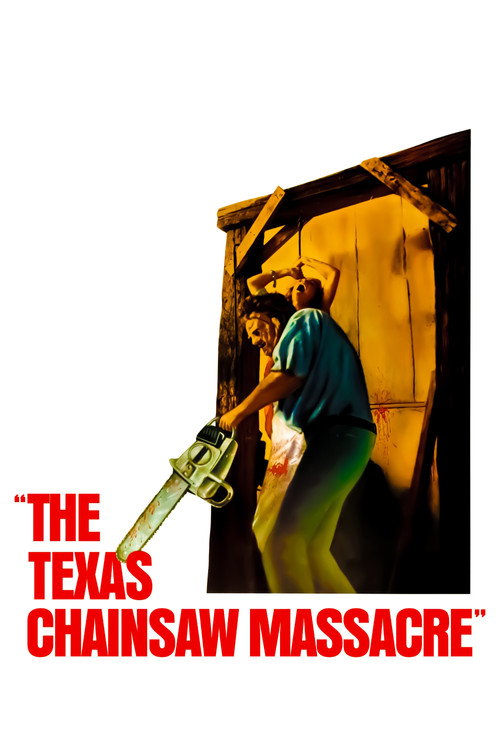
The Texas Chain Saw Massacre1974
Tobe Hooper's genre-defining work about perceived threat and family horror. Violent in implication more than depiction, but the psychological impact is immense.
But The film's cultural dominance might feel familiar even if you haven't seen it. And it's genuinely harrowing—not a comfortable watch despite the relatively restrained gore.
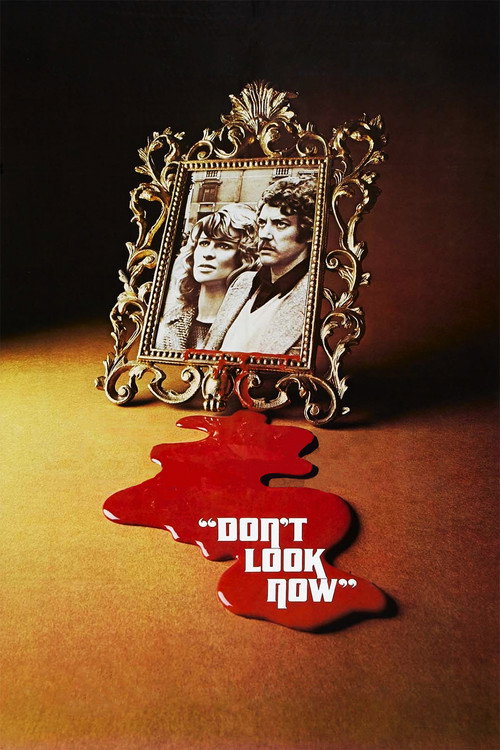
Don't Look Now1973
Nicolas Roeg's supernatural thriller with genuine dread beneath its art-film surface. Atmospheric and morally ambiguous in a way that lingers much longer than shock.
But Mystery-driven plot requires patience and attention. The famous sex scene dominates discussion in ways that obscure the film's real achievements.
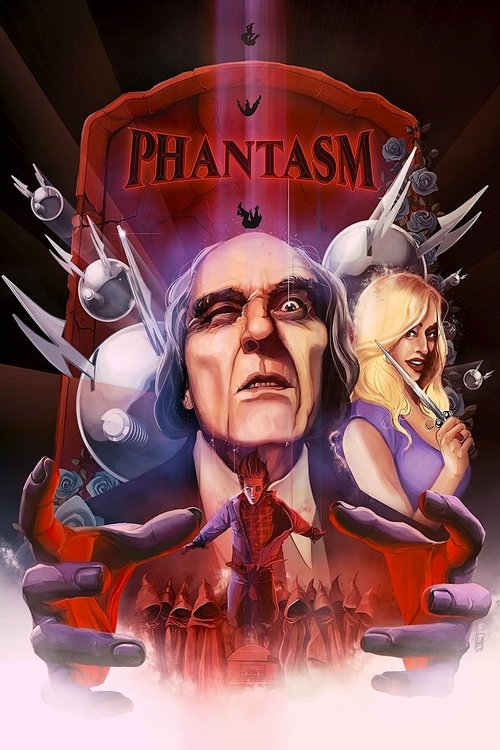
Phantasm1979
Don Coscarelli's low-budget nightmare about grief and cosmic horror. Shot on 16mm with practical effects, it has the tactile wrongness that connects it to 70s exploitation aesthetics.
But Surreal logic and dated visual effects may feel quaint rather than terrifying. The sequels overshadow the original in cultural memory.
Come and See1985
Both are about the documentation of atrocity and what it costs the witness. Come and See is war film as spiritual obliteration; The Fun House is exploitation as moral collapse. Both refuse to let the camera be neutral.
Elem Klimov's Soviet war film about a boy's corruption by violence. Shot as immersive nightmare; the most visceral anti-war cinema ever made, and genuinely transcendent despite—because of—its brutality.
But One of the most harrowing films in existence. Not transgression as provocation but as consequence. It demands something from you emotionally that many viewers cannot or should not give.

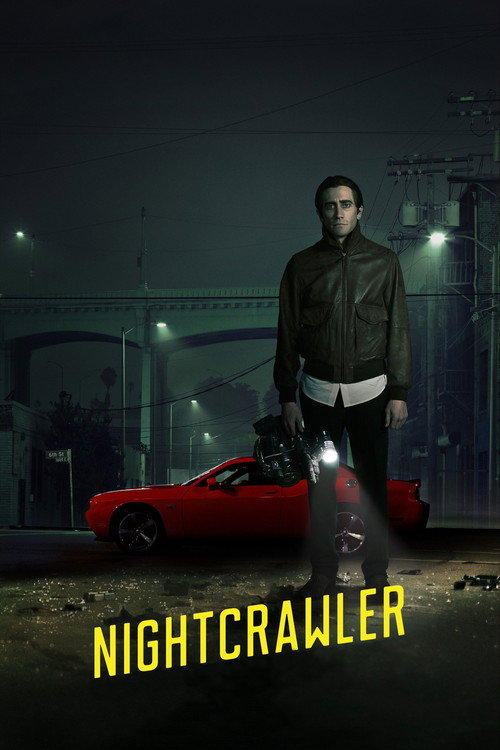
Nightcrawler2014
Both center on the camera as tool of exploitation and the question of who profits from documented suffering. Nightcrawler updates the idea to the internet age and corporate news, making it systemic rather than individual pathology.
Dan Gilroy's modern thriller about a freelancer who films urban violence for profit. Sleek, contemporary, and entirely about the complicity of the viewer—asks who wants this footage and why.
But Polished, contemporary Los Angeles aesthetic. If you're drawn to the grain and rawness of 70s transgression, this clinical modern take may feel too removed and sane.
People
Cast
 Roger WatkinsTerry Hawkins
- Ken FisherKen Hardy
- Bill SchlageterBill Drexel
- Kathy CurtinKathy Hughes
- Pat CanestroPatricia Kuhn
- Steve SweetSteve Randall
- Edward E. PixleyJim Palmer
- Nancy VroomanNancy Palmer
- Suzie NeumeyerSuzie Knowles
- Paul M. JensenBlind Man