
Film
Cannibal Ferox
A 1981 Italian splatter film that follows three anthropologists into the Amazon jungle, where they collide with criminals and cannibals in a film that's equal parts exploitation, gore effects, and commentary on colonial violence. Relentless, nasty, deliberately provocative—it's for viewers who want their horror visceral and their morality ambiguous.
Should you watch it?
Watch it if you are drawn to the nasty, unpolished edge of Italian jungle horror, where the shock is the point and the sheer squalor of the filmmaking is part of its appeal.
Skip it if real animal deaths and sexual violence sit at its centre, so it will sour the evening if cruelty to creatures or women is a line you won't cross.
What it asks of you: A slow, sprawling 93 minutes of jungle wandering, with long build-ups before the brutality lands, and it wants your full attention rather than your amusement.
Not sure? Find tonight's pick in a minute.
If you liked this
Cannibal Holocaust1980
The film that defined the cannibal genre and established the found-footage template. Visually stunning, structurally audacious, and genuinely disturbing in ways that go beyond gore.
But The animal deaths are real and disturbing; the film's gender politics are actively hostile. It's transgressive for transgression's sake.
Apocalypse Now1979
Shares the jungle-as-heart-of-darkness atmosphere and the collision between Western civilization and something primal and incomprehensible. Epic scope where Ferox is intimate.
But It's philosophical and slow, building dread through suggestion rather than explicit violence. Very different pacing and intellectual register.
The Hills Have Eyes1977
Tobe Hooper's masterclass in how exploitation horror can be genuinely artful. Savage family-versus-family violence that mirrors the colonial violence Ferox explores.
But Shot on a budget, so it relies on suggestion more than spectacle. Some find the restraint less satisfying than graphic excess.
Not sure tonight? Get a pick in a minute, starting from Cannibal Ferox
The wildcard
Something you would not have found on your own.
Come and See1985
Both films use transgressive imagery to force complicity rather than comfort. Both ask what you're really willing to watch and why. Come and See does it through documentary-realism; Ferox through pulp. Same moral engine, opposite vehicles.
A Soviet film about a boy soldier in WWII that achieves the same moral breakdown as Ferox but through realism rather than exploitation. Genuinely one of cinema's most devastating depictions of violence's cost. No cannibals, but the same descent into horror.
But It's relentlessly bleak and will wreck you emotionally. Based on real atrocity; the commitment to unflinching realism means no catharsis or genre distance.

More like this (8)
Possession1981
Andrzej Żuławski's unhinged European art-horror from the same year, equally transgressive and nasty, with practical gore that's genuinely unsettling. Relationship dissolution as body horror.
But Deliberately incoherent narrative; the tentacle creature is rubber and visible as rubber. The chaos is the point, which will alienate viewers seeking clarity.

The Texas Chain Saw Massacre1974
The template for modern horror violence—brutal, fast-paced, and designed to make you feel hunted. Lean and mean filmmaking that influenced everything after it.
But Feels quaint now in its refusal to show gore explicitly. If you're coming from Ferox, the restraint might feel timid.
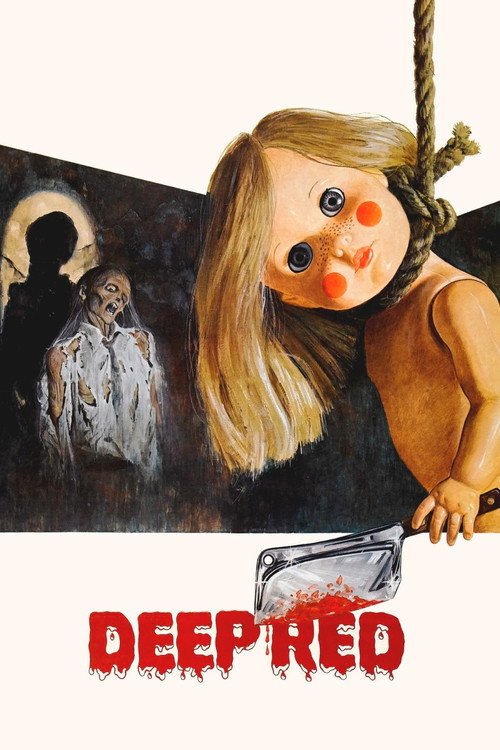
Deep Red1975
Dario Argento's giallo masterpiece: stylish, operatic murder-mystery with extraordinary set pieces and practical effects that still astonish. More artful but equally committed to transgression.
But The logic is dreamlike rather than plot-driven; some find the incoherence frustrating. It's more interested in how violence looks than why it happens.
The Wailing2016
A modern horror film that wrestles seriously with colonial guilt and cultural violence, using the genre to explore moral and spiritual ambiguity. Genuinely intelligent without losing the viscera.
But Over two hours of slow-burn dread; the payoff is philosophical rather than narrative. Requires patience and appetite for ambiguity.

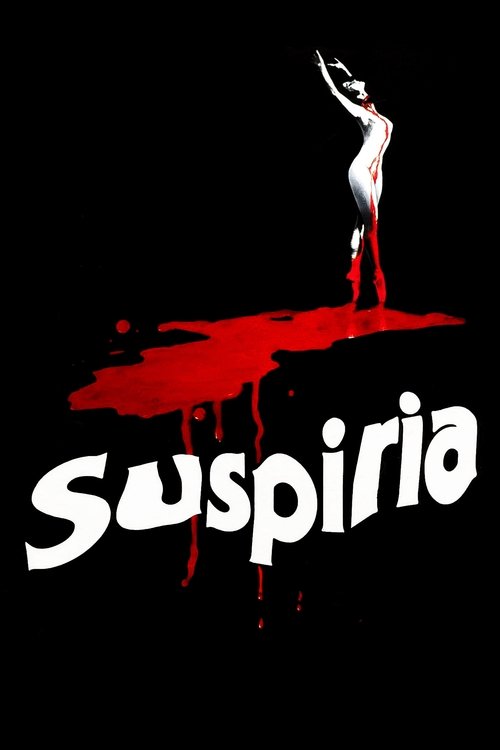
Suspiria1977
Argento's color-soaked nightmare about a dance academy harboring witches. Genre cinema as pure visual and sonic assault, transgressive in form rather than content.
But Plot is nearly nonexistent; it's pure atmosphere and aesthetic. The dubbing is intentional but takes adjustment. Very '70s in sensibility.
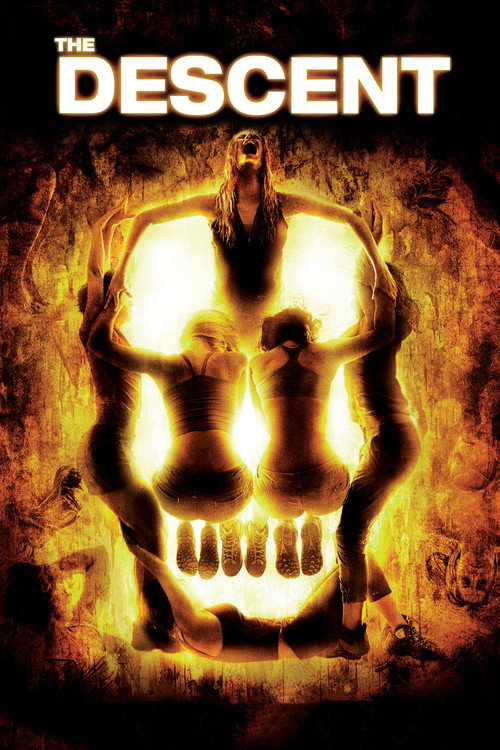
The Descent2005
Underground claustrophobia meeting practical monster horror. British genre filmmaking that understands how to sustain dread and use violence to deepen rather than distract from character.
But The creatures are clearly man-in-suit; some find that less effective than practical gore. The ending pivots to ambiguity when some want catharsis.
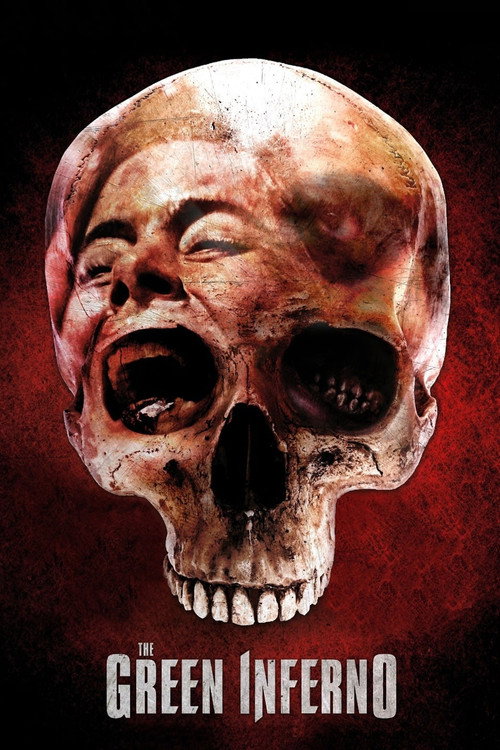
The Green Inferno2014
Roth made this as a love letter to Italian cannibal films, Ferox specifically. It's a contemporary filmmaker working in the exact tradition, proving it still functions as transgressive cinema.
Eli Roth's direct heir to Ferox: a film school student makes a film about activism that goes into the Amazon and gets eaten alive. Self-aware exploitation that knows exactly what it's doing. Gore, satire, and genuine suspense in equal measure.
But It's deliberately trying to offend and provoke; if you find cannibalism jokes tasteless, this will infuriate you rather than entertain. The politics are deliberately muddled.
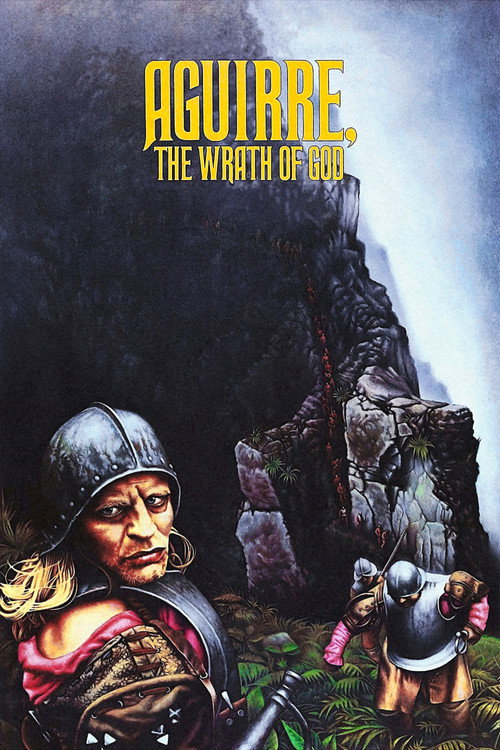
Aguirre, the Wrath of God1972
Same jungle setting, same breakdown of civilization, same fascination with how the Western ego confronts the unknowable Other. But Herzog's film is about myth and madness; Ferox is about bodies and complicity. They're asking opposite questions about the same terrain.
Werner Herzog's mad conquistador film: Spanish explorers descend into the Amazon in search of El Dorado and descend into madness instead. Visionary and hallucinatory where Ferox is visceral. Klaus Kinski is unhinged brilliance.
But Meditative and slow; Herzog is interested in philosophy and landscape, not bodies. If you want gore and exploitation, this offers ideas and atmosphere instead.
People
Cast
 Giovanni Lombardo RadiceMike Logan
 Lorraine De SelleGloria Davis
 Danilo MatteiRudy Davis
 Zora KerovaPat Johnson
- Walter LucchiniJoe Costolani
- Fiamma MaglioneMyra Stenn
 Robert KermanLt. Rizzo
 John BarthaNYC Drug Enforcer
 Venantino VenantiniSgt. Ross
 'El Indio' RinconJuanito
- Giovanni BergaminiHotel Clerk (uncredited)
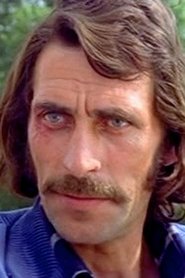 Riccardo PetrazziHunter (uncredited)
Directing
- Riccardo PetrazziAssistant Director
- Umberto LenziDirector
Writing
- Umberto LenziScreenplay
- Umberto LenziStory
Production
- Antonio CrescenziExecutive Producer
- Luciano MartinoProducer
- Mino LoyProducer
- Giovanni MasiniProduction Supervisor
- Evi FarinelliUnit Manager
- Vito Di BariUnit Manager
Recommended by
The Territory, Street Trash, La Petite Mort 2: Nasty Tapes, Anthropophagous, Zombie Flesh Eaters, The Green Inferno, Slave of the Cannibal God, The Wizard of Gore, Headless, The Devil's Possessed