
Film
The Territory
- Western
- Very dark
The Territory documents the Uru-Eu-Wau-Wau Indigenous people's fight to protect their rainforest homeland from illegal logging, mining, and land invasion in Brazil. Shot from inside their territory, it's urgent and intimate—neither sermon nor spectacle, but a clear-eyed account of people defending what's theirs. For anyone who wants to understand environmental destruction and resistance at ground level.
Should you watch it?
Watch it if you want a documentary that puts the people defending their land at its centre, watching a community argue for its forest with patience and clear-eyed urgency rather than hearing an outside narrator deliver verdicts.
Skip it if you need a documentary with a tidy arc and resolution; this is an ongoing situation, and it can feel more like a sustained warning than a story.
What it asks of you: Expect a steady, unhurried 85 minutes that accumulates weight through repeated scenes of forest, meetings and testimony, so it rewards sustained attention more than quick reactions.
Not sure? Find tonight's pick in a minute.
If you liked this
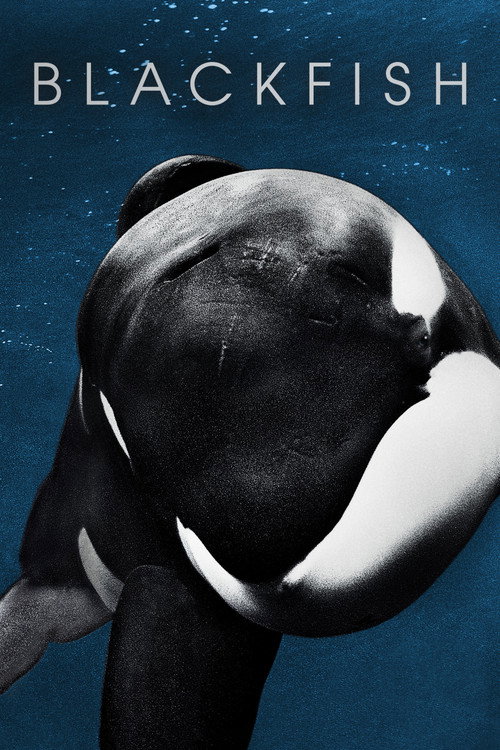
Blackfish2013
Documents how a powerful system exploits a voiceless population, using footage and testimony to expose what institutions deny. Builds a moral case without hectoring. Direct, devastating, necessary.
But The emotional manipulation is deliberate and unrelenting. If you prefer documentaries that sit back and present facts neutrally, this will feel like being shouted at.
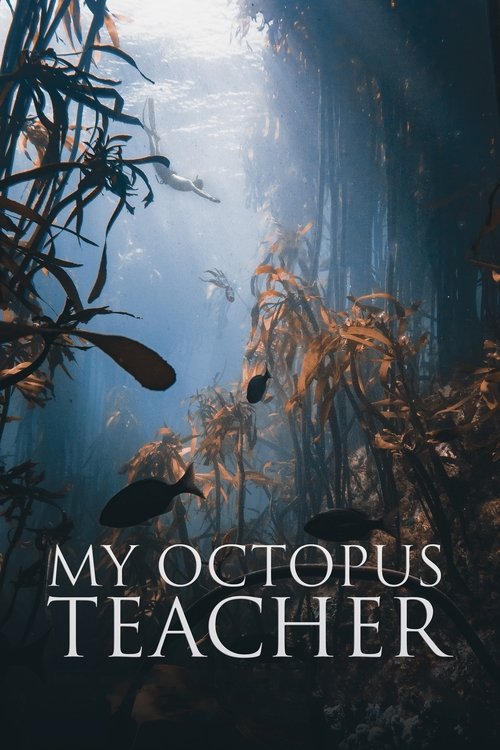
My Octopus Teacher2020
A filmmaker builds a relationship with a creature in its own habitat, learning to observe rather than impose. Quiet, patient, alive to wonder. Shows how presence and attention can be acts of respect.
But It's more lyrical than urgent. The personal journey sometimes pulls focus from the larger ecological stakes you might hope it would address.
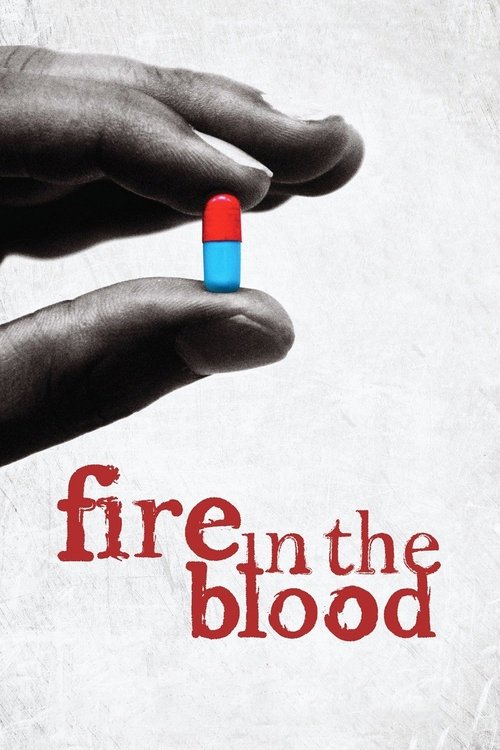
Fire in the Blood2013
Exposes how global pharmaceutical and political powers conspired to prevent Africans accessing HIV drugs. Rigorously argued, genuinely angry, but controlled. Shows how documentary can be both intimate and systemic.
But Dense with policy detail and corporate malfeasance. If you want narrative momentum or likeable characters, this prioritizes information over both.
Not sure tonight? Get a pick in a minute, starting from The Territory
The wildcard
Something you would not have found on your own.
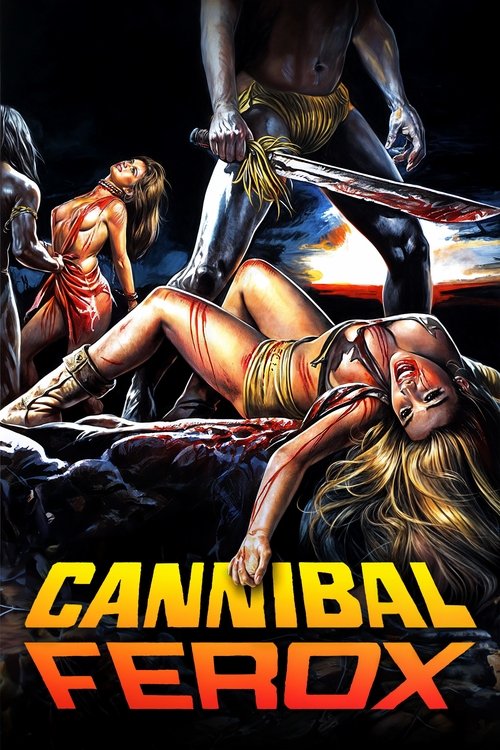
Cannibal Ferox1981
Both films concern Indigenous Brazilians and the rainforest, but where Cannibal Ferox *enacts* colonial violence through dehumanization, The Territory refuses it. Watching the earlier film shows you the visual language of exploitation so you understand what The Territory consciously dismantles.
A grindhouse exploitation film from Italy that captures the *exact* moment Western filmmakers began using Indigenous peoples as backdrop for atrocity spectacle. Grotesque, incompetent, and historically fascinating as a document of colonial violence repackaged as entertainment.
But Genuinely difficult to watch—not for artistic reasons but because it's crude, racist, and designed for the worst impulses. Watching it means confronting what cinema enabled. The Territory's clarity about exploitation makes this moral cesspool unbearable by contrast, which is exactly the point.
More like this (8)
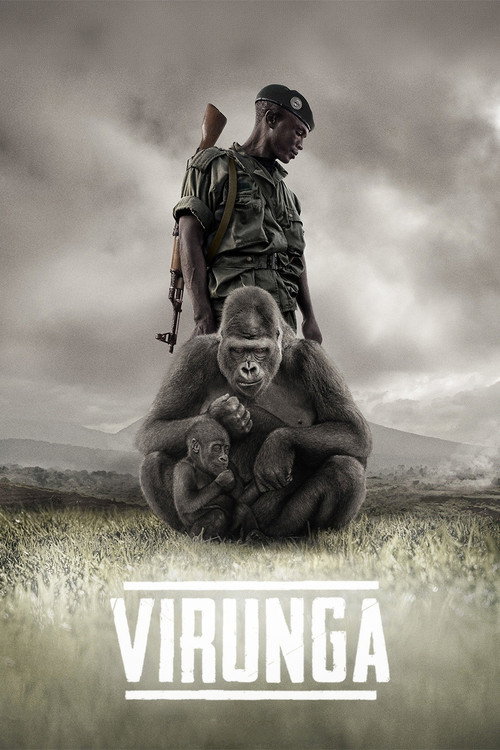
Virunga2014
Rangers risk their lives protecting mountain gorillas in a war zone. Cinematically beautiful, genuinely suspenseful, but grounded in real stakes. Conservation as lived drama, not abstraction.
But Netflix gloss and emotional soundtrack sometimes soften the edges. Occasionally feels designed to be watchable rather than harsh.
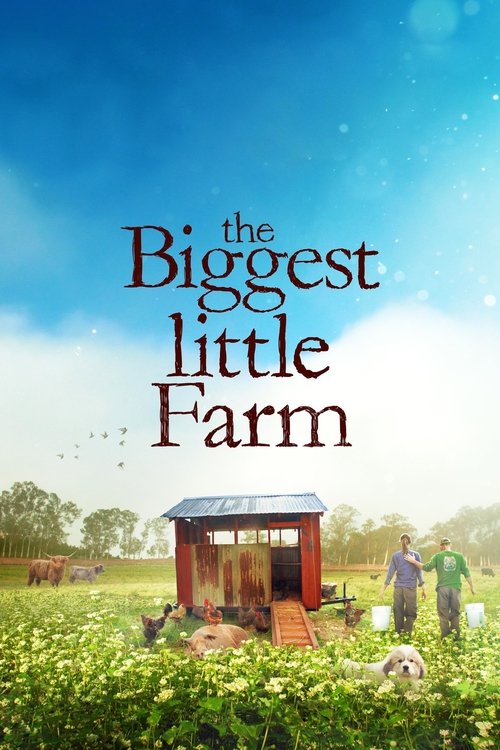
The Biggest Little Farm2019
A couple rebuilds an exhausted California landscape into a regenerative farm. Visually gorgeous, optimistic without being naive. Shows what working *with* nature rather than against it can mean.
But The scale is modest—one farm, one family. It sidesteps the industrial agriculture and political economy questions that make the problem so vast.
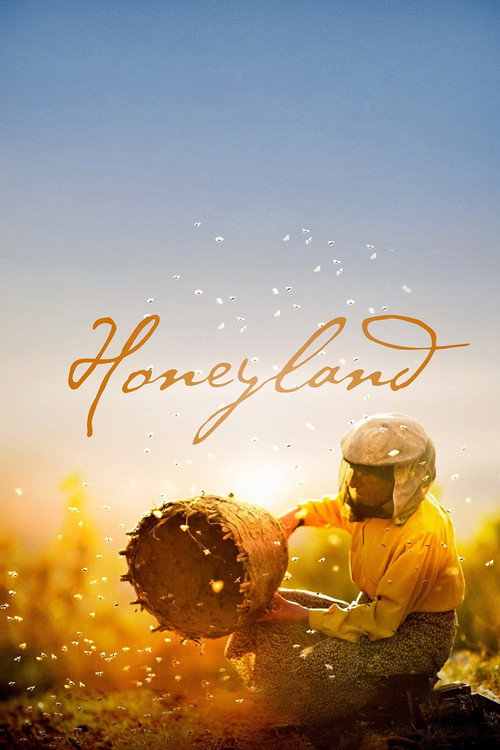
Honeyland2019
Follows an elderly Macedonian beekeeper fighting to preserve traditional practice against commercial pressure. Shot with documentary patience but cinematic grace. Quiet, meditative, powerful.
But Deliberately slow. Minimal plot. Asks you to sit with observation rather than offering narrative propulsion or clear resolutions.
Guardians of the Galaxy2014
Colombian environmental activists become targets for their defense of the Pacific rainforest and its Indigenous communities. Tense, humanizing, shows how conservation is inseparable from social justice.
But Lower production value than major releases. Harder to find. Darker ending than you might want after investing in these people.
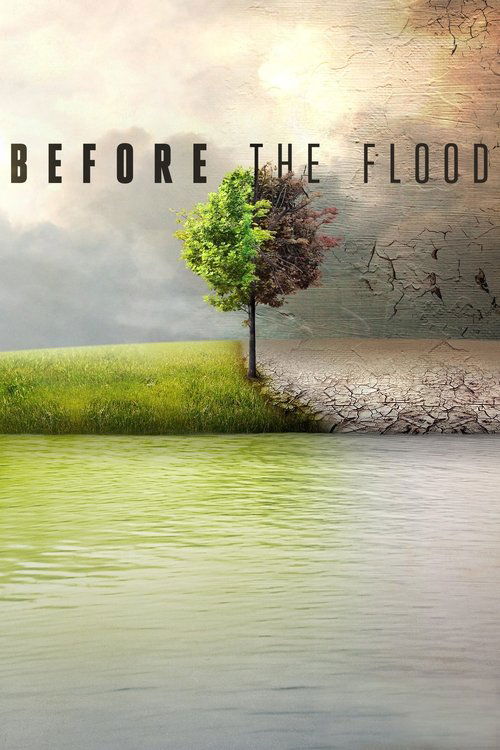
Before the Flood2016
DiCaprio travels the world documenting climate change through science, politics, and frontline stories. Accessible, visually compelling, connects local devastation to global systems.
But Celebrity presence can feel like it's centering the messenger. Sometimes prioritizes scale over specificity—tries to cover everything and commits fully to nothing.
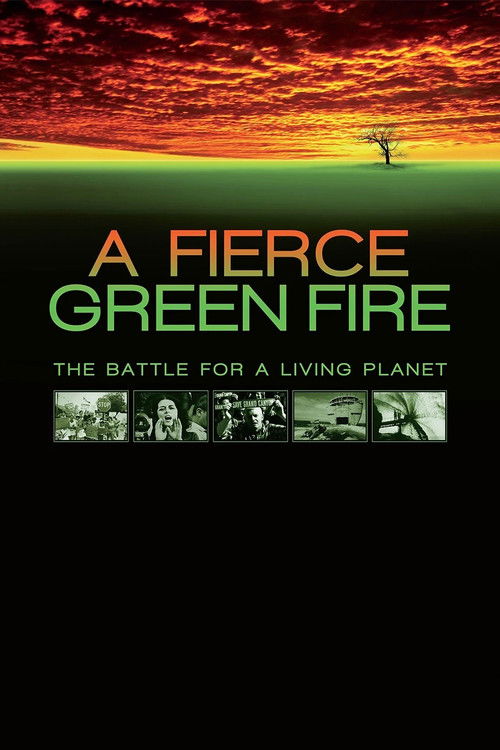
A Fierce Green Fire2013
Traces fifty years of environmental activism from Rachel Carson to today, weaving archival footage with contemporary documentary. Historical sweep, genuine passion, shows how movements build.
But Encompasses so much that nothing gets full depth. Can feel like an illustrated lecture rather than lived experience.
The Act of Killing2012
Both use documentary form to examine power's relationship to land and survival, but The Act of Killing inverts the perspective: it's about perpetrators confronting what they've done, while The Territory is Indigenous people refusing erasure. Together they map how documentary can examine complicity and resistance from opposite angles.
Directs Indonesian death-squad executioners to reenact their own atrocities as if filming a movie. Philosophical, unsettling, brilliant—asks how perpetrators narrate themselves and what happens when you make them see it.
But Deeply disorienting and morally vertiginous. The form can feel like it's giving a platform to monsters. Some will argue it indulges rather than interrogates.

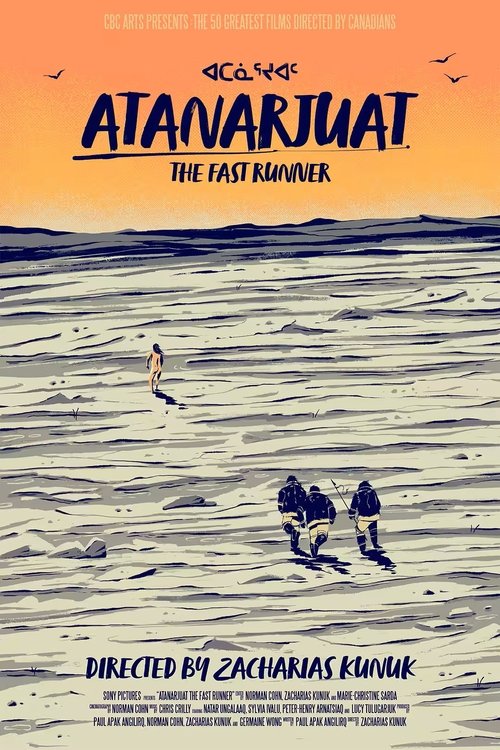
Atanarjuat: The Fast Runner2002
The Territory shows Indigenous self-determination *now*, in crisis and struggle. Atanarjuat shows Indigenous cinema as its own tradition—myth, aesthetics, language, authority—refusing the documentary mode entirely. Together they argue that Indigenous voice and vision don't require permission or explanation.
Directed by and starring Inuit filmmakers, it's a myth-epic told in Indigenous Inuktitut language about survival, injustice, and community resilience. Formally ambitious, visually stunning, rooted in Inuit storytelling rather than Western narrative. A cinema you've rarely seen.
But Nearly two hours, dialogue entirely in a language you don't speak. The pacing is deliberately unhurried. Demands patience and unfamiliarity from viewers used to subtitled expediency.
People
Cast
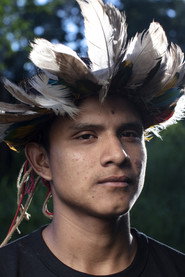
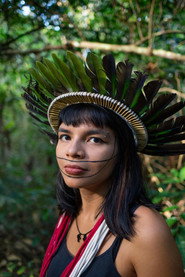 Txai SuruíSelf
Directing
- Alex PritzDirector
Production
- Anonymous AnonymousCo-Executive Producer
- Tangãi Uru-eu-wau-wauCo-Executive Producer
- Tejubi Uru-eu-wau-wauCo-Executive Producer
- Alexandra JohnesExecutive Producer
- Andrew RuhemannExecutive Producer
- Ari HandelExecutive Producer
- Brendan NaylorExecutive Producer
- Bryn MooserExecutive Producer
- Danfung DennisExecutive Producer
- Dylan GoldenExecutive Producer
- Felipe EstefanExecutive Producer
- Justin LacobExecutive Producer
- Kathryn EverettExecutive Producer
- Loren HammondsExecutive Producer
- Philippe LevasseurExecutive Producer
- Rafael Georges da CruzExecutive Producer
- Rebecca TeitelExecutive Producer
- Romain BessonExecutive Producer
- Txai SuruíExecutive Producer
- Alex PritzProducer
- Darren AronofskyProducer
- Gabriel UchidaProducer
- Lizzie GillettProducer
- Sigrid DyekjærProducer
- Will N. MillerProducer