
Film
The Wizard of Gore
A 1970 splatter film about a TV host investigating a stage magician whose grotesque illusions blur the line between hypnotic performance and actual violence. It's deliberately trashy, cheap-looking, and gorgeously deranged—a film more interested in the texture of gore and the pleasure of transgression than narrative coherence. For people who love horror that feels genuinely unsafe.
If you liked this
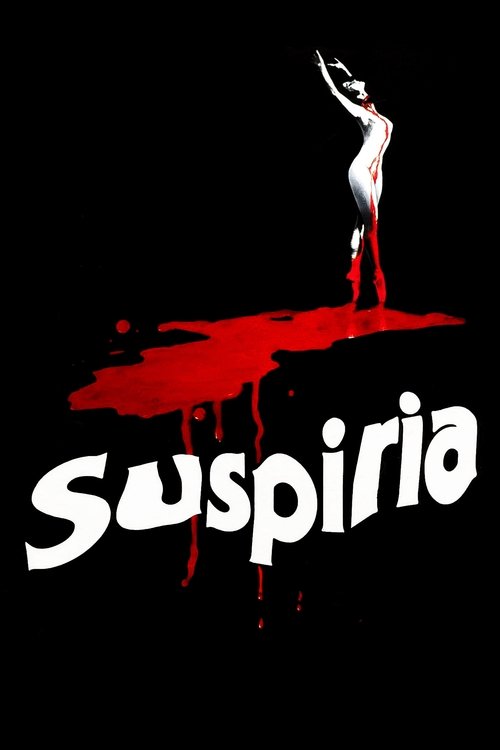
Suspiria1977
Argento's masterpiece of pure visual dread: a ballet academy concealing a witch's coven. Like The Wizard of Gore, it prioritizes atmosphere and nightmare logic over plot, creating horror through color, sound, and the accumulation of wrongness.
But The plot is deliberately vague and dream-logic feels frustrating if you want narrative clarity. Some find the synthesizer score dated rather than atmospheric.
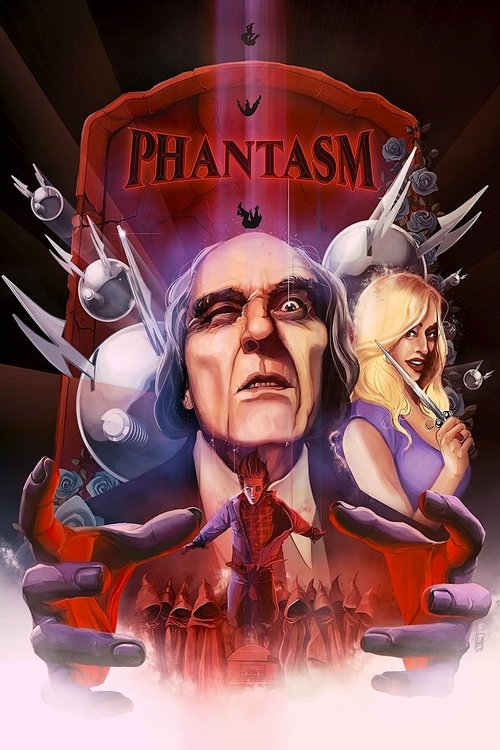
Phantasm1979
A low-budget nightmare about a funeral home and an interdimensional killer. Shares The Wizard of Gore's commitment to pure strangeness, practical effects, and an unsettling dreamscape that defies explanation.
But The pacing is slow and oblique. Rewarding if you surrender to its logic, but punishing if you resist.
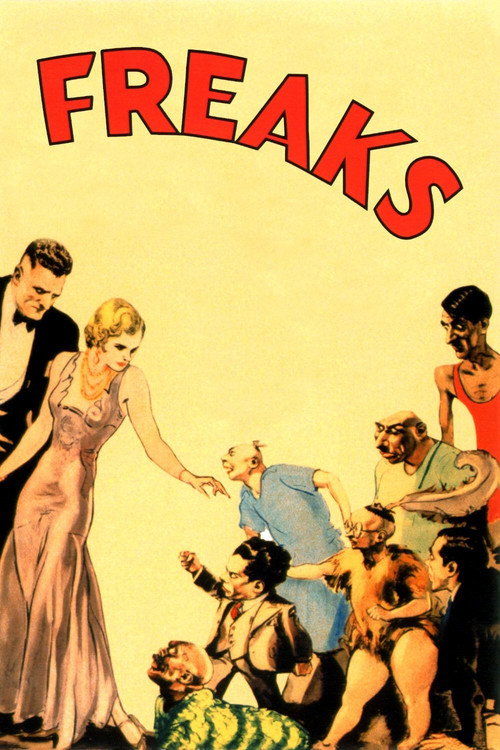
Freaks1932
Browning's carnival-set masterpiece where sideshow performers reveal themselves as more human than the able-bodied 'normals.' Shares an obsession with staged spectacle and the moral corruption hiding behind entertainment.
But The sympathetic portrayal of disabled performers can be mistaken as exploitation, though it's actually the opposite. Very slow by modern standards.
Not sure tonight? Get a pick in a minute, starting from The Wizard of Gore
The wildcard
Something you would not have found on your own.
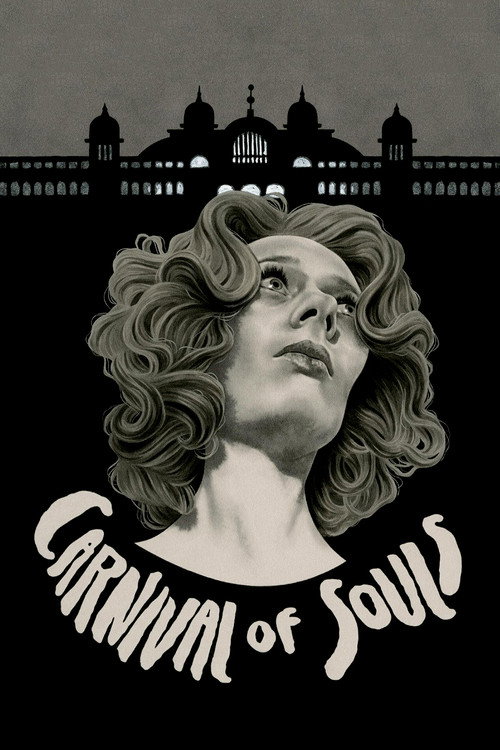
Carnival of Souls1962
Both use abandoned carnival and performance spaces as the literal manifestation of psychological horror. Both are more interested in creating mood and wrongness than in narrative logic.
A woman survivors a car crash and discovers she's become invisible to the world, drawn toward a carnival pavilion. It's The Wizard of Gore's spiritual ancestor—shot on a shoestring, obsessed with performance spaces, and possessed by genuine dread that transcends its budget.
But Made in 1962, so the pace is glacial and the acting is stiff. The image quality feels degraded on any transfer. Requires patience with mid-century horror rhythms.
More like this (8)
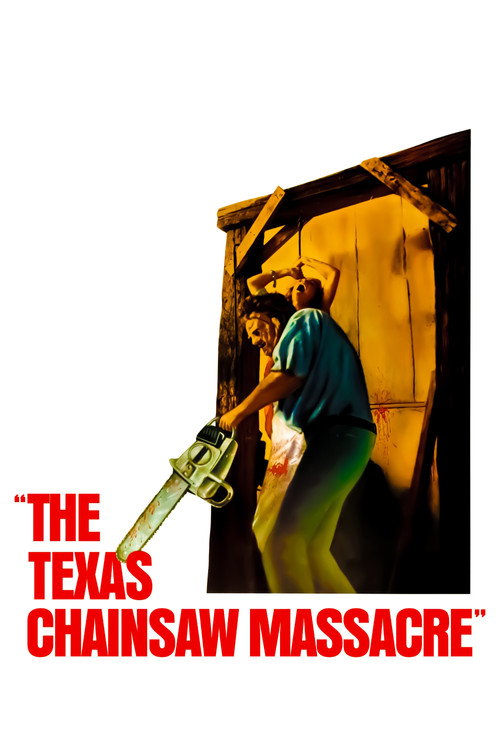
The Texas Chain Saw Massacre1974
Relentless, claustrophobic, and structured like a nightmare you can't wake from. Both films use minimal resources to create maximum dread and understand that what you imply is scarier than what you show.
But Nearly plot-free and deliberately paced to induce anxiety. If you watch horror for comfort, this offers none.
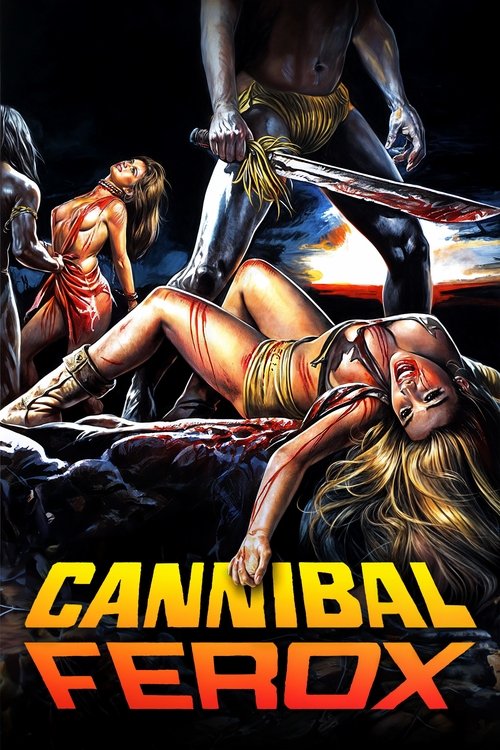
Cannibal Ferox1981
Italian cannibal exploitation at its most audacious and grotesque. Shares The Wizard of Gore's transgressive spirit and willingness to make the audience complicit in something ugly.
But Contains real animal violence (a genuine content warning). The plot exists only as scaffolding for shocking set pieces.
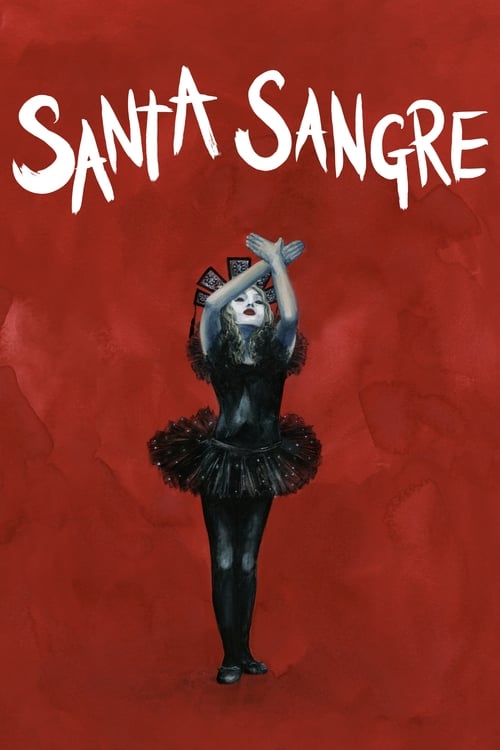
Santa Sangre1989
Jodorowsky's most accessible surrealist nightmare: a man and his armless mother reenact ritualistic horrors. Matches The Wizard's blend of carnival atmosphere, psychological violation, and the blurring of performance and reality.
But Extremely strange and dreamlike; requires patience and tolerance for Jodorowsky's maximalist symbolism. Not for literal-minded viewers.
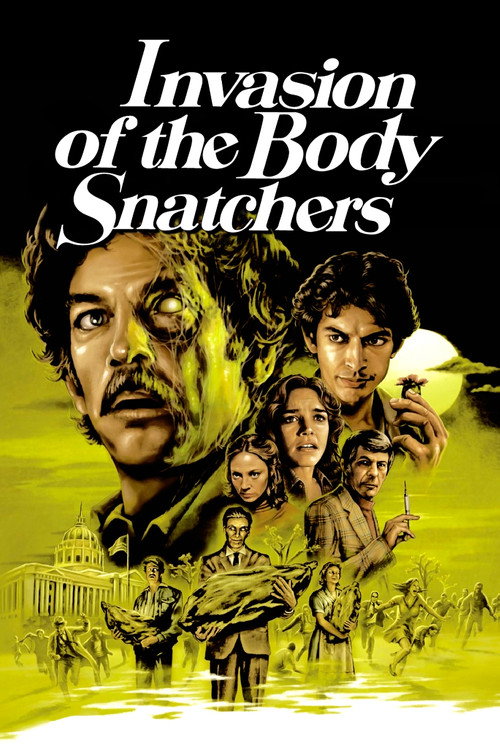
Invasion of the Body Snatchers1978
Carpenter's paranoid masterpiece about identity erasure and conformity. Both films weaponize performance and perception; both ask what horror hides beneath the surface of everyday life.
But Slower in the first half than fans expect. The ending is bleak in a way that some find unsatisfying rather than powerful.
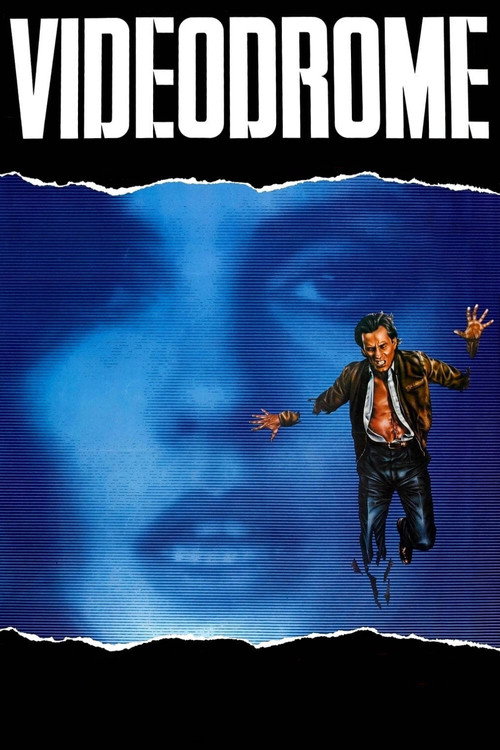
Videodrome1983
Cronenberg's fever dream about media, desire, and the corruption of the body. Matches The Wizard's fascination with spectacle, hypnosis, and the permeability between mind and physical reality.
But Deliberately confusing and ambiguous about what's real. The body horror is sustained and occasionally nauseating.
The Wailing2016
A Korean horror film that interrogates faith, certainty, and the impossibility of knowing truth. Shares The Wizard's refusal to offer easy answers and its interest in how performance and perception warp reality.
But Nearly three hours long and deliberately withholding. Requires close attention and tolerates multiple interpretations rather than resolving neatly.

Possession1981
Both are transgressive works that sacrifice conventional narrative for pure sensation and the transgression of taboo. Both believe that grotesque excess is a valid form of expression.
Zulawski's deranged Berlin-set descent into marital breakdown and Lovecraftian tentacle horror. Like The Wizard of Gore, it's trashy, grotesque, and entirely uninterested in restraint—a masterpiece of chaos.
But Genuinely incoherent and exhausting to watch. The violence is brutal and the acting oscillates between brilliant and embarrassing. It's unpleasant by design.

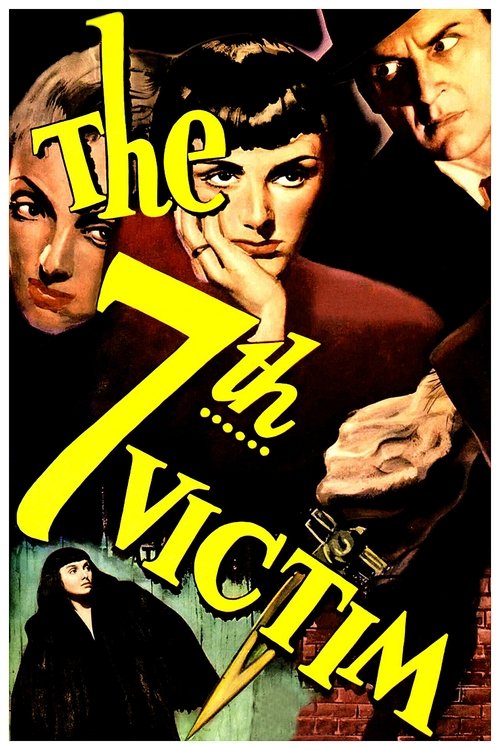
The Seventh Victim1943
Both prioritize mood and transgression over narrative satisfaction. Both understand that urban spaces can be labyrinthine and threatening. Both were marginal films at the time but are now recognized as authentic horror art.
An RKO B-picture about a woman searching for her missing sister in a New York controlled by a satanic suicide cult. Made in 1943, it's a low-budget horror ancestor to The Wizard—all suggestion and atmosphere, unconcerned with plot plausibility.
But Made in the 1940s, so extremely slow and restrained by modern standards. The ending is deliberately anticlimactic. It will feel obscure and difficult if you're accustomed to contemporary horror.
People
Cast
 Ray SagerMontag the Magnificent
- Judy ClerSherry Carson
- Wayne RatayJack
- Phil LaurensonGreg
- Jim RauSteve
- Don AlexanderDet. Kramer
- John ElliotDet. Harlan
- Karin AlexanaStage Girl #1 - Chainsaw Victim
- Corinne KirkinStage Girl #2 - Headpike Victim
- Monica BlackwellStage Girl #3 - Punchpress Victim
- Sally BrodyStage Girl #4 - Sword Victim
- Karen BurkeStage Girl #5 - Sword Victim
Directing
- Allison Louise DowneAssistant Director
- Herschell Gordon LewisDirector
Writing
- Allen KahnWriter
Production
- Fred M. SandyExecutive Producer
- Herschell Gordon LewisProducer