
Film
Cannibal Apocalypse
- Horror
- Serial killer
- Very dark
A visceral 1980 Italian-American exploitation film where Vietnam trauma manifests as literal cannibalism. John Saxon leads a cast through grimy 70s-inflected urban horror, mixing splatter effects with genuine unease about war's psychological damage. Uneven but unforgettable—for viewers who prize transgression and practical gore over narrative polish.
Should you watch it?
Watch it if you like your Italian splatter with a grimy, Vietnam-haunted edge and don't mind gore that treats the body as cheap, sticky theatre.
Skip it if you want a tight, plausible thriller, since the plot is a loose excuse for escalating set pieces and the logic frays fast.
What it asks of you: Ninety-six minutes of grubby, unhurried build-up in which dread is mostly carried by the camera lingering on faces, then sudden, messy bursts of violence.
Not sure? Find tonight's pick in a minute.
If you liked this
Raw2017
A French film about a vegetarian student who tastes meat and develops an appetite for human flesh. Cannibal Apocalypse's concept, refined through a different cultural lens and sexual awakening metaphor—visceral, darkly funny, and genuinely unsettling.
But Art-house pacing and ambiguity may frustrate viewers wanting clear answers. The final act is deliberately incomplete rather than resolved.

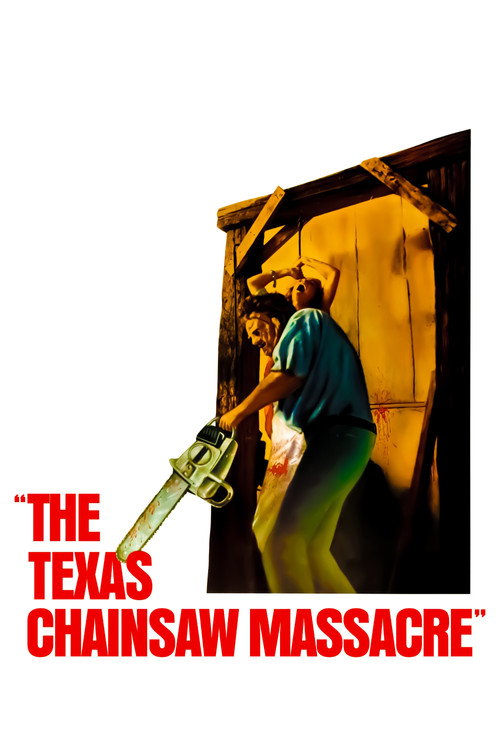
The Texas Chain Saw Massacre1974
Gritty, low-budget American horror that shares Cannibal Apocalypse's willingness to depict primal transgression without glamour. Both films prioritize dread and practical effects over narrative comfort.
But The visceral approach to violence hasn't aged into 'fun' territory—it's still meant to disturb rather than thrill.
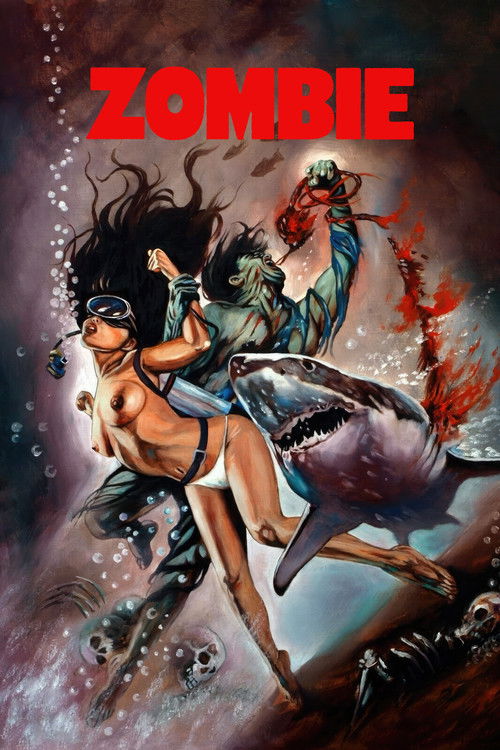
Zombie Flesh Eaters1979
Lucio Fulci's Italian splatter masterpiece with similar Euro-horror DNA, practical Gore FX, and complete narrative disinterest in realistic logic. Hypnotic in its weird, dreamlike construction.
But Pacing is glacial by modern standards. If you need plot momentum, you'll find yourself watching a slide show of grotesque tableaux.
Not sure tonight? Get a pick in a minute, starting from Cannibal Apocalypse
The wildcard
Something you would not have found on your own.
Come and See1985
Both films argue that war doesn't just change soldiers—it revokes their humanity. One uses cannibalism as literal metaphor; the other shows the same degradation through artillery and mud.
Elem Klimov's devastating Soviet film follows a boy through WWII's eastern front brutality. Like Cannibal Apocalypse, it depicts how war transforms humans into something unrecognizable—but trades exploitation for unflinching documentary realism. Incomparably powerful.
But This is not entertainment. It's a war crimes record designed to wound. Most viewers will find it exhausting rather than cathartic, and rewatching is almost impossible.

More like this (8)
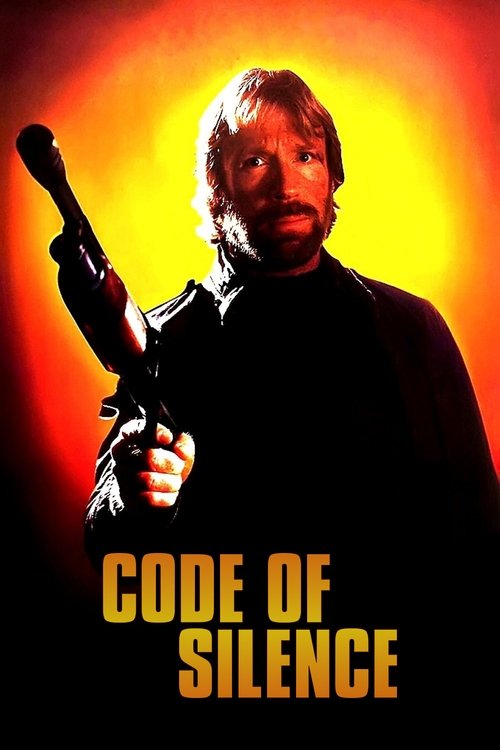
Code of Silence1985
Chuck Norris vehicle that shares the Vietnam-trauma-returns-home conceit but from a vigilante-justice angle. Similar era, similar urban grittiness, less body horror but more action.
But Vastly more conventional. If you want Cannibal Apocalypse's transgressive edge, this trades it for competent action-thriller formula.
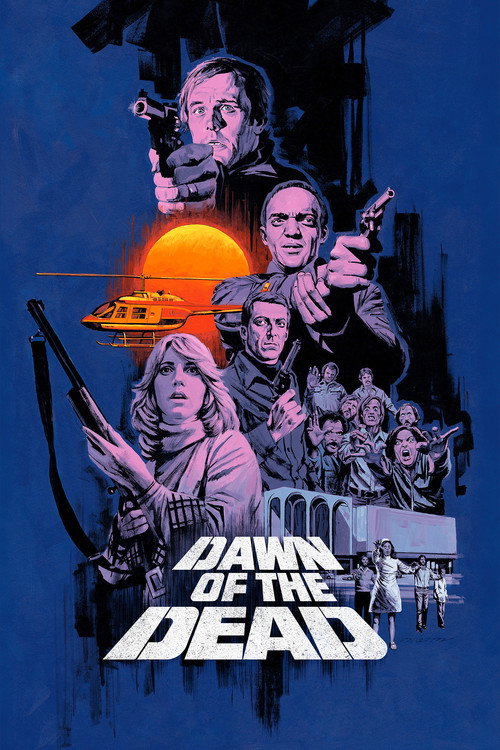
Dawn of the Dead1978
Romero's second zombie film uses monsters as a mirror for consumerism. Like Cannibal Apocalypse, it blends exploitation excess with pointed social commentary, just with more satirical swagger.
But Long and deliberately paced—Romero expects you to sit with discomfort rather than giving you quick catharsis.
Possession1981
Andrzej Żuławski's fever dream of marital breakdown and body horror. Shares Cannibal Apocalypse's commitment to depicting psychological damage through grotesque physicality and European sensibility.
But Abrasive and deliberately incoherent. If you need a film to make conventional sense, this will feel like narrative sabotage.

The Wailing2016
Korean horror that uses cannibalism and disease as metaphors for infection—spiritual, social, moral. Methodical and hypnotic where Cannibal Apocalypse is frantic, but equally preoccupied with violation and corruption.
But Nearly three hours. Requires genuine patience and tolerance for ambiguity; the ending refuses to confirm what you think you've learned.

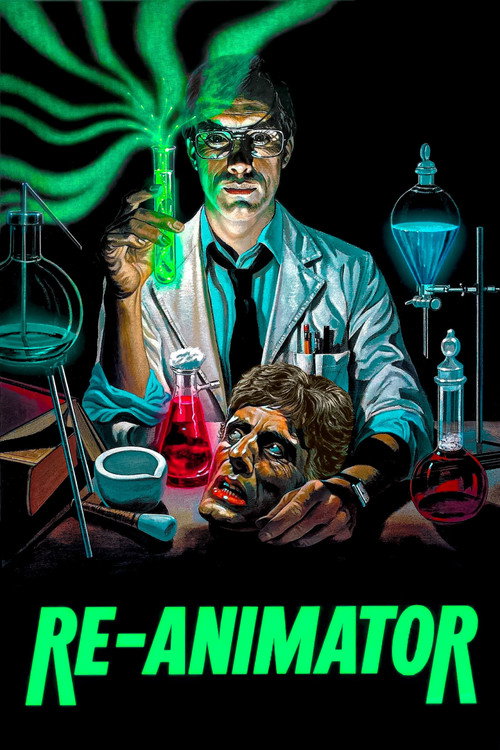
Re-Animator1985
Stuart Gordon's adaptation of Lovecraft channels similar transgressive glee and practical gore effects. Campy but committed, with Jeffrey Combs delivering the kind of unhinged commitment John Saxon brings here.
But Leans into grotesque comedy. If you want your horror played straight, the tonal whiplash might undercut the disturbing moments.
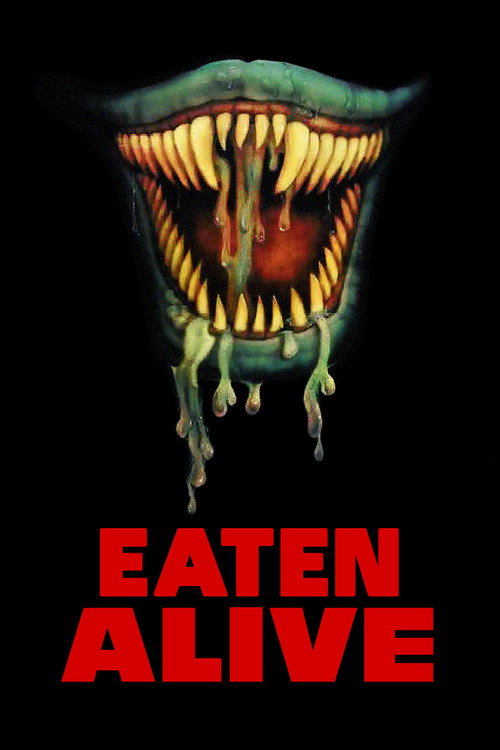
Eaten Alive1976
Tobe Hooper's cannibalistic grotesquerie set in a Louisiana swamp motel. Same era, same willingness to be genuinely discomfiting, practical effects used to document depravity rather than entertain.
But Narratively scattered and psychologically murky in ways that feel more like incompetence than artistic choice. Drags without building momentum.
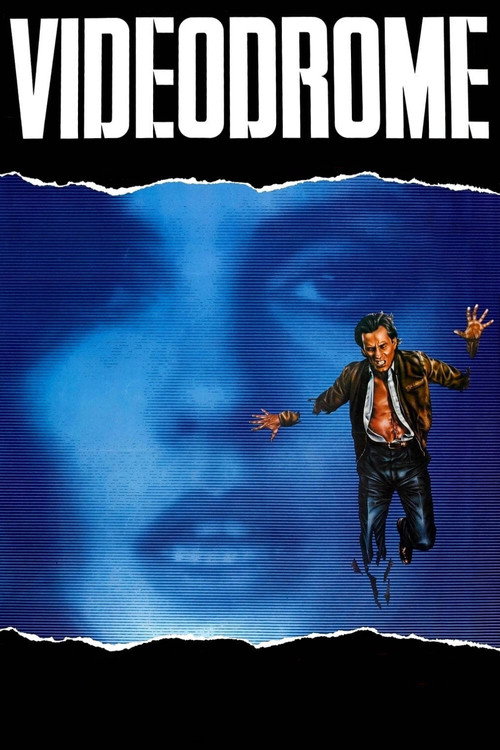
Videodrome1983
Both films weaponize the body as an expression of corruption. In Cannibal Apocalypse, war infects the appetites; in Videodrome, media infects the sensorium. The weapon changes, the violation stays.
Cronenberg's media-virus nightmare: a man consumes increasingly transgressive video content and loses the boundary between real and hallucinated. Cannibalism as information disease rather than hunger. Conceptually much denser, visually even more grotesque.
But Deliberately incoherent—Cronenberg wants you lost. If narrative clarity matters to you, this will feel aggressively obtuse rather than artfully mysterious.
A Prophet2009
Both use captivity and violence as origin stories for appetites that can't be sated. Where Cannibal Apocalypse shows literal hunger, A Prophet shows hunger for power, respect, survival. The appetite is always the point.
Jacques Audiard's prison drama traces how confinement and trauma transform a young man into a predator. Gritty, contemporary French cinema examining how humans become monstrous through systems. Far more narratively coherent than Cannibal Apocalypse but equally committed to showing corruption as irreversible.
But Nearly 2.5 hours of prison politics and slow psychological decay. If you want horror's visual transgression, you'll find only social realism—intelligent but austere.

People
Cast
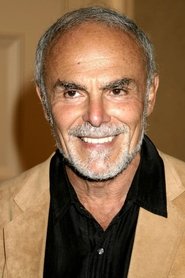 John SaxonNorman Hopper
 Elizabeth TurnerJane Hopper
 Giovanni Lombardo RadiceCharlie Bukowski

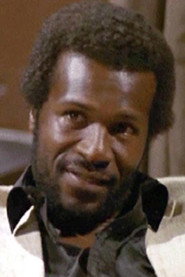 Tony KingTom Thompson
- Wallace WilkinsonCaptain McCoy
 May HeatherlyHelen
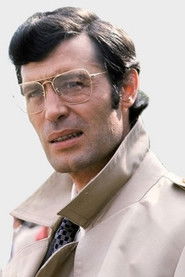 Ramiro OliverosDr. Phil Mendez
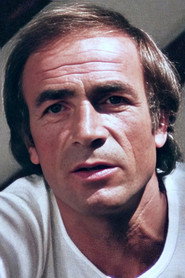 Venantino VenantiniLieutenant Hill
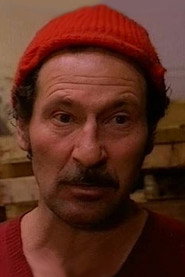 Renzo PevarelloHospital Assistant
 Walter PatriarcaMr. Philipps, Jane Hopper's guest at TV Station (uncredited)
- John GerosonPoliceman
Directing
- Antonio MargheritiDirector
Writing
- Antonio MargheritiScreenplay
- Dardano SacchettiScreenplay
- Dardano SacchettiStory
Production
- Sylvia MaysCasting
- Edmondo AmatiProducer
- Maurizio AmatiProducer
- Sandro AmatiProducer
- Louis PierceProduction Manager