
Film
Dawn of the Dead
George Romero's mall-set sequel to Night of the Living Dead turns the zombie siege into pitch-black satire: consumerism as a coping mechanism, gore as punchline, dread as background hum beneath Muzak. It's slower and funnier than most horror expects to be, more interested in what people do with abundance than in jump scares. For anyone who wants their horror to actually mean something.
If you liked this
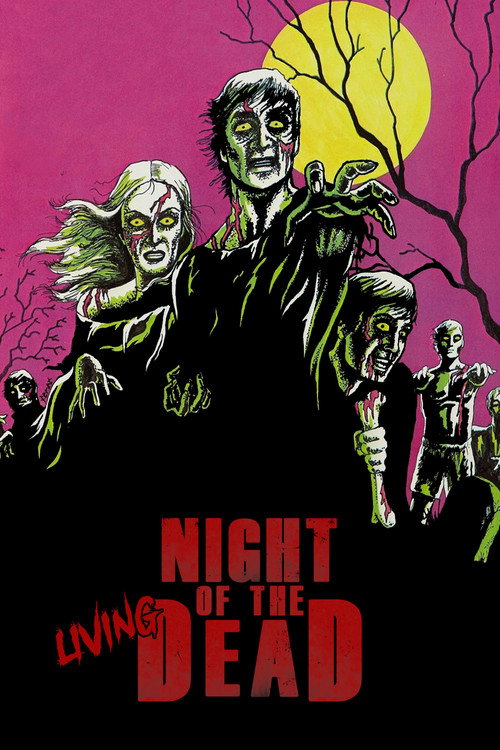
Night of the Living Dead1968
This is where it all started—the black-and-white original that invented the modern zombie and set the template Romero would refine in the mall. Stark, cheap, and still unnervingly effective.
But The pacing and low-budget seams show its age, and some effects read as quaint rather than scary now.
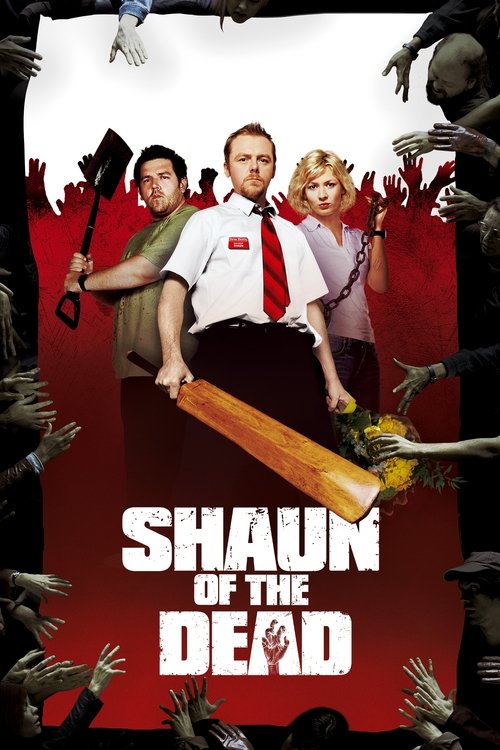
Shaun of the Dead2004
Edgar Wright's affectionate genre pastiche turns the zombie siege into a hangover comedy about mates, pubs, and inertia, proving the barricaded-refuge idea works just as well at a corner shop.
But If you want your zombies played entirely straight, the constant jokes might undercut the dread you came for.
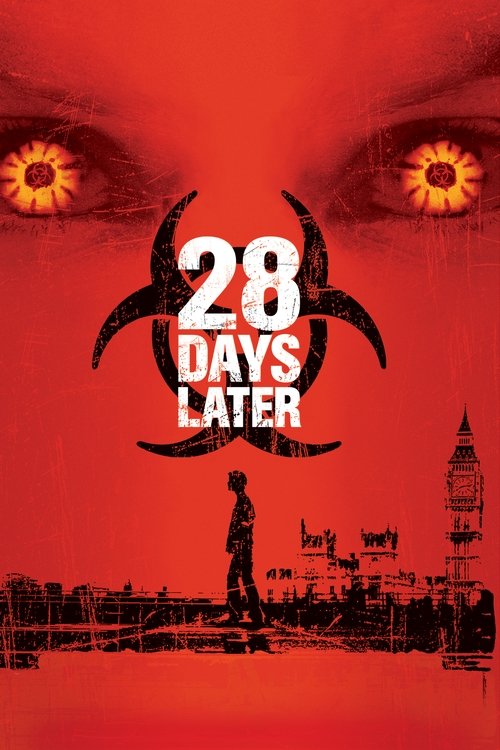
28 Days Later2002
Danny Boyle reinvented the genre for a jumpier era, swapping shopping-mall stasis for sprinting chaos and turning Britain into an eerily empty wasteland.
But The rage-virus sprinters are a different animal from Romero's shamblers, so the slow dread is mostly gone.
The wildcard
Something you would not have found on your own.
White Zombie1932no page yet
Every mall-shambler in Dawn traces back to this: the zombie as a figure of stolen will and colonial anxiety, before Romero turned it into a mirror for consumer society.
The first-ever zombie feature, decades before Romero, drenched in Caribbean folklore and hypnotic dread, with Bela Lugosi at his most sinister—slow and strange rather than gory.
But Its pace is glacial and its colonial-era politics haven't aged well; this is history, not thrills.
More like this (8)
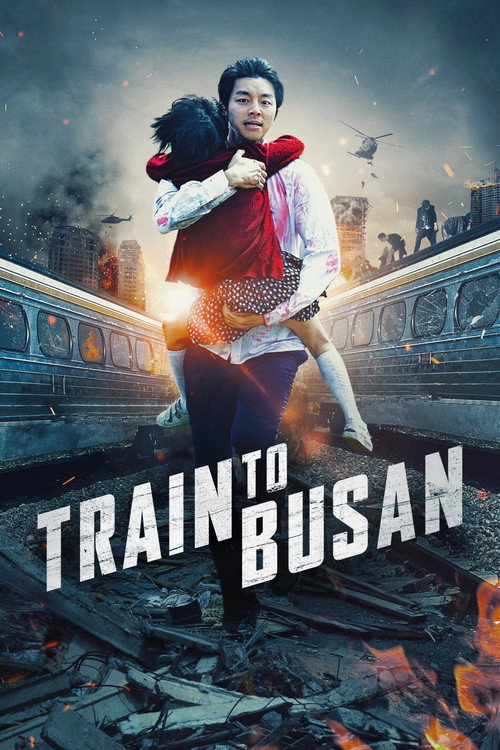
Train to Busan2016
A speeding train replaces the mall as the trapped setting, and the class commentary is just as sharp, wrapped in propulsive, genuinely moving action.
But Subtitled and unabashedly emotional—bring tissues, not just popcorn.
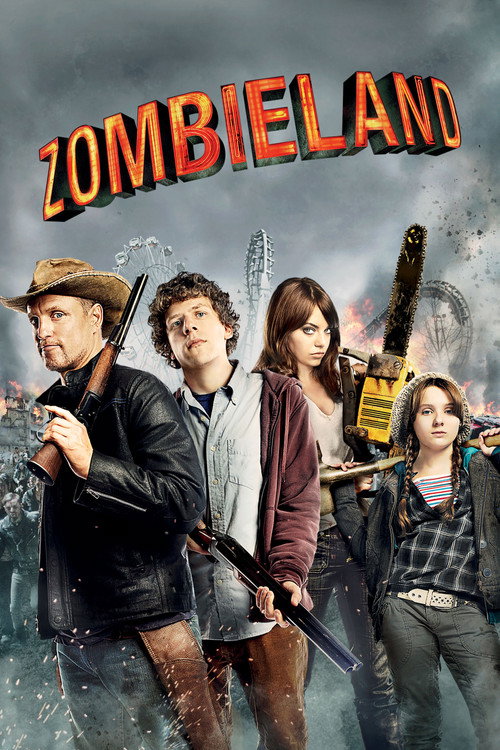
Zombieland2009
Broad, gleeful, quotable American zombie comedy that treats the apocalypse as an amusement park, with rules, road trips, and a gonzo cameo you won't forget.
But It trades every ounce of Romero's social bite for pure entertainment, which might feel thin afterward.
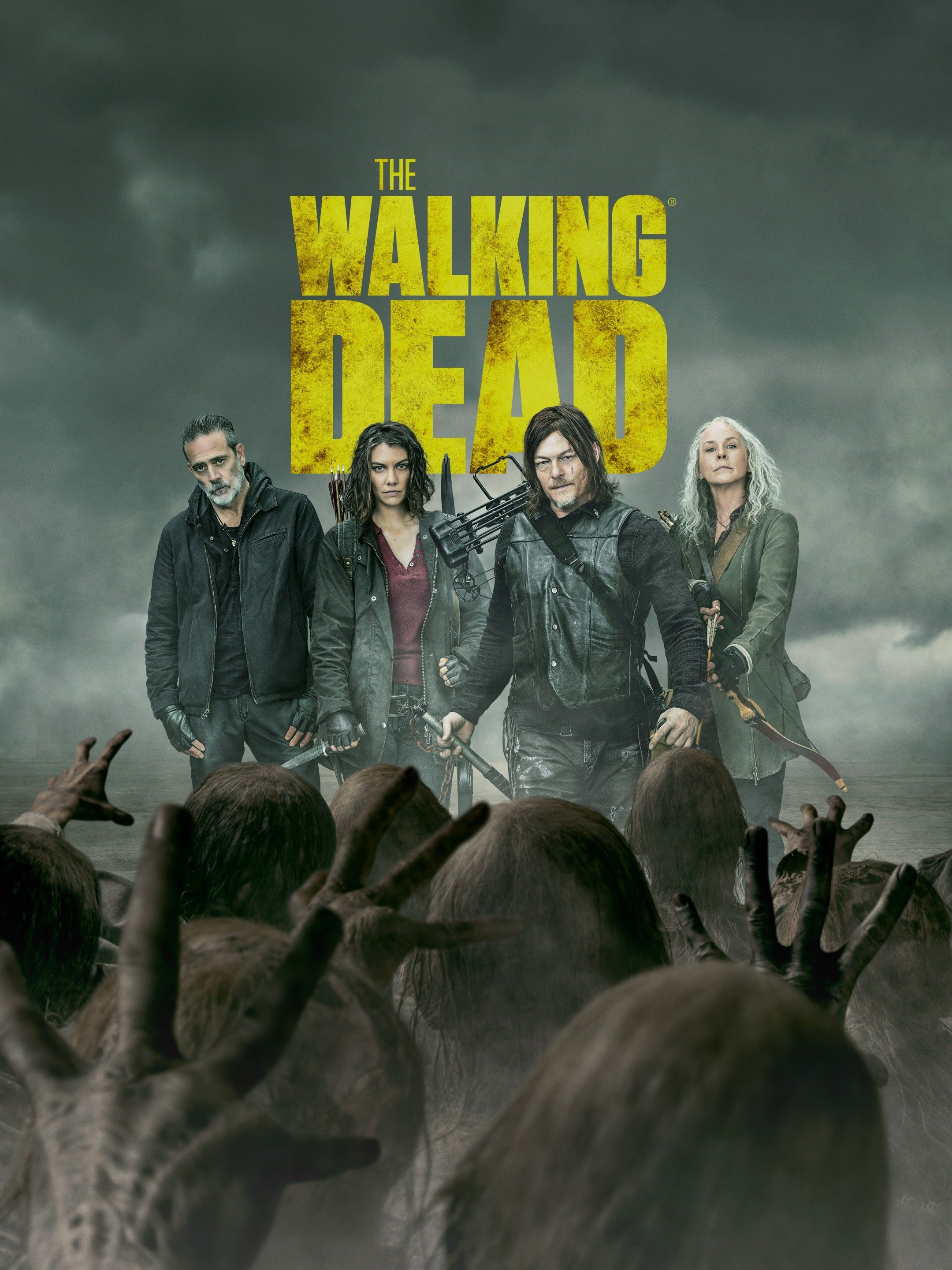
The Walking Dead2010
The show that proved Romero's slow-burn survivalist dread could sustain a decade of television, stretching the mall's claustrophobia into whole seasons of shifting shelters and communities.
But It runs long, sags badly in places, and the later seasons test even devoted fans' patience.
Day of the Dead1985no page yet
Romero's own underground sequel, grimmer and gorier, trading the mall for a bunker and asking harder questions about who's really the monster.
But It's bleaker and more claustrophobic, with less of the dark comic energy that made Dawn so much fun.
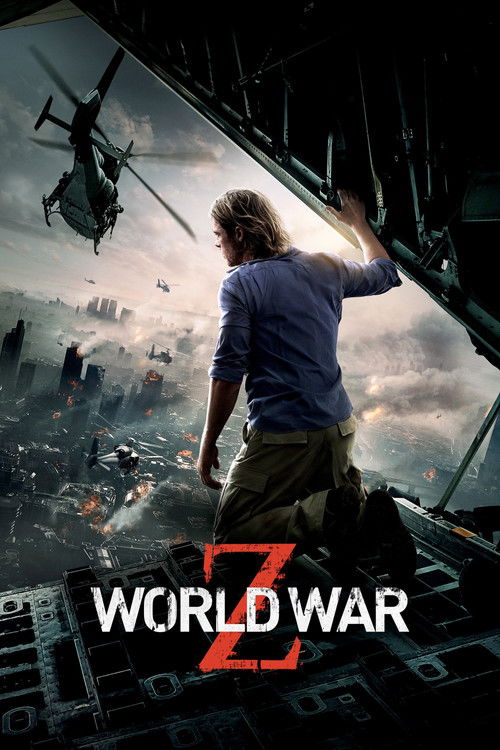
World War Z2013
Big, glossy, globe-trotting blockbuster take on the outbreak, for when you want spectacle and scale rather than mall-bound intimacy.
But Sanitised and PG-13, it swaps satire and gore for CGI crowds and studio polish.
The Return of the Living Dead1985no page yet
Punky, splattery, very funny riff on the genre that leans hard into the comedy and gore Romero only hinted at, with zombies that talk and run.
But It's deliberately trashier and campier—no social subtext, just gleeful chaos.
The American Nightmare2000no page yet
It explains exactly why Dawn of the Dead is really about American disillusionment and consumerism, not just gore.
A sharp documentary that puts Romero and his peers in context, showing how Vietnam, Watergate and racial unrest curdled into the horror films of the 70s.
But It's a talking-heads doc, not a story—illuminating rather than entertaining in its own right.
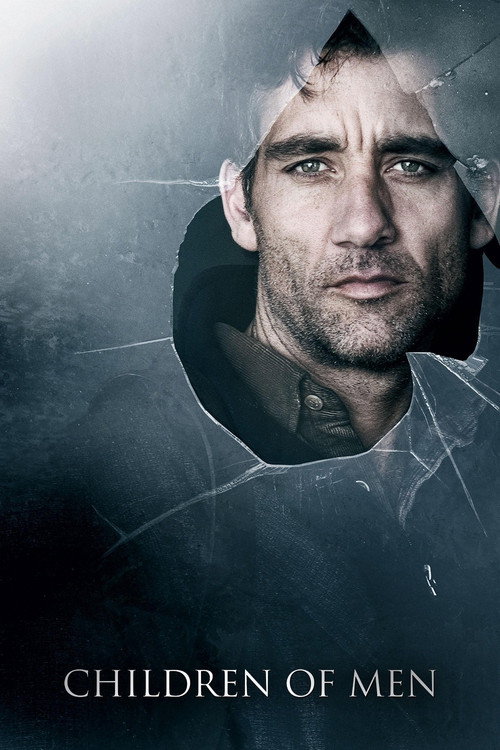
Children of Men2006
Same structure as Dawn—a handful of people sheltering amid a dying world—but played entirely straight, showing what the siege looks like stripped of satire and humor.
A quieter, more devastating vision of societal collapse—no zombies, just humanity's slow unraveling, filmed with unbearable tension and long unbroken takes.
But It's a drama, not a horror film, and its grief is real rather than cathartic—don't expect gore or jump scares.
People
Cast
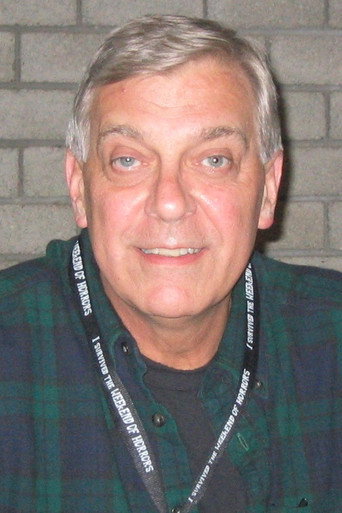 David EmgeStephen "Flyboy" Andrews
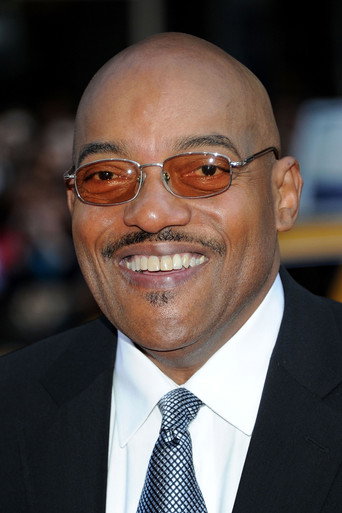 Ken ForeePeter Washington
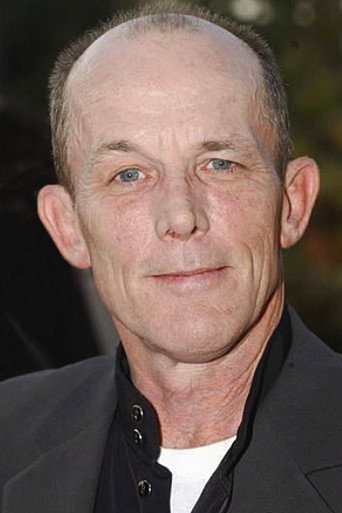 Scott H. ReinigerRoger "Trooper" DeMarco
 Gaylen RossFrancine "Fran" Parker
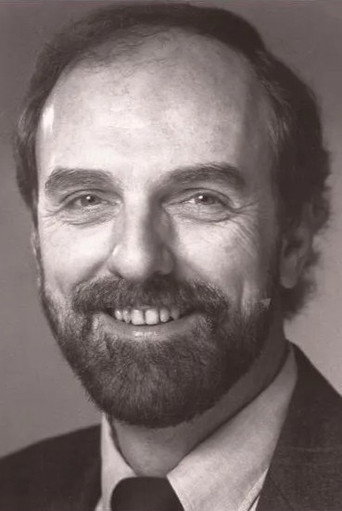 David CrawfordDr. James Foster
 David EarlySidney Berman
 Richard FranceDr. Milliard Rausch
 Howard SmithTV Commentator
 Daniel DietrichDan Givens
 Fred BakerPolice Commander
 James A. BafficoWooley
 Rod StoufferRoy Tucker
Directing
- Christine ForrestAssistant Director
- John RiceContinuity
- George A. RomeroDirector
Writing
- George A. RomeroScreenplay
- Dario ArgentoScript Consultant
Production
- John AmplasCasting
- Ellen HopkinsCasting Assistant
- Michael LiesCasting Assistant
- Dario ArgentoCo-Producer
- Alfredo CuomoProducer
- Claudio ArgentoProducer
- Richard P. RubinsteinProducer
- Donna SiegelProduction Assistant
- Frank A. SerraoProduction Driver
- Zilla ClintonProduction Manager
- Jay StoverUnit Manager
Recommended by
Assault on Precinct 13, Dead Set, Night of the Living Dead, The Last Man on Earth