Television series
Three of a Kind
- Comedy
- Light-hearted
- Dip in and out
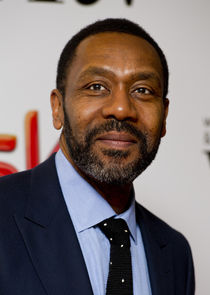
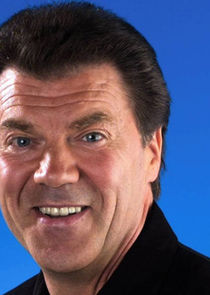
A BBC sketch comedy with Tracey Ullman, Lenny Henry, and David Copperfield trading characters, impressions, and anarchic scenarios across three series. It's anarchic, energetic, and gloriously unpolished—the kind of show where the edges showing is part of the charm. Essential viewing if you love comedy that swings for the fences.
If you liked this
Saturday Night Live1975
The obvious American counterpart: sketch-driven, live energy, rotating cast of hosts and performers. Same DNA of random scenarios and character work, built on the same premise that anything might work if you commit hard enough.
But Wildly uneven week to week. Some sketches are five minutes too long. The live element sometimes means technical chaos instead of charming chaos.
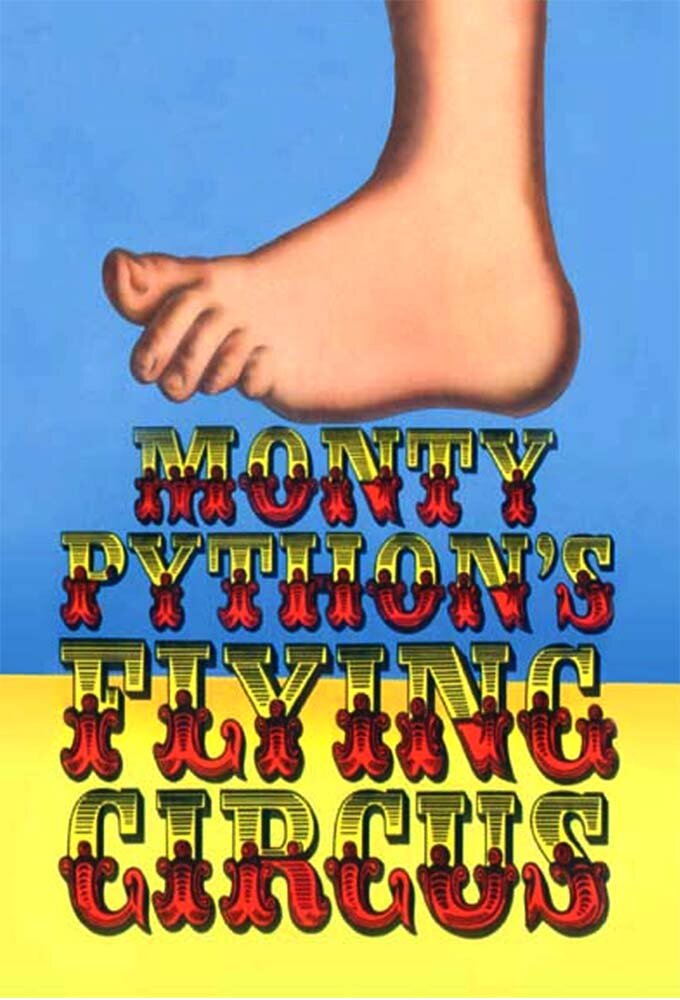
Monty Python's Flying Circus1969
The spiritual ancestor: anarchic British sketch comedy that prizes absurdity and inventiveness over punchlines. Both shows believe the funniest thing is surprise and commitment to a bit, no matter how weird.
But The Pythons are more surreal, less grounded. If you want comedy with structure, this isn't it for either show.
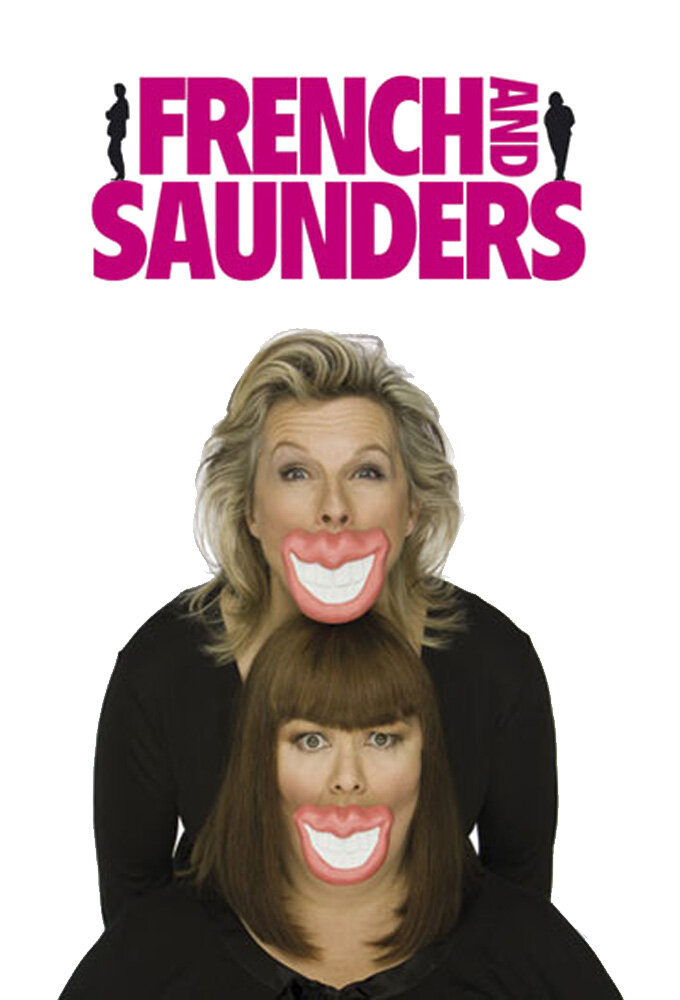
French and Saunders1987
Tracey Ullman's comedic descendants doing character work and parody with the same fearlessness. Fast-paced sketches, brilliant impressions, and a willingness to demolish celebrities and conventions.
But By the time it aired, sketch comedy had tightened up technically. It's slicker than Three of a Kind, which some find less fun.
Not sure tonight? Get a pick in a minute, starting from Three of a Kind
The wildcard
Something you would not have found on your own.
Singin' in the Rain1952
Both works understand that comedy comes from committed performance of character, not punchlines. Three of a Kind is Singing in the Rain's sketch-comedy descendant, built on the same idea that you can make scenes funny through physicality and commitment.
Gene Kelly, Donald O'Connor, and Debbie Reynolds doing physical comedy, character work, and showmanship in every frame. The commitment to bit-playing and the chaotic energy of a musical built on sketches and routines strung together.
But It's a 1952 MGM musical, not a BBC sketch show. If you want comedians doing impressions, this isn't it—it's actors doing physical performance.

More like this (6)
The State1994
American sketch show with the same ensemble energy and commitment to characters that live across multiple sketches. Young, hungry performers finding weird chemistry and running with concepts until they break.
But Nineties American production values and sensibility. It's fundamentally different in texture, even if the bones are similar.
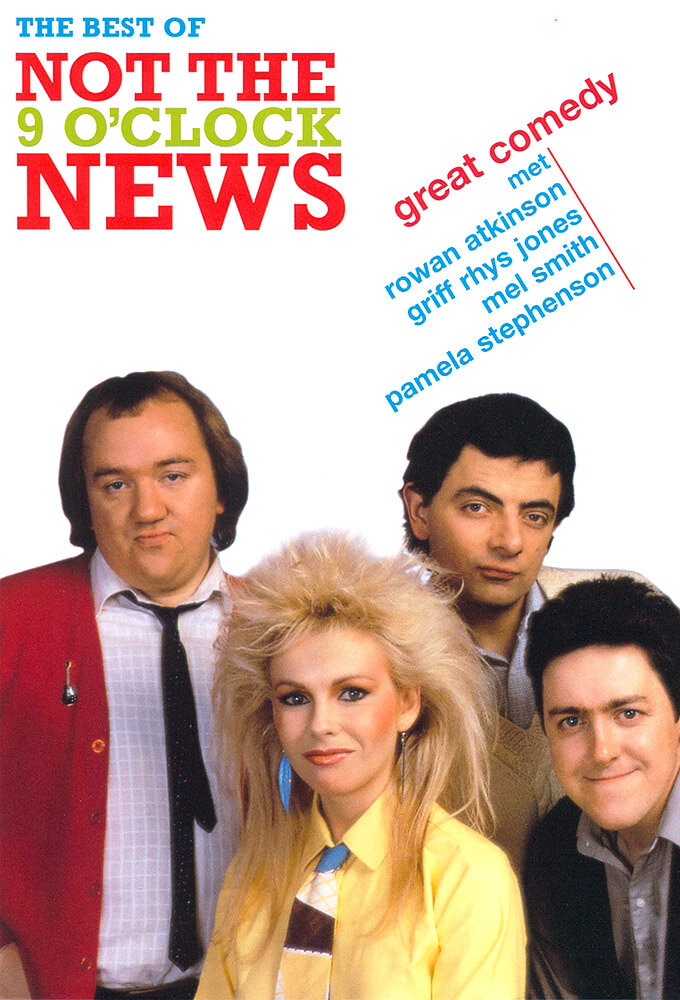
Not the Nine O'Clock News1979
Rowan Atkinson, Mel Smith, Griff Rhys Jones—another late-70s British sketch show that proves the format was booming. Same kind of anything-goes energy and character building in short bursts.
But It's deliberately more topical and news-focused. Lacks Three of a Kind's willingness to be completely random.
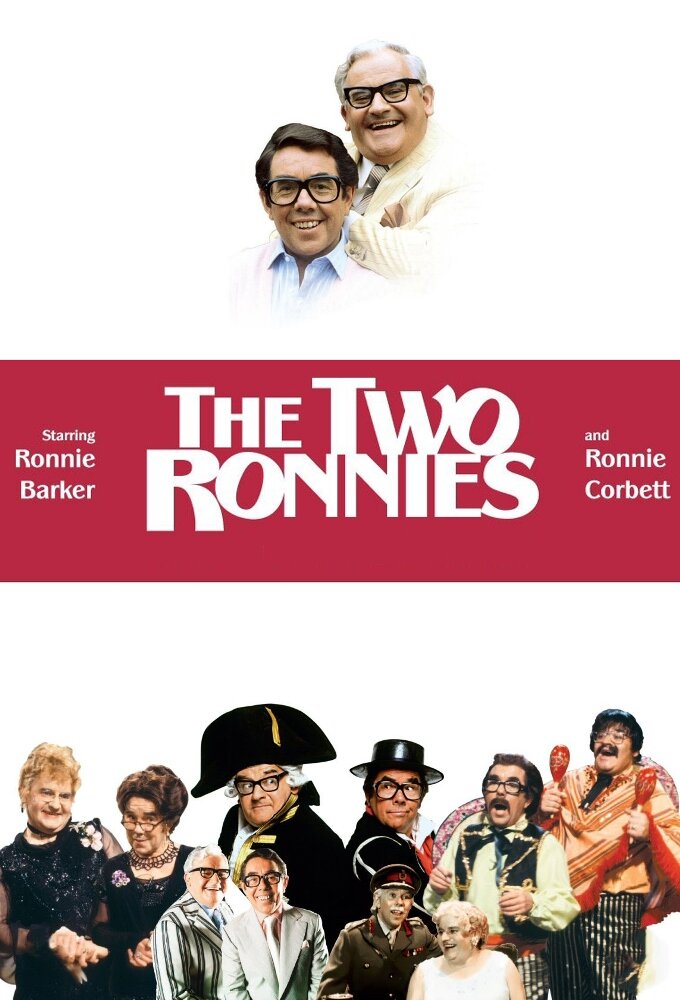
The Two Ronnies1971
Earlier British sketch comedy gold with Ronnie Barker and Ronnie Corbett. Tighter, more character-driven, proof that this format was a cornerstone of BBC comedy for decades.
But Much more scripted and polished. The rough edges you love in Three of a Kind are sanded smooth here.
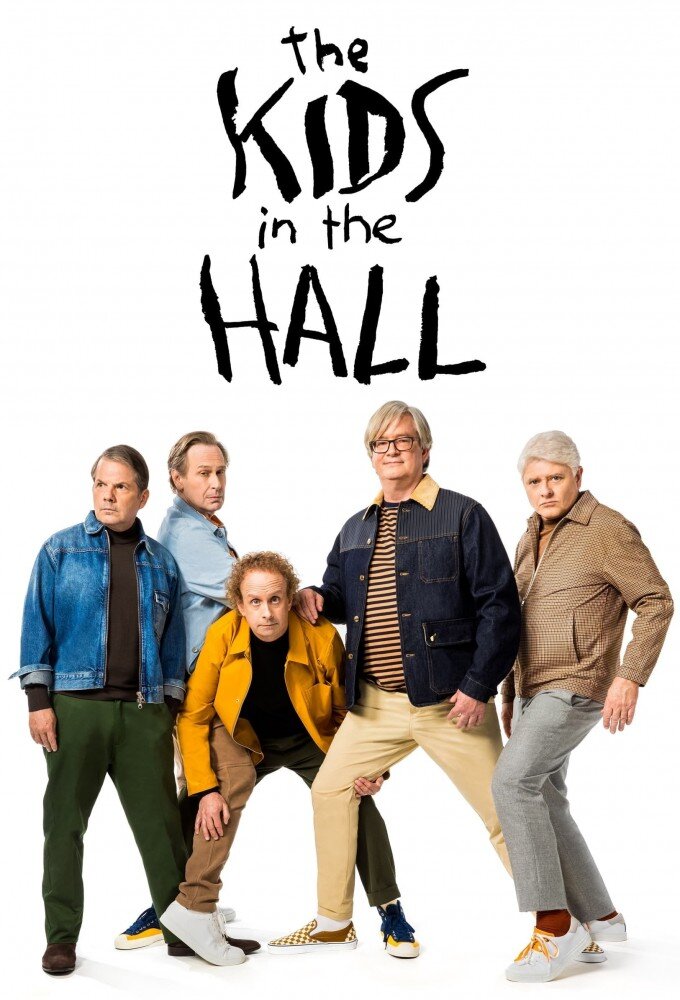
The Kids in the Hall1988
Canadian sketch ensemble with the same commitment to recurring characters and world-building. Surreal, physically inventive, and unafraid of long-form character sketches.
But Canadian sensibility and later production values change the feel substantially. It's slicker and weirder in different ways.
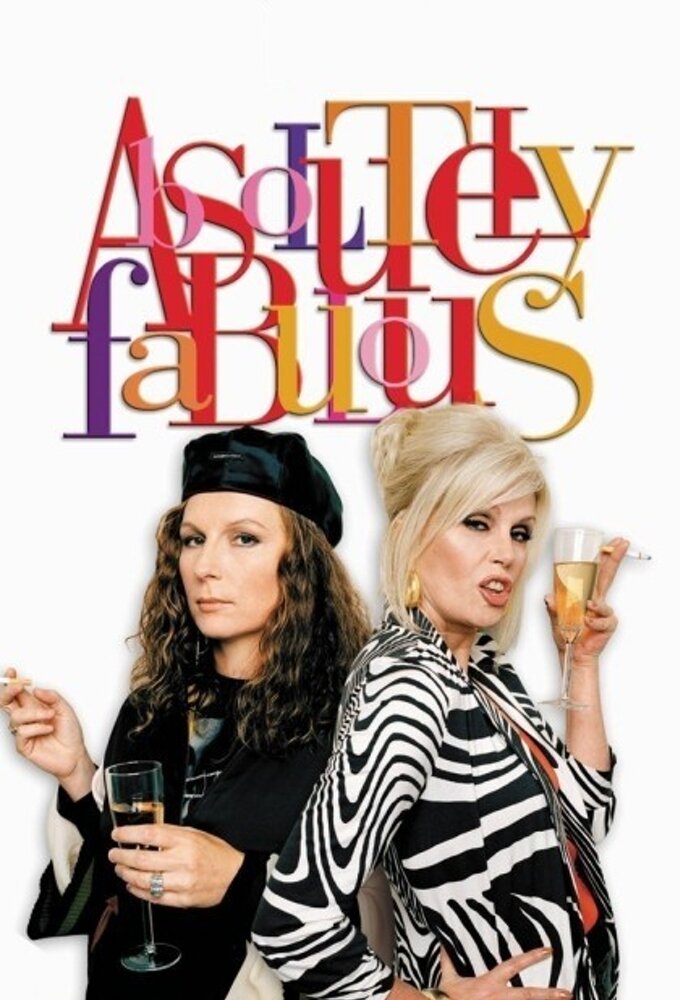
Absolutely Fabulous1992
Character-driven comedy that came from the same world—sketch performers finding a format that lets them live in characters longer. Tracey Ullman would recognize the DNA, even as it evolved.
But It's a sitcom, not sketches. Structure and plot replace chaos and surprise.
The Lenny Henry Show1987
Direct continuation of Three of a Kind's DNA with one of its stars; shows how sketch comedy evolved for performers who cut their teeth on ensemble work.
Lenny Henry's solo vehicle doing what he did in Three of a Kind but with more time to develop characters and impressions. Character-driven, sketch-heavy, and proving that one of the three's talent could sustain a whole show on its own.
But Solo show means you lose the ensemble chemistry. It's more polished, less chaotic—the rough edges are intentionally smoothed.