
Film
The Witch Who Came from the Sea
- Drama
- Very dark
A deeply unsettling 1976 film about a woman whose childhood trauma and fractured psyche manifest in violence. Molly is a beautiful, charming drinker with a secret life—one where her dark fantasies become terrifyingly real. Visually haunting and psychologically raw, it's exploitation cinema with genuine artistic ambition, made for viewers drawn to horror that cuts inward.
If you liked this
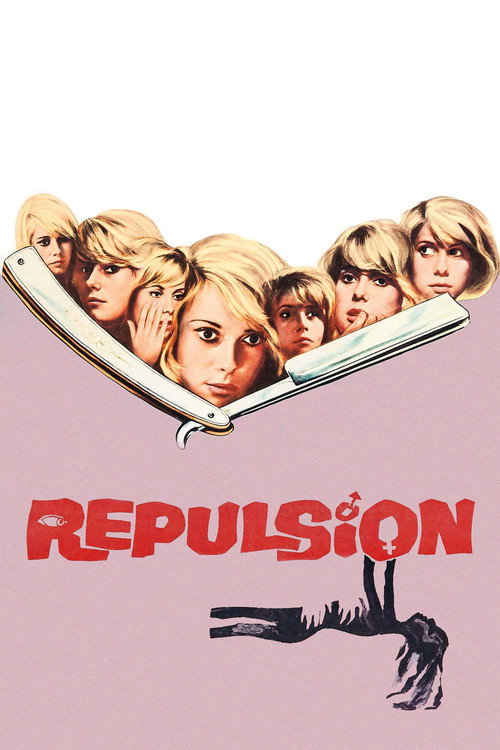
Repulsion1965
A masterclass in rendering mental disintegration visually. Polanski watches a woman's grip on reality dissolve in real time, with an apartment that becomes as hostile as her own mind. Utterly immersive psychological horror.
But It's glacially paced and deeply unglamorous, following a character in genuine crisis. There are no easy moments or sympathetic softening; it demands patience and emotional tolerance.
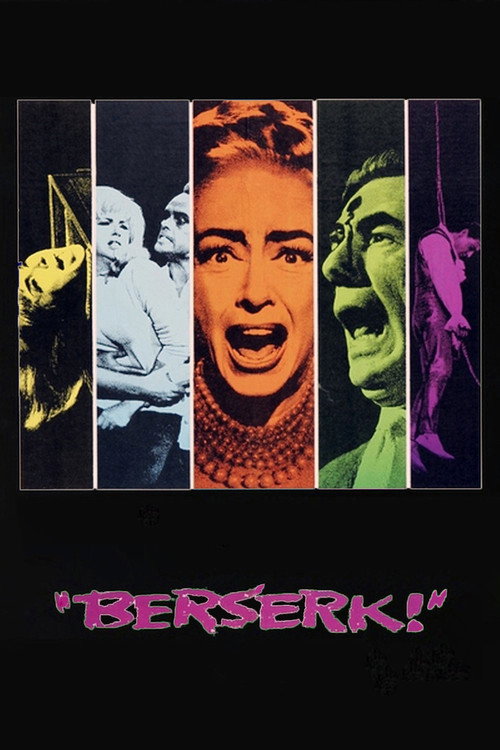
Berserk!1967
Joan Crawford in a circus-set thriller about rage, performance, and the gap between public charm and private darkness. It's campy and weird and genuinely unsettling, a film that knows how to unsettle without apology.
But It's a B-movie with dated effects and sometimes clumsy plotting. The melodrama is intentional but can tip into unintentional comedy if you're not in the mood.
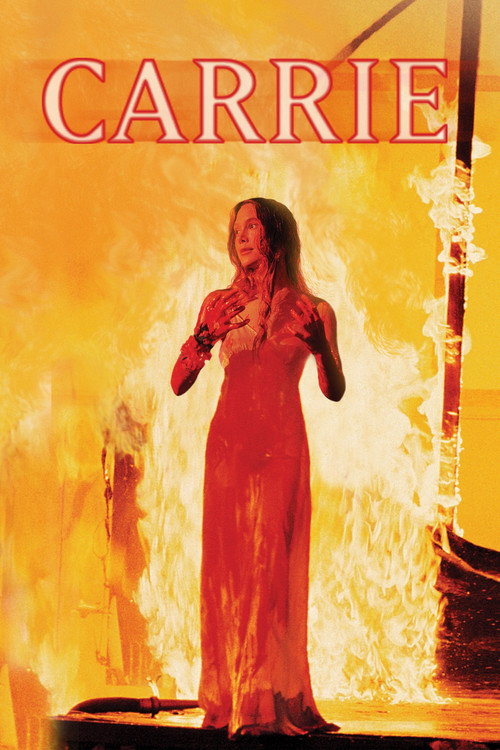
Carrie1976
Released the same year, De Palma's masterpiece about a girl whose repressed trauma and telekinetic power become inseparable. It's horror that earns its violence through genuine empathy for its tortured protagonist.
But The famous climax is devastating in a way that can feel overwhelming. It's also been endlessly parodied, which can dull the initial impact if you've absorbed it through culture.
Not sure tonight? Get a pick in a minute, starting from The Witch Who Came from the Sea
The wildcard
Something you would not have found on your own.
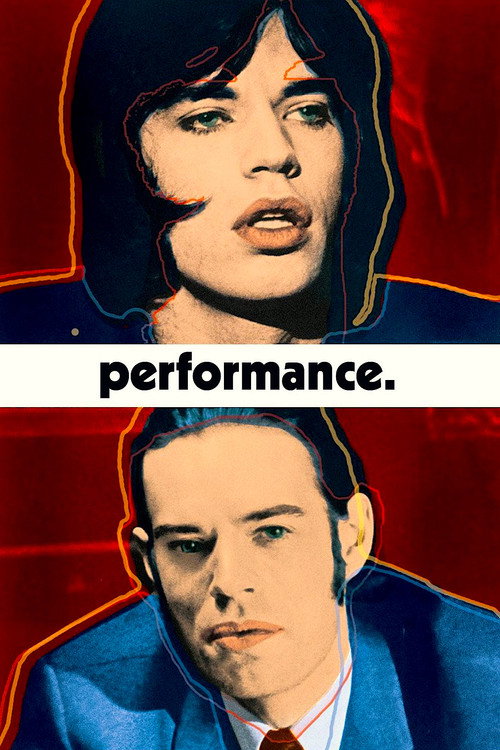
Performance.1970
Both films use fractured, non-linear storytelling to show how a damaged psyche experiences reality. Both are genuinely dangerous-feeling—they don't reassure the viewer that the character is contained or knowable.
Roeg's hallucinogenic film about identity collapse, where a gangster on the run hides in the house of a reclusive rock star. It's about how trauma, drugs, and proximity can dissolve the boundary between self and other.
But It's deliberately obscure and doesn't resolve. The sexuality and violence are graphic. The editing and pacing are deliberately disorienting—some find it hypnotic, others just exhausting.
More like this (5)
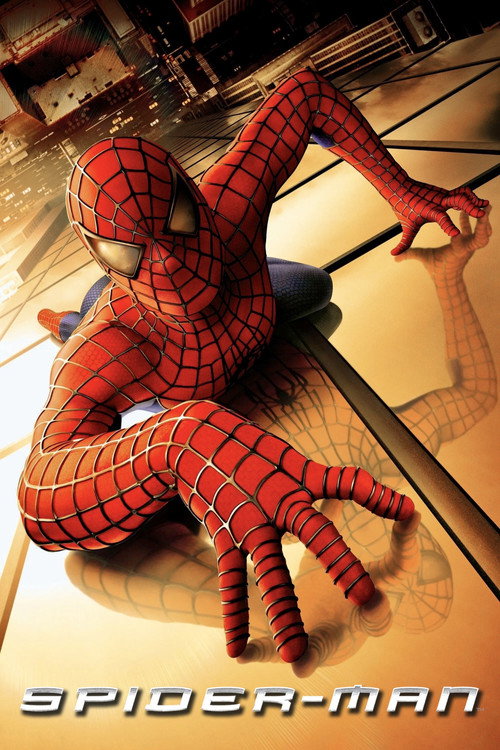
Spider-Man2002
Cronenberg's film about a man whose childhood memory and present reality are fundamentally unreliable. It's elegant, sad, and genuinely disturbing—a portrait of how trauma rewrites the past.
But It's very slow and very internal. The narrative deliberately refuses clarity, and some viewers find that frustrating rather than compelling. It's not a puzzle to solve.
Marnie1964
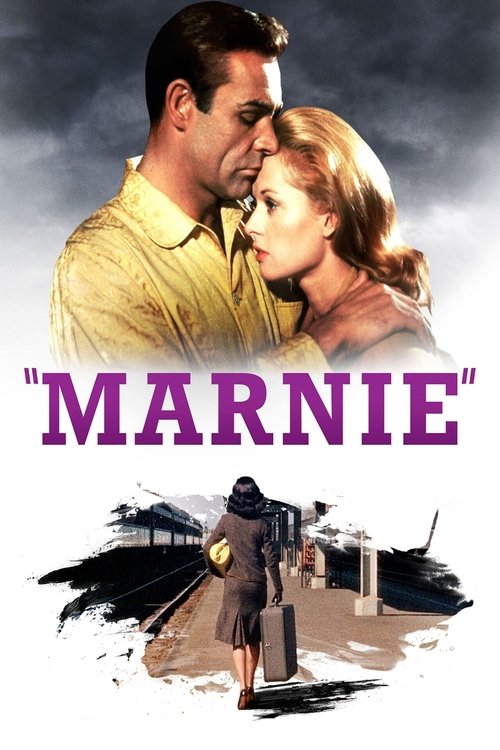
Hitchcock examines a compulsive liar and thief whose childhood violence has fractured her entire sense of self. It's psychologically acute and visually stunning, treating pathology with seriousness.
But Some of the gender politics feel dated, and the ending is far less dark than the setup promises. The pacing can feel mannered compared to Hitchcock's more propulsive work.
Henry: Portrait of a Serial Killer1986
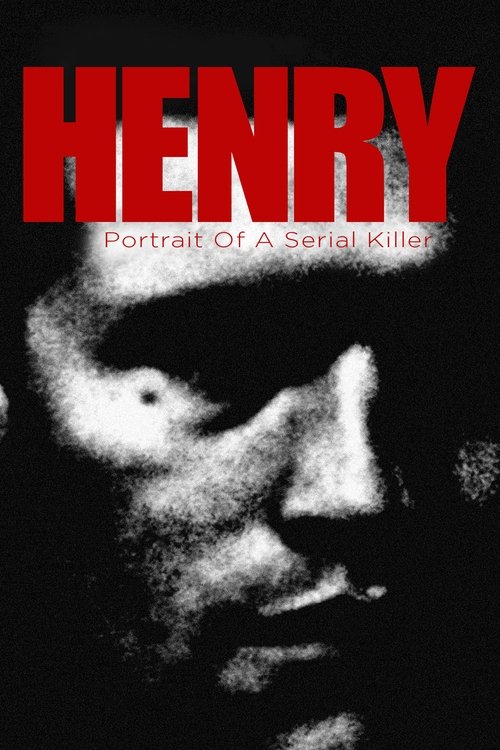
An unflinching, low-budget portrait of violence as a mundane fact of life for certain people. It refuses spectacle or condemnation, which makes it far more disturbing than anything sensationalized.
But It's relentlessly bleak and depicts real violence without ever making it visually exciting. Some viewers find that numbing rather than impactful. It's a difficult watch by design.
Mulholland Drive2001
Lynch's fractured Hollywood nightmare where trauma, fantasy, and identity collapse into each other. It's visually ravishing and emotionally devastating, a film about how we construct false selves.
But It's deliberately fragmented and doesn't offer narrative closure. The dream logic requires you to engage with ambiguity rather than solve a puzzle. That approach polarizes viewers.

Alice, Sweet Alice1976
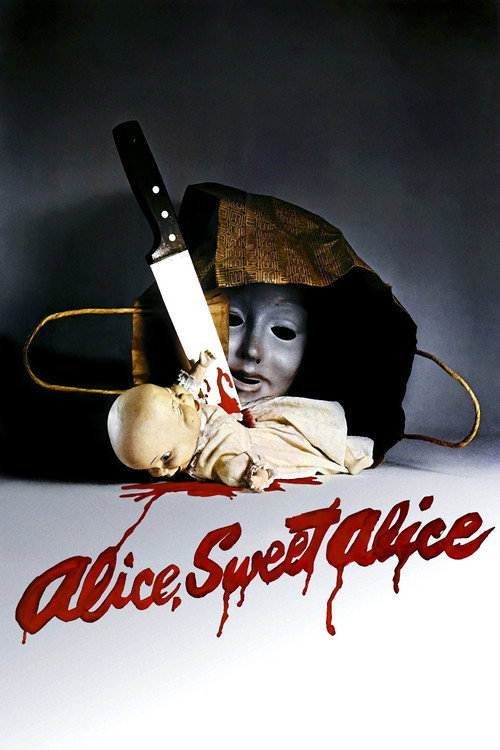
Another 1976 release—a suburban horror about a disturbed girl, family resentment, and the horror lurking behind domestic facades. It's genuinely creepy and psychologically plausible.
But The pacing is uneven and it occasionally tips into melodrama. The low budget shows in ways that can undercut the tension rather than enhance it.
People
Cast
 Millie PerkinsMolly
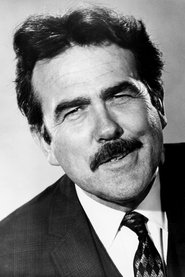 Lonny ChapmanLong John
 Vanessa BrownCathy
- Peggy FeuryDoris
- Mark LivingstonTripoli
 Rick JasonBilly Batt
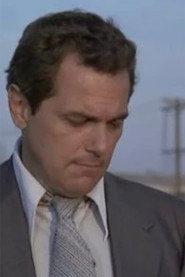 Stafford MorganAlexander McPeak
- Richard KennedyDetective Beardsley
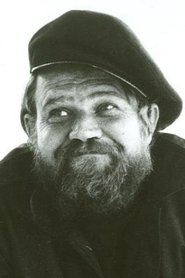 George Buck FlowerDetective Stone
 Roberta CollinsClarissa
- Stan RossJack Dracula
Directing
- John TullAssistant Director
- Matt CimberDirector
- Lynne TwentymanScript Supervisor
Writing
- Robert ThomWriter
Production
- George Buck FlowerCasting
- Matt CimberProducer
- Norma RosenbergProduction Coordinator
- Jefferson RichardProduction Supervisor