
Film
Alice, Sweet Alice
A 1976 giallo-inflected thriller about a withdrawn girl suspected of murdering her favored sister in a church. Deeply unsettling and formally ingenious, it treats childhood cruelty and family dysfunction with horrifying seriousness. For viewers who want horror that probes psychology rather than jump-scares.
Should you watch it?
Watch it if you love slow-burn whodunits where dread builds from small household cruelties and a church that seems to watch everything, and you don't mind a 1970s shocker that trusts its unease over its gore.
Skip it if you want brisk pacing or a tidy mystery; this one meanders through its middle, its religious oddities and family frictions can feel repetitive, and its subject sits heavy.
What it asks of you: At 108 minutes, it moves at a deliberate crawl and asks you to sit with an uneasy household, its scenes lingering on faces and rooms more than on plot.
Not sure? Find tonight's pick in a minute.
If you liked this
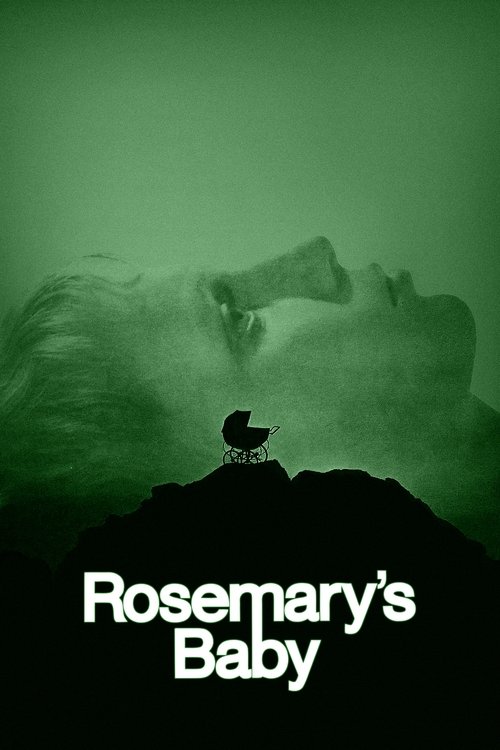
Rosemary's Baby1968
Polanski's paranoia masterpiece about a woman isolated by family and circumstance, doubting her own reality. Shares Alice's claustrophobic dread and the question of whether the victim or accused is unreliable.
But It's slower than modern thrillers and demands patience with 1960s pacing. Some find it dated.
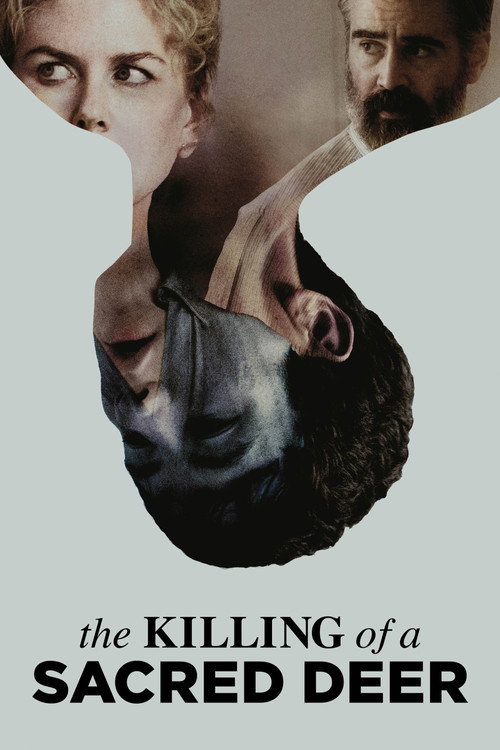
The Killing of a Sacred Deer2017
Yorgos Lanthimos examines family fracture and child monstrosity with the same cold precision as Alice. Both films make you complicit in not knowing who to trust or fear.
But Deliberately alienating and bleak. It does not offer comfort or clear answers, which will frustrate some viewers.
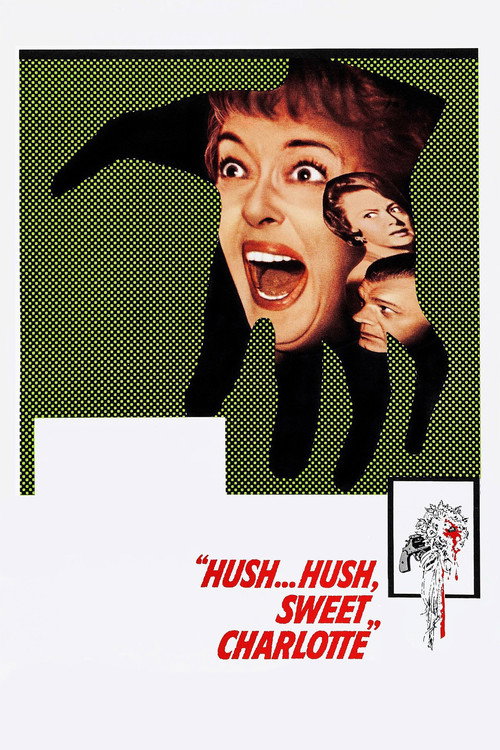
Hush... Hush, Sweet Charlotte1964
A Southern Gothic mystery where a traumatized woman's grip on reality crumbles. Like Alice, it plays with unreliable perception and the violence simmering beneath genteel family surfaces.
But Relies on coincidences that strain credibility. The final twist feels less earned than the journey to it.
Not sure tonight? Get a pick in a minute, starting from Alice, Sweet Alice
The wildcard
Something you would not have found on your own.
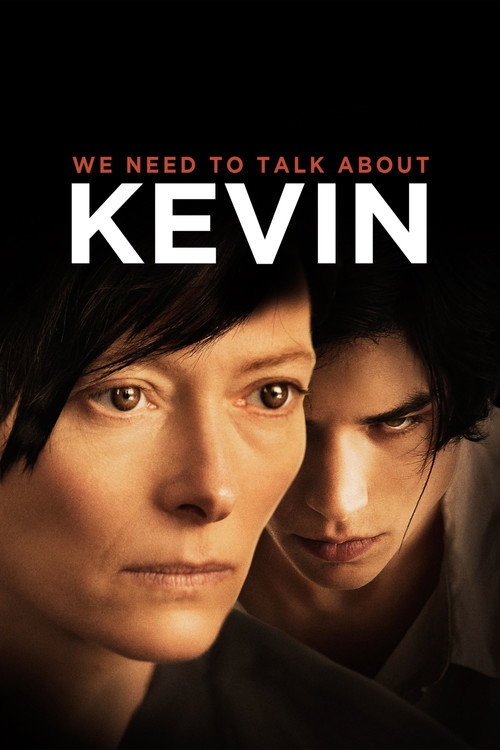
We Need to Talk About Kevin2011
Both films embed the viewer in the perspective of someone (mother, audience) who cannot know if the child is victim, villain, or unknowable. The formal structure itself becomes the subject.
A mother-centric flashback structure examining a mass murderer's childhood. Like Alice, it refuses to explain away evil as simple pathology and forces you to sit with the possibility that some people are born wrong.
But It's a feature-length examination of parental guilt and maternal failure without catharsis. The nonlinear editing is challenging. It's the opposite of entertaining.
More like this (7)
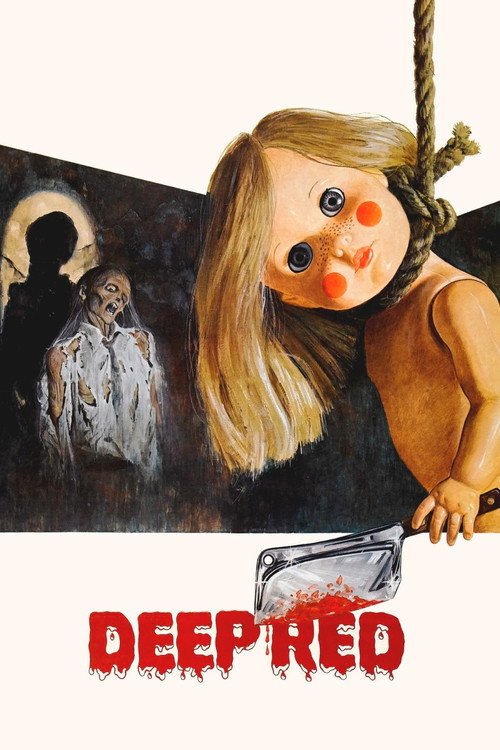
Deep Red1975
Dario Argento's masterwork arrives the year before Alice with similar genre DNA: a child's-eye view of violence, stunning visual language, and the question of who's truly culpable.
But The plot is serpentine to the point of opacity. Multiple viewings may be necessary. Some find it frustratingly abstract.
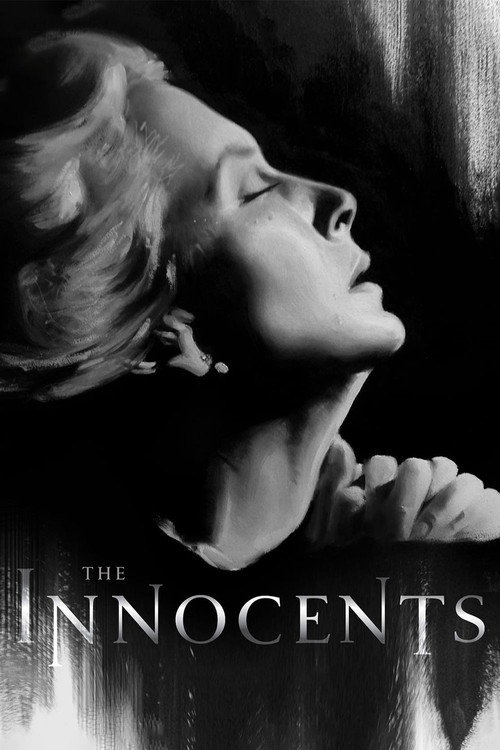
The Innocents1961
A governess questions whether children in her care are innocently haunted or actively evil. The ambiguity about childhood corruption mirrors Alice's central tension.
But Almost entirely mood and implication. If you need answers and clear narrative, this will feel insufficient.
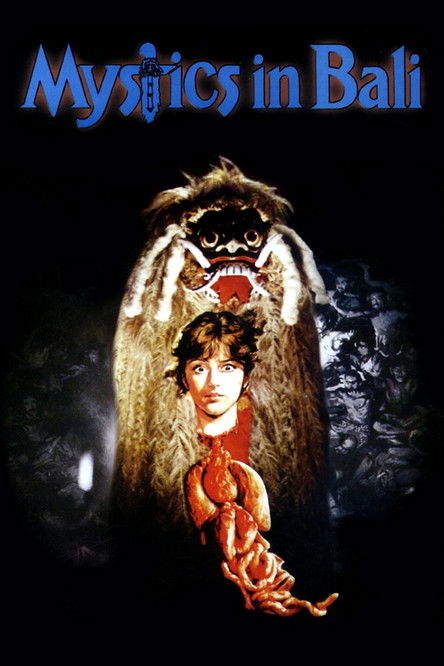
Mystics in Bali1981
An Australian horror film steeped in Catholic guilt and family rot, with a child at the center of ritualistic terror. Oddly similar emotional DNA to Alice despite the genre trappings.
But Obscure and difficult to find. The plot coherence varies wildly, which distracts from its unsettling atmosphere.
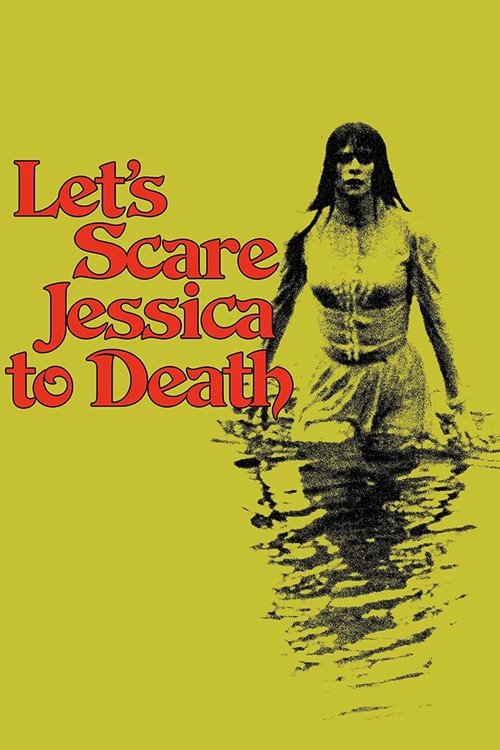
Let's Scare Jessica to Death1971
A deeply paranoid thriller about a woman unraveling, told with subjective disorientation. The film's commitment to unreliable perspective rivals Alice's best moments.
But The pacing is uneven and the narrative threads don't always connect logically. Low budget shows in ways some find diminishing.
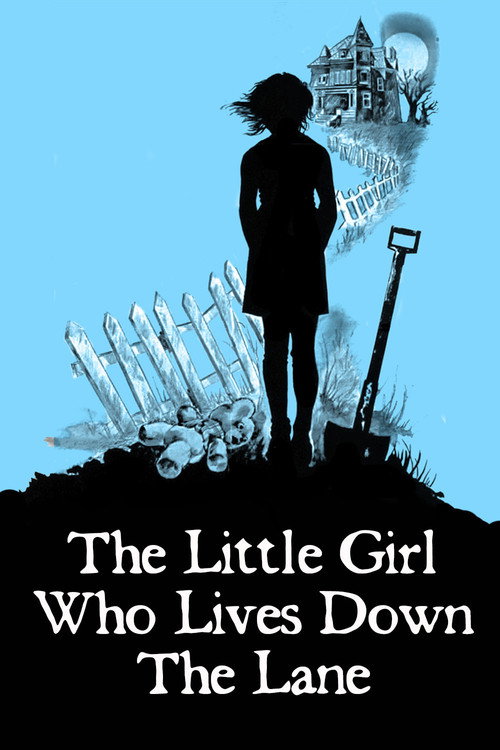
The Little Girl Who Lives Down the Lane1976
Jodie Foster stars as a precocious girl harboring terrible secrets. Like Alice, it's about the gap between how children present and what they're actually capable of.
But The premise hinges on a child in genuine peril, which makes it uncomfortable. Some viewers find this exploitation rather than examination.
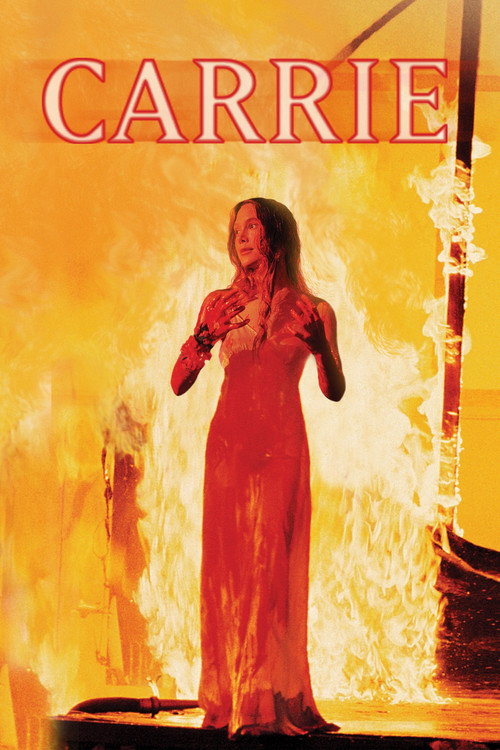
Carrie1976
De Palma's debut, released the same year, concerns an outcast girl and the violent rupture of a life of isolation. Both films ask whether the victim becomes the monster.
But Carrie is far more sensational and less psychologically grounded. If you want subtlety, this will seem obvious by comparison.
Requiem for a Dream2000
Both use formal innovation—distorted perspectives, rapid montage, dissonant sound—to make internal psychological states visible. Both respect their audiences enough to refuse easy interpretation.
Aronofsky's four-way descent into addiction and delusion. While it concerns addiction rather than childhood cruelty, it shares Alice's unflinching commitment to depicting psychological dissolution with experimental technique.
But It's brutally bleak and depleting to watch. The sound design is deliberately distressing. Not a film for recovery or escape.

People
Cast
 Linda MillerCatherine Spages
- Mildred ClintonMrs. Tredoni
 Paula E. SheppardAlice Spages
- Niles McMasterDom Spages
- Jane LowryAunt Annie DeLorenze
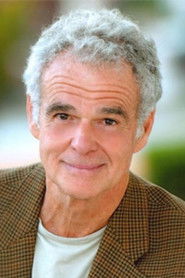 Rudolph WillrichFather Tom
- Michael HardstarkDetective Spina
- Alphonso DeNobleMr. Alphonso
- Gary AllenJim DeLorenze
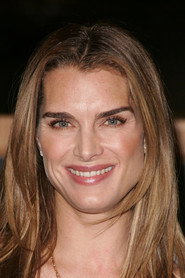 Brooke ShieldsKaren Spages
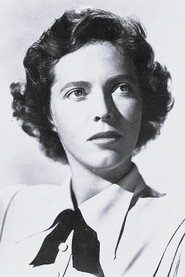 Louisa HortonDr. Whitman
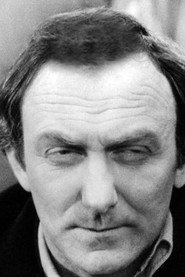 Tom SignorelliDetective Brennan
Directing
- Adrienne Hamalian-MangineAssistant Director
- Alfred SoleDirector
Writing
- Alfred SoleScreenplay
- Rosemary RitvoScreenplay
Production
- Marc G. GreenbergAssociate Producer
- Alfred SoleExecutive Producer
- Richard K. RosenbergExecutive Producer
- Richard K. RosenbergProducer
- Rosemary RitvoProduction Manager
Recommended by
Happy Birthday to Me, My Bloody Valentine, Pieces, The Witch Who Came from the Sea, Hands of the Ripper, Madhouse