
Film
Trash
- Social drama
- Very dark
Paul Morrissey's *Trash* is a raw, unglamorous document of New York's heroin underworld, following Joe through a single day of addiction and desperation. Shot in grainy color, it's deliberately unstylish—more sociology than cinema. It's for people interested in '70s counterculture as anthropology, not romance, and who can sit with real discomfort.
If you liked this
Requiem for a Dream2000
Darren Aronofsky's devastating portrait of addiction across four lives. It's visually dazzling where *Trash* is deliberately drab, but shares the same refusal to let you look away from what drugs actually do.
But Extremely hard to watch. The sound design is deliberately punishing, and it ends in a place so dark some people find it unwatchable even on second viewings.

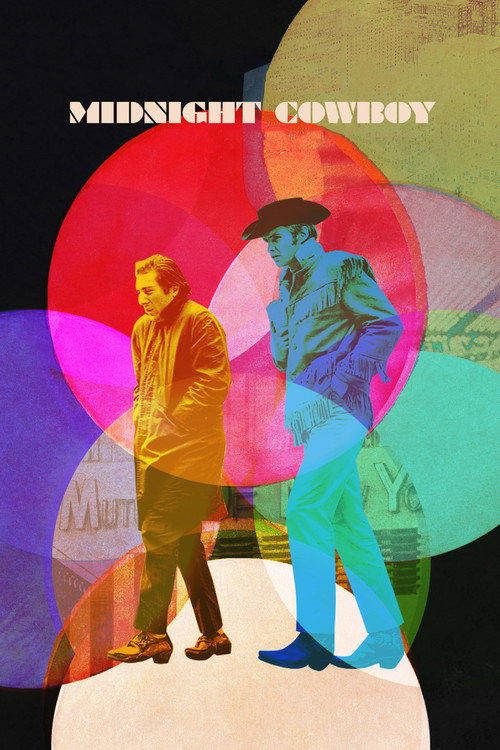
Midnight Cowboy1969
John Schlesinger's X-rated survival story of a hustler in the same New York, the same year. Similar episodic structure, similar refusal to sentimentalize poverty and sex work, but with more narrative drive.
But Sexually explicit and deeply sad. The famous midnight screening crowd reaction doesn't make it fun—it makes it uncomfortable in ways that linger.
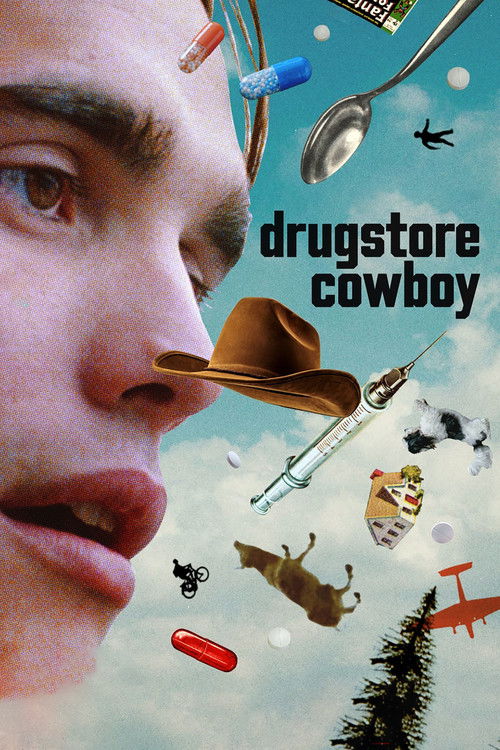
Drugstore Cowboy1989
Gus Van Sant follows a crew of pharmacy robbers with the same observational patience Morrissey brings to Joe. It has more style and a spiritual conscience, but the same unglamorous look at addiction and petty crime.
But Slow and repetitive by design. If you need plot momentum or character transformation, you'll feel like you're watching nothing happen for two hours.
Not sure tonight? Get a pick in a minute, starting from Trash
The wildcard
Something you would not have found on your own.
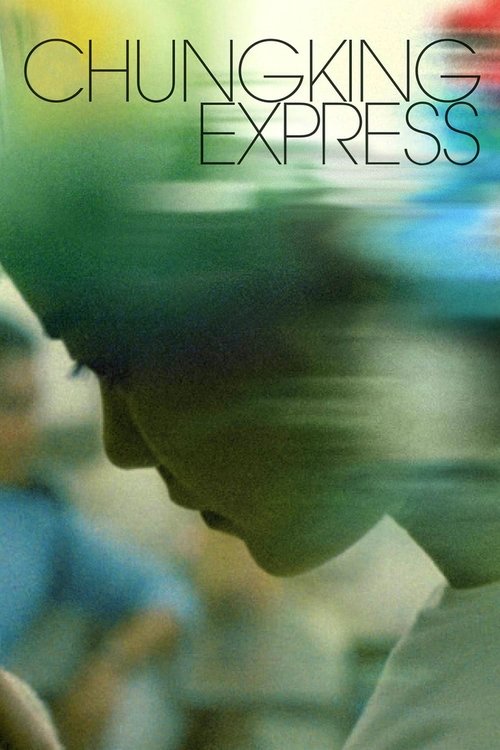
Chungking Express1994
Both use city texture and temporal compression to explore how people fail to connect, but *Chungking Express* finds grace where *Trash* finds wreckage.
Wong Kar-wai's Hong Kong neon romance is wildly different formally—lush, kinetic, full of color and hope—but shares *Trash*'s fascination with how loneliness and disconnection play out over a few days in a dense city. Both films treat urban space as a character.
But The tonal shift is profound. If you come for *Trash*'s grimness, the sweetness and visual beauty might feel like it's deflating the emotional weight. Also in Cantonese with subtitles.
More like this (7)
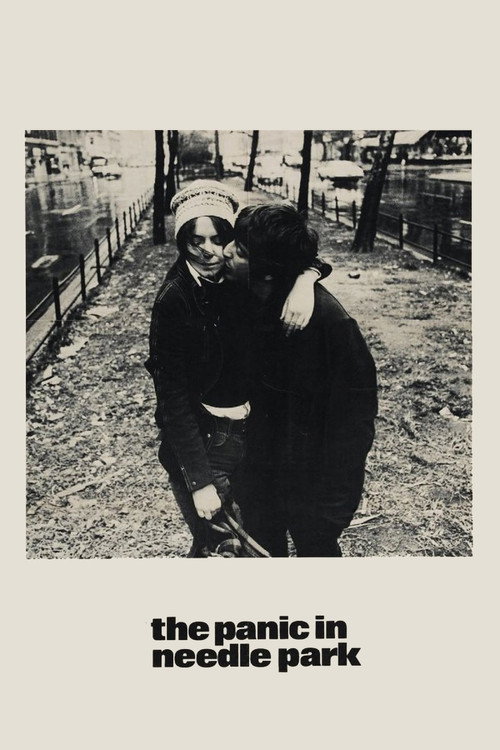
The Panic in Needle Park1971
Contemporaneous New York heroin story with Al Pacino and Kitty Winn. Shot on location with a documentary texture that shares *Trash*'s commitment to place over spectacle.
But Almost as bleak as *Trash*, with less style to cushion the despair. Pacino's naturalism can read as passivity if you're not in the right headspace.
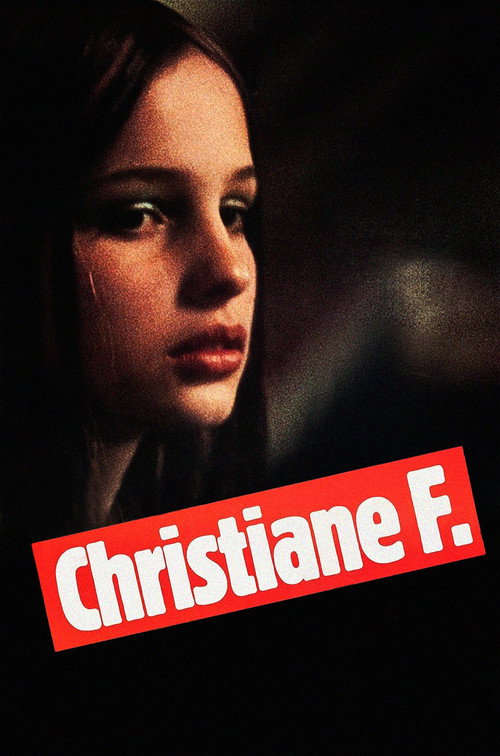
Christiane F.1981
A fourteen-year-old girl's descent into heroin addiction in Berlin. More conventionally narrative than *Trash*, but equally unflinching about how addiction colonizes a young life and offers no redemptive arc.
But The exploitation documentary tone can feel exploitative. Extremely hard to watch a child suffer through a two-hour runtime, even knowing it's fiction.
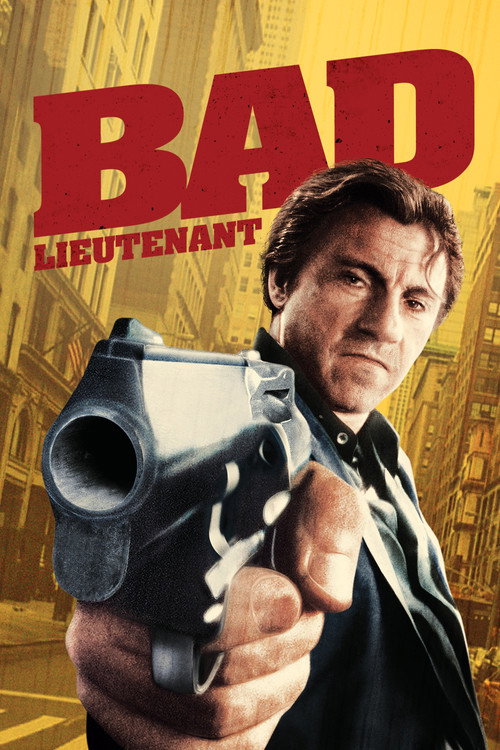
Bad Lieutenant1992
Abel Ferrara's deranged cop portrait has the same apocalyptic New York texture and addiction logic, but filtered through Harvey Keitel's unpredictable intensity and a religious crisis. Visceral and profane.
But Chaotic and structurally messy. Harvey Keitel fully naked and unhinged. If you need a coherent narrative or psychological realism, this will feel like watching someone have a breakdown.
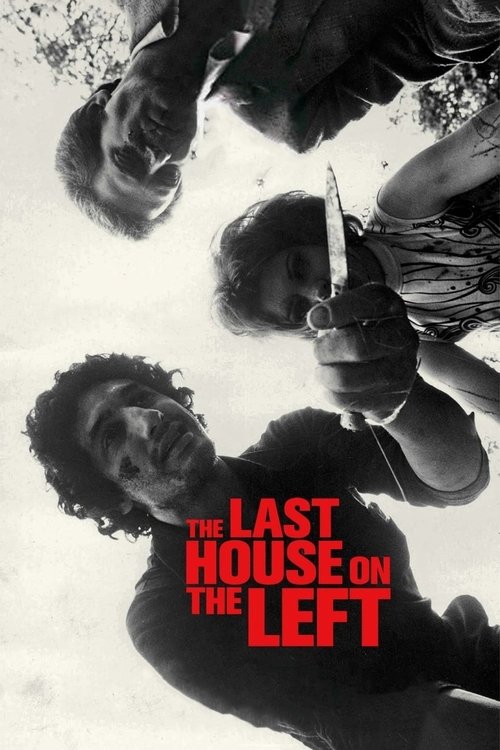
The Last House on the Left1972
Wes Creed's exploitation horror uses the same grainy '70s texture and moral ambiguity. It's interested in how desperation and violence emerge from social margins, not from psychology or evil.
But Brutal and punishing. The rape sequence is not stylized or quick. Some viewers find it crosses from challenging into sadistic.
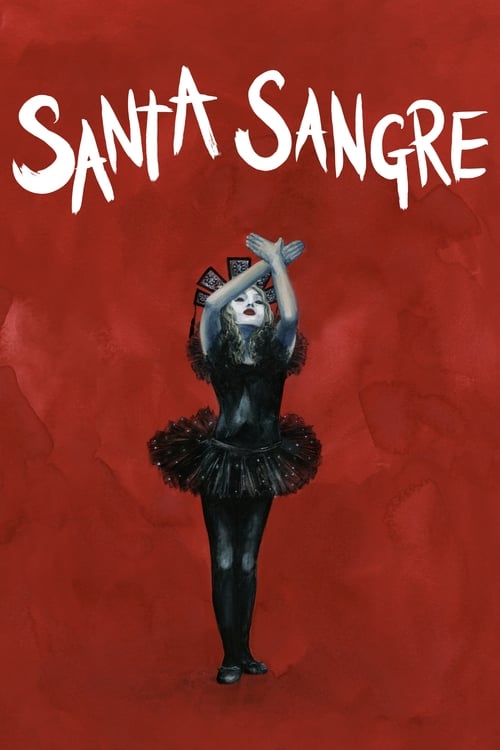
Santa Sangre1989
Jodorowsky's surrealist fever dream about a man and his armless mother features Joe Dallesandro (your lead from *Trash*) in a key role. Visually baroque where *Trash* is sparse, but equally unconcerned with likability.
But Aggressively weird and symbolic. If you want psychological clarity or conventional storytelling, this will feel like fever dreams and pretension.
American Honey2016
Andrea Arnold follows a crew of young drifters across America with *Trash*'s episodic, observational structure and similar interest in how poverty and desperation breed strange intimacy and occasional beauty.
But Three hours and thirty minutes. Deliberately plotless and repetitive. The romantic notes struck feel earned but not neat, which some find frustratingly unresolved.

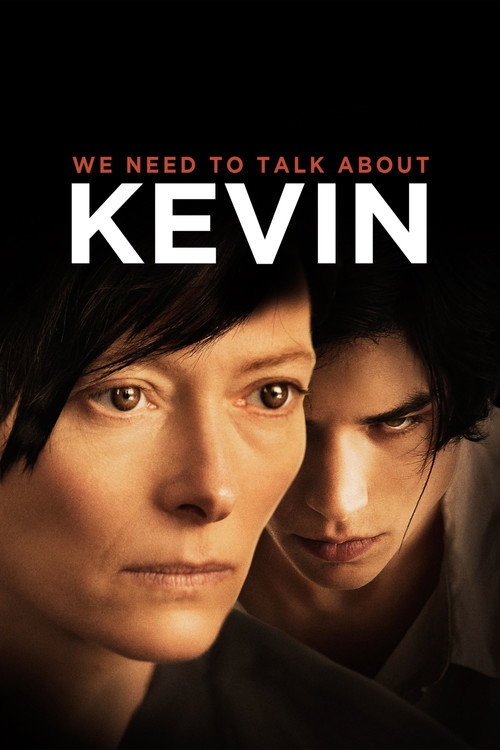
We Need to Talk About Kevin2011
Both films use an episodic, almost deadpan structure to catalog the slow accumulation of dysfunction and incompatibility. Neither offers resolution or forgiveness; both trust you to sit with discomfort.
Lynne Ramsay's fractured portrait of maternal alienation and what emerges when a parent cannot love their child. Like *Trash*, it refuses to dignify its subject with psychology or explanation—just accumulation of moments and damage.
But Formally difficult and repetitive, structured around fragmented memory. The subject matter (a son's school shooting) is horrifying, and Ramsay's coldness toward it can feel cruel. Not cathartic.
People
Cast
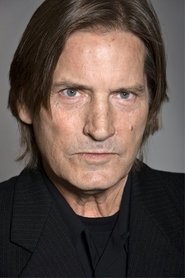 Joe DallesandroJoe Smith
 Holly WoodlawnHolly Sandiago
 Geri MillerGeri, the go-go dancer
 Andrea FeldmanRich Girl
- John PutnamJohnny
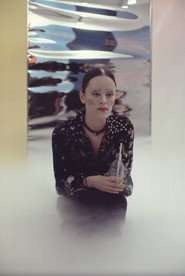 Jane ForthJane
- Bruce PecheurBruce
- Diane PodelHolly's Sister
- Michael SklarMr. Michaels