
Film
Chrome and Hot Leather
A Vietnam vet gathers his Special Forces buddies for a revenge campaign against the biker gang that murdered his fiancée. This is 1971 exploitation cinema at its most straightforward: lean, violent, and utterly committed to the premise. A time capsule of post-war trauma channeled into action, with a cast of character actors who treat the absurdity as gospel truth.
Should you watch it?
Watch it if you want lean, grimy 1970s revenge pulp, with a crew of gruff tough-guy faces, motorcycles, and blunt violence delivered without much fuss.
Skip it if the mood is unapologetically crude and the dialogue and pacing feel dated, so if you need subtle characters or a slow build, this will test your patience.
What it asks of you: A brisk ninety-one minutes that spends its time on motion and confrontation rather than interior life, so it asks you to accept a straightforward ride with little room for nuance.
Not sure? Find tonight's pick in a minute.
If you liked this
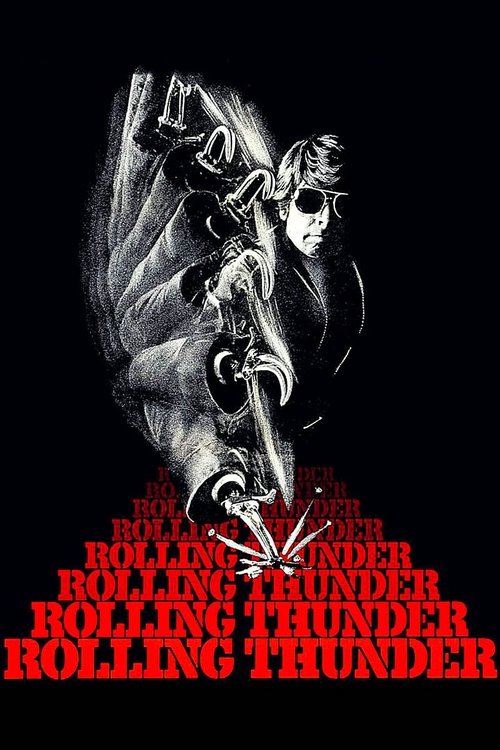
Rolling Thunder1977
Another Vietnam vet returns home to find his world destroyed and decides payback is the only language left. Same wound, same fury, infinitely more craft. John Flynn directs with ice-cold precision and William Devane carries you through every brutal step.
But It's slower and stranger than you might expect from a revenge picture, and it doesn't offer easy catharsis. The violence has weight.
Coffy1973
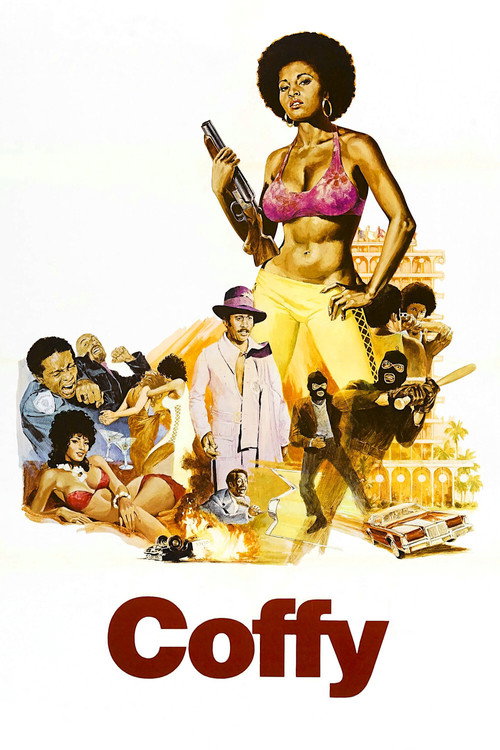
Pam Grier as a nurse targeting the dealers who destroyed her sister. Exploitation done with style, humor, and genuine rage. The action snaps, the dialogue crackles, and Grier carries every frame with charisma that Hollywood still hasn't figured out how to use.
But It's campy by design and unapologetically of its era. If you're looking for subtlety, you're in the wrong place.
The Last House on the Left1972
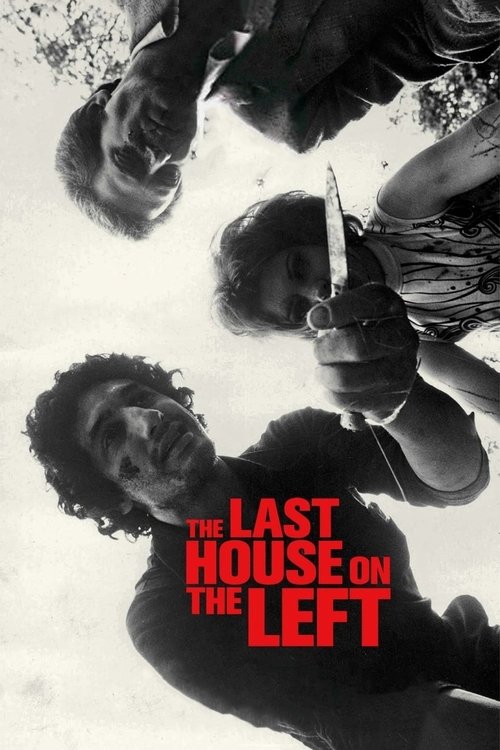
Wes Craven's debut: a family takes revenge on the violent criminals who destroyed everything they had. Raw, genuinely disturbing, and structured like a moral argument about the cost of retribution. It changed horror cinema.
But It's deeply unpleasant by design. The violence is there to make you uncomfortable, not entertain you. Some viewers will bounce off that immediately.
Not sure tonight? Get a pick in a minute, starting from Chrome and Hot Leather
The wildcard
Something you would not have found on your own.
The Wild Bunch1969
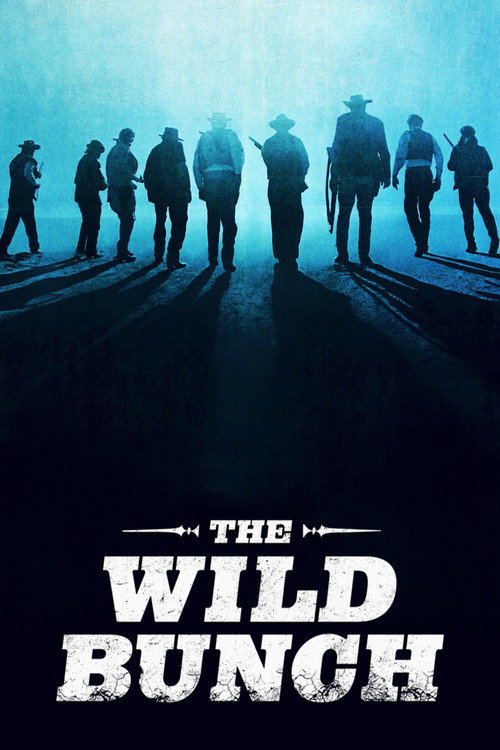
Both films are post-Vietnam America reckoning with violence and aging masculinity, but Peckinpah approaches it as Shakespeare—operatic and doomed—while Chrome treats it as pulp. Peckinpah shows you why revenge destroys the avenger; Chrome just lets the mission happen.
Sam Peckinpah's masterpiece: aging outlaws plan one final job as the world moves past them. It invented the language of action cinema and treated violence as tragedy rather than catharsis. Every shot is composed like a painting, every death means something.
But At 143 minutes it demands patience, and the pacing shifts between stillness and sudden chaos. Some find it slow; others find it essential.
More like this (8)
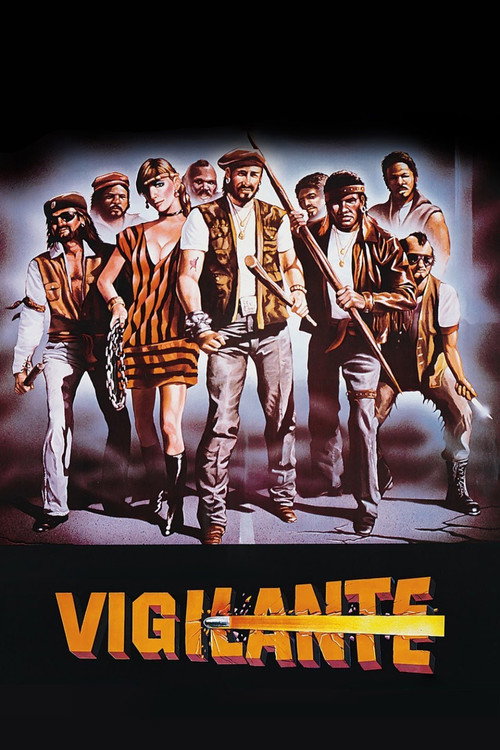
Vigilante1983
Robert Forster as an ordinary man pushed past his limit by the criminal justice system's failure. Takes the revenge formula and roots it in genuine urban despair. Tense, tight, and surprisingly thoughtful about what vengeance actually costs.
But It's relentlessly bleak and offers no redemption for anyone. The worldview is pretty unforgiving.
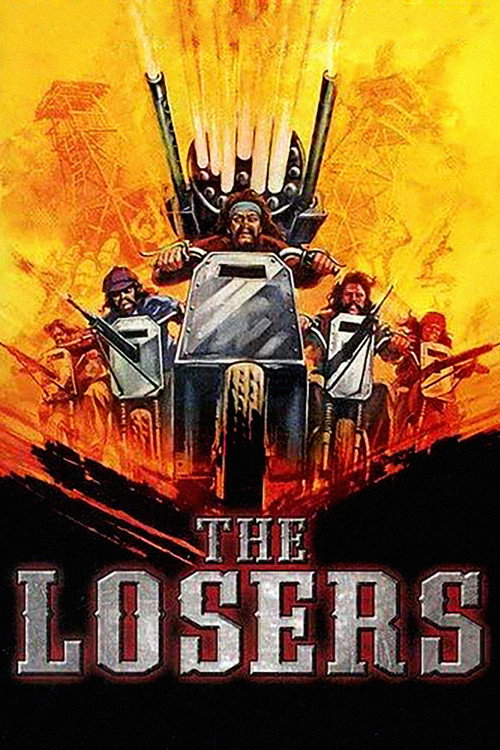
The Losers1970
A Green Beret team on a revenge mission in Cambodia. It's chaos—wild stunts, explosions, a crazy energy that barely holds together. If Chrome and Hot Leather is the blueprint, this is the film that proves how fun the blueprint can be when fully committed.
But The plot is barely there and the politics are murky at best. It's pure spectacle and mayhem, which is either exactly what you want or absolutely not.
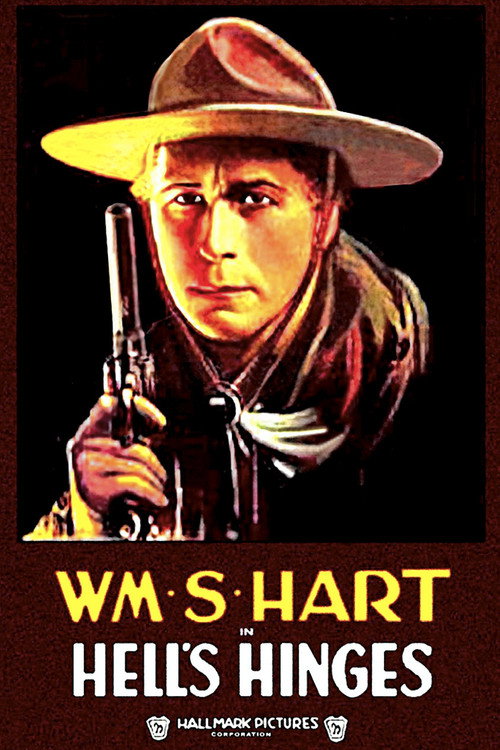
Hell's Hinges1916
William S. Hart as a gunslinger hired to protect a town, except it turns out he's protecting it from himself. The original righteous-violence Western, made a century ago and still moving. Hart brings real weight to the moral paradox.
But It's silent and moves at a Victorian pace. If you're impatient with format, this will test you.
Johnny Guitar1954
Nicholas Ray's fever dream Western: a woman runs a saloon, a lynch mob wants blood, the rules of genre bend sideways. It's been remade and reinterpreted, but the original is stranger and more alive than anything that came after.
But It's deeply weird and doesn't follow Western conventions. The gender dynamics might feel alien unless you're ready for it.

In a Lonely Place1950
Humphrey Bogart as a volatile man suspected of murder, and Ray's camera slowly reveals that the real violence lives inside him. A revenge picture where revenge never happens, and the suspense is psychological rather than physical.
But It's quiet and introspective. You're watching a man's character deteriorate, not watching action unfold.

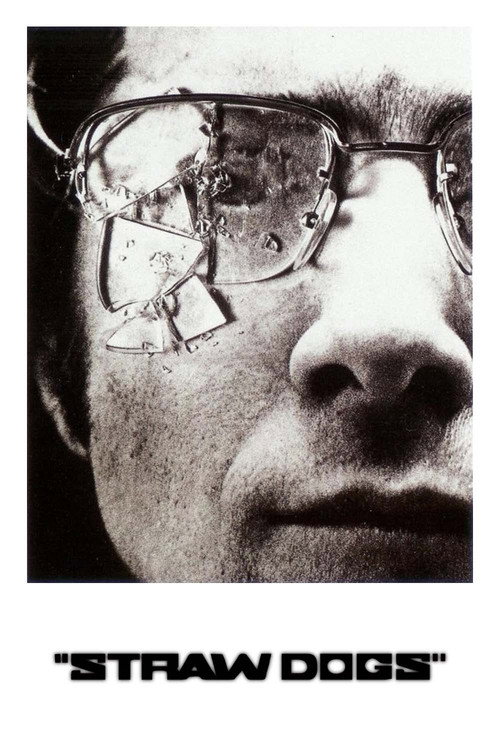
Straw Dogs1971
Made the same year as Chrome and Hot Leather but in an entirely different key. Sam Peckinpah's brutal study of a man pushed to violence in his own home. The action is sudden and shocking because Peckinpah makes you wait for it.
But It's genuinely disturbing, violent toward women in ways the film doesn't condemn, and morally complicated in ways that anger some viewers. The sexual violence is hard to watch.
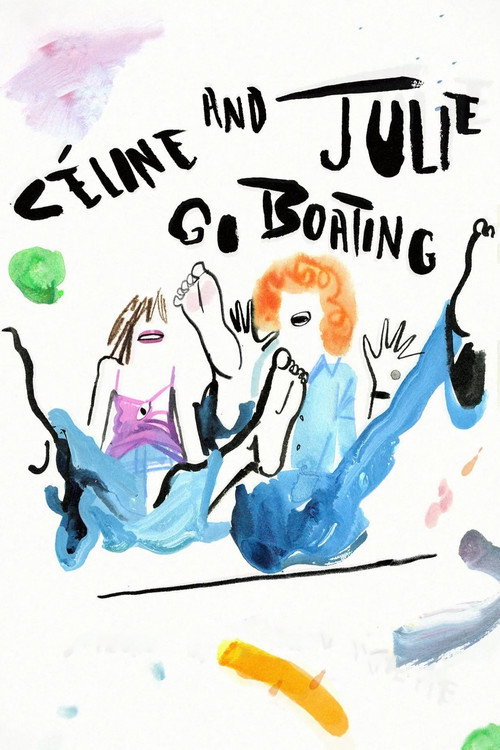
Céline and Julie Go Boating1974
Both films are about groups of people returning to a problem they can't leave alone, trying to rewrite or revenge an event that's already occurred. One does it through action; the other through dreaming. Both suggest the past has the final word.
Jacques Rivette's four-hour fever dream about two women who slip in and out of a ghost story that may or may not be real. It's playful, elliptical, alive with possibility. A complete tonal opposite to revenge cinema, yet structured around the same obsession with narrative repetition and the attempt to change what's already happened.
But It's experimental, plotless, and makes no effort to be conventionally entertaining. The runtime is real. You have to surrender to its logic or you're lost.
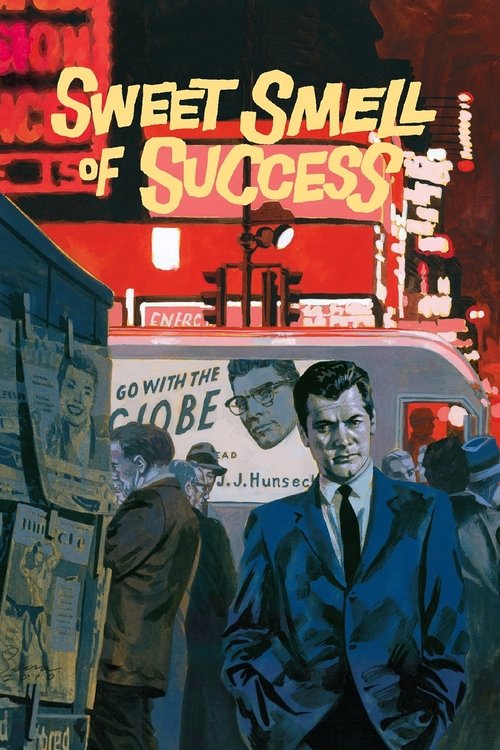
Sweet Smell of Success1957
Both films feature men bonding over violent purpose, but where Chrome's Green Berets are righteous, Lancaster and Curtis are pure appetite wearing suits. The structure is revenge, but the spiritual opposite: one film is about stopping evil, the other about men who ARE the evil, acting as if they're not.
Burt Lancaster and Tony Curtis in a New York noir where a press agent schemes to destroy a man. The dialogue alone is worth the price of admission—sharp, vicious, alive. Shot in black-and-white that feels like cigarette smoke. Corruption is the medium, not the plot.
But The morality is completely upside-down and nobody learns anything. It's nihilistic in a way that doesn't offer comfort or resolution.
People
Cast
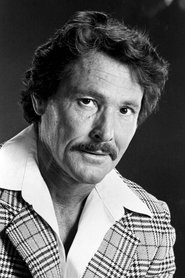 William SmithT.J.
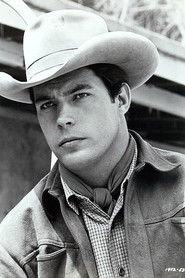 Tony Young"Mitch" Mitchell
- Michael HaynesCasey
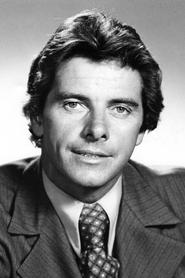 Peter BrownAl Peterson
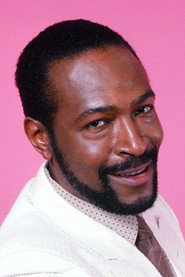 Marvin GayeJim
- Michael StearnsHank
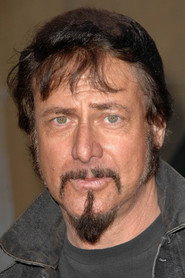 Larry BishopGabe
 Kathrine BaumannSusan (as Kathy Baumann)
- Wes BishopSheriff Lewis
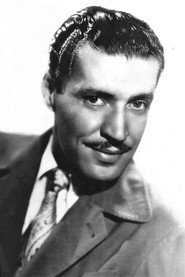
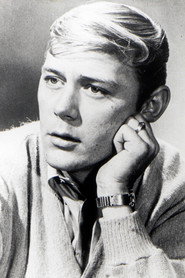 Bobby PickettSweet Willy (as Bob Pickett)
- George E. CareyLieutenant Reardon (as George Carey)
Directing
- Lee FrostDirector
Writing
- David NeibelScreenplay
- Don TaitScreenplay
- Michael HaynesScreenplay
- David NeibelStory
- Michael HaynesStory
Production
- Wes BishopProducer