
Film
Angel Unchained
A 1970 biker film where an ex-con motorcycle outlaw seeks redemption in a hippie commune, only to discover his violent past is the only language the surrounding rednecks understand. Raw, cynical, caught between counterculture idealism and brutal realpolitik. For anyone who wants their revenge fantasies complicated by genuine moral ambiguity.
If you liked this
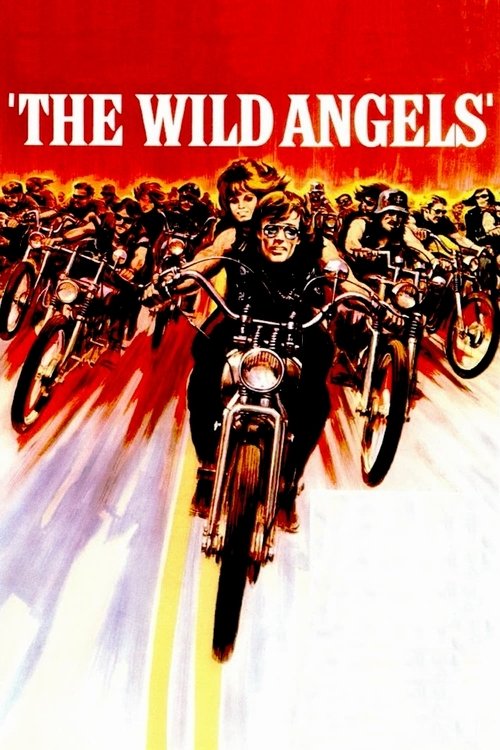
The Wild Angels1966
Roger Corman's prototype outlaw-biker film that defined the genre's visual language and moral transgression. Wildly influential, genuinely dangerous-feeling, with Peter Fonda at his most charismatic and corrupt.
But The pacing is slack by modern standards, and the gender politics are appalling even for 1966. It's more interested in style than coherence.
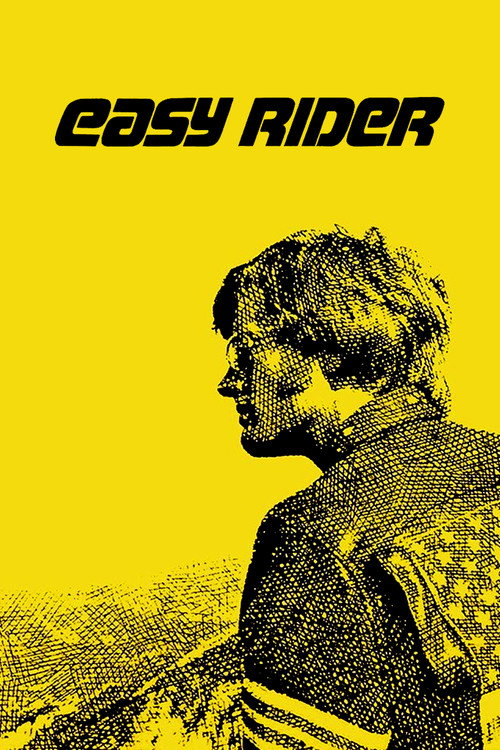
Easy Rider1969
The counterculture classic that rode into cinemas a year before this, with the same era's anxiety about freedom, violence, and belonging. Jack Nicholson is unforgettable; the road itself becomes a character.
But It's been canonized to death and can feel like a museum piece now. Some find it slow and precious, more concerned with vibes than plot.
Johnny Guitar1954
Nicholas Ray's baroque Western where a woman runs a saloon and a gang of vengeful townspeople descend on it. The gender dynamics invert the genre; the violence simmers under operatic tension and genuine philosophical stakes.
But It's highly stylized and weird in ways that can feel mannered. The plot is secondary to mood, which won't work if you need straightforward action.

Not sure tonight? Get a pick in a minute, starting from Angel Unchained
The wildcard
Something you would not have found on your own.
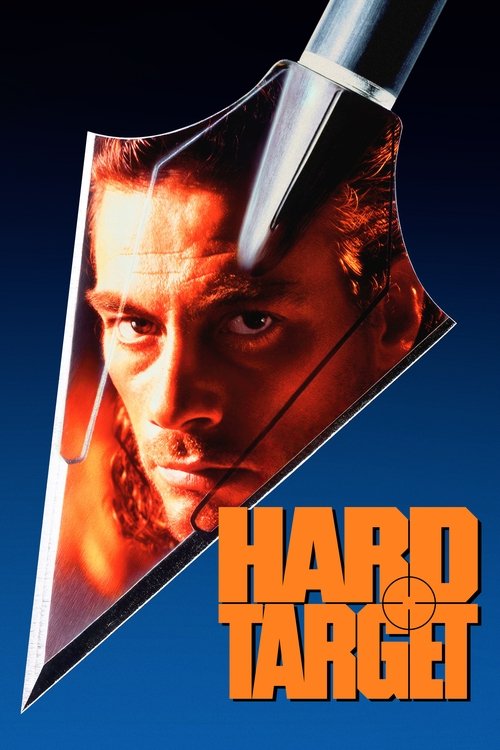
Hard Target1993
Both films use the motorcycle/outlaw archetype to explore how society creates and then destroys the people it marginalizes. Angel and the hunter are inevitable products of the world that fears them.
John Woo's first American film: homeless men hunted for sport in New Orleans. It's a revenge narrative with baroque action choreography, where society's reject becomes the unstoppable instrument of his own justice.
But The plotting is thin and the action is so stylized it borders on dance. If you need grounded realism, this isn't it.
More like this (8)
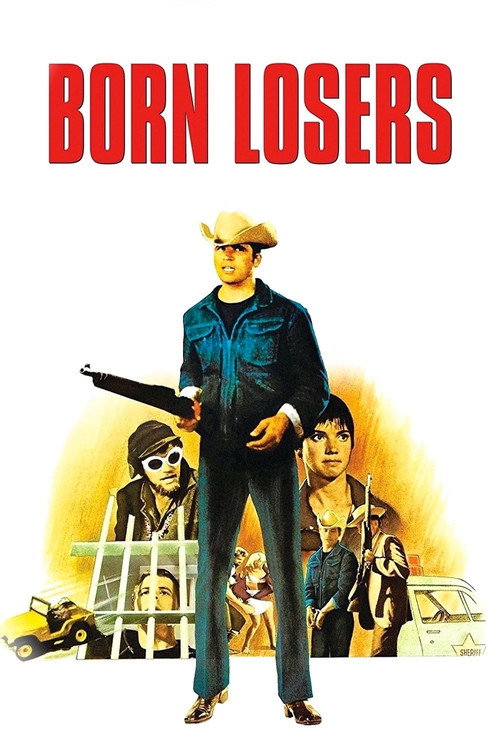
The Born Losers1967
Tom Laughlin's rough-hewn vigilante film about bikers terrorizing a small town. It has the same DNA as Angel Unchained—outsiders, community breakdown, the motorcycle as symbol of anarchic freedom—but with deeper social rage.
But It's genuinely unpleasant in places and low-budget in ways that show. The acting is uneven and the pacing can feel punishing.
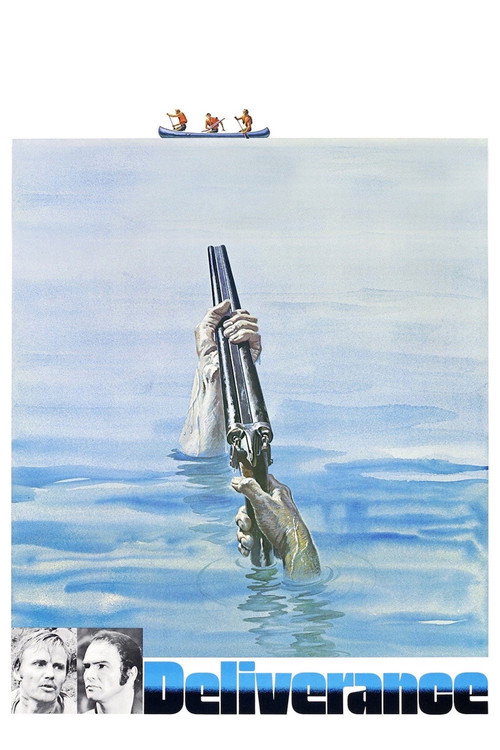
Deliverance1972
Jon Voight and Burt Reynolds navigate a river and civilized men become feral. Uses landscape and survival to explore the violence lurking beneath American respectability, with a moral complexity that gets under your skin.
But Contains one of cinema's most disturbing scenes. Not a crowd-pleaser; it's designed to upset you.
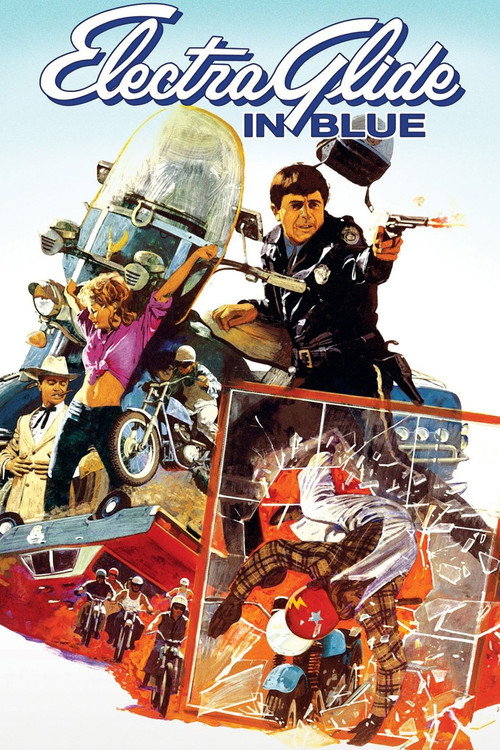
Electra Glide in Blue1973
A motorcycle cop investigates a murder in the desert Southwest. Meditative, visually stunning, it's a cop film that's really about alienation and the motorcycle as both freedom and constraint.
But It moves at its own pace—contemplative, slow-burn. The plot is almost secondary to atmosphere, which tests patience.
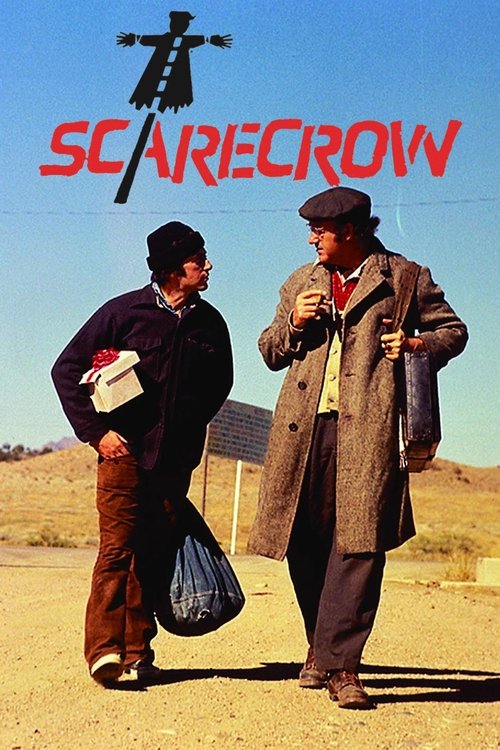
Scarecrow1973
Al Pacino and Gene Hackman as drifters heading to Pittsburgh. It captures the same era's desperation and the dream of reinvention, with two actors at peak intensity finding dark comedy in hopelessness.
But It's relentlessly bleak. There's no uplift and the third act is genuinely hard to watch. Not a comfort film.
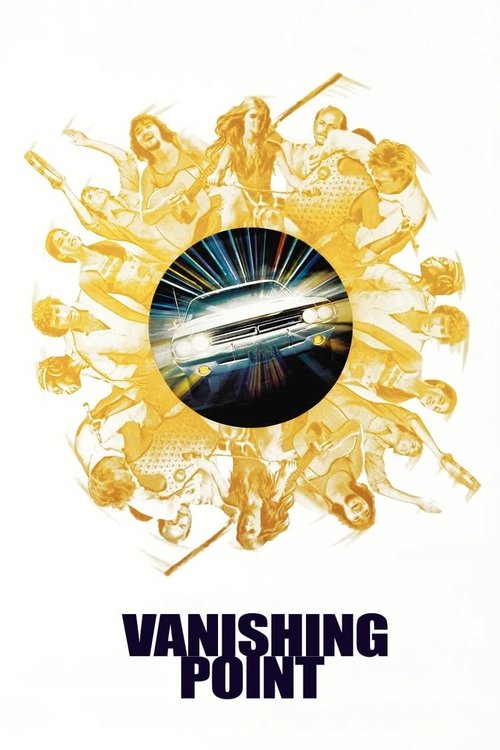
Vanishing Point1971
A driver speeds across America in a Dodge Challenger with a blind radio DJ as his only companion. Hypnotic, cryptic, it's less about plot than the allure of escape and the inevitability of reckoning.
But It's mannered and opaque. The narrative is fractured and some find it pretentious. Long stretches of driving won't appeal to everyone.
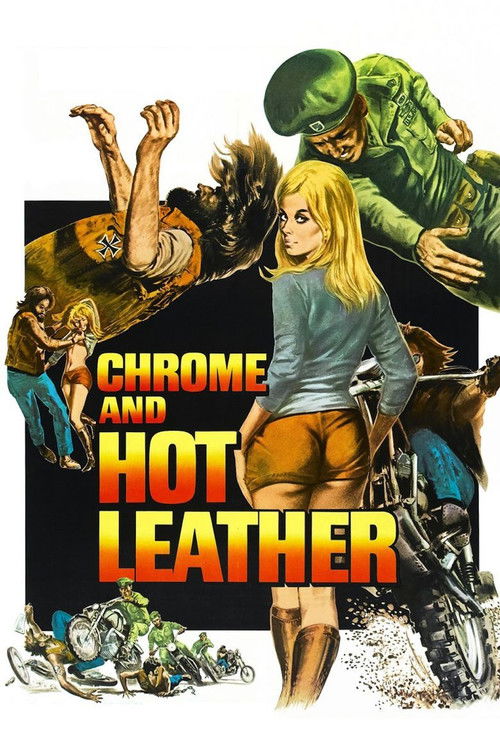
Chrome and Hot Leather1971
Vietnam vets on motorcycles hunt down a biker gang that killed one of their own. Energetic, pulpy, it's exploitation done with genuine craft and the era's specific wounds still fresh.
But It's B-movie plotting with casual racism and sexism that reflects the period without critique. The craft can't entirely overcome the attitudes.
Stalker1979
Both are about men seeking redemption or escape, and both suggest that violence and desire are inextricable from the human need to transcend our circumstances. The commune and the Zone are both promised lands that turn out to be mirrors.
Andrei Tarkovsky's science-fiction meditation on desire, faith, and redemption. A guide leads two men into a mysterious zone toward a room that grants wishes. Visually transcendent, philosophically devastating.
But It's 163 minutes of slow cinema. There's almost no plot. Impatience with long takes and metaphysical questions will make it torture.

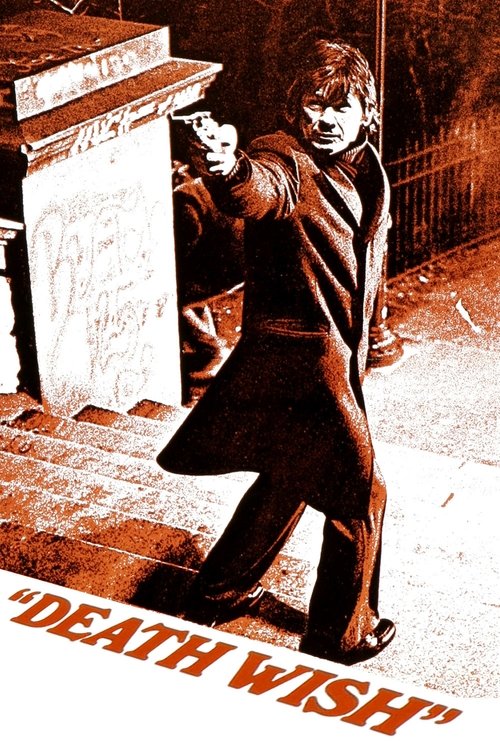
Death Wish1974
Both films argue that the state has abandoned justice to the margins, forcing the outsider to become executioner. Both examine the seduction of revenge and offer no clean resolution—only the fact of violence perpetuating itself.
Charles Bronson as an architect who becomes a vigilante after his family is assaulted. It's a raw, disturbing examination of how grief justifies violence, and how society enables the avenger. Taut, uncompromising.
But It's genuinely ugly in its implications and Bronson's stony performance can feel cold. Some read it as endorsing vigilantism; others find that ambiguity crucial.
People
Cast
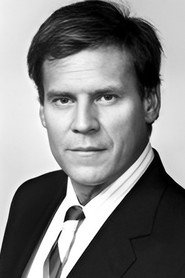 Don StroudAngel
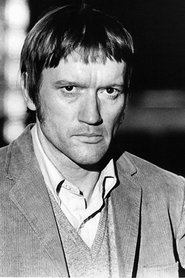 Luke AskewJonathan Tremaine
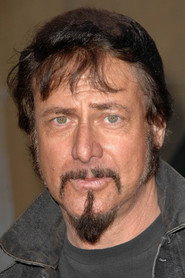 Larry BishopPilot
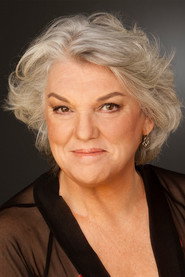 Tyne DalyMerilee
- T. Max GrahamMagician (as Neil Moran)
 Alan GibbsDuner
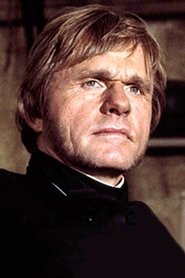 Bill McKinneyShotgun
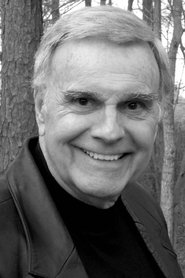
- Peter LawrenceDave
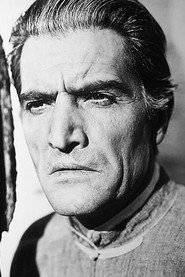 Pedro RegasInjun
- Linda SmithWendy
- Nita MichaelsMatty
Directing
- Lee MaddenDirector
Writing
- Jeffrey Alan FiskinScreenplay
- Jeffrey Alan FiskinStory
- Lee MaddenStory