
Film
Night of the Dark Full Moon
- Mystery
- Serial killer
- Horror
- Very dark
A thriller set in the shadows of a decommissioned asylum where a man uncovers gruesome crimes and discovers the town itself harbors dark secrets. Paranoid and creeping, it rewards patience with genuine unease. Made in 1972 with an unflinching eye, it's for viewers who appreciate slow-burn dread over jump scares.
If you liked this
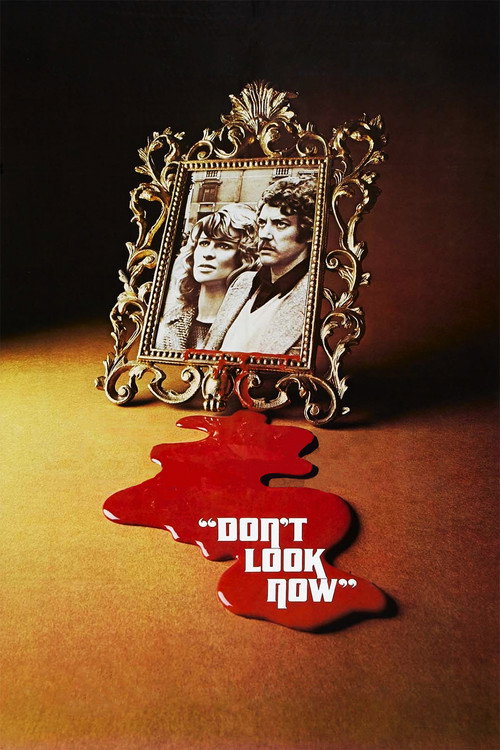
Don't Look Now1973
Masterclass in atmospheric dread. A couple in Venice wrestles with grief while unsettling coincidences mount. Roeg's direction makes every shadow suspect, and the ending arrives like a punch.
But Deliberately paced and cryptic. If you need plot clarity and resolution spelled out, this will frustrate you.
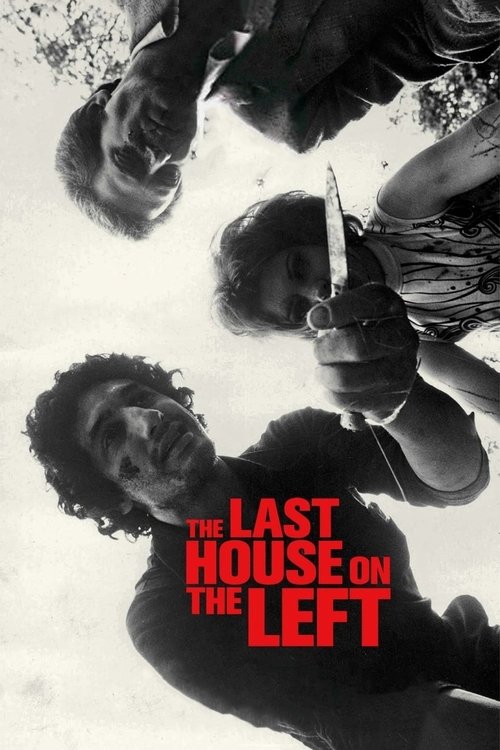
The Last House on the Left1972
Craven's brutal debut about revenge and violation. Raw, genuinely disturbing, and shot with documentary realism. It redefined horror's moral register and launched the modern slasher.
But Nasty and explicit in ways that still feel transgressive. Not a film you watch for comfort; you watch it for reckoning.
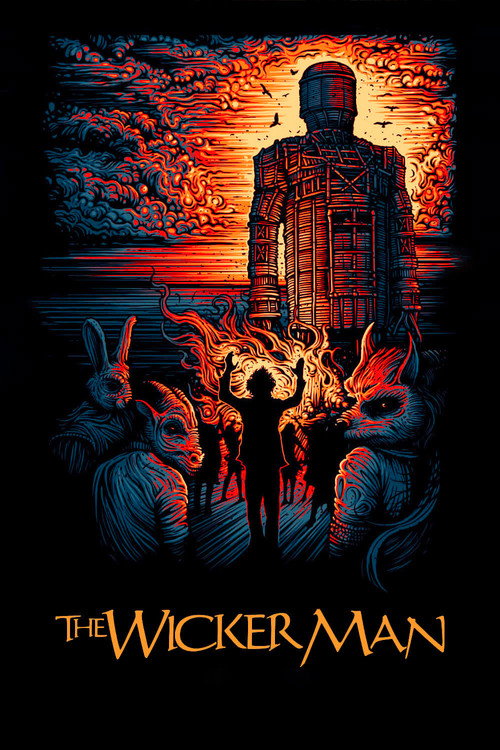
The Wicker Man1973
Folk-horror absolute classic. A policeman arrives on a Scottish island to find ritualistic depravity beneath a veneer of civility. Haunting, genuinely creepy, and the twist is unforgettable.
But Takes its time with character and locale before the horror emerges. The murder mystery element can feel slow if you're hunting for immediate scares.
Not sure tonight? Get a pick in a minute, starting from Night of the Dark Full Moon
The wildcard
Something you would not have found on your own.
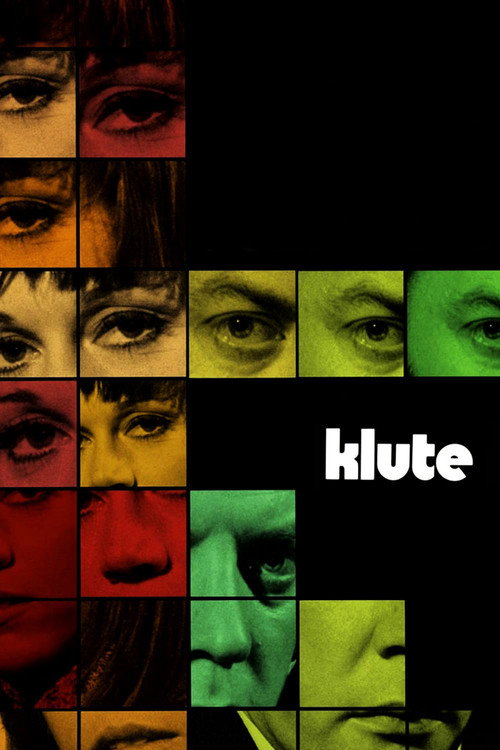
Klute1971
Both excavate corruption and complicity beneath a town's surface. Both ask what happens when you pull a thread and find no one wants the truth.
Pakula's procedural thriller about a detective and a call girl in Manhattan. Taut, paranoid, and morally gripped—but filtered through 1970s neo-noir sensibility instead of horror. Same paranoia, different register.
But Slow burn that privileges character over incident. The thriller elements coexist with psychological portraiture that some find mannered.
More like this (8)
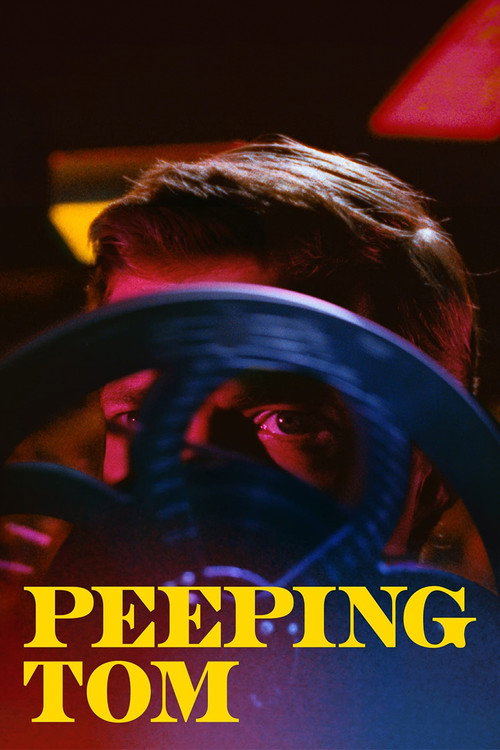
Peeping Tom1960
Powell's forbidden masterpiece: a filmmaker who photographs women at the moment of death. It invents the killer's psychology as cinema subject and does so with perverse artistry and real intelligence.
But Implicated in what it depicts. Watching requires stomach, and some will find it morally compromised no matter the artistic merit.
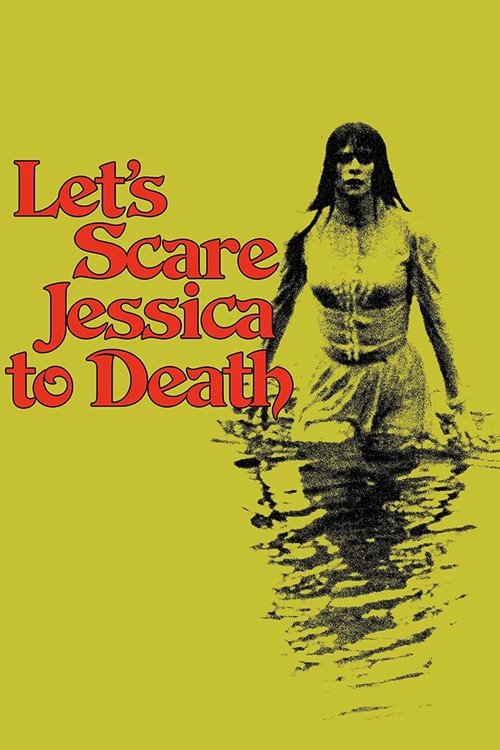
Let's Scare Jessica to Death1971
Indie horror that lurks. A troubled woman moves to an isolated farmhouse and can't tell what's supernatural and what's her own fragile grip on reality. Truly eerie and deeply lonely.
But Deliberately ambiguous about its own events. The narrative refuses clarity, which is the point—but it's unsatisfying if you want answers.
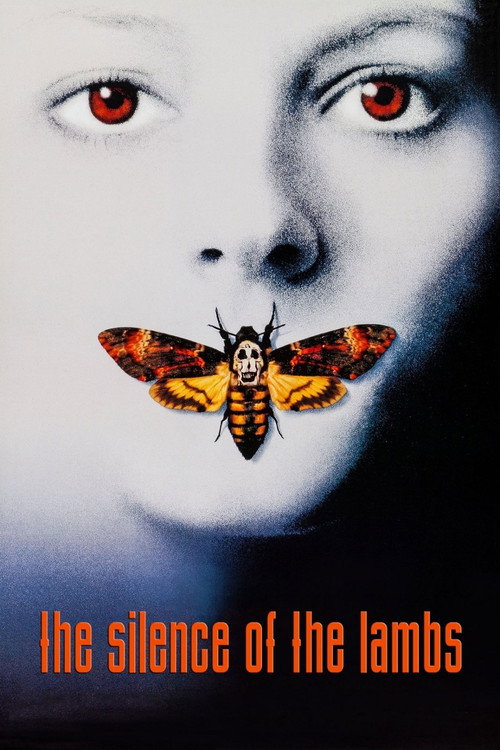
The Silence of the Lambs1991
Fincher-adjacent thriller about patterns and predation. Hopkins' Lecter is magnetic menace, and the procedural scaffolding gives the horror shape. Relentless and intelligent.
But The Lecter scenes can overshadow what's actually a well-crafted FBI procedural. Some find it too polished, too much a thriller as prestige object.
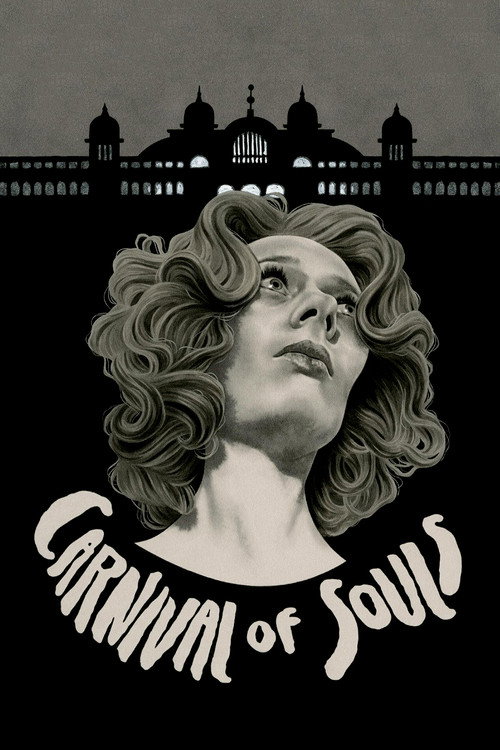
Carnival of Souls1962
Cheap, haunting, and unclassifiable. A woman survives a car accident and slowly realizes the living see through her. Shot in desaturated black-and-white with genuine metaphysical dread.
But Threadbare budget shows, and the narrative is deliberately enigmatic. If you need plot explanation, you'll leave frustrated.
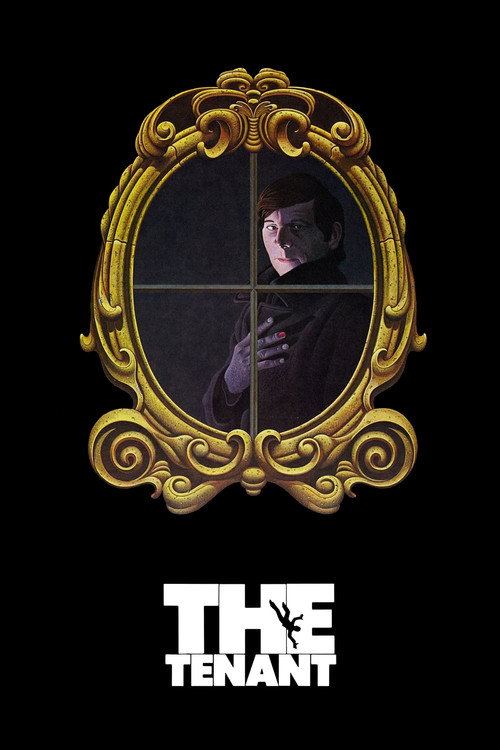
The Tenant1976
Polanski's spiral into paranoia. A man rents a flat in Paris and becomes convinced the neighbors are driving him toward a specific fate. Unsettling, baroque, and increasingly vertiginous.
But Elliptical and strange, with a gender-bending finale that divides viewers. The whole thing has a fever-dream logic that can feel opaque rather than artistic.
Suspiria1977
Argento's visual phantasm about a woman entering a dance academy that's actually a coven. Kaleidoscopic color, a piercing score, and a completely unhinged logic that overrides reason.
But Plot is secondary to atmosphere and image. The narrative doesn't add up; if story coherence matters, the dreamy irrationality will annoy you.

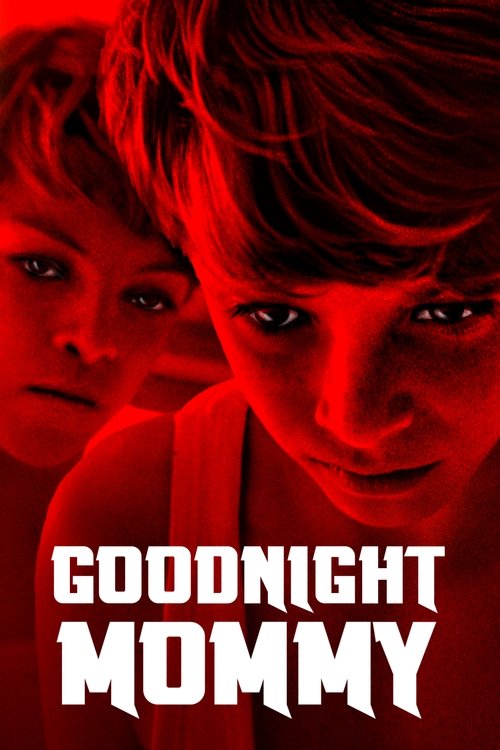
Goodnight Mommy2015
Small cast, isolated setting, deep psychological warping. Both films make the familiar—family, home, authority—feel violating and strange. Both trust atmosphere over explanation.
Austrian horror about twin boys convinced their mother is an impostor after facial surgery. Visually immaculate, genuinely eerie, and the final twist recontextualizes everything. Arthouse viscera.
But Deliberately withholding and aestheticized. Foreign, slow, and the ending hinges on interpretation some find unsatisfying or overly clever.
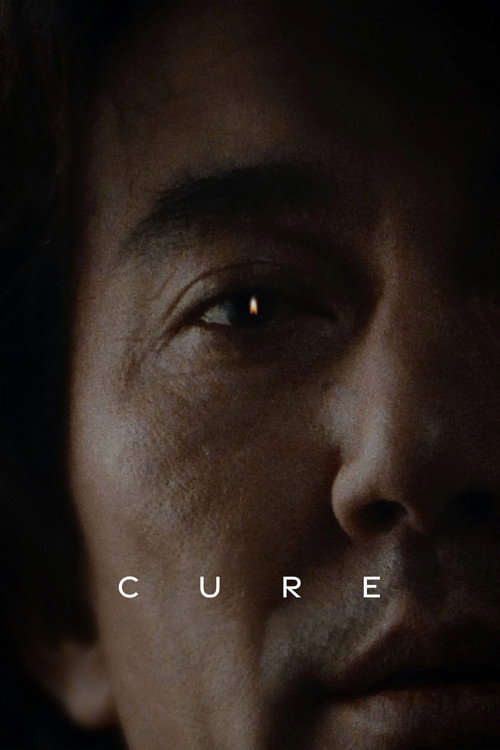
Cure1997
Both examine small communities where something unseen has rotted beneath the surface. Both suggest that information and complicity are as dangerous as violence itself.
Kurosawa's Japanese masterwork about seemingly random murders linked by suggestibility itself. Hypnotic, deeply original, and asks if violence can be transmitted like contagion. Brilliantly filmed and genuinely unsettling.
But Conceptual and abstract. If you need clear narrative momentum and causal logic, it will feel oblique and maddeningly slow.
People
Cast
 Patrick O'NealJohn Carter
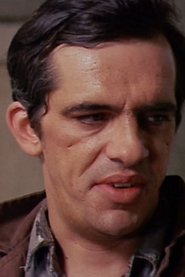 James PattersonJeffrey Butler
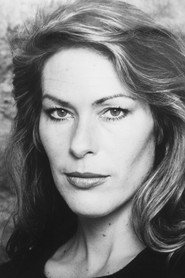 Mary WoronovDiane Adams
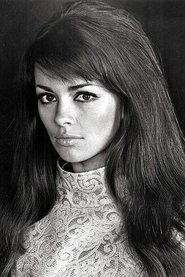 Astrid HeerenIngrid
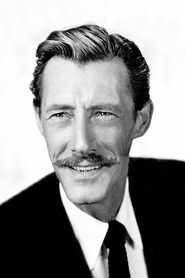 John CarradineCharlie Towman
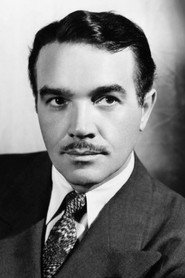 Walter AbelMayor Adams
- Fran StevensTess Howard
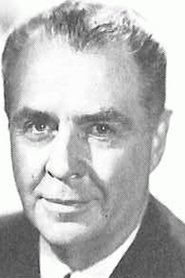 Walter KlavunSheriff Bill Mason
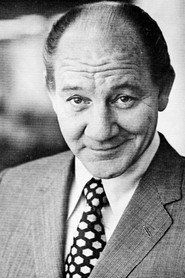 Philip BrunsWilfred Butler (1929)
- Staats CotsworthWilfred Butler (voice)
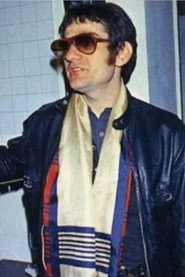 OndineChief Inmate
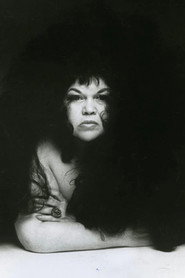 Tally BrownInmate
Directing
- Andrew GeygersonAssistant Director
- Helga PetrashevichContinuity
- Theodore GershunyDirector
Writing
- Ira TellerScreenplay
- Jeffrey KonvitzScreenplay
- Theodore GershunyScreenplay
- Ira TellerStory
- Jeffrey KonvitzStory
Production
- Frank VitaleAssociate Producer
- Lloyd KaufmanAssociate Producer
- Ami ArtziProducer
- Jeffrey KonvitzProducer