
Film
I Drink Your Blood
A 1971 exploitation horror film where a boy takes grotesque revenge on a satanic hippie cult that harmed his family. Aggressively weird and nasty—cheap, angry, and utterly committed to its premise. For viewers drawn to transgressive cinema and the horror underground: uncompromising, genuinely disturbing, and historically significant despite its rough edges.
If you liked this
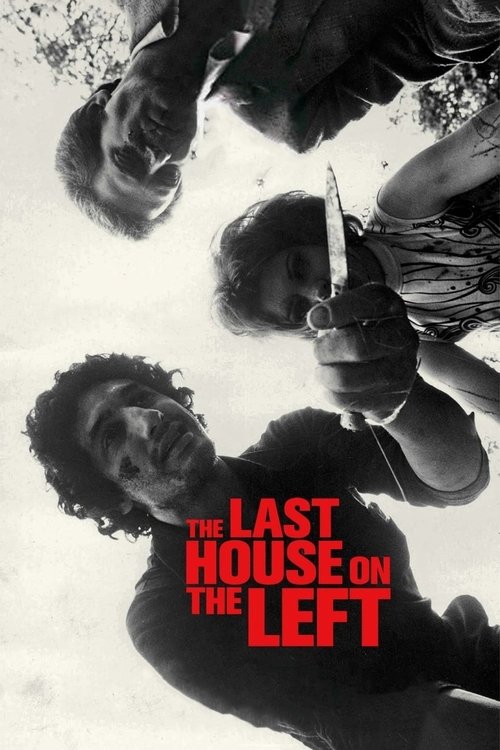
The Last House on the Left1972
Wes Craven's debut is similarly raw and revenge-driven, channeling real violence and trauma into exploitation horror. It has the same queasy moral ambiguity and no-budget authenticity that makes I Drink Your Blood so unsettling.
But Relentlessly bleak and graphic. The violence is presented as ugly and consequential rather than cathartic, which some find punishing rather than entertaining.
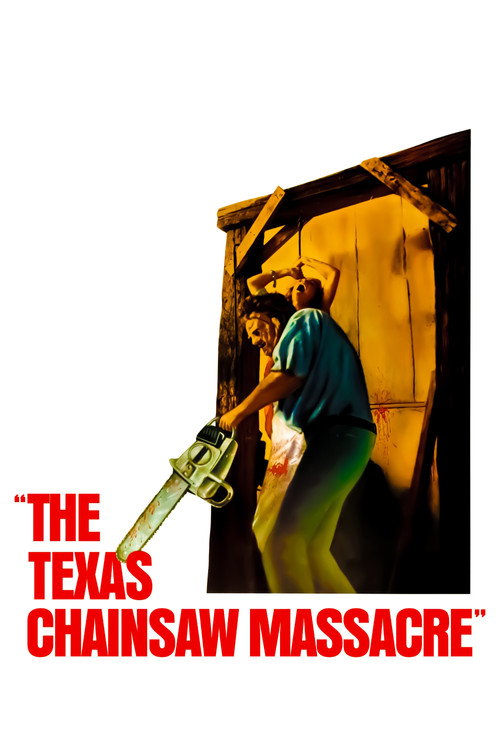
The Texas Chain Saw Massacre1974
Another maximalist horror built on minimal budget, raw performances, and genuine dread. Both films prove that restraint isn't required for visceral impact—sometimes the opposite is true.
But Grainy, disorienting, deliberately crude. If you need polished cinematography or clear narrative beats, this will feel chaotic and incomplete.
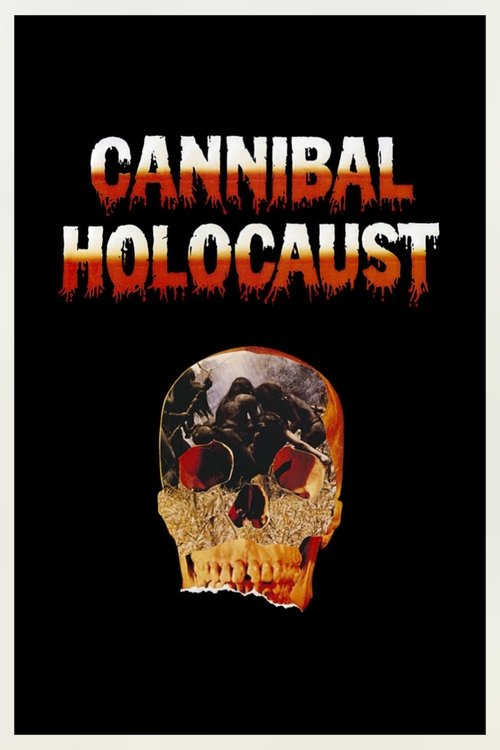
Cannibal Holocaust1980
Shares the same refusal to sanitize its premise or apologize for its content. A found-footage precursor equally interested in transgression as commentary, mixing genuine anthropological footage with staged atrocity.
But Genuinely difficult to watch. Contains real animal violence that has not aged well and sequences designed to provoke rather than entertain. Not recommended if animal cruelty is a dealbreaker.
Not sure tonight? Get a pick in a minute, starting from I Drink Your Blood
The wildcard
Something you would not have found on your own.
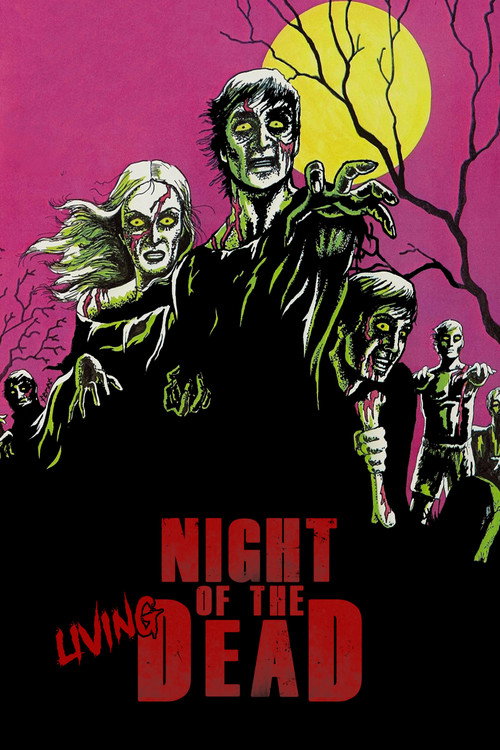
Night of the Living Dead1968
Both are American horror films that channel social anxiety (racial violence, generational conflict) into genre storytelling. Neither pulls punches or pretends its violence is anything but real.
George Romero's seminal zombie film predates I Drink Your Blood by three years but shares its DNA: low-budget urgency, social rage, genuine horror emerging from nowhere. A primer for what American genre cinema could do when filmmakers refused to compromise.
But Black and white, grainy, deliberately paced. Feels more like newsreel horror than modern cinema. Demands engagement rather than passive consumption.
More like this (8)
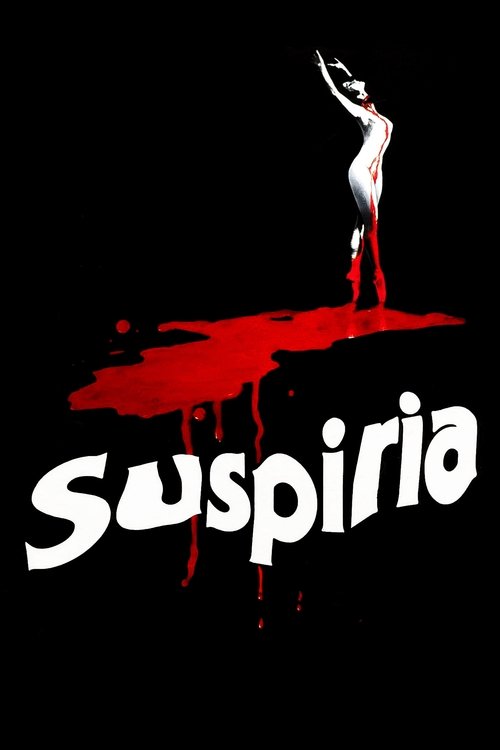
Suspiria1977
Dario Argento's operatic horror has the same disregard for realism and preference for visceral sensation over logic. Witch cults, surreal violence, a world that runs on dream logic rather than sense.
But More interested in style than narrative. The plot is thin, the acting is sometimes wooden, and everything serves the aesthetic. If you need character development, you'll find it absent.
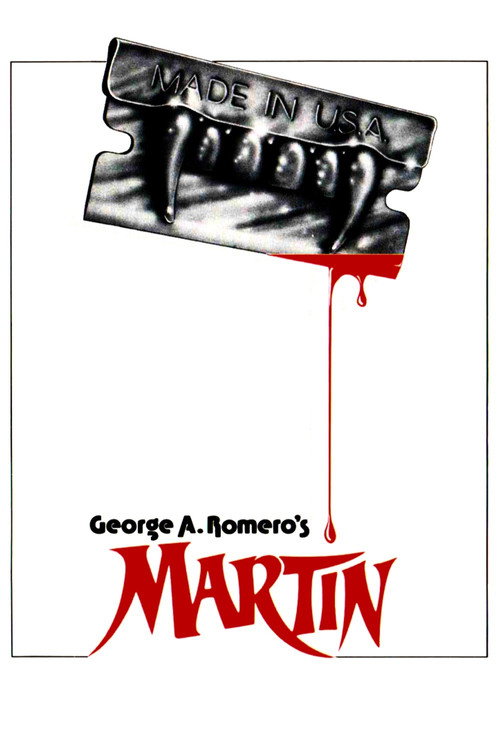
Martin1978
George Romero's intimate study of a possible vampire in 1970s Pittsburgh. Like I Drink Your Blood, it's low-budget horror that treats its premise seriously and explores violence without flinching.
But Slow and contemplative. Long stretches of mundane life punctuated by shocking moments. Requires patience and interest in character over incident.
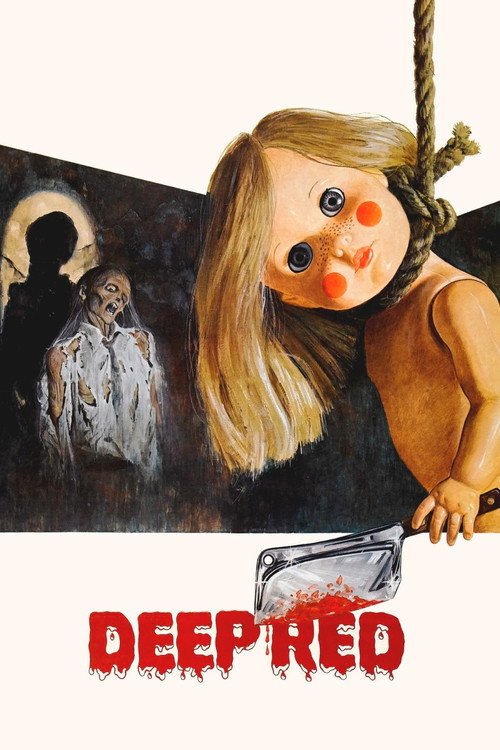
Deep Red1975
Another Argento giallo that matches the intensity and visual extremity of I Drink Your Blood. Baroque, violent, more interested in mood and spectacle than logical plotting.
But Dubbed dialogue (in most prints) can undercut tension. The mystery plot is convoluted and the dubbing adds distance between you and the screen.
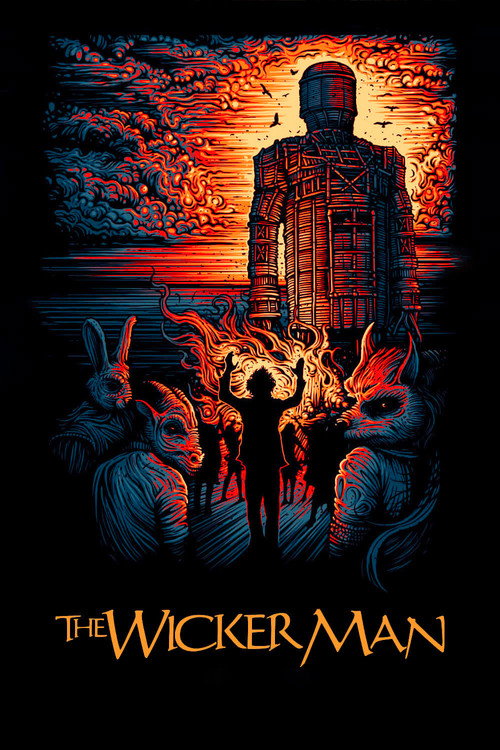
The Wicker Man1973
Folk horror that builds dread through atmosphere and ideology rather than jump scares. A cult film (literally) that shares I Drink Your Blood's interest in isolated communities and transgressive belief systems.
But Methodical and slow. The horror is conceptual rather than visceral, which can feel anticlimactic if you're expecting shocks.
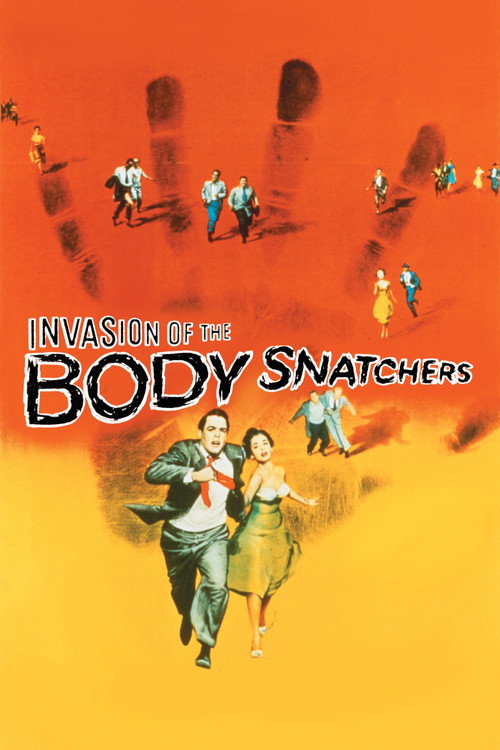
Invasion of the Body Snatchers1956
The original offers paranoia and social commentary wrapped in B-movie urgency. Like I Drink Your Blood, it's politically inflected horror dressed up as exploitation.
But Made in 1956, it moves at a pre-modern pace. The effects are period and the dialogue is stiff. Requires tolerance for science fiction cinema of an earlier era.
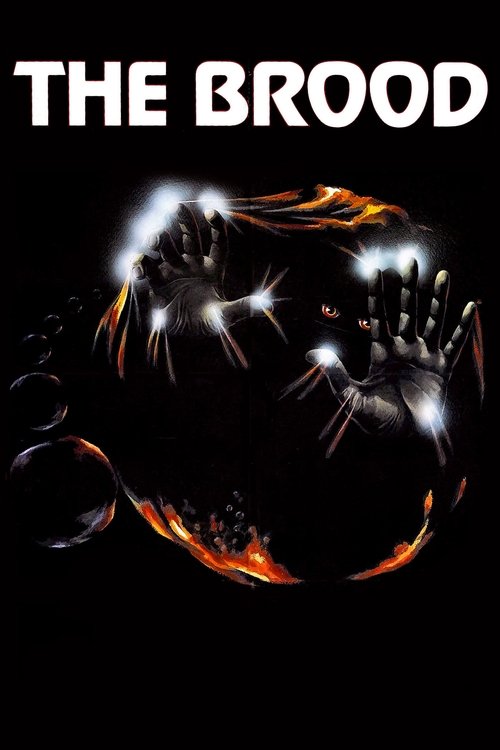
The Brood1979
David Cronenberg's body horror film about a mother's rage made flesh. Grotesque, committed, and equally interested in trauma and its graphic physical manifestations.
But Deeply unpleasant in its central premise. The violence, particularly against children, is disturbing on a thematic level that goes beyond shock value.
Under the Skin2014
Both pit vulnerability against predatory forces using ordinary settings rendered alien and threatening. Both trust their concept absolutely and refuse to explain themselves.
An alien predator stalking Scotland; abstract, genuinely uncanny, interested in visceral unease over explanation. Like I Drink Your Blood, it refuses conventional narrative logic and trusts pure sensation to disturb.
But Slow, obtuse, and hostile to interpretation. Long sequences of driving in darkness. If you need plot clarity or dialogue to follow, this will frustrate you intensely.

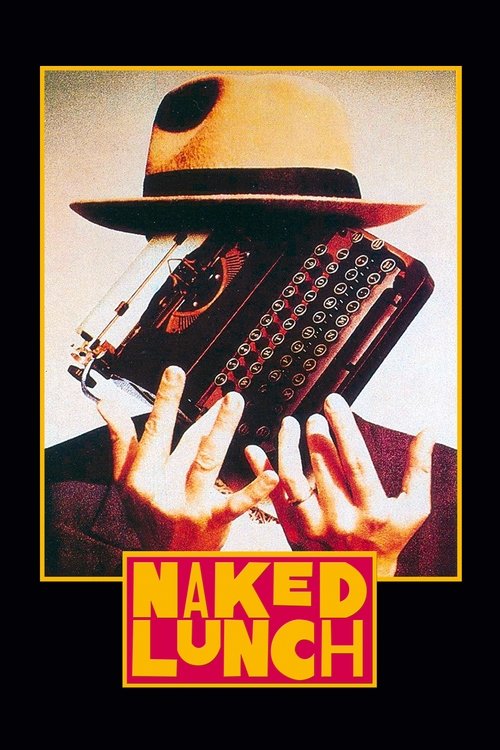
Naked Lunch1991
Both are films built on transgression as philosophical position rather than plot device. Both demand viewers accept ugliness as the price of entry and refuse to soften their edges.
Cronenberg's fever-dream adaptation of Burroughs: chaotic, transgressive, grotesque, and deliberately unpleasant. Two hours of pure disorientation that makes formal sense only if you surrender to its logic.
But Incomprehensible on first viewing. Deliberately disgusting. Based on source material designed to repel. If coherence matters to you, you will hate this.
People
Cast
 Bhaskar Roy ChowdhuryHorace Bones
- Jadin WongSue-Lin
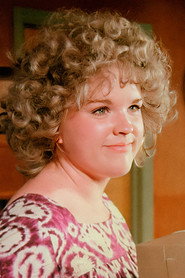 Rhonda FultzMolly
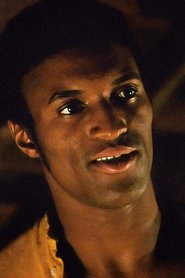 George PattersonRollo
- Riley MillsPete Banner
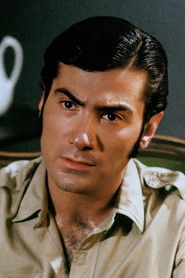 John DamonRoger Davis
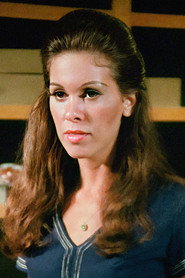 Elizabeth Marner-BrooksMildred Nash
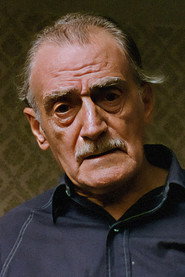 Richard BowlerDoc Banner
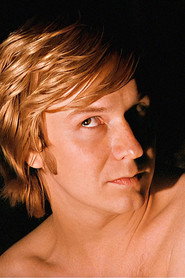 Tyde KierneyAndy
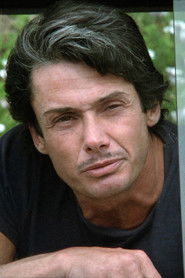 Alex MannShelley
- Bruno DamonRabid Guy
- Mike GentryRabid Guy
Directing
- David E. DurstonDirector
Writing
- David E. DurstonWriter
Production
- Henry KaplanAssociate Producer
- Jerry GrossProducer
- Loren FrankProduction Manager