
Film
Martin
Other titles called Martin: the 1992 series (FOX).
- Horror
- Drama
- Dark fantasy
- Very dark
George Romero's *Martin* is a vampire film that refuses the fantasy. A young man convinced he's undead arrives in a dying Pennsylvania mill town and quietly begins predating on the vulnerable. It's slow, grounded, and deeply uncomfortable—a study in isolation and the thin line between delusion and monstrosity. For viewers ready to sit with dread.
Should you watch it?
Watch it if you like slow, sad, ambiguous horror where the monster may just be a lonely man, and the fog of doubt about what is real matters more than jump scares.
Skip it if you want a sleek, stylish vampire romance, since the film is talky, unhurried and grubby, with long stretches of quiet domestic friction.
What it asks of you: Long quiet scenes where little seems to happen, a steady ninety-five minutes, and a grey, low-key mood that rewards patience over payoff; it rarely hurries.
Not sure? Find tonight's pick in a minute.
If you liked this
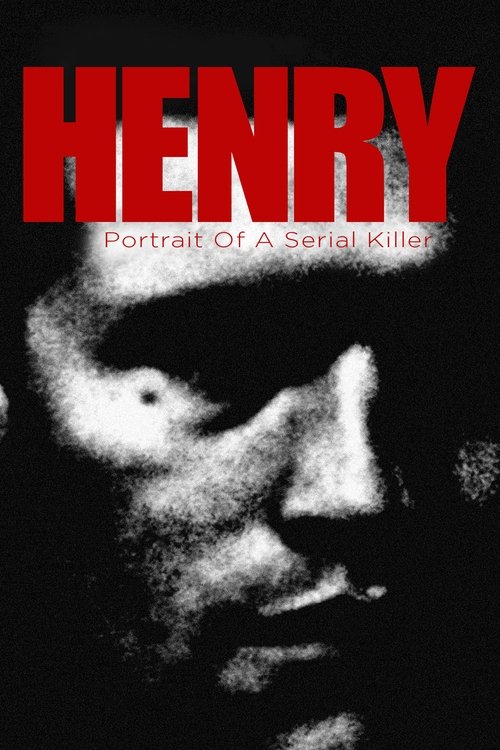
Henry: Portrait of a Serial Killer1986
Like *Martin*, this follows an ordinary man committing ordinary cruelties. No gothic glamour, no grand justification—just the quotidian horror of someone who hurts people and lives in a room. Profoundly destabilizing.
But The violence isn't stylized or distant. It happens to real people in real spaces, and the camera doesn't look away. Some find it unwatchable rather than enlightening.
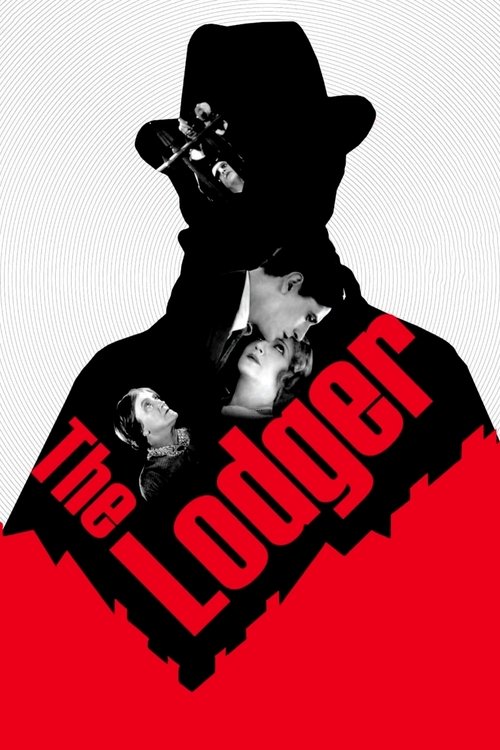
The Lodger: A Story of the London Fog1927
Hitchcock's silent debut about a mysterious lodger suspected of being a serial killer. It has the same architectural dread as *Martin*—confined spaces, suspicious glances, a small community closing in—but in German Expressionist shadow.
But Silent film moves at its own pace. If you're used to dialogue carrying emotion, the silence and intertitles may feel like work rather than immersion.
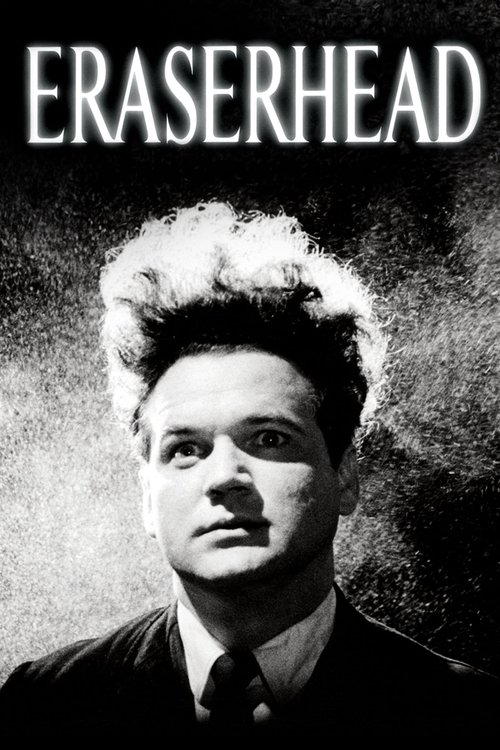
Eraserhead1977
Lynch's nightmarish debut shares *Martin*'s industrial decay, sexual anxiety, and sense that the world is fundamentally hostile. Both films are fever dreams masquerading as realism. Hypnotic and repellent at once.
But Deliberately obscure and more interested in mood than meaning. If you need narrative clarity, this will frustrate you more than haunt you.
Not sure tonight? Get a pick in a minute, starting from Martin
The wildcard
Something you would not have found on your own.
Possession1981
Both use the vampire/demon conceit not as horror but as metaphor for how one person's illness or delusion can colonize an entire household and small community.
Andrzej Żuławski's marriage-collapse nightmare opera. Like *Martin*, it's fundamentally about a man convinced something alien has invaded his world—but here the violation is psychological, sexual, and marital. Visually baroque where *Martin* is austere, but equally obsessed with invisible sickness.
But It's deliberately excessive and sometimes incoherent by design. The performances are unhinged. If you need restraint or clarity, this is the opposite.

More like this (8)
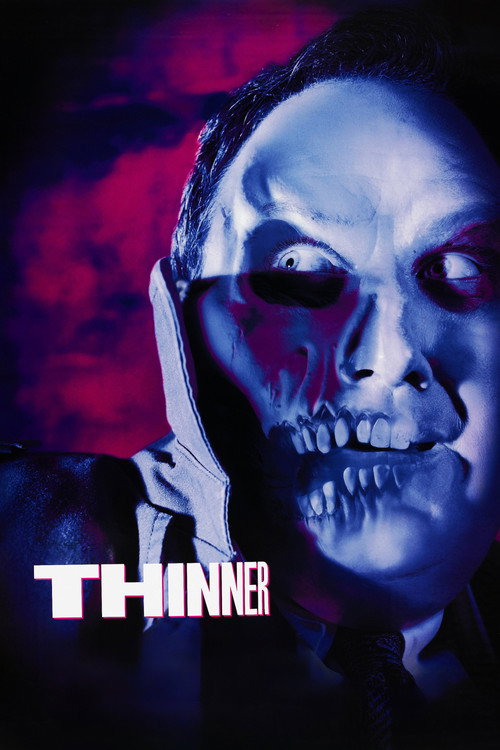
Thinner1996
Cronenberg's body-horror adaptation of King captures the same smalltown claustrophobia and the grotesque ordinariness of supernatural invasion. A man's body becomes a curse he cannot escape or explain.
But The visual effects haven't aged gracefully. Some of the creature work looks unintentionally silly, which undermines the dread.
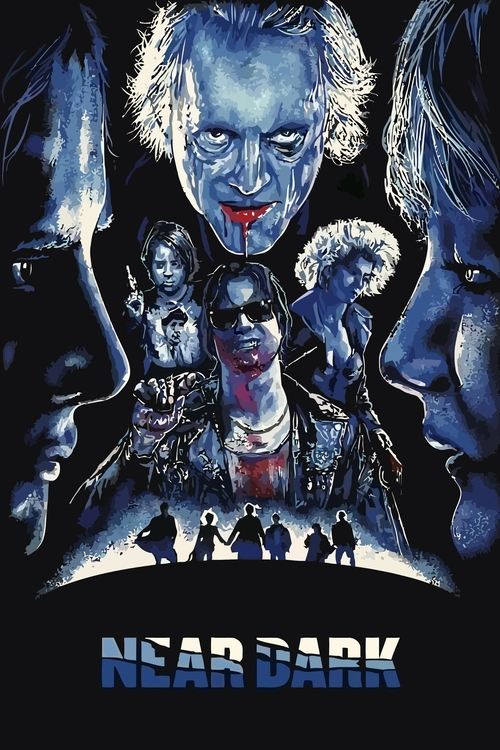
Near Dark1987
Bigelow's vampire film strips away mythology to explore predation as a chosen family and a violence you can't undo. It has *Martin*'s refusal of romance, with considerably more style and bloodshed.
But It's lean and efficient but doesn't linger. Some viewers find it cold rather than chilling—all technique, no residual unease.
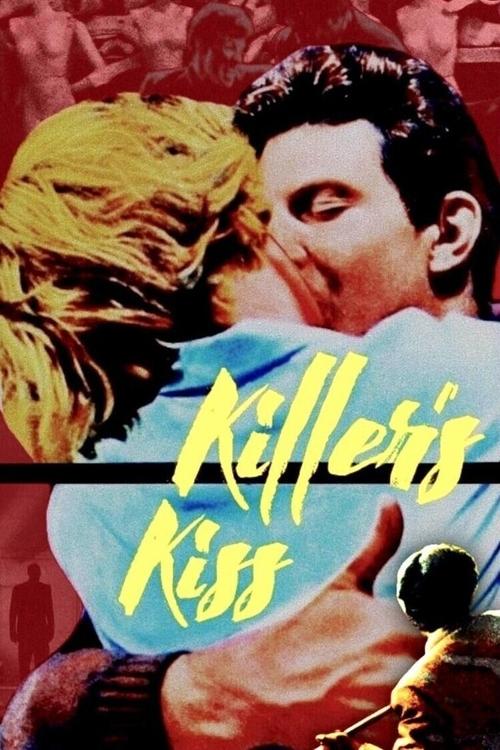
Killer's Kiss1955
Kubrick's low-budget noir about a boxer drawn into violence through proximity to a woman. The same inescapable mechanics: small decisions, mounting wrongness, a man trapped by circumstance and his own nature.
But It's economical to the point of spareness. The dialogue is functional, and there's almost no warmth. Some find it too austere to engage with emotionally.
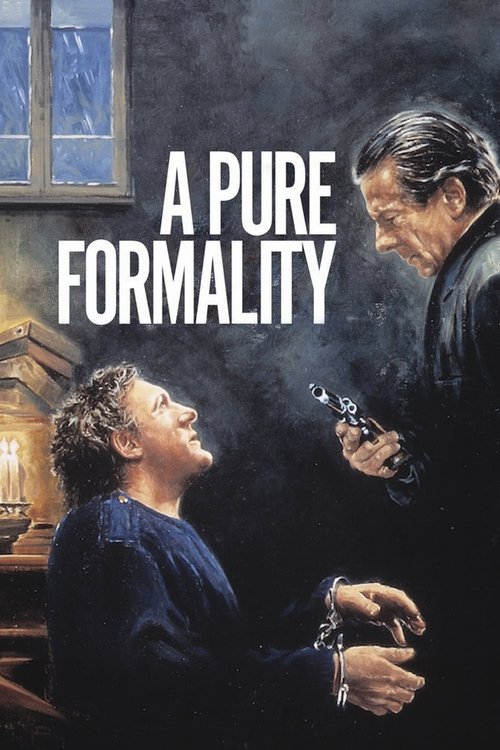
A Pure Formality1994
Tornatore's dialogue film about an author interrogated by police after a murder. Confined, conversational, obsessed with the line between truth and narrative invention. A psychological slow-burn that mirrors *Martin*'s paranoia.
But Almost no action. It's two people in a room talking. If you need visual variety or plot momentum, this will feel glacial.
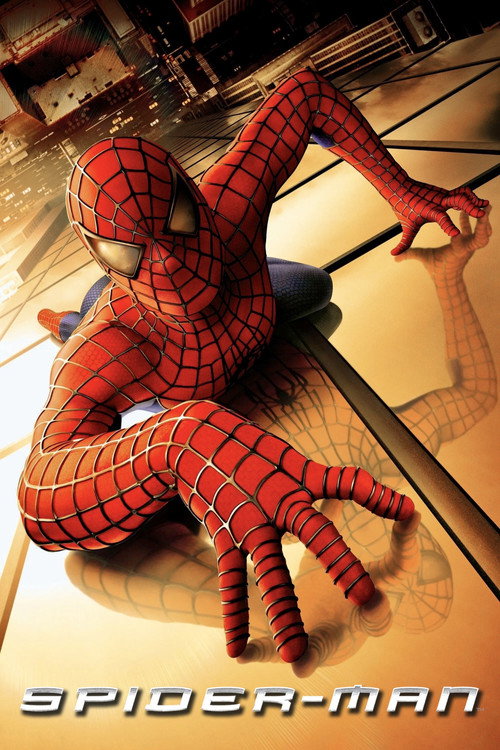
Spider-Man2002
Cronenberg explores a man's fragmented memory of urban decay and childhood trauma. Like *Martin*, it trusts the viewer to sit with confusion and discomfort while reality unravels. Intimate and alienating in equal measure.
But It's deliberately opaque. The narrative unfolds in pieces, and some ambiguities are never resolved. Requires patience and tolerance for not understanding fully.
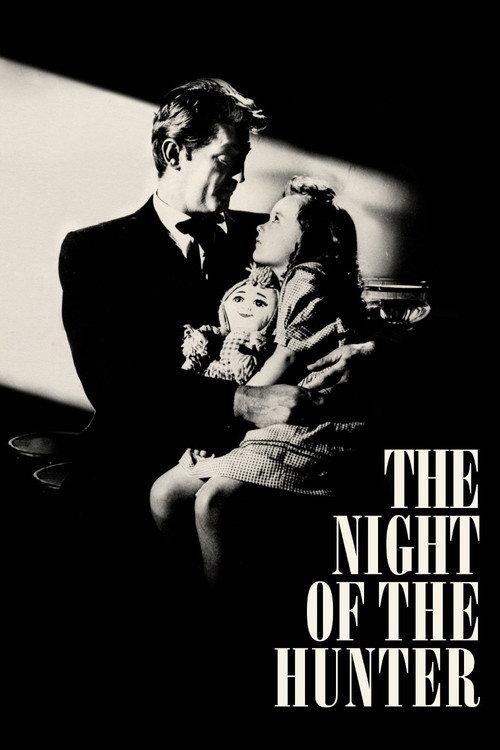
The Night of the Hunter1955
Laughton's only directorial effort is a fever dream of menace and small-town America. A predatory man invades a community; everyone is complicit through silence or self-interest. Black-and-white, deeply stylized, utterly hypnotic.
But The pacing is deliberate and the tone shifts between registers. Some moments feel operatic rather than naturalistic, which can pull you out.
Come and See1985
Both films trust horror to emerge from plausibility rather than spectacle. A man becoming predatory through circumstance and isolation; a boy becoming a killer through trauma. The monstrosity is earned.
Klimov's Soviet war film follows a boy's descent into numbness and monstrosity through exposure to genocide. Not supernatural, but it tracks the same trajectory as *Martin*—watching someone become the thing they fear. Unbearably bleak and necessary.
But The subject matter is historical atrocity. This is not entertainment. Realistic violence, child suffering, and despair. Bring grief, not curiosity.

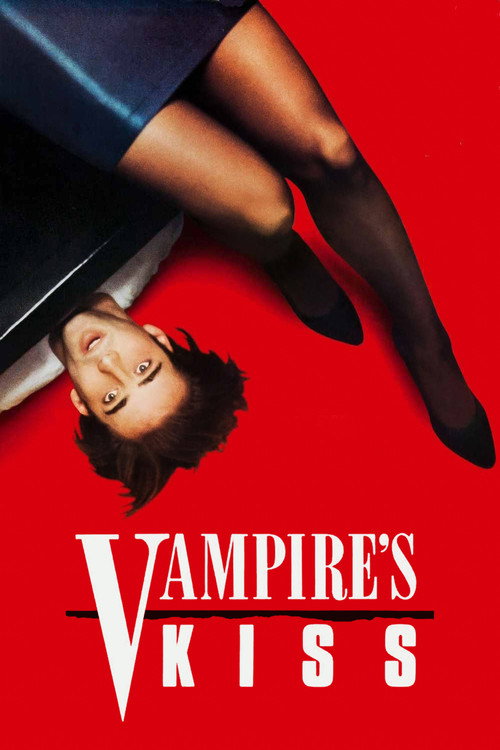
Vampire's Kiss1989
The same central paradox: is he a vampire, or just a man behaving like one? *Martin* treats it as tragedy; *Vampire's Kiss* treats it as farce. Both understand that the delusion itself is the monster.
Nicolas Cage's deranged Manhattan yuppie descends into paranoid conviction that he's a vampire. It's *Martin* as absurdist comedy—same psychological disintegration, same vampire delusion, but played as satire of 1980s excess and masculine performance. Genuinely hilarious and deeply unsettling.
But The tonal whiplash is intentional but jarring. If you want consistency of mood, this will feel like two films spliced together. Cage's performance is provocative in ways some find off-putting.
People
Cast
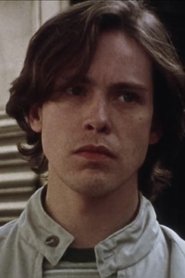 John AmplasMartin Mathias
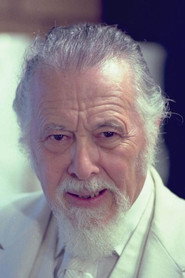 Lincoln MaazelTada Cuda
 Christine ForrestChristina
- Elyane NadeauAbbie Santini
 Tom SaviniArthur
 Francine MiddletonTrain Victim
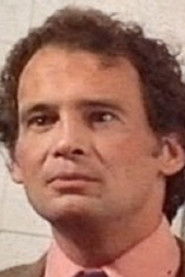 Roger CaineLewis
 Sara VenableMrs. Willard
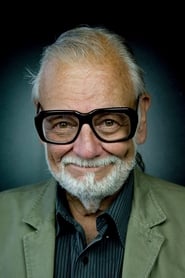 George A. RomeroFather Howard
- Michael GornickBarry - Radio Talk Show Host
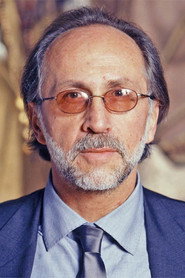 Richard P. RubinsteinRichard
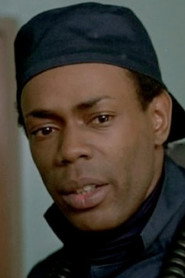 Clayton McKinnonDrug Dealer
Directing
- George A. RomeroDirector
Writing
- George A. RomeroScreenplay
Production
- Patricia BernesserAssociate Producer
- Ray SchmausAssociate Producer
- Ben BarenholtzProducer
- Richard P. RubinsteinProducer
- Joyce WeberProduction Coordinator
Recommended by
Near Dark, Dracula, Forever Knight, I Drink Your Blood, Subspecies, Vampires, Dracula 2000