
Film
A Pure Formality
Gérard Depardieu is a famous recluse hauled into a rural police station with no memory of his evening. What follows is a hypnotic interrogation: the Inspector circles, prods, and gradually unmasks something darker than any simple crime. Polanski directs this chamber piece like a trap closing. It's cerebral, unsettling, utterly committed to one long, strange night.
If you liked this
Mulholland Drive2001
A fractured mystery about identity and delusion set in the same paranoid register. Like A Pure Formality, it circles back on itself, rewarding close attention and leaving you certain you've missed something crucial.
But Dense and deliberately frustrating. Lynch won't explain himself, and the film demands multiple viewings to even begin parsing what's real.

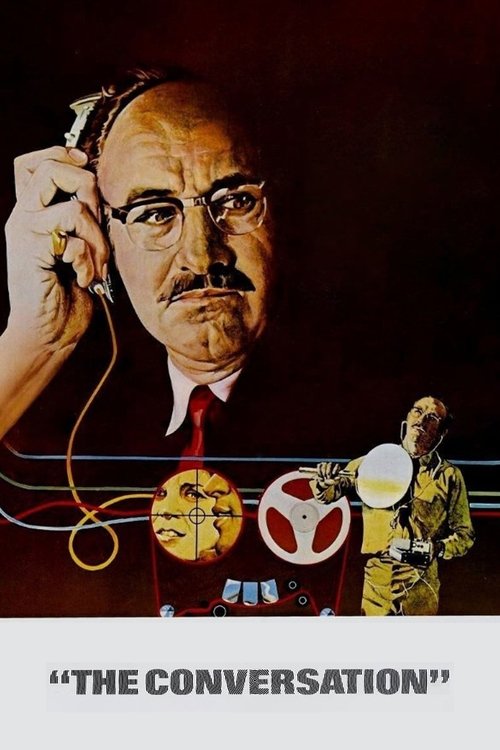
The Conversation1974
A man slowly realizes his professional detachment masks something sinister within himself. Coppola builds dread through surveillance and repetition, interrogating obsession as methodically as Polanski does here.
But Deliberately paced to the point of stasis. If you need plot momentum, this will feel like watching paint dry.
Under the Skin2014
An interrogation of surface versus substance, played out in long, hypnotic sequences. Like Polanski's film, it trusts silence and strangeness over explanation, building unease through atmosphere and withholding.
But Virtually plotless. Glazer favours mood over narrative, which some find pretentious rather than profound.

Not sure tonight? Get a pick in a minute, starting from A Pure Formality
The wildcard
Something you would not have found on your own.
Stalker1979
Both use confinement—interrogation room or mysterious zone—as a mirror. Both ask: who are we when forced to confront ourselves?
Tarkovsky's metaphysical thriller: a guide leads two men through a mysterious zone toward a room that grants wishes. Glacially paced, hypnotic, about desire and self-deception. A completely different aesthetic, but the same obsession with what we conceal from ourselves.
But Soviet science fiction from 1979. It's slow, philosophical, and utterly uninterested in plot. It will feel alien if you're not already drawn to Tarkovsky.

More like this (7)
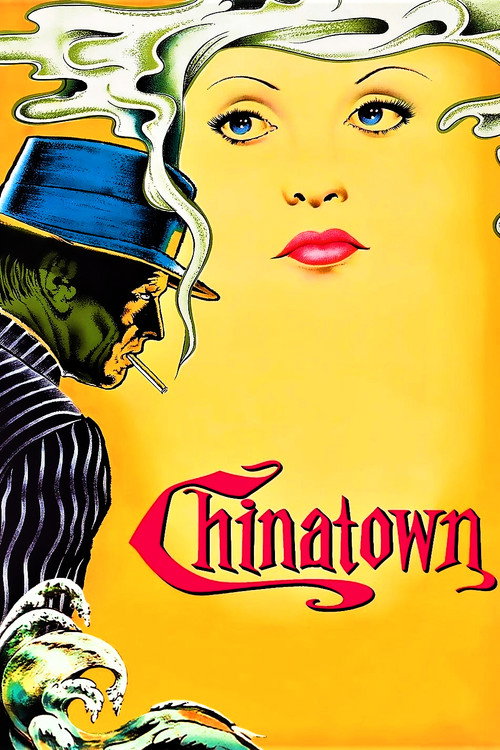
Chinatown1974
The definitive Polanski noir: a detective unpicking conspiracy and corruption in a claustrophobic Los Angeles. Immaculate construction, and Nicholson's slow moral unraveling mirrors Depardieu's here.
But You may already know it. If not, its ending is so famous it's hard to come to fresh.
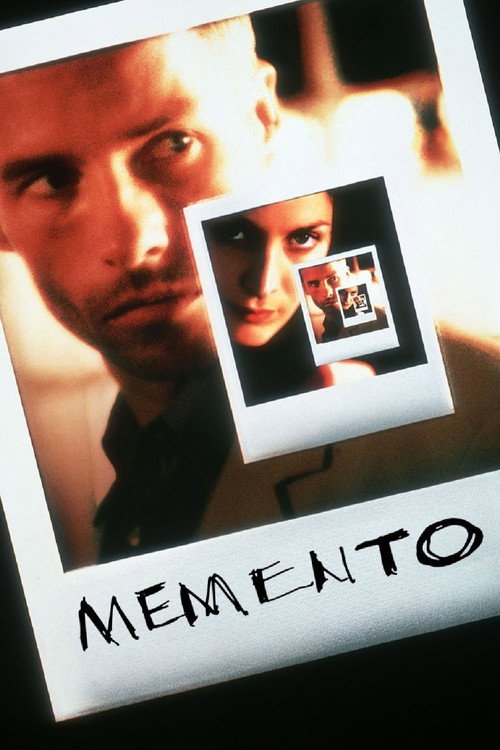
Memento2000
A man with no short-term memory investigates a crime. Like A Pure Formality, it plays games with chronology and revelation, using fragmentation to mirror confusion and unreliability.
But The reverse chronology can feel gimmicky rather than illuminating. And Nolan's sometimes too clever for his own good.
The Third Man1949
A man arrives in Vienna to confront an old friend and discovers nothing is as it seems. Reed's geometric compositions and Greene's moral ambiguity create the same sense of being trapped in someone else's game.
But Post-war Vienna noir isn't everyone's era. It moves at its own meditative pace.

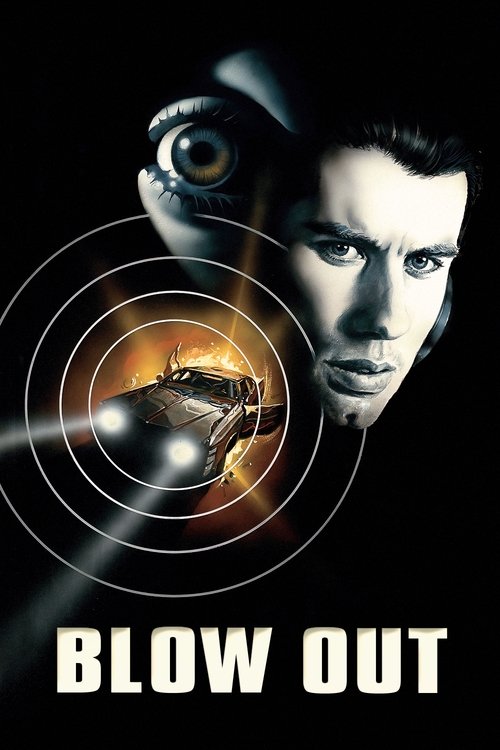
Blow Out1981
De Palma's paranoid thriller about obsession and the unreliability of perception. Like Polanski, he uses technique to make us doubt what we're seeing, and Travolta's slow realization mirrors Depardieu's disintegration.
But The sexual politics are dated and uncomfortable. De Palma's style can overshadow substance.
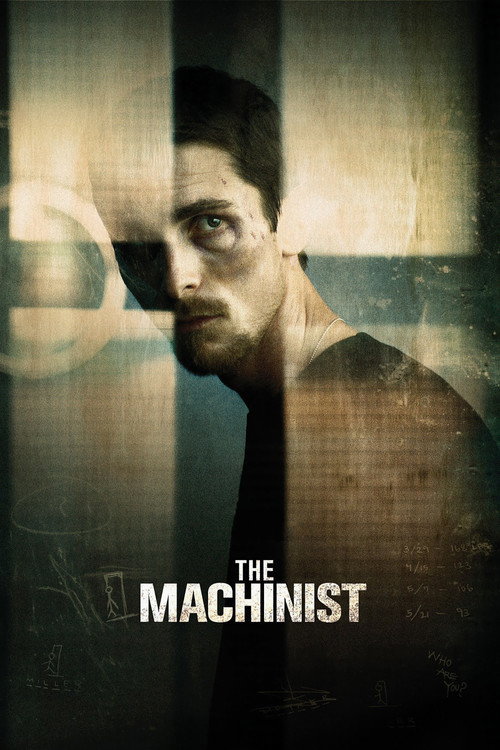
The Machinist2004
A haunted insomniac unravels in a industrial maze. Like A Pure Formality, it's a descent into psychological dissolution, revealing terrible truths through obsessive, almost hypnotic repetition.
But Relentlessly bleak and punishing to watch. There's no catharsis here, only deterioration.
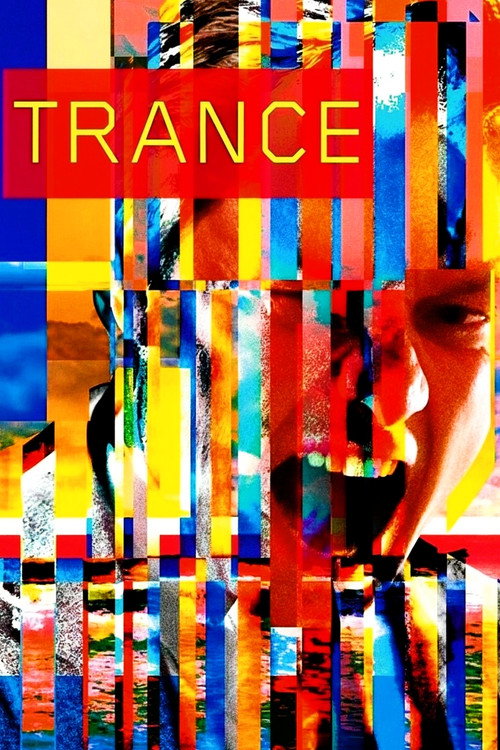
Trance2013
A hypnotherapist and an art heist collide in increasingly unreliable ways. Danny Boyle uses technique and manipulation as narratively as Polanski does, keeping you permanently off-balance.
But The twist prioritizes style over coherence. By the end, plot logic has ceded entirely to mood.
In the Mood for Love2000
Both films are interrogations of betrayal and hidden lives, but where Polanski uses interrogation as method, Wong uses visual obsession. Both trust that what's unspoken matters more than what's said.
Wong Kar-wai's ravishing Hong Kong film about two neighbours who discover their spouses are having an affair. He explores infidelity through long, fractured sequences and withholding. Like Polanski, Wong uses repetition and visual precision to suggest depths that words cannot touch.
But Not a thriller at all—it's romantic and melancholic. The narrative barely exists; it's all mood and colour. Some find it achingly beautiful; others find it glacially boring.

People
Cast
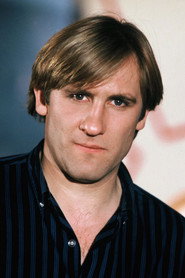 Gérard DepardieuOnoff
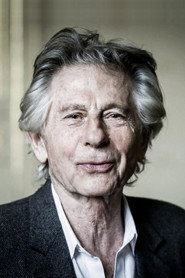 Roman PolanskiInspector
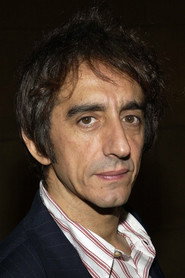 Sergio RubiniAndre
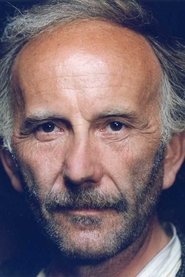 Nicola Di PintoCaptain
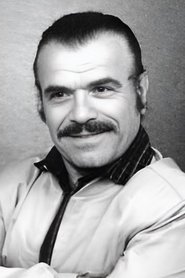 Tano CimarosaServant
 Paolo LombardiMarshall
- Maria Rosa SpagnoloPaula
Directing
- Giuseppe TornatoreDirector
Writing
- Giuseppe TornatoreScreenplay
- Giuseppe TornatoreStory
Production
- Alexandre MnouchkineAssociate Producer
- Jean-Louis LiviAssociate Producer
- Bruno AltissimiExecutive Producer
- Claudio SaraceniExecutive Producer
- Mario Cecchi GoriProducer
- Vittorio Cecchi GoriProducer