
Film
The Flesh and Blood Show
A troupe of actors rehearsing in an abandoned seaside theater becomes prey to an unseen killer. This 1972 British slasher is raw, atmospheric, and delightfully grimy—equal parts exploitation and genuine unease. It's for anyone who loves early horror when the genre still felt dangerous and unpredictable, before formulas calcified.
If you liked this
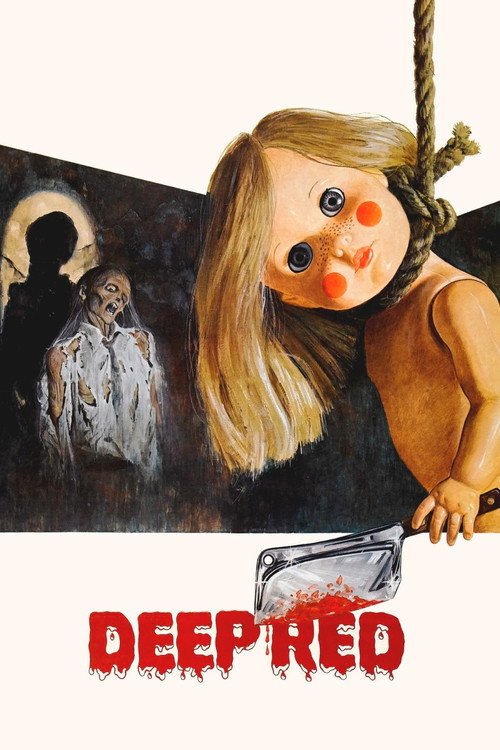
Deep Red1975
Dario Argento's masterpiece of giallo terror: stylish, violent, and obsessed with the mechanics of murder. A pianist witnesses a killing and becomes entangled in a twisted conspiracy. Pure cinema crafted by a visionary.
But The dubbing can feel jarring, and the plot requires patience to follow. It's also genuinely brutal in ways that won't sit easy with everyone.
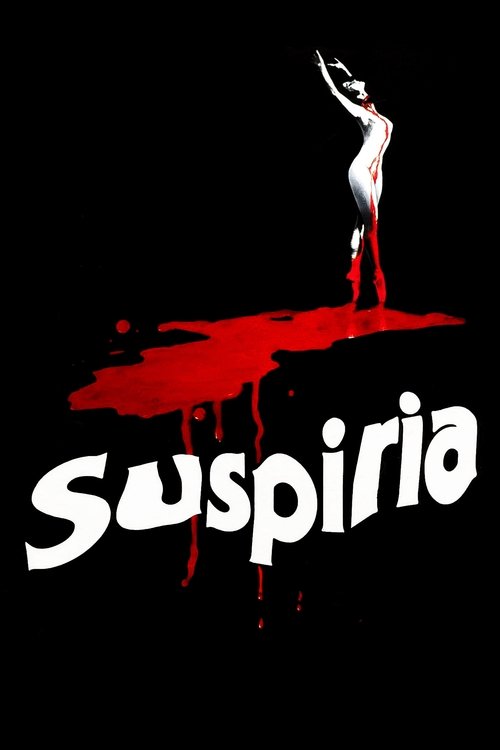
Suspiria1977
Another Argento work, even more visually audacious. A young dancer enrolls at a prestigious ballet academy hiding a sinister secret. Hypnotic, unsettling, and scored like a nightmare.
But Deliberately dreamlike storytelling means plot takes a back seat to atmosphere and dread. The synth score is divisive—some find it genius, others grating.
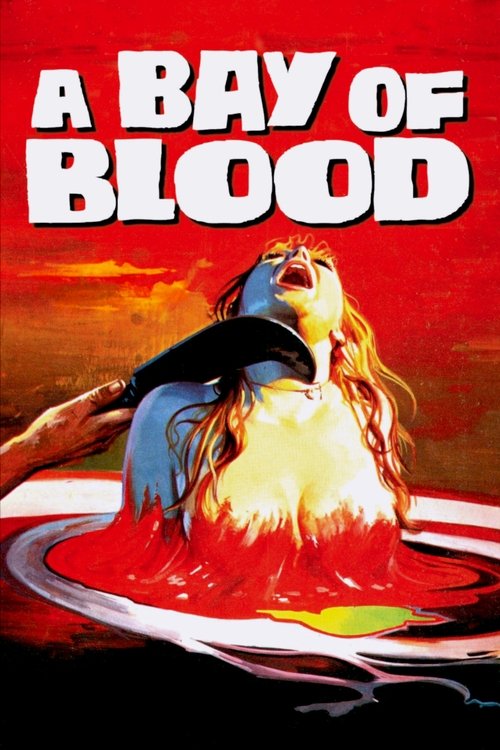
A Bay of Blood1971
Italian proto-slasher with bodies stacking up at a lake house. Chaotic, morally unmoored, and remarkably inventive with its kill sequences. Feels like watching a fever dream.
But The narrative is thin and logic is optional. Character motivations don't hold up to scrutiny, and the editing can feel confusing.
Not sure tonight? Get a pick in a minute, starting from The Flesh and Blood Show
The wildcard
Something you would not have found on your own.
The Wailing2016
Both use ensemble casts and closed settings to explore how paranoia and blame spread through a group. Neither offers the comfort of certainty about who is guilty and why.
Na Hong-jin's masterwork: a South Korean village is gripped by a mysterious illness, and paranoia spirals into competing theories of guilt and innocence. Structurally intricate, tonally dizzying, and genuinely terrifying. A modern film that captures the moral slipperiness of early 70s horror.
But At 156 minutes, it's a commitment that demands active watching. The mythology is intentionally unclear, and there's no safe landing—some viewers find the ambiguity infuriating.

More like this (8)
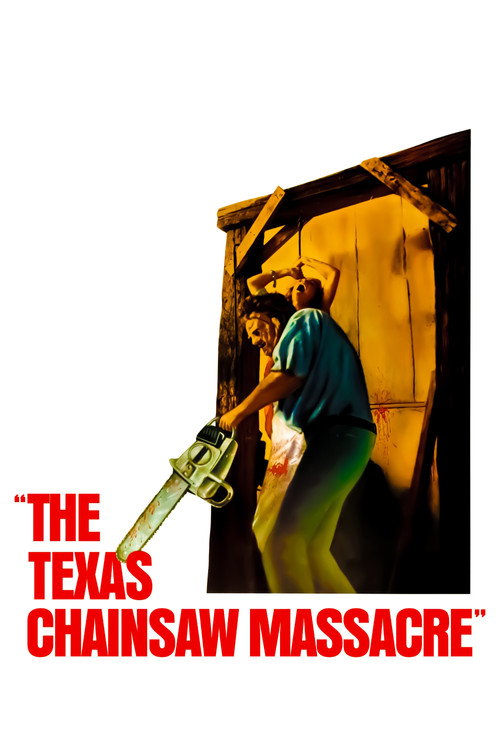
The Texas Chain Saw Massacre1974
The blueprint for everything that followed: visceral, claustrophobic, and shot like a documentary of horror. A group of friends stumble onto something unspeakable in rural Texas.
But Relentless and bleak with no comfort offered. The famous dinner scene is a gauntlet, and some viewers find the whole experience exhausting rather than entertaining.
Zombie Flesh Eaters1979
Lucio Fulci's masterwork of atmosphere and dread. Stranded on an island with the undead rising from their graves. Gorgeous cinematography and practical effects that still hold up.
But Pacing is deliberate and patient—this rewards lingering but punishes anyone impatient for action. The dubbing is heavy-handed and distracting.
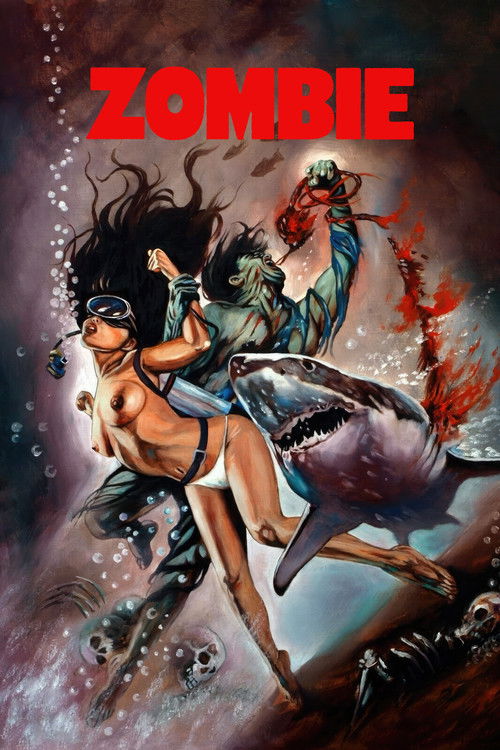
The Last House on the Left1972
Wes Craven's debut is a raw, unsettling home-invasion horror that feels ripped from a true crime report. Visceral and morally complicated in ways most horror avoids.
But Genuinely unpleasant to watch. The assault sequences are graphic and lingering, and the film doesn't offer catharsis so much as a bleak aftertaste.
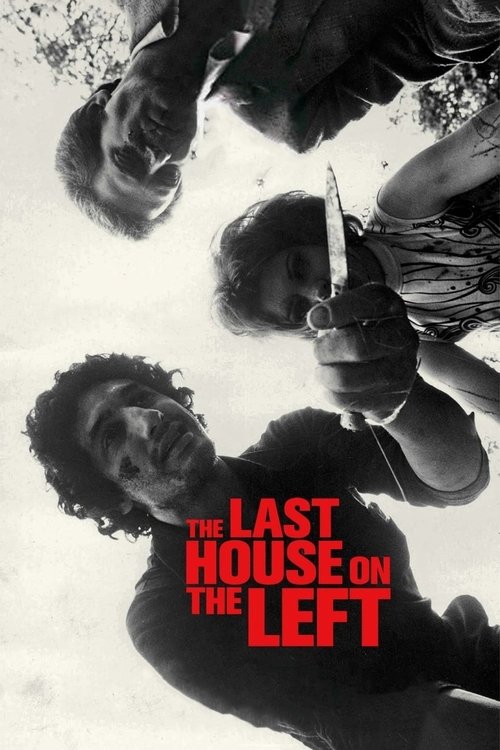
Don't Look Now1973
Nicolas Roeg's cryptic masterpiece: a couple in Venice experiences supernatural unease after the loss of their daughter. Dreamlike, sexy, and architecturally brilliant in its construction.
But The plot is deliberately opaque and ambiguous—viewers looking for clarity will be frustrated. Famously contains an explicit sex scene that still feels shocking.
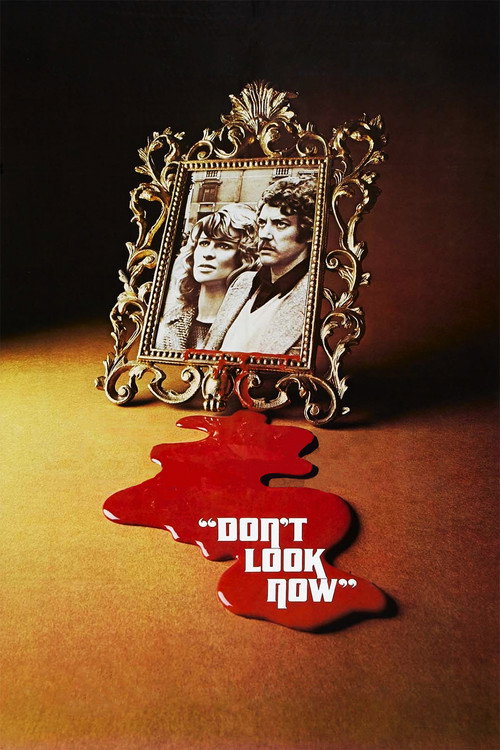
Vampire Circus1972
A circus rolls into a small town harboring dark secrets. Visually gaudy, wonderfully weird, with Hammer's signature style applied to fever-dream logic. Gloriously strange.
But The plot meanders and the tone is uneven, veering from serious to campy without warning. It's less a coherent narrative than a collection of striking images.
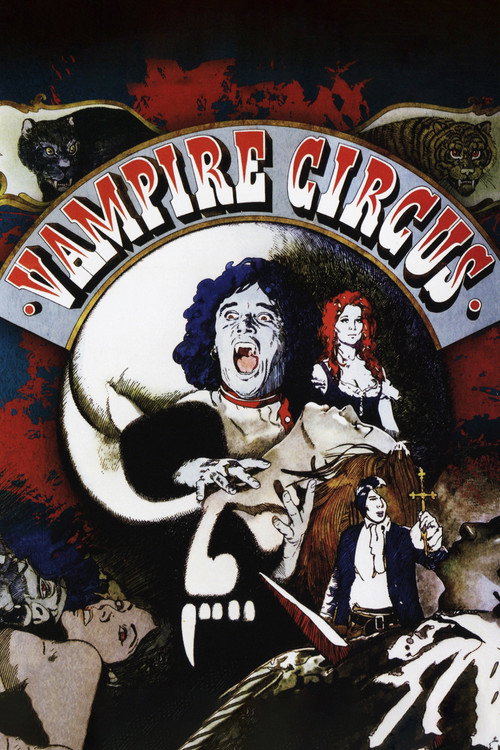
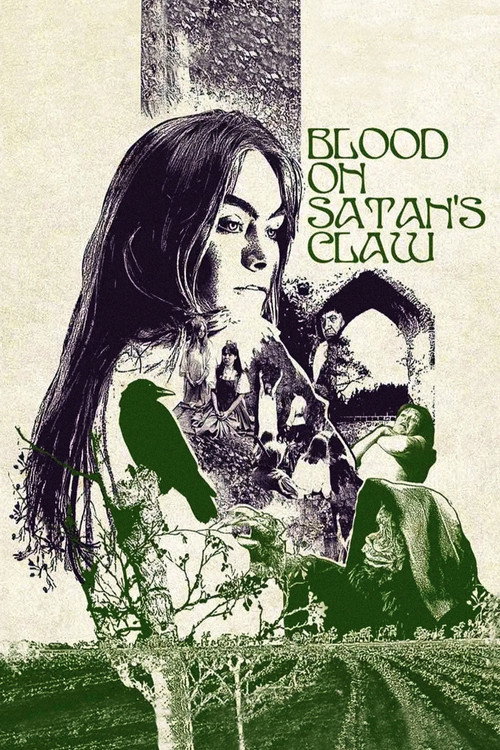
Blood on Satan's Claw1971
A fragment of demonic form corrupts a village. British folk-horror atmosphere thick as fog, with genuinely unnerving moments and a superb ensemble cast of unknowns.
But The mythology is deliberately vague and the ending abrupt. Some find the rural setting and pacing slow, and the satanic panic plot feels dated.
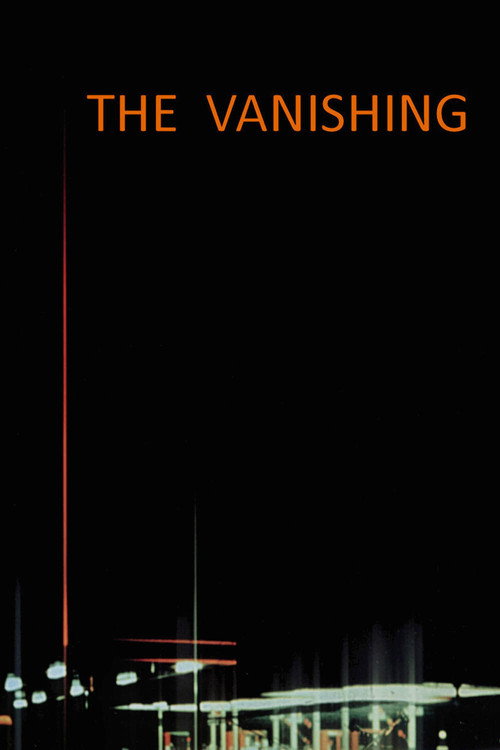
The Vanishing1988
Both are about strangers trapped together in isolated spaces, and both are more interested in psychology and atmosphere than in genre mechanics or resolution.
Dutch thriller about a man obsessed with finding out what happened to his girlfriend who vanished. Slow-burn, utterly unique, and philosophically dark in a way most thrillers aren't. The second half is genuinely unlike anything else in cinema.
But It's methodical to the point of glacial, and subtitled, which alone is enough to stop some viewers cold. The ending is deeply disturbing in a way that lingers uncomfortably.
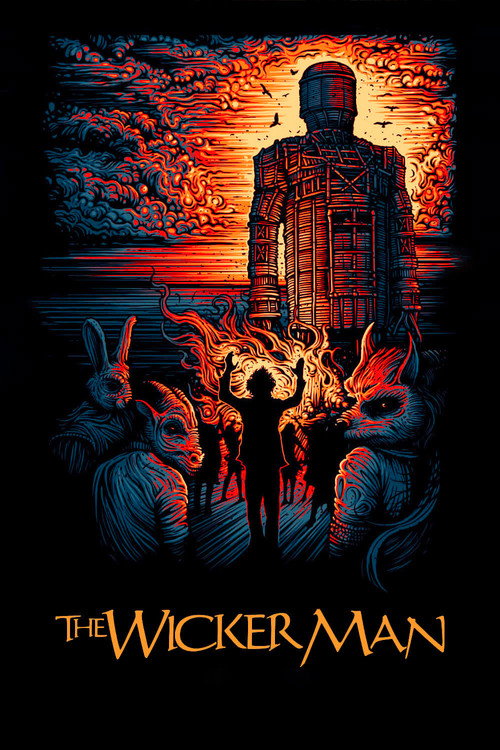
The Wicker Man1973
Both use a troupe of performers as characters and both understand that the real horror is the casual complicity of a community. Both are British and both use location as a character.
A policeman arrives on a remote Scottish island to investigate a missing girl, only to discover the locals follow a pagan religion. Lyrical, folk-horror masterpiece that's more genuinely unsettling than any slasher because the threat isn't hidden—it's implicit in the landscape itself.
But It's deliberately paced and folk-music heavy, which works against narrative momentum. The first half is set-up with minimal incident, and some find it quaint rather than terrifying.
People
Cast
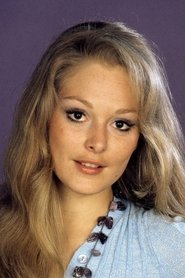 Jenny HanleyJulia Dawson
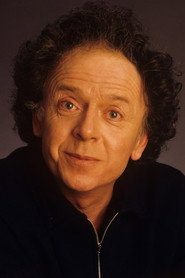 Ray BrooksMike
 Luan PetersCarol Edwards
 Candace GlendenningSarah
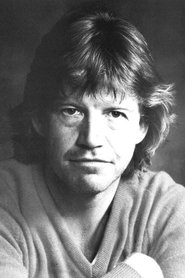 Robin AskwithSimon
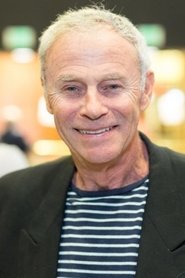 Tristan RogersTony Weller
- Judy MathesonJane
- David HoweyJohn
- Elizabeth BradleyMrs. Saunders
- Rodney DiakWarner
- Penny MeredithAngela
- Sally LaheeIris Vokins
Directing
- Brian LawrenceAssistant Director
- Paul FellAssistant Director
- Pete WalkerDirector
Writing
- Alfred ShaughnessyScreenplay
Production
- Pete WalkerProducer
- Robert FennellProduction Manager