
Film
Vampire Circus
- Horror
- Dark fantasy
- Very dark
A Hammer-era vampire film with a genuinely unsettling premise: a curse-driven circus arrives in a plague village to hunt down the descendants of those who killed a depraved count. It's more grotesque than scary, more interested in carnival atmosphere and transgressive images than jump scares. For viewers who like their horror weird, tactile, and willing to get its hands dirty.
If you liked this
Suspiria1977
Dario Argento's masterpiece of pure visual dread uses color, sound and architectural nightmare logic to create horror from atmosphere alone. If you loved Vampire Circus's willingness to prioritize mood over coherence, this takes that instinct to operatic extremes.
But It's deliberately abstract and often incomprehensible on a plot level. The pacing is glacial by modern standards, and some will find the reliance on style exhausting rather than hypnotic.

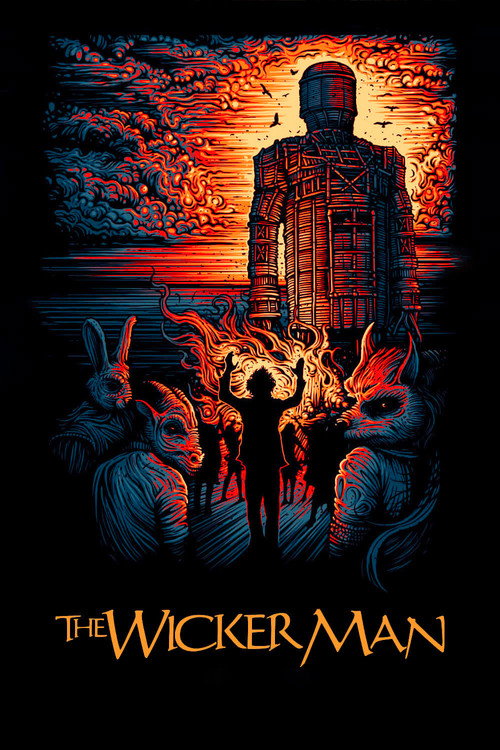
The Wicker Man1973
A folk-horror masterpiece about outsiders arriving in an insular community with hidden, ritualistic secrets. Like Vampire Circus, it builds dread through the perversion of tradition and spectacle, and refuses to play by genre rules.
But The ending divides people sharply. Some find it transcendent; others find it bleak to the point of nihilism. It's also slower-burn than you might expect from the premise.
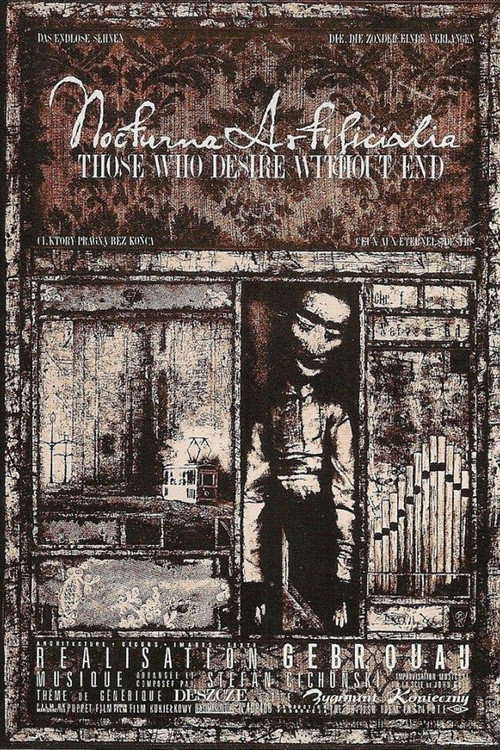
Nocturna Artificialia1979
An absurdist, hypnotic Italian horror-comedy about a traveling troupe that brings darkness and death to a small town. The circus setting, transgressive imagery, and willingness to be genuinely weird make it a natural spiritual cousin.
But It's obscure, difficult to track down, and deliberately plotless. Patience is mandatory. It won't reward you if you're looking for clarity or conventional narrative satisfaction.
Not sure tonight? Get a pick in a minute, starting from Vampire Circus
The wildcard
Something you would not have found on your own.
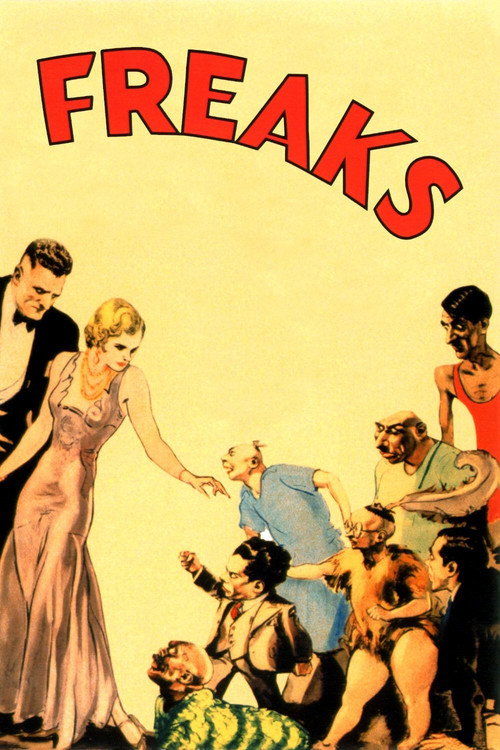
Freaks1932
Both use the circus as a space where normal morality inverts, and both find horror in the corruption of community ritual. Freaks asks: who are the real monsters? Vampire Circus answers: everyone, and the circus knows it.
Tod Browning's carnival horror uses real disabled performers and circus performers to create genuine unease—not from their appearance, but from the moral inversion of who deserves sympathy. It's the spiritual ancestor of Vampire Circus's transgressive circus aesthetic, made forty years earlier and far more courageously.
But It's a 1930s film using disabled people as spectacle, which creates real ethical complications no modern remake can solve. The pacing is slow and the dialogue heavy; it requires genuine patience and goodwill.
More like this (8)
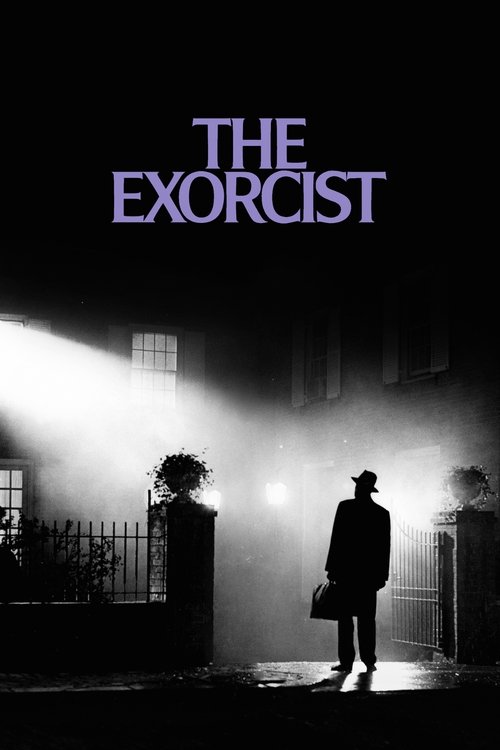
The Exorcist1973
The definitive 1970s horror film: meticulously crafted, genuinely disturbing, and unafraid to let its horror emerge from character and consequence rather than gore alone. A masterclass in how to sustain dread.
But It's very long, theologically dense, and the pacing in the middle drags intentionally. The jump scares have been imitated to death, which dulls their original impact.
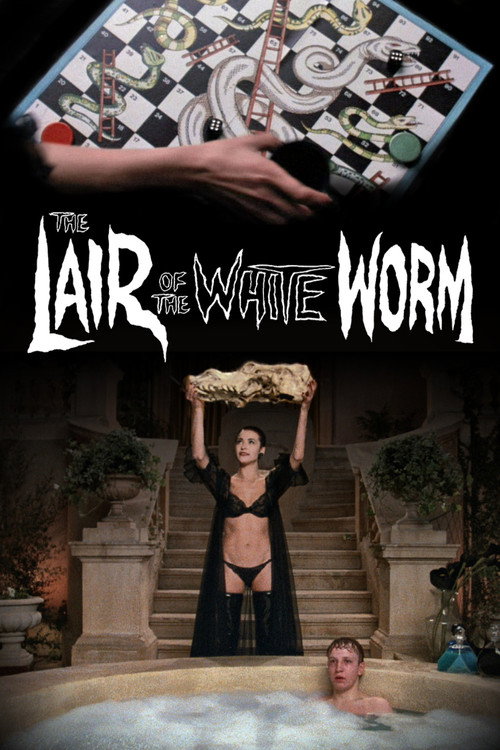
The Lair of the White Worm1988
Ken Russell's unhinged adaptation of Bram Stoker finds genuine horror in sexual transgression and decadence. Like Vampire Circus, it's more interested in creating a fever dream than telling a sensible story.
But It's garish, often camp, and the sexual content is deliberate provocation. Some will find it silly rather than scary; others will find it distasteful.
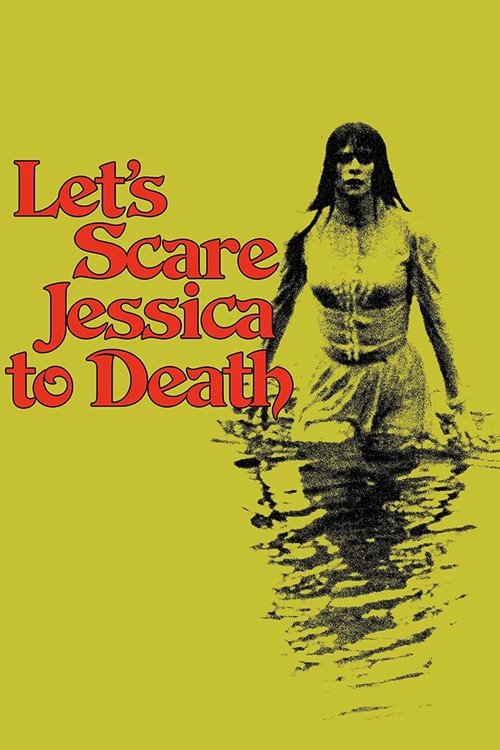
Let's Scare Jessica to Death1971
A low-budget gem that uses paranoia and folk-horror aesthetics to create real unease. The ambiguity about what's real is masterful, and the atmosphere builds like poison in the water.
But The budget shows, which some will find charming and others frustrating. The pacing is deliberate; if you need constant stimulation, you'll check out.
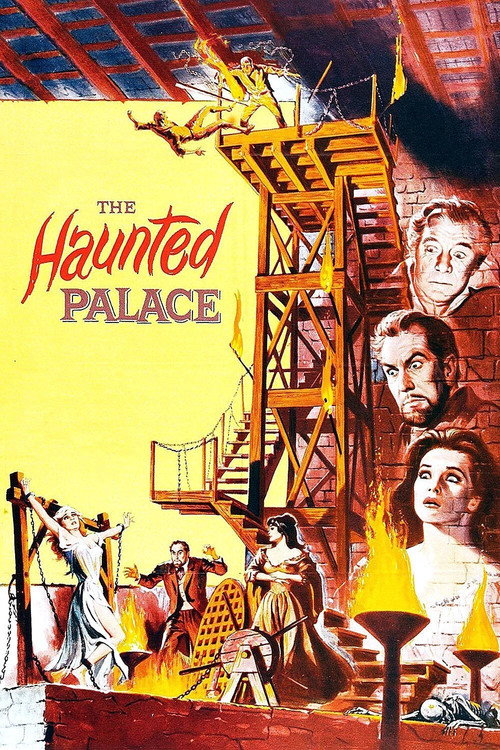
The Haunted Palace1963
Roger Corman's stylish Lovecraft adaptation uses garish color and theatrical staging to create a genuinely eerie atmosphere. The commitment to visual excess over realism predates Vampire Circus and does similar work.
But It's clearly a low-budget production, and the dialogue and acting style feel stagey. Some will find it endearingly pulpy; others will find it creaky.
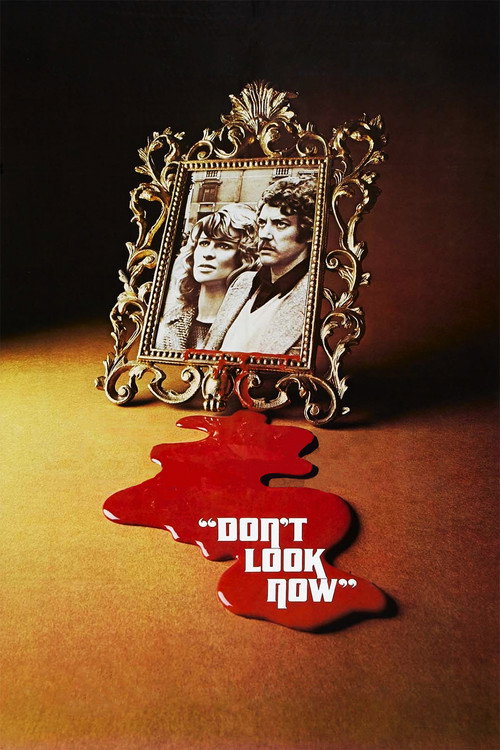
Don't Look Now1973
Nicolas Roeg's masterpiece of psychological horror uses symmetry, editing, and the uncanny to create sustained dread. The famous scene works because the filmmaking is so precise; nothing is wasted.
But It's slow and meditative, and the supernatural elements are ambiguous. The famous scene, while powerful, is controversial; some viewers find it exploitative.
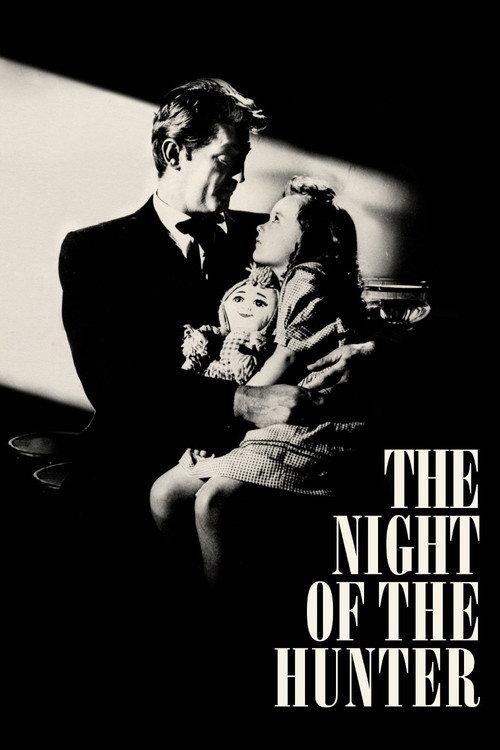
The Night of the Hunter1955
Charles Laughton's only directorial effort is a fever dream of American Gothic: theatrical, expressionistic, and genuinely unsettling. It shares Vampire Circus's commitment to mood and visual strangeness over realism.
But It's a black-and-white production made in 1955, so the pacing and style will feel alien. The archness of the dialogue takes adjustment.
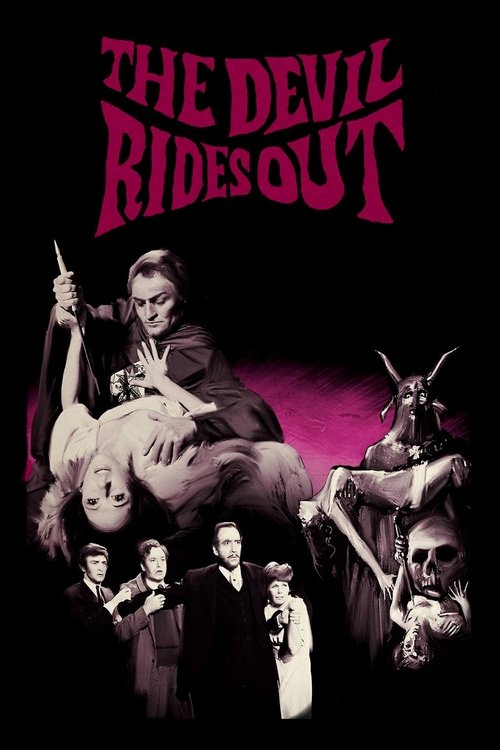
The Devil Rides Out1968
Both are Hammer-adjacent 1960s-70s British horror films dealing with inherited curses and ritualistic revenge. The Devil Rides Out is what happens when the same aesthetic serves a clear narrative; Vampire Circus is what happens when it doesn't.
Terence Fisher's satanic ritual film is a Hammer production with genuine satanic cult stakes and a commitment to the visceral reality of occult transgression. It has the period atmosphere and commitment to dark ceremony that Vampire Circus shares, but it's tighter and more sane.
But It's a more conventional thriller than Vampire Circus—plot matters, coherence matters. If you loved the dreamlike incoherence of Vampire Circus, this will feel restrained.
Come and See1985
Both use circus aesthetics—bright colors, grotesque spectacle, transgressive imagery—to create horror from the corruption of community and celebration. But Vampire Circus finds evil in the supernatural; Come and See finds it in history itself. One is the other's dark mirror.
Elem Klimov's Soviet war film uses horror-film techniques—shock cuts, grotesque imagery, carnival-like chaos—to depict the Nazi invasion of Belarus. It's genuinely one of the most disturbing films ever made, but not because of vampires: because of what humans do to each other in the chaos of violence.
But It's not a genre film; it's a devastating historical document shot like a nightmare. The imagery is traumatic by design. If you watch Vampire Circus for fun, this will feel punishing in a way that's not entertainment.

People
Cast
 Adrienne CorriGypsy Woman
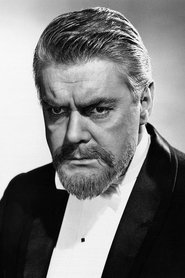 Thorley WaltersBurgermeister
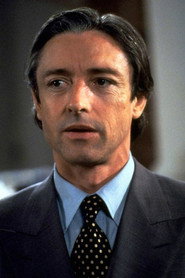 Anthony HigginsEmil
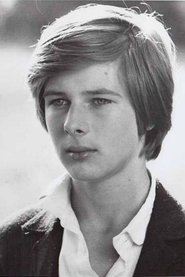 John Moulder-BrownAnton Kersh
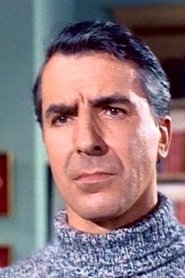 Laurence PayneProf. Albert Mueller
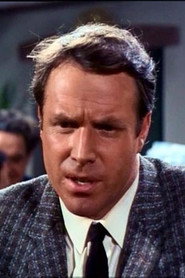 Richard OwensDr. Kersh
 Lynne FrederickDora Mueller
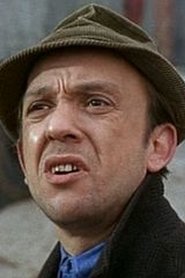 Skip MartinMichael
 Domini BlytheAnna
- Robert TaymanCount Mitterhaus
 Lalla WardHelga
 Elizabeth SealGerta
Directing
- Derek WhitehurstAssistant Director
- June RandallContinuity
- Robert YoungDirector
Writing
- Judson KinbergScreenplay
Production
- James LiggatCasting
- Wilbur StarkProducer
- Tom SachsProduction Manager
- Roy SkeggsProduction Supervisor