
Film
The Decent One
- Crime
- Very dark
A documentary that reconstructs Heinrich Himmler's inner life through rediscovered personal letters, diaries, and photographs, using voice actors to animate his private writings. It's a haunting inquiry into how an architect of genocide saw himself—dutiful, anxious, devoted to family. Profoundly unsettling and essential for anyone grappling with how ordinary people rationalize extraordinary evil.
If you liked this
Shoah1985
Claude Lanzmann's nine-hour masterpiece interviews survivors and perpetrators, building an unflinching testimony to the Holocaust that prioritizes witness over spectacle. A foundational work that demands and rewards total attention.
But Its length and refusal of conventional documentary structure—no archival footage, no music—can feel austere. Some find the pacing demanding on a first viewing.

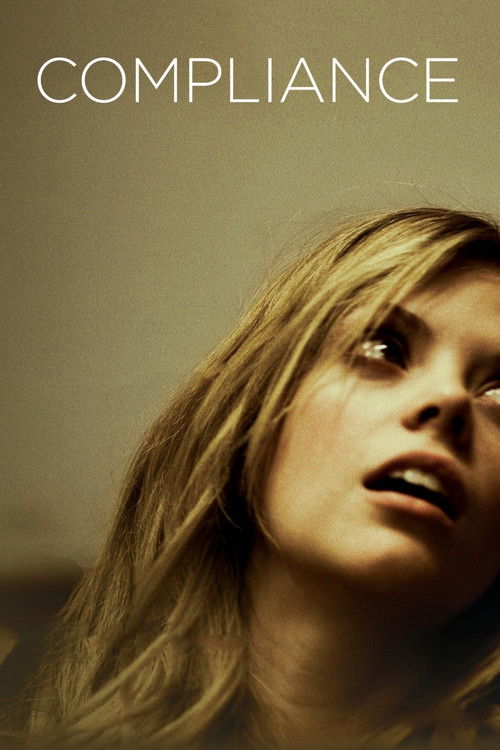
Compliance2012
Craig Zobel's film dramatizes an actual incident where a caller convinces a manager to abuse an employee. It explores how authority and suggestion override conscience in real time, mirroring Himmler's psychological mechanisms.
But Watching ordinary people commit casual cruelty is deeply uncomfortable. The film doesn't soften or explain; it just shows.
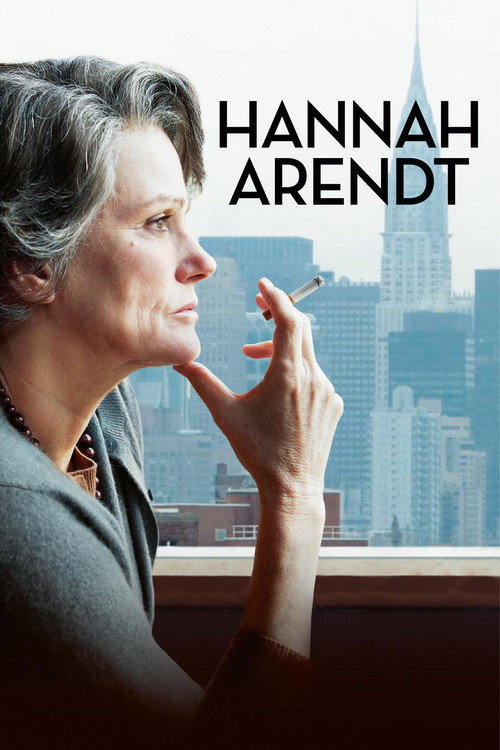
Hannah Arendt2012
Margarethe von Trotta's film follows Arendt covering Eichmann's trial, wrestling with her thesis on the banality of evil. Intellectually rigorous and cinematically alive, it contextualizes the moral questions The Decent One raises.
But Dialogue-heavy and academic in feel. Not a conventional biography, more a thinking-person's drama about thinking itself.
Not sure tonight? Get a pick in a minute, starting from The Decent One
The wildcard
Something you would not have found on your own.
Stalker1979
Both films are investigations into interiority—Tarkovsky examines desire and meaning through visual poetry; The Decent One examines rationalization through recovered text. Each asks: what makes a person move toward or away from an abyss?
Tarkovsky's philosophical science-fiction film about a guide leading people through a mysterious zone to a room that grants wishes is formally experimental and spiritually complex. Its meditative pace and metaphysical weight parallel documentary's search for truth.
But At 163 minutes, it's glacially slow with minimal plot. Its abstraction and lack of conventional drama alienate most viewers immediately.

More like this (5)
The Act of Killing2012
Joshua Oppenheimer's film asks Indonesian death-squad leaders to recreate their own mass murders on camera. It's a radical, disturbing mirror to Himmler's self-justification—watching perpetrators wrestle with their own mythology.
But Genuinely graphic and morally vertiginous. The film's provocation can feel manipulative, and it's emotionally exhausting.

Night and Fog1956
Alain Resnais's 32-minute essay film moves between contemporary Auschwitz and archival footage, narrated with devastating calm. It redefined how documentary could approach the unimaginable.
But The gap between its brevity and its emotional weight can be destabilizing. Some find the distance Resnais maintains feels cold.

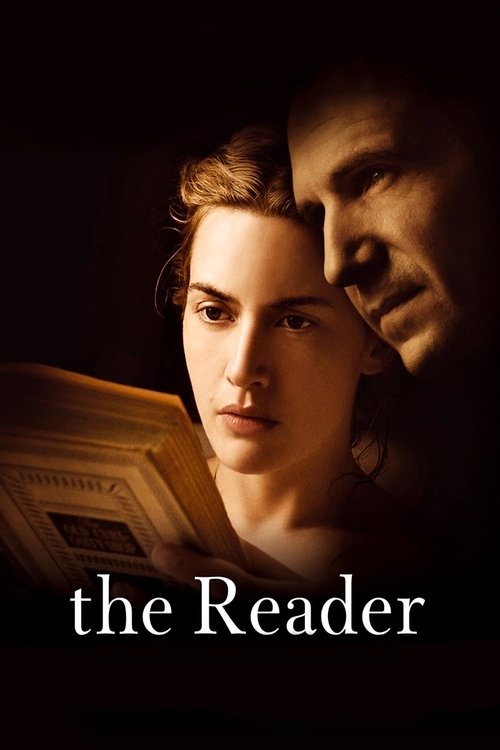
The Reader2008
Stephen Daldry's film examines complicity and silence through a love story between a boy and an older woman revealed to be a camp guard. It asks uncomfortable questions about empathy for the culpable.
But Its emotional architecture has drawn criticism for potentially asking sympathy for the wrong party. Some see it as morally confused.
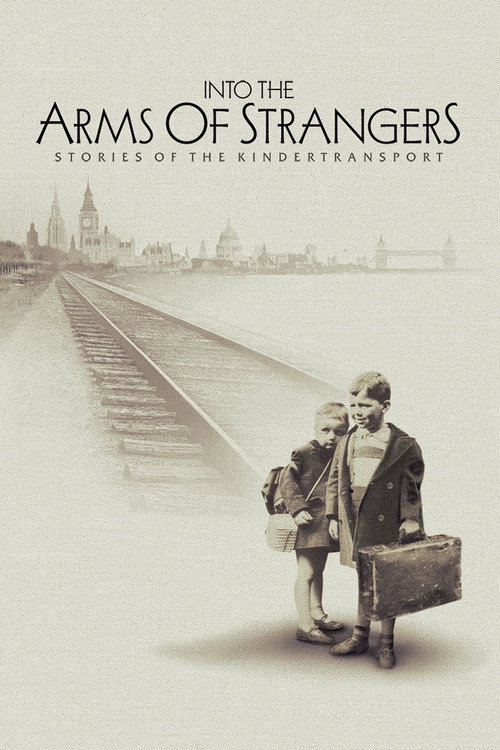
Into the Arms of Strangers: Stories of the Kindertransport2000
This Oscar-winning documentary tells the story of Jewish children rescued from Nazi Europe through interviews and archival material. It's necessary counterweight—about agency and survival rather than perpetration.
But Its consoling narrative arc may feel like insufficient answer to the horror surrounding it. Some find comfort narratives inadequate here.
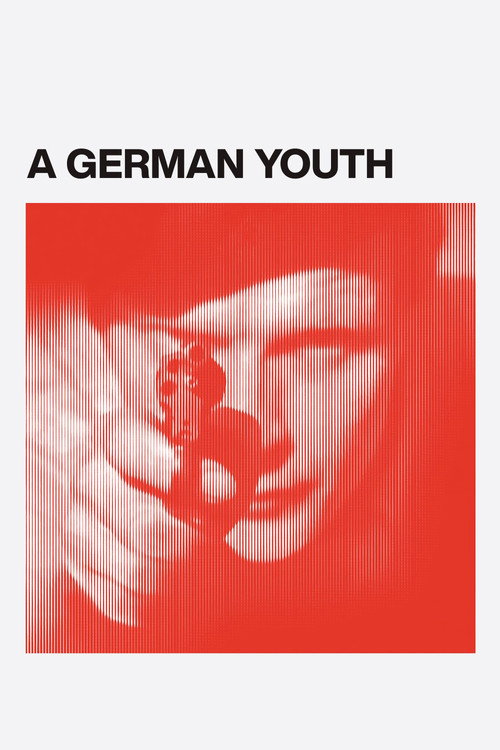
A German Youth2015
Like The Decent One, it uses found materials—letters, footage, documents—to reconstruct how ordinary Germans experienced and justified the Nazi era, but through a figure attempting moral reckoning rather than self-exoneration.
Jean-Gabriel Périot's essay film using archival footage traces the life of a young woman in the Hitler Youth and her later anti-fascist activism. It's formally inventive, asking how ideology shapes lives across time.
But Fragmentary and non-narrative, assembling archival scraps into argument rather than story. Dense with montage and philosophical voiceover; it requires active interpretation.
People
Cast
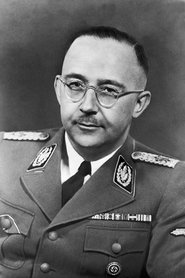 Heinrich HimmlerSelf (archive footage)
 Tobias MorettiHeinrich Himmler (voice)
 Sophie RoisMarga Himmler (voice)
 Lotte LedlHedwig Potthast (voice)
 Antonia MorettiGudrun Himmler (voice)
 Florentin GrollGehbard Himmler (voice)
 Pauline KnofAnna Himmler (voice)
- Lenz MorettiYoung Heinrich Himmler (voice)
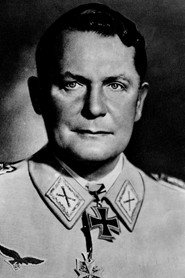 Hermann GöringSelf (archive footage)
Directing
- Vanessa LapaDirector
Writing
- Ori WeisbrodScreenplay
- Vanessa LapaScreenplay
Production
- Felix BreisachCasting
- Hermann Pölking-EikenCasting
- Vanessa LapaProducer