
Film
Street Mobster
A raw, unflinching 1972 Japanese crime film about a street gang leader freshly out of prison who wages war against encroaching yakuza syndicates. Lean and visceral, shot with a documentary's eye for urban decay. For viewers who want crime cinema that feels lived-in and morally ambiguous, not sanitized.
If you liked this
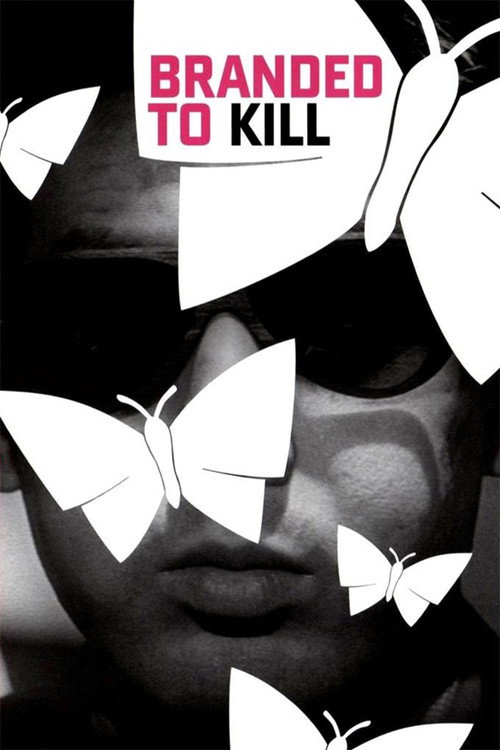
Branded to Kill1967
Seijun Suzuki's yakuza masterpiece has the same defiant protagonist fighting systemic corruption, but surreal and hallucinogenic. A formal experiment that doesn't sacrifice human stakes for style.
But The narrative is deliberately fragmented and dreamlike. If you want a straightforward revenge story, this frustrates that expectation.
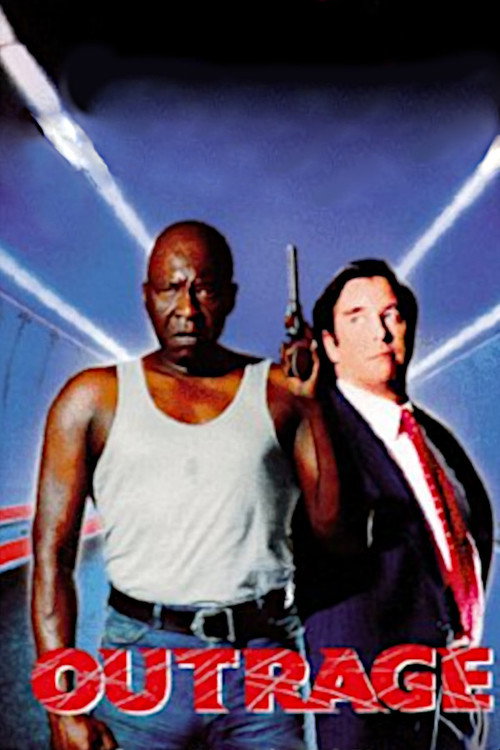
Outrage!1986
Masaki Kobayashi's unflinching look at yakuza life and honour codes parallels Street Mobster's interest in how violence shapes community. Equally uninterested in glamorizing its criminals.
But It's a slow burn about ritual and philosophy rather than action. Long stretches without plot momentum will test patience.
The Bad Sleep Well1960
Kurosawa's modern noir about corruption and vengeance within institutional systems. Like Street Mobster, it shows how an individual stands against structures designed to crush him.
But Almost three hours, and the middle section becomes procedurally dense. Corporate intrigue isn't always gripping filmmaking.

Not sure tonight? Get a pick in a minute, starting from Street Mobster
The wildcard
Something you would not have found on your own.
Branded2012
Both are about a lone operator reclaiming agency in a system rigged against him, pursued by factions with more power but less will.
A television western where a falsely disgraced man works alone against powerful interests. Same plot engine as Street Mobster—one man, no allies, relentless opposition—but completely American and in a different medium.
But 1960s TV pacing is gentler than 1972 cinema-verité. The tone is more heroic, less morally uncertain.
More like this (8)
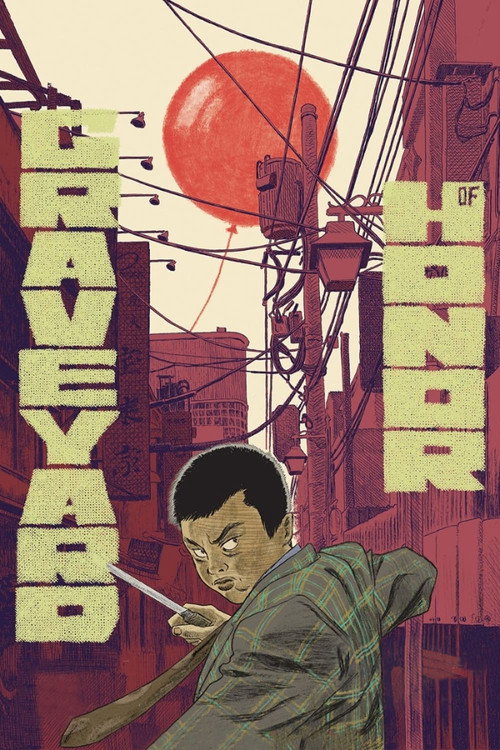
Graveyard of Honor1975
Kinji Fukasaku's other yakuza epic shares Street Mobster's gritty texture and interest in how circumstance and choice collide. Both feel lived-in rather than theatrical.
But Fukasaku's style is deliberately disorienting—handheld, chaotic editing. If you prefer clarity over immersion, it's exhausting.
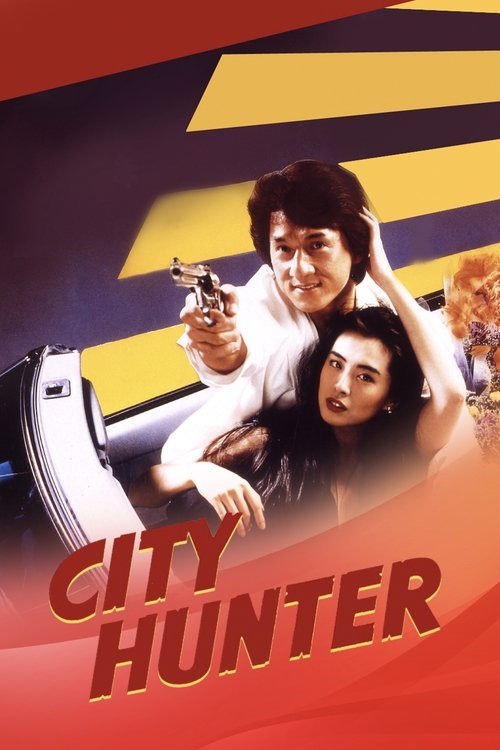
City Hunter1993
Shinjuku's underworld from a different angle: a hired gun caught between factions. Same urban sprawl, same moral fog, same pressure-cooker violence.
But It's slicker and more commercially polished than Street Mobster. Less authentic, more movie.
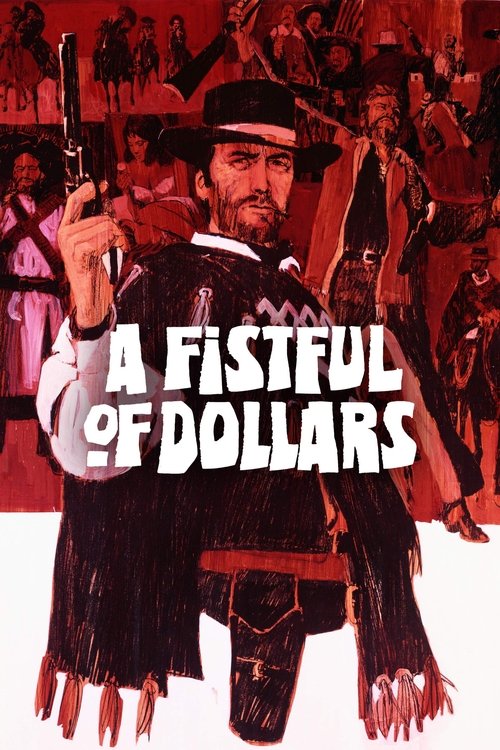
A Fistful of Dollars1964
Sergio Leone's Western uses the same outsider-vs-factions plot. An equally lean story about a lone operator exploiting rival gangs' conflict. The DNA is there.
But It's stylized in a way Street Mobster isn't. If you want grit, not myth, this may feel too composed.
Johnny Guitar1954
An earlier example of a protagonist standing alone against organized opposition. Nicholas Ray's women and outsiders have the same defiant tone as Okita, just in Arizona instead of Tokyo.
But It's very much a 1950s Hollywood film, more concerned with personality than sociology. The setting and sensibility are worlds apart from 1972 Japan.

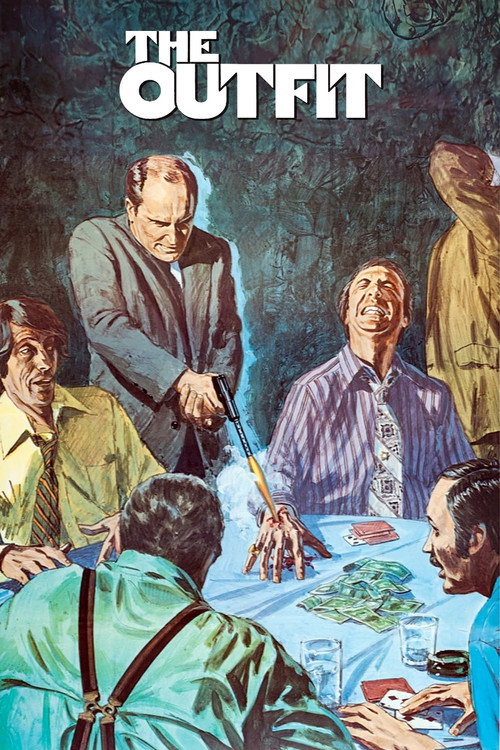
The Outfit1973
Graham Baker's American crime film about a lone wolf taking on syndicates. Functional and hard-boiled, it shares Street Mobster's skepticism of institutional loyalty.
But It's derivative in ways Street Mobster isn't. Competent but forgettable—you'll sense it reaching for what other films already owned.
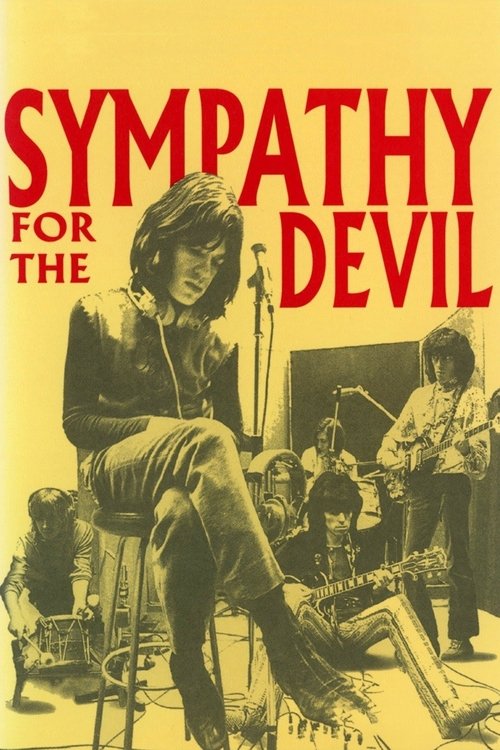
Sympathy for the Devil1968
Jean-Luc Godard's Rolling Stones film is experimental and formally restless, like a 1960s counterpart to yakuza cinema's interest in rebellion and social margins.
But It's not a narrative film at all. Long sequences of pure provocation will feel wilfully obscure if you want story.
The Ballad of Little Jo1993
Both films understand that survival requires becoming what your environment demands, and both ask what happens to someone after they've done that.
Maggie Greenwald's historical western about a woman who survives by camouflage and violence in a frontier town. Like Street Mobster, it's a character study of quiet defiance against a hostile social order, grounded in historical specificity.
But It's meditative and sparse. If you're watching for action, the film is interested in stillness, not momentum.

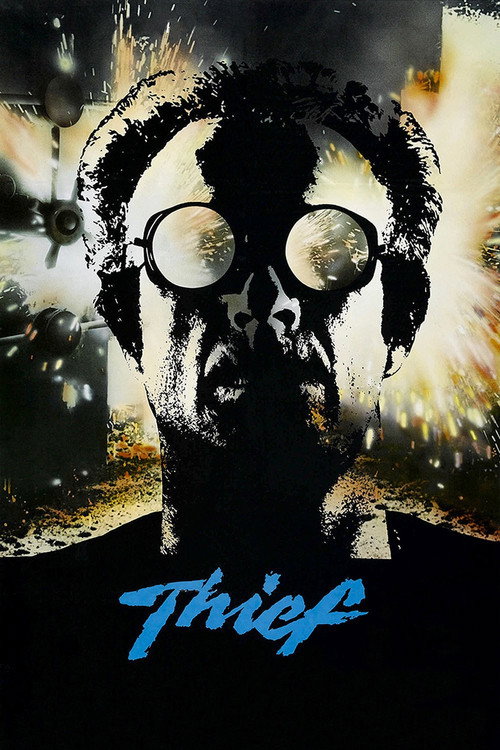
Thief1981
Both are love stories disguised as crime films—men trying to protect something human in a world that won't allow it.
Michael Mann's Chicago crime film about a master operator caught between criminal factions, trying to build something honest. Bunta Sugawara's Okita would recognize himself: precise, solitary, undone by loyalty.
But Mann's style is operatic and composed where Street Mobster is raw. The synthesizer soundtrack and cool distance may feel at odds with what you want.
People
Cast
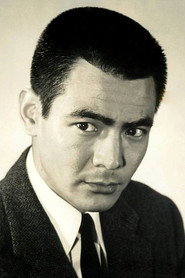 Bunta SugawaraIsamu Okita
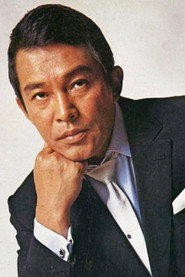 Noboru AndōBoss Yato
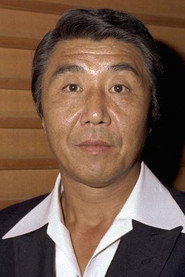 Asao KoikeKizaki
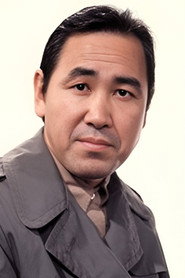 Hideo MurotaMiyahara
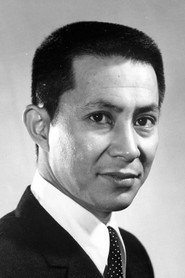 Kyōsuke MachidaTakeo Gunji
 Mayumi NagisaKimiyo
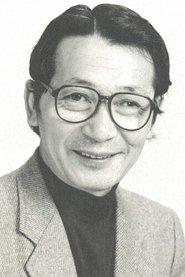 Noboru MitaniTaniguchi
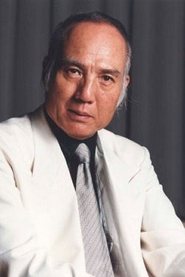 Nobuo YanaKarasawa
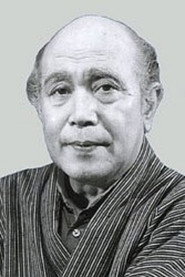 Asao UchidaEisaku Owada
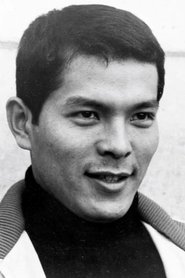 Takeo ChiiYasuo
 Nenji KobayashiTetsuo
 Mayumi FujisatoKatsuko
Directing
- Kinji FukasakuDirector
Writing
- Kinji FukasakuScreenplay
- Yoshihiro IshimatsuScreenplay