
Film
Graveyard of Honor
Kinji Fukasaku's brutal 1975 yakuza film follows a volatile man's meteoric rise and catastrophic fall within organized crime's hierarchy. Raw, violent, and unrelenting, it captures the genre's fascination with codes of honor colliding against individual chaos. Essential viewing for anyone serious about crime cinema.
If you liked this
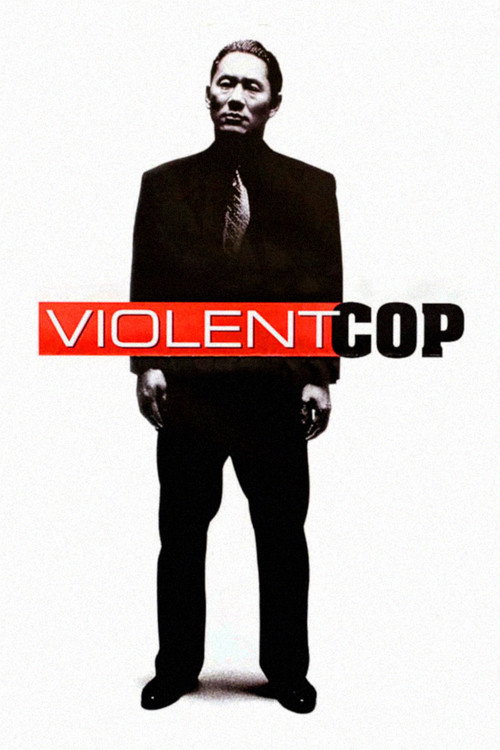
Violent Cop1989
Takeshi Kitano's directorial debut pairs explosive action with psychological depth, following a corrupt detective spiraling through violence. Like Graveyard, it's fascinated by men whose nature won't let them survive within systems.
But Kitano's style is deliberately mannered and slow-burn; patience required. The violence, when it comes, is shocking rather than exciting.
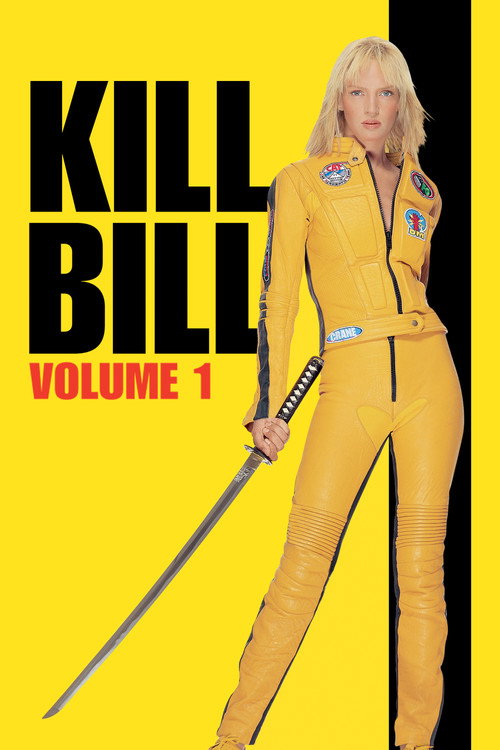
Kill Bill: Vol. 12003
Tarantino's cherry-picked from Fukasaku's playbook: the operatic violence, the code-bound protagonist, the stylistic audacity. It understands that yakuza cinema is as much about aesthetics as brutality.
But It's stylish in a way that can feel more about itself than the story. The revenge plot is thin if you're not already enchanted by the presentation.
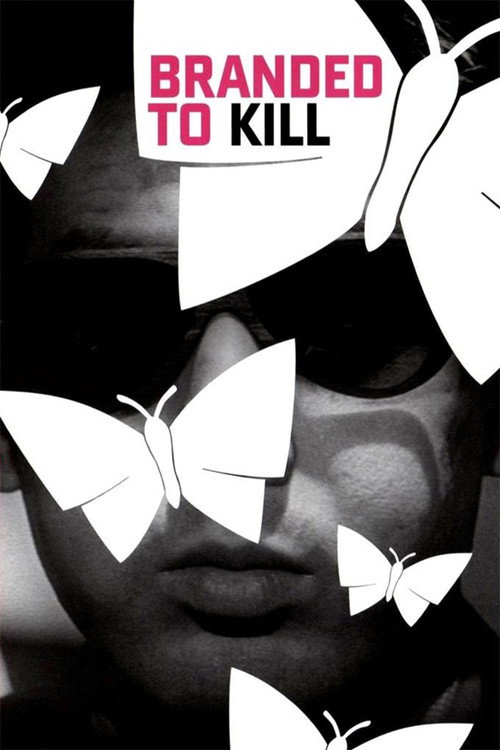
Branded to Kill1967
Seijun Suzuki's surreal yakuza masterpiece about a hitman destroying himself through his own nature. Like Graveyard, it's obsessed with men who cannot stop being what they are, rendered in hallucinatory images.
But It's genuinely bizarre in ways that obscure the plot. The black-and-white cinematography and dream logic may feel precious rather than powerful.
Not sure tonight? Get a pick in a minute, starting from Graveyard of Honor
The wildcard
Something you would not have found on your own.
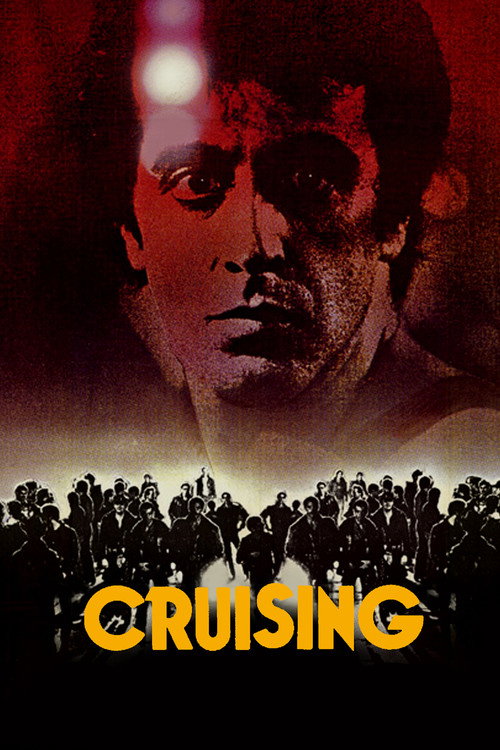
Cruising1980
Both follow a man's gradual dissolution within a closed society. Both suggest that proximity to transgression doesn't ennoble; it erases. Both trust the audience to sit with moral discomfort rather than resolve it.
Friedkin's controversial film about a cop infiltrating a subculture and losing himself is structurally identical to Graveyard: descent into a world that unmakes you. The subject matter is radically different—NYC gay underworld—but the psychological architecture is identical.
But It's sexually explicit, morally ambiguous in ways many find exploitative, and the politics are genuinely contested. It's been called both important and irresponsible, and both readings have merit.
More like this (7)
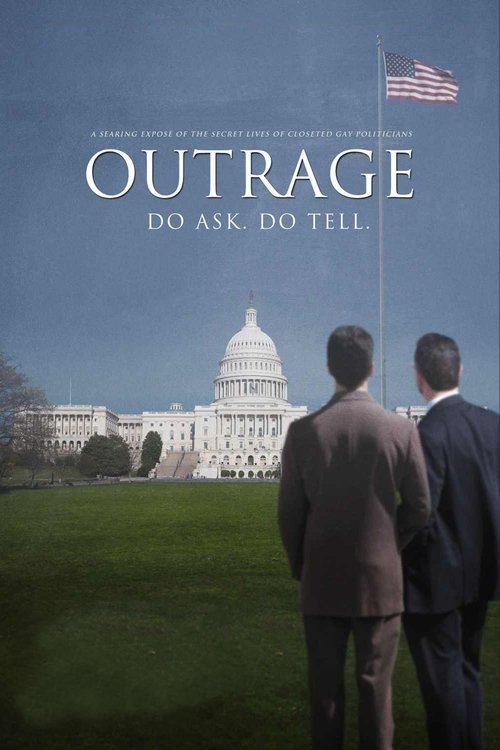
Outrage2009
Fukasaku's final film, made at eighty-four. Lean, furious, uninterested in nostalgia. The yakuza world here is absurd bureaucracy, and the violence is almost punctuation. A perfect companion to his earlier work.
But It's deliberately stripped-down and cold. There's little warmth or humor, and the pacing assumes you already know this world inside out.
Harakiri1962
Masaki Kobayashi's masterpiece examines codes of honor and their lethal cost. Different genre—samurai, not yakuza—but the core question is identical: what happens when a man can't bend?
But It's formally rigorous and slow, almost abstract. The violence serves philosophy, not adrenaline. Some find that beautiful; others find it airless.

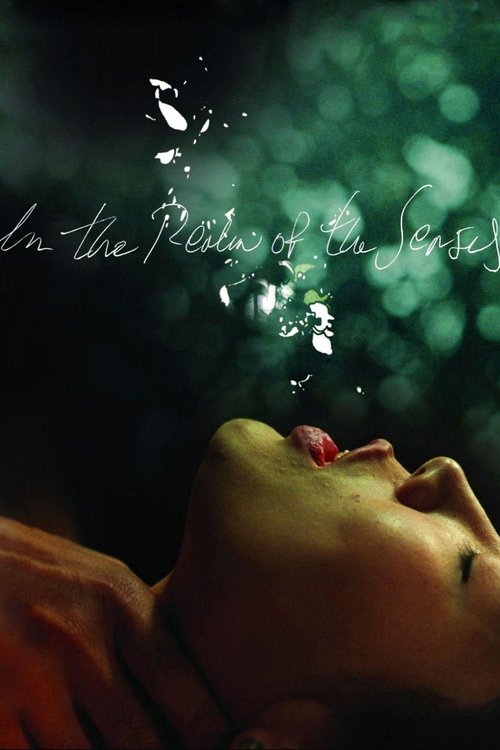
In the Realm of the Senses1976
Nagisa Oshima's transgressive film, contemporaneous with Graveyard, shares its refusal to look away from human ugliness and obsession. Both are 1970s Japan cinema at its most fearless and uncompromising.
But This is sexually explicit in ways that overshadow everything else. If you're watching for yakuza narrative, you'll be startled by what the film actually is.
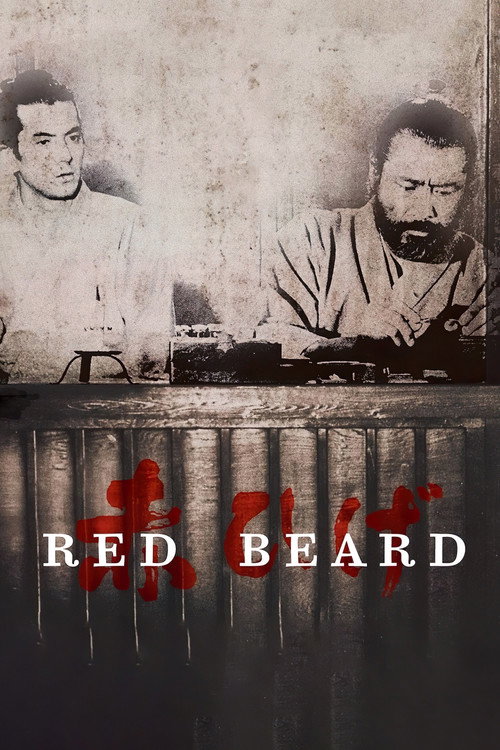
Red Beard1965
Kurosawa's final black-and-white film, a humanist counter-argument to yakuza cinema's nihilism. It believes in redemption and community. Graveyard is its dark mirror—watch both to feel the full debate.
But It's a period drama disguised as a medical film, which makes it slow. The pacing is meditative; expecting action will frustrate you.
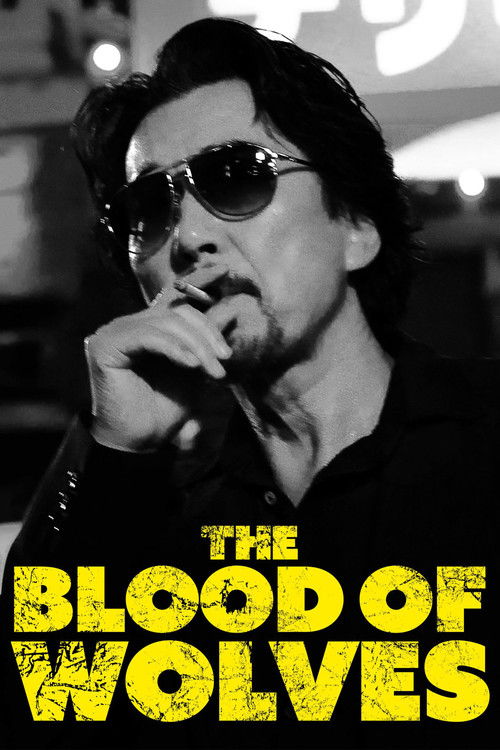
The Blood of Wolves2018
A contemporary yakuza film that descends into moral corruption via a cop-criminal relationship. Echoes Graveyard's interest in how proximity to power destroys principle from the inside.
But The narrative is deliberately murky, and the ending is bleak without being cathartic. You have to sit with discomfort rather than resolve it.
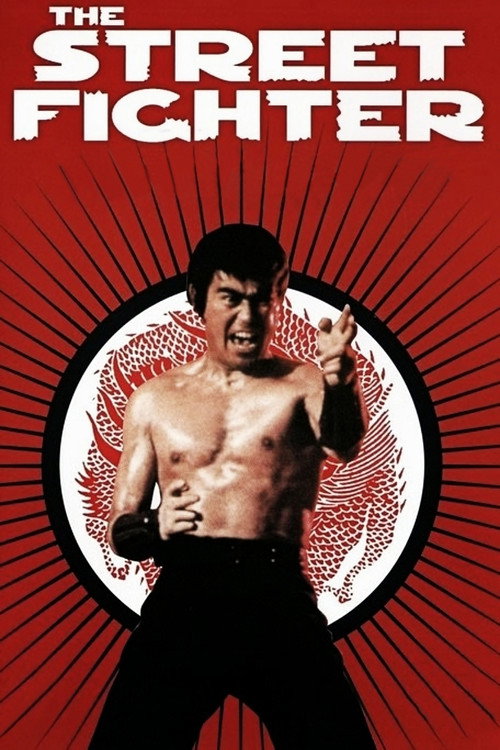
The Street Fighter1974
Sonny Chiba's one-man wrecking ball through the yakuza underworld. Graveyard of Honor's opposite number: where Fukasaku shows self-destruction, Chiba shows invincibility. Both define mid-70s Japanese action cinema.
But The plot is almost vestigial. It's a series of fight scenes strung together; if you need story coherence, this will aggravate you.
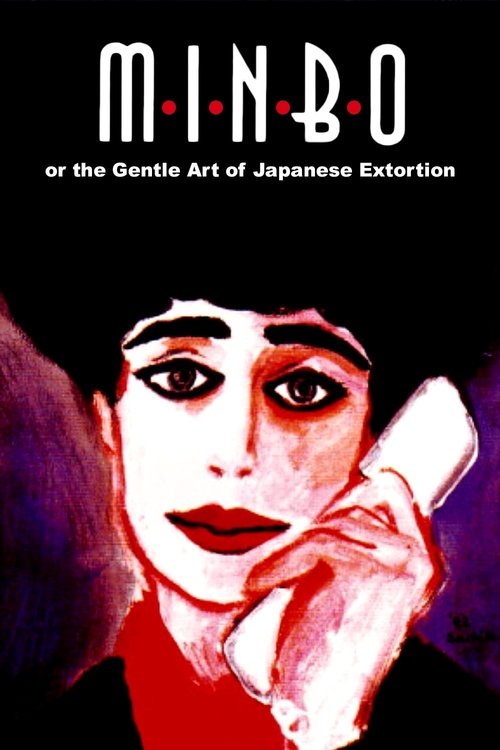
Minbo, or The Gentle Art of Japanese Extortion1992
Where Graveyard dramatizes yakuza life as a descent into chaos, this documentary shows actual yakuza explaining it as a code. Watching them together reveals the gap between mythology and reality—both matter.
A yakuza documentary by Masaki Kobayashi that interviews actual organized crime members, watching them justify their lives. It's the non-fiction inverse of Graveyard: real men defending the codes that Fukasaku's film shows as ruinous.
But It's a documentary, not dramatic film. The pacing is academic, and you're watching interviews, not action. It requires intellectual patience and won't give you the kinetic satisfaction of Graveyard.
People
Cast
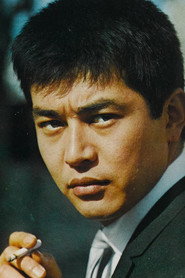 Tetsuya WatariRikio Ishikawa
 Tatsuo UmemiyaKozaburo Imai
 Yumi TakigawaChieko Ishikawa
 Meika SeriOsaka Prostitute
 Reiko IkeTeruko Imai
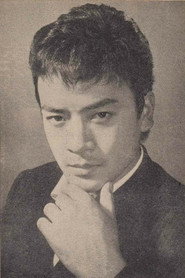 Shingo YamashiroTakuji Tamura
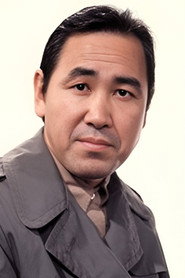 Hideo MurotaYasuo Yoshioka
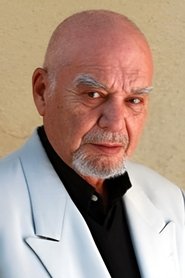 Harumi SoneSatoshi Toyama
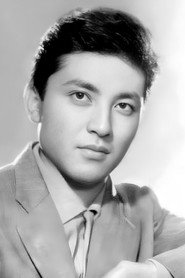 Kenji ImaiMasaji Aoki
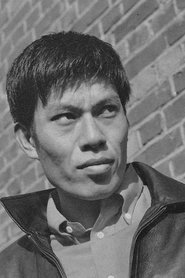 Eiji GōMakoto Sugiura
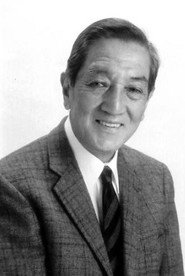 Torahiko HamadaChief of Police
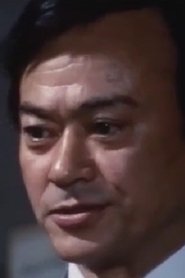 Isao TamagawaOkabe
Directing
- Yutaka KohiraAssistant Director
- Kinji FukasakuDirector
- Michio IshikawaStage Director
Writing
- Goro FujitaNovel
- Fumio KōnamiScreenplay
- Hirō MatsudaScreenplay
- Tatsuhiko KamoiScreenplay
Production
- Kazumori HigashiDevelopment Manager
- Tatsuo YoshidaProducer